Peak XV Partners, a venture capital titan managing over $10 billion in assets, has signaled a significant shift in its early-stage investment philosophy. With the unveiling of its latest cohort, "Surge 12," the firm—formerly known as Sequoia Capital India and Southeast Asia—is doubling down on its commitment to high-potential startups by raising its investment ceiling to $5 million per company. This strategic pivot comes at a time when the broader venture capital landscape is recalibrating, reflecting both the increasing capital intensity of deep-tech ventures and the tightening requirements for successful Series A transitions.
The Strategic Pivot: Raising the Stakes
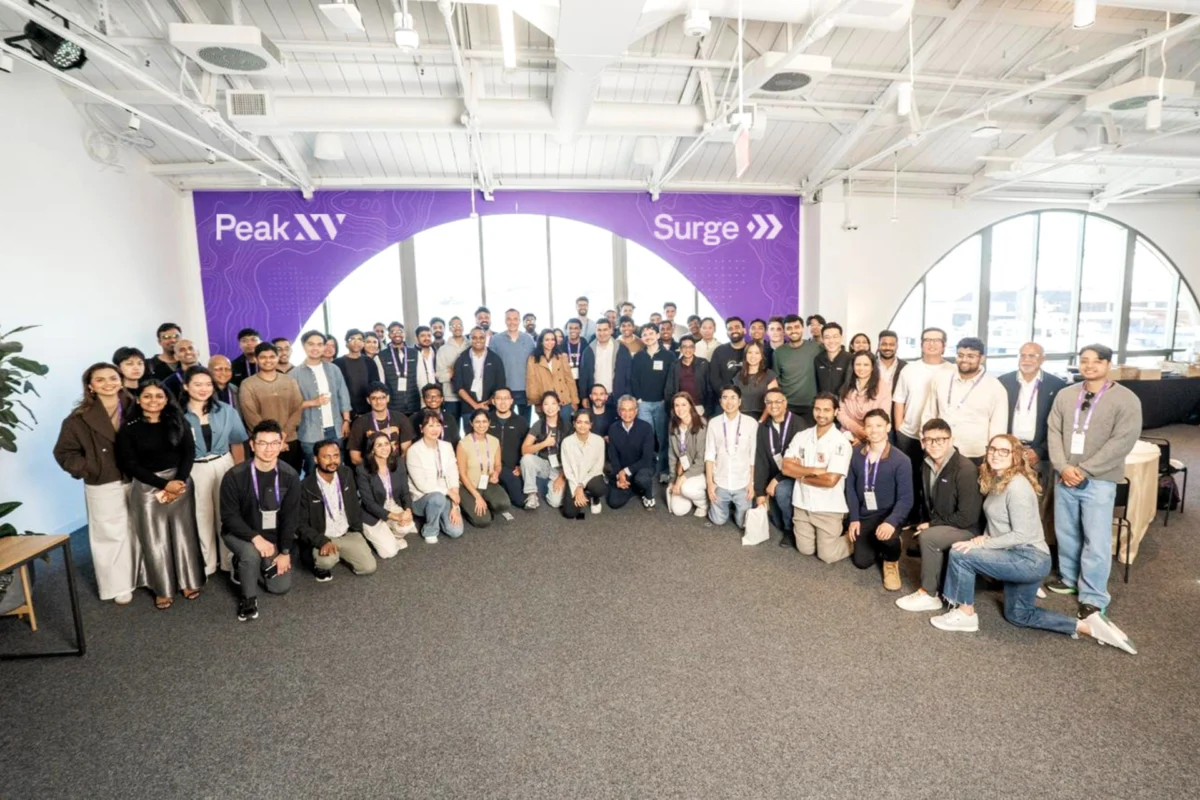
The introduction of Surge 12 marks a pivotal moment in the evolution of Peak XV’s seed-stage platform. By increasing the maximum investment per company from $3 million to $5 million, the firm is providing its portfolio companies with a more substantial runway. According to Peak XV, the firm injected more than $50 million into the 18-company cohort, which has collectively secured over $90 million in seed funding.
While the median investment figure remains confidential, the upward trend is undeniable. This move is not merely about providing more capital; it is a calculated response to a changing market environment. Rajan Anandan, managing director at Peak XV, noted in an interview that the barrier to entry for a successful Series A round has risen significantly. As startups—particularly those in the deep-tech and AI sectors—require more robust infrastructure and R&D resources, the traditional, smaller seed check is often no longer sufficient to carry a company to its next milestone.
Chronology: From Regional Powerhouse to Global Incubator
Since its inception in 2019, the Surge program has undergone a dramatic metamorphosis. Launched under the Sequoia brand, the program was originally conceived to foster the burgeoning startup ecosystems of India and Southeast Asia. However, the geographic focus of Surge has broadened considerably over the past five years.
- 2019: The inaugural Surge cohort is launched, focusing exclusively on localized growth in India and Southeast Asia.
- 2023: Sequoia Capital India and Southeast Asia officially rebrands to Peak XV Partners, signaling an independent strategic path while maintaining its dominant market position.
- 2024–2025: The program begins to lean heavily into "global-first" models. While the companies may be built in regional hubs, the talent and customer bases are increasingly international.
- 2026 (Surge 12): The program hits a milestone of 180+ backed startups. The geographic footprint now spans from San Francisco to Sydney, with a clear delineation between where startups are engineered and where they derive their revenue.
This expansion reflects a broader trend in venture capital: the "borderless" startup. Of the 18 companies in Surge 12, only five are exclusively focused on the Indian market, despite over half of the cohort maintaining operational bases within India. This discrepancy underscores a maturity in the regional startup ecosystem, where founders are leveraging local engineering talent to solve global problems.
Supporting Data: The Anatomy of Success
The data surrounding Surge’s history provides a compelling narrative for its efficacy. Having backed more than 180 startups across diverse nationalities, the program has become a formidable engine for venture growth. Perhaps most telling is the performance of the program’s top-tier alumni: the 10 largest companies to emerge from Surge now generate more than $1 billion in combined annual revenue.
The composition of the Surge 12 cohort itself highlights the caliber of talent Peak XV is attracting. Approximately 50% to 60% of the founders in this cohort are veteran operators, hailing from established technology giants. This trend of "experienced entrepreneurship"—where repeat founders and specialized technical experts take the helm—suggests that Surge has become a magnet for talent that is de-risking the venture process by bringing operational discipline from Day 1.

A Deep Dive into the Surge 12 Portfolio
The Surge 12 cohort is notably eclectic, covering sectors ranging from deep-tech infrastructure to consumer fintech. The diversity of these startups illustrates the "capital-intensive" shift mentioned by Anandan.
Infrastructure and AI
- HiLoop: A post-training platform for AI models, helping enterprises adapt open-weight models to specific use cases.
- Reinforce Labs: Led by a former Google AI director, this firm provides "red-teaming" and evaluation tools for enterprise AI, addressing the critical industry need for AI safety.
- Alma: Founded by former Microsoft Research and Sarvam AI engineers, this startup is targeting the personal computing space to drive down costs and improve speed.
Specialized Hardware and Robotics
- Puralink: A robotics firm navigating underground pipe networks, showcasing the pivot toward high-utility, industrial-grade automation.
- ULOOK: An aerospace startup focusing on radio-frequency sensing and spectrum intelligence. With over 12 satellite missions already under their belts, the founders are targeting the growing global demand for orbital data.
Healthcare and Fintech
- August AI: A health-tech platform that has already scaled to 9 million users across 160 countries, combining physician oversight with AI-driven diagnostics.
- Hoola Health: A comprehensive pediatric care platform, leveraging the founder’s deep industry experience in hospital operations.
- Tribe Money: A fintech play that provides AI-powered financial tracking and investment research for the modern user.
- Ditto: An AI matchmaker integrated into iMessage, catering to the Gen Z demographic’s desire for less superficial, more connection-driven social tools.
Official Perspectives and Market Implications
Rajan Anandan emphasizes that Surge is not merely an incubator but a specialized conduit for Peak XV’s wider investment lifecycle. The firm continues to support these companies as they graduate to Series A and beyond. However, the inclusion of companies that had already raised significant external funding—or even previous investment from Peak XV itself—before joining the cohort signals a shift in the program’s utility. Surge is increasingly being used as a "force multiplier" to help high-growth startups scale their operations and refine their product-market fit.
The "Deep-Tech" Implication
The prevalence of AI safety, satellite tech, and robotics in the current batch highlights a shift away from pure consumer software. Investors are increasingly looking for "moats" that are difficult to replicate. Whether through patented drive technology in robotics or proprietary AI evaluation protocols, these companies are building defensive barriers that require higher initial capital outlays—justifying the $5 million check size.
Global Talent, Local Costs
The model of building in India or Southeast Asia for a global customer base remains the "gold standard" for capital efficiency. By keeping operational costs low through localized engineering talent while capturing revenue in higher-purchasing-power markets like the U.S. or Europe, these startups are positioned to survive longer in a volatile economic environment.
Conclusion: The Road Ahead
As Surge 12 embarks on its journey, the broader industry will be watching to see if this "higher ceiling" strategy pays off. With the inclusion of three stealth-mode startups—focused on education, applied AI, and medical technology—it is clear that Peak XV is betting on the long-term utility of specialized tools over generalized consumer apps.
The evolution of Peak XV from a regional giant to a global curator of high-tech startups suggests that the "seed" stage is no longer just about a small check and a desk in a shared office. It is now about providing the capital, mentorship, and operational framework necessary to survive in an era where the requirements for Series A funding are more stringent than ever. For the 18 companies in Surge 12, the support from Peak XV represents more than just funding; it is a signal to the market that they are part of a new class of venture-backed entities designed for global scale from the ground up.