In the rapidly evolving landscape of affiliate marketing, the “churn-and-burn” approach—flooding the internet with low-quality, fleeting content—is increasingly becoming a relic of the past. As Amazon’s algorithm grows more sophisticated, the creators who are finding long-term financial stability are those who prioritize value, retention, and evergreen utility.
In a recent episode of the Niche Pursuits Podcast, Mike Strahl, a high-performing content creator, shared the roadmap that propelled his Amazon Influencer income to over $11,000 per month. His story is not one of viral luck, but of calculated, sustainable growth that offers a blueprint for creators looking to thrive in the 2026 digital economy.
The Journey: From Recovery to Revenue
The trajectory of Mike Strahl’s success is particularly notable given the personal challenges he faced during his most productive season. Despite undergoing major neck surgery—an event that would typically sideline a creator during the critical Q4 holiday shopping window—Strahl’s income didn’t just sustain itself; it hit new record highs.
In November, Strahl crossed the $11,000 mark, following it up with over $12,000 in December. This accomplishment serves as a powerful case study in the efficacy of passive revenue. Because he had spent months building a library of high-quality, evergreen product videos, his income continued to accrue even when his active output was severely limited. This "passive-style" revenue stream acts as a financial flywheel, where older assets continue to perform long after their initial publication date.
The Evergreen Philosophy: Why Utility Outlasts Trends
The cornerstone of Strahl’s success is his rejection of the industry-standard advice to create short, surface-level product overviews. Instead, he focuses on "value-packed" content—tutorials, complex installation guides, and problem-solving demonstrations.
Why Evergreen Content Wins
- Longevity: While a simple "unboxing" video might lose relevance in a few weeks, a detailed "how-to" guide for a kitchen gadget remains useful for years.
- Search Intent Alignment: Amazon is, at its core, a search engine. When a customer is searching for a solution to a problem, they are more likely to click on a video that promises a resolution rather than a generic promotional clip.
- Algorithm Favorability: Amazon’s algorithm rewards content that keeps users on the platform. By providing genuinely useful information, Strahl’s videos enjoy higher retention rates, which in turn signals to Amazon that his content is worth prioritizing in the product carousels.
Strahl emphasizes that the "set and forget" model is only achievable if the foundation is built on genuine utility. If a video solves a real pain point for a consumer, it becomes an asset that generates revenue while the creator sleeps, travels, or recovers from injury.
Dismantling the “Shorter is Better” Myth
A pervasive myth in the influencer space is that shorter videos are superior because of consumer attention spans. Strahl argues the opposite: the ideal video length is "as long as it needs to be" to provide complete clarity.
His metrics bear this out. By focusing on comprehensive content, he achieves higher viewer retention. When a viewer watches a video to the end because they were genuinely helped by the demonstration, they are statistically more likely to click the "buy" button.
Optimizing for Performance
To maintain this level of engagement, Strahl employs professional, yet accessible, editing techniques:
- Removing Dead Air: Tightening the flow of the video by cutting out long pauses or irrelevant fluff.
- Visual Variety: Using quick cutaway shots to demonstrate features in detail, which keeps the viewer’s eye engaged.
- Strategic Hooking: Ensuring the first few seconds of the video clearly state the problem and the promise of a solution.
Data-Driven Product Selection
Many influencers fail because they chase "low-hanging fruit" or try to cover every niche imaginable. Strahl takes a surgical approach. Using analytical tools like Viral Vue, he researches market gaps and selects products based on specific criteria:
- High Search Volume: Identifying products that people are actively looking to purchase.
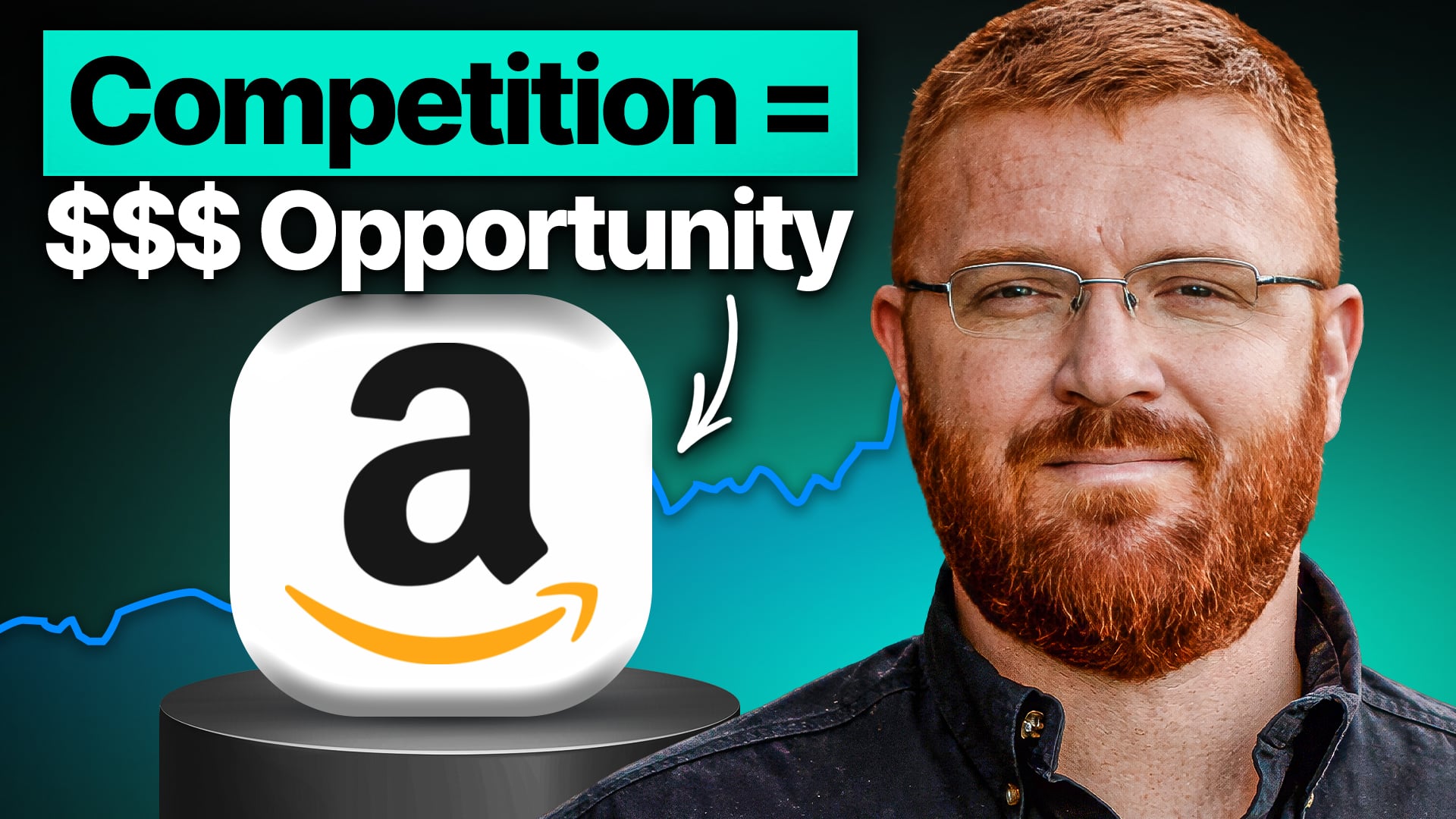
- Competitive Analysis: Interestingly, Strahl does not fear crowded markets. He has found his highest-earning videos are often on listings with over 100 competing influencer videos.
His logic is simple: if 100 people have already made a video, it means the product is a proven seller. By producing a better, more detailed, and more helpful video than the existing competition, he captures the market share that the lower-quality videos fail to convert.
Speed as a Competitive Advantage
While quality is paramount, timing is a significant lever for growth. Strahl often leverages Amazon’s "Creator Connection" campaigns to his advantage. By identifying new campaigns early, he often purchases the product himself and produces a high-quality review before the campaign officially gains traction with other influencers. This "first-mover" advantage allows him to establish a foothold in the carousel, earning revenue before the competition even receives their samples.
The YouTube Flywheel
While Amazon is the primary monetization engine, Strahl has successfully integrated YouTube as a secondary, high-value asset. His strategy involves cross-posting his Amazon content to YouTube, which now generates over $1,000 in monthly passive income—a figure he expects to grow as his channel matures.
The YouTube Growth Strategy:
- SEO Optimization: He treats YouTube titles and descriptions with the same rigor as his product listings, ensuring they are searchable.
- Thumbnail Testing: Utilizing YouTube’s A/B testing features, he experiments with hooks to improve click-through rates.
- Direct Attribution: By including pinned affiliate links, he creates a secondary revenue source that effectively doubles the utility of every video he films.
Beyond Amazon: Building an Empire
For Strahl, the Amazon Influencer program is not the final destination; it is the training ground. He views his current success as a catalyst for a broader content-based business. His roadmap for the future includes:
- Brand Partnerships: Leveraging his proven track record to secure direct sponsorships with manufacturers.
- Diversified Traffic: Expanding into other social platforms to reduce dependency on a single algorithm.
- Audience Retention: Building an email list and community that looks to him for product expertise regardless of the platform.
Implications for Future Creators
The takeaway from Mike Strahl’s experience is clear: the era of "easy money" on Amazon is closing, replaced by an era of "expert money."
The implications for the industry are profound. As the platform becomes more crowded, the barrier to entry is shifting from simple access to superior content creation. Creators who fail to invest in the quality of their production and the utility of their content will find themselves pushed out of the profitable carousels.
For those looking to enter the space in 2026, the blueprint is no longer about quantity. It is about building a library of high-authority assets that provide value to the consumer, build trust with the algorithm, and generate long-term, compounding returns.
Summary Checklist for Success
- Focus on Utility: Create videos that solve problems, not just showcase features.
- Prioritize Retention: Longer, higher-quality videos often outperform short, low-effort clips.
- Embrace Competition: Don’t avoid crowded niches; instead, out-execute the competition with better content.
- Leverage Speed: Be the first to market with new product reviews when possible.
- Cross-Platform Growth: Use YouTube to diversify your income and reach a wider audience.
- Think Long-Term: Build a catalog of evergreen content that generates income long after the initial upload.
As Strahl demonstrates, when you stop treating your content as a "post-and-pray" exercise and start treating it as a digital asset, you shift from being a creator to being a business owner. In a digital economy that rewards consistency and value, that transition is the key to sustainable, five-figure success.