The ecommerce sector is undergoing a profound transformation, shifting from static storefronts to a dynamic, autonomous ecosystem. As of June 2026, the industry is witnessing an unprecedented wave of innovation focused on "agentic commerce"—a paradigm where AI does not just assist with tasks but autonomously navigates, negotiates, and executes complex business processes.
This week’s industry updates reveal a synchronized move by major platforms and service providers to integrate generative AI deeper into the core of operations. From Shopify’s massive spring update to the rise of specialized AI sales agents and visibility platforms, the message is clear: the future of online retail is automated, personalized, and perpetually "on."
The Main Facts: A New Era of Autonomous Commerce
The most significant development this week is the maturation of the "agentic" model. Unlike previous iterations of AI that served as basic chatbots, today’s tools act as functional employees.

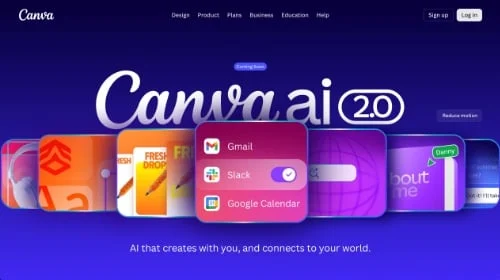
Shopify’s Spring 2026 Editions serve as the industry bellwether, introducing features that allow AI to manage marketing autopilot, handle complex physical returns, and provide deep diagnostic insights into how products perform across AI-driven search engines like ChatGPT and Copilot.
Simultaneously, the financial and B2B sectors are adopting this technology to remove friction. Alchemy’s AgentCard and Adyen’s Agentic suite are turning AI agents into fiscal entities capable of making secure, tokenized purchases on behalf of users or systems, effectively bridging the gap between conversational intent and transaction completion.
Chronology of Innovation: A Week of Rapid Development
The industry pace has been relentless, with major announcements cascading over the last several days:

- June 15: Cloudflare announces a privacy-first protocol, collaborating with major browser developers to distinguish human traffic from benign bots.
- June 16: SumUp launches in Canada, expanding its global footprint with localized card readers and payment links.
- June 17: Bloomreach releases the Sidekick extension for Shopify, allowing merchants to query search performance in plain language.
- June 17: Alchemy introduces AgentCard, enabling AI-to-merchant payments via Visa Intelligent Commerce.
- June 17: Peec AI launches AI Shopping Analytics to track how AI models recommend specific products.
- June 18: Threekit debuts its AI Sales Agent, capable of handling product configuration and proposals for manufacturers.
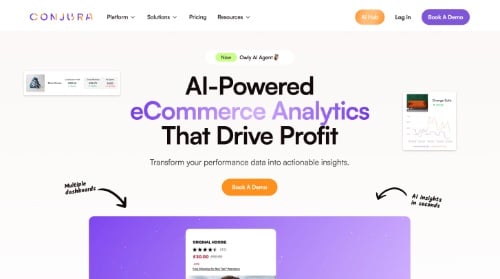
- June 19: Wayflyer acquires analytics firm Conjura to bolster its predictive growth modeling.
- June 20: Adobe rolls out "Brand Visibility," a tool designed specifically for generative engine optimization (GEO).
Supporting Data: Understanding the "Agentic" Ecosystem
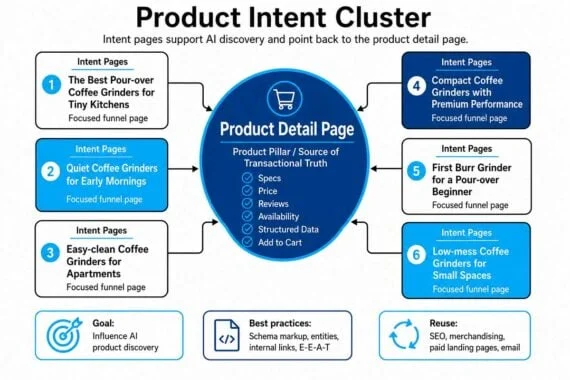
To grasp the scale of this shift, one must look at the specific functions these tools perform. The data indicates that merchants are no longer just concerned with SEO; they are pivoting toward Generative Engine Optimization (GEO).
The Rise of Visibility Tools
Platforms like Adobe, Peec AI, and Adoozle are providing the infrastructure for brands to track their "share of voice" in an AI-curated world. When a consumer asks an AI assistant, "What is the best running shoe?", the product that appears in that response is the new "top organic search result." These tools analyze:
- Win Rate: How often a product is recommended by AI.
- Comparison Attributes: Why an AI favored a competitor’s product over the brand’s.
- Referral Locations: The specific LLM (Large Language Model) or chatbot that drove the lead.
Automation of the Back Office
For manufacturers and B2B entities, the Commercetools B2B Intake Agent and Threekit Sales Agent are revolutionary. They replace hours of manual data entry by ingesting unstructured emails or PDF requests, matching them against enterprise product catalogs, and generating accurate, configured quotes—all without human intervention.

Official Responses and Strategic Shifts
Industry leaders have been vocal about the necessity of this shift.
Shopify’s leadership emphasized in their spring update that the goal is to give merchants back their time. By allowing the "Sidekick" AI assistant to integrate into third-party apps, Shopify is signaling that its platform is no longer just a store builder; it is an operating system for AI agents.
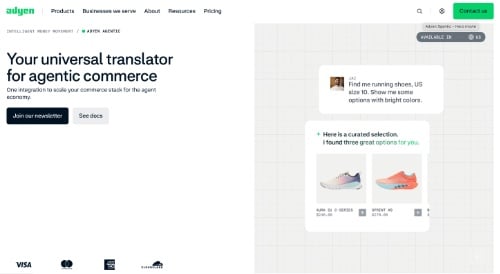
Adyen’s move to create a "universal translator" for commerce is a strategic play for interoperability. By offering a modular API structure—Feed, Cart, and Payment—Adyen is ensuring that regardless of which AI chatbot or platform a consumer uses, the merchant can capture the sale without needing to rebuild their entire backend infrastructure.
Snapchat and Pinterest, meanwhile, are focusing on the top of the funnel. By introducing AI-powered ad assistants, they are lowering the barrier to entry for small businesses. These platforms are essentially saying that a merchant no longer needs a sophisticated marketing department; they simply need to define a goal, and the AI will handle the audience targeting, creative generation, and campaign activation.
Implications for the Future of Retail
The implications of this week’s developments are far-reaching for merchants, consumers, and the broader internet economy.
1. The End of the "Traditional" Customer Journey
Historically, a customer journey involved a search engine, a website click, a browse, and a checkout. In the agentic era, the "customer" may eventually become another AI agent. A personal AI shopper could browse a site, evaluate product specs, compare prices, and finalize a purchase using a digital wallet like AgentCard. Merchants must now optimize their product data not just for human readability, but for machine reasoning.

2. Privacy and Security as a Competitive Advantage
As demonstrated by the Cloudflare initiative, as AI bots become more pervasive, the risk of malicious traffic increases. The development of a privacy-preserving protocol is essential to ensure that while bots are welcomed to index and facilitate sales, they do not compromise user data or browser history. Trust is becoming a critical metric in the AI supply chain.
3. The Consolidation of Data Analytics
The acquisition of Conjura by Wayflyer illustrates a trend of consolidating fragmented data. Predictive insights—knowing what a customer will buy before they buy it, or which margin segment will perform best next quarter—are becoming standard requirements rather than luxuries. Small and medium-sized businesses are now expected to have the same analytical capabilities as enterprise retailers.
4. The "Prompt" as a Business Asset
With tools like AdGPT’s "Go Live," the process of marketing has been compressed from weeks to minutes. This commoditizes standard marketing tasks. The competitive advantage will no longer lie in the ability to create a campaign, but in the quality of the "context" provided to the AI. Brands that can effectively train their AI agents on their unique brand voice and value proposition will differentiate themselves from those using generic, automated templates.
Conclusion: Preparing for the Autonomous Frontier
As the industry settles into the second half of 2026, the divide between those who embrace agentic commerce and those who do not will widen. The tools released this week demonstrate that the infrastructure for autonomous, AI-driven business is no longer experimental—it is operational.
Merchants who invest in visibility tools to monitor their AI presence, adopt AI-integrated payment systems to reduce friction, and utilize automated agents for sales and marketing will be the ones defining the next chapter of ecommerce. The challenge moving forward will not be the technology itself, but the human ability to orchestrate these powerful agents toward long-term growth and brand sustainability.