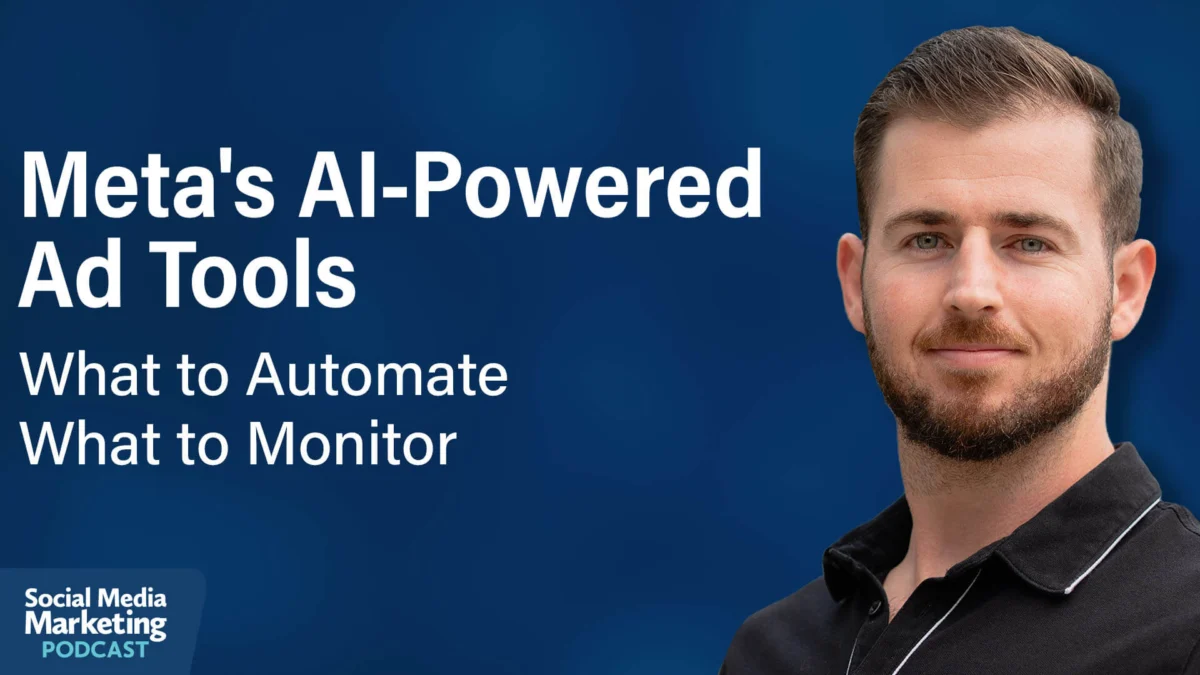
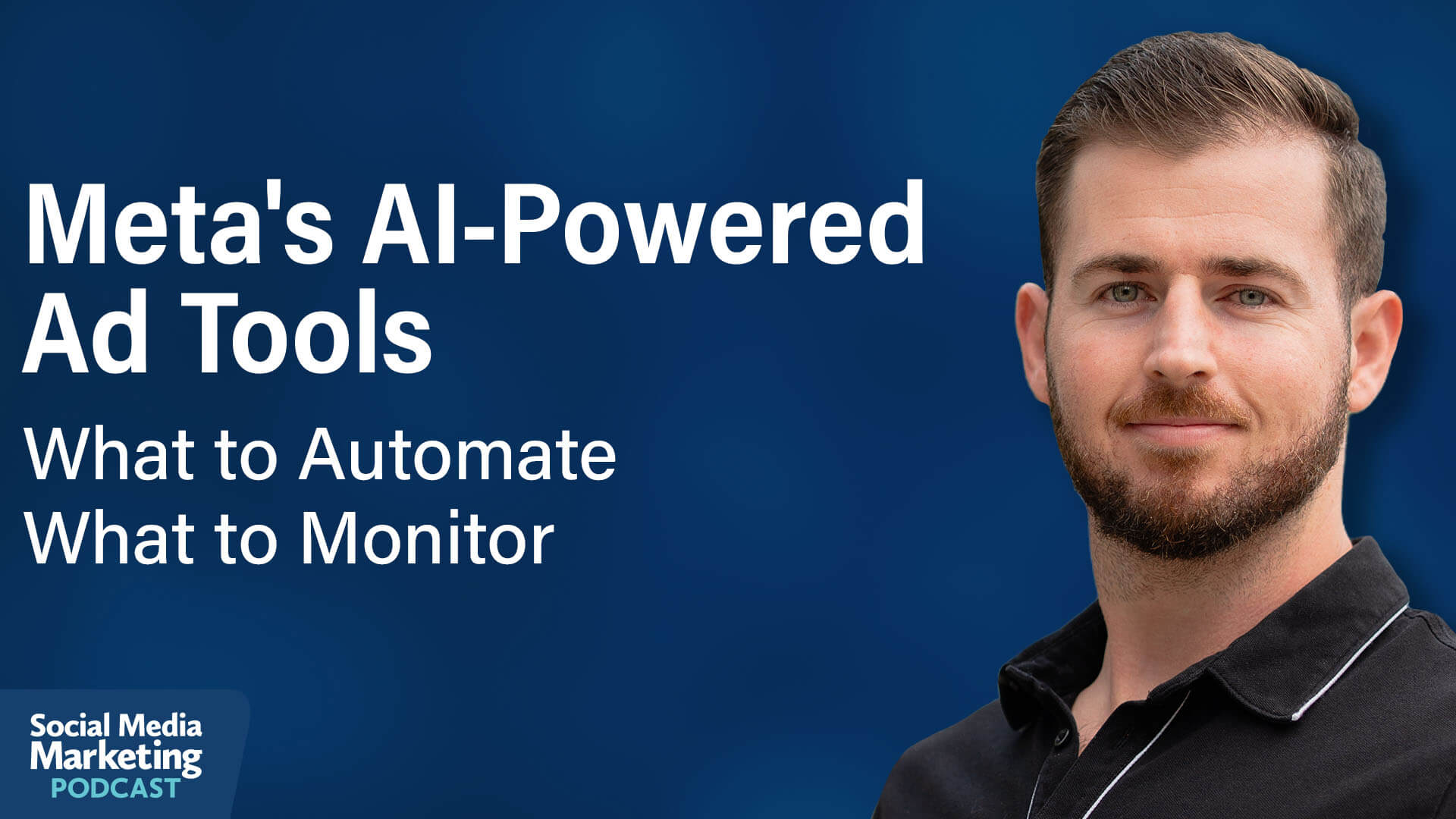
As Meta continues its aggressive push to integrate artificial intelligence across its advertising suite, digital marketers are facing a fundamental change in how they manage, scale, and track their performance. The era of manual campaign architecture is being rapidly replaced by “guided control”—a system where the marketer sets the destination, and Meta’s AI handles the navigation.
But is this shift a golden ticket to efficiency, or a dangerous surrender of brand autonomy? According to industry experts like Nick Theriot, a seasoned agency owner specializing in e-commerce, the reality lies somewhere in between. Navigating this new landscape requires a nuanced approach: knowing exactly which tasks to automate and where the human “hand on the wheel” remains non-negotiable.
1. The Core Transformation: From Manual to Guided Control
For years, success in Facebook advertising was synonymous with granular technical control: complex campaign structures, specific bid caps, and rigorous manual audience segmentation. That era reached its peak around 2018–2019. Today, Meta has shifted the paradigm. The platform is increasingly favoring condensed, simplified account structures where the algorithm—not the human—determines the best path to a conversion.
For the modern marketer, this transition carries a dual message: advertising has become more accessible to the layperson, yet it requires higher-level strategic thinking to avoid the pitfalls of AI-generated mediocrity. The barrier to entry has lowered, but the standard for "winning" has risen.
2. Chronology of the AI Integration
The integration of AI into Meta’s ecosystem has not been an overnight event, but rather a methodical evolution:
- 2020–2021: The pivot toward creative-led advertising began. Brands that prioritized creative testing over complex account architecture started to outperform those stuck in legacy manual management.
- 2023: Meta expanded its AI-powered tracking capabilities, refining how the pixel interacts with e-commerce platforms like Shopify, effectively automating data ingestion.
- 2024: The introduction of AI-driven conversational assistants within Ads Manager and the emergence of third-party connectors (such as Manus) began allowing marketers to interface with their campaigns via natural language prompts.
- Current State: The industry is now entering the "Agentic" phase, where AI doesn’t just analyze data—it suggests, creates, and deploys assets with minimal oversight.
3. The Pixel Paradox: When to Automate Tracking
The Facebook pixel remains the bedrock of Meta’s data-collection strategy. In its current iteration, Meta’s AI can automatically map site data—including product names, pricing, and stock availability—with minimal developer intervention.
Why AI Wins Here
For e-commerce businesses, especially those on platforms like Shopify, this "black-and-white" task is ideal for automation. By allowing the AI to manage the pixel setup, business owners save time and reduce technical friction.
The Human Oversight
While automation is efficient, it is not a "set it and forget it" tool. Marketers must maintain control over data privacy categories. Theriot emphasizes that for lead-generation businesses with custom funnels and multi-step landing pages, the setup remains complex. In these instances, relying solely on automated defaults can lead to skewed data. His recommendation? Use professional tools like Google Tag Manager to maintain precise control over which pages trigger the pixel, ensuring that the algorithm is fed high-quality, relevant data rather than noise.
4. Third-Party AI Connectors: A Warning on "Over-Optimization"
A new wave of third-party AI agents—such as Manus—promises to turn raw performance data into comprehensive dashboards and content calendars. While these tools are revolutionary, they come with significant risks.
Recent industry reports indicate that high-volume, automated interactions between third-party AI tools and ad accounts have led to security-related account freezes. Meta’s safety algorithms are designed to flag "spammy" or erratic behavior; if an AI sends too many requests in a short timeframe, the platform may trigger an automatic ban.

Implications for Advertisers:
- Exercise Caution: If you connect your ad account to an AI tool, do so sparingly.
- Avoid Over-Prompting: Treat the tool as an assistant, not a replacement for your own strategic review.
- Human Research: Never outsource high-level audience research to AI. While it can suggest generic segments, it cannot replicate the nuance of understanding why a customer buys. True marketing conviction comes from observing real demand, not looking at an AI-generated persona.
5. Meta’s AI Business Assistant: The Double-Edged Sword
The rollout of Meta’s AI Business Assistant—a tool that provides real-time recommendations within the Ads Manager—has effectively leveled the playing field for beginners.
Supporting Data and Observations
According to Theriot, 90–95% of the AI’s basic advice is superior to the average advice found in entry-level tutorials. However, the assistant is trained on Meta’s own internal protocols, which are inherently biased toward increasing platform spend.
The "Spend More" Trap:
The assistant often recommends scaling budgets based on short-term positive metrics. Theriot warns against this: "You cannot multiply your budget overnight and expect the same cost-per-result." His rule of thumb is to treat any suggestion to increase spending with extreme skepticism. Always audit the AI’s math, especially when comparing performance across different models (e.g., Claude vs. Gemini), as some AI models are structurally better at analyzing spreadsheet data than others.
6. The New Creative Standard: AI-Assisted, Human-Directed
In the current ecosystem, creative is the primary lever for performance. The most successful brands are those that use AI to amplify their unique ideas rather than replace the creative process.
Strategic Implementation
- Copywriting: 90% of ad copy is now efficiently handled by AI, with "copy chiefs" refining the final 10% to ensure brand voice and punchiness.
- Visual Assets: Experienced photographers and designers are finding the most success with AI image tools. They use their existing aesthetic training to "direct" the AI, rather than settling for the generic, over-polished output that plagues amateur ads.
- The Regulatory Future: As of June 2026, New York will mandate clear disclosures for AI-generated personas in advertisements. Advertisers should treat this as a signal for the entire industry. Transparency is no longer just ethical—it will soon be a legal requirement.
7. The Future of Sales: One-Click Checkout vs. Education
Meta is pushing "one-click" shopping features to keep users within the app. While this reduces friction for low-ticket, impulse-buy items, it can be a detriment to high-consideration products.
The Psychological Barrier:
Theriot’s team noted that changing "Add to Cart" to "Buy Now" consistently leads to lower conversion rates for complex products. The "Add to Cart" button acts as a psychological buffer, giving the customer a vital two-to-three seconds to process the purchase. Removing that step can interrupt the natural consumer rhythm, leading to increased cart abandonment.
8. Conclusion: The 80/20 Rule for Modern Marketers
As the roles of media buyers evolve into those of "Marketing Managers," the most valuable skills will be the ability to create scalable offers and communicate value clearly.
To thrive in this AI-integrated future, follow the 80/20 rule:
- 80% of your budget and energy should be directed toward proven strategies that sustain your business today.
- 20% of your budget and energy should be reserved for testing new AI tools and features.
By maintaining this balance, you ensure that your business remains resilient against the "hype cycle" while still benefiting from the efficiency gains that Meta’s AI offers. The goal is not to let the machine run the business, but to use the machine to run the business faster, smarter, and with greater precision.