For many startup founders, the transition from building a product to selling it is the most jarring experience in their professional lives. The technical challenges of engineering a solution often pale in comparison to the psychological barrier of cold outreach. A common question echoes through forums like SaaStr: “Is it normal to feel like a pest when prospecting for customers?”
The consensus among industry veterans is unequivocal: Yes. It is not only normal; it is a fundamental rite of passage. However, moving past that feeling is what separates companies that thrive from those that stall.
Main Facts: The Psychology of Prospecting
The core reality of early-stage sales is that rejection is not an anomaly; it is the default setting. When a founder picks up the phone or sends a cold email, they are interrupting a prospect’s day. This inherently feels intrusive, triggering a "pest" mentality.
However, professional sales is defined by a paradoxical requirement: you must learn how to be a pest without acting like one. The difference lies in value proposition. If you are reaching out to a stranger with nothing but a request for their time, you are a nuisance. If you are reaching out with a solution to a problem they are actively experiencing—backed by the success of similar peers—you are a resource.
The Myth of "Getting Easier"
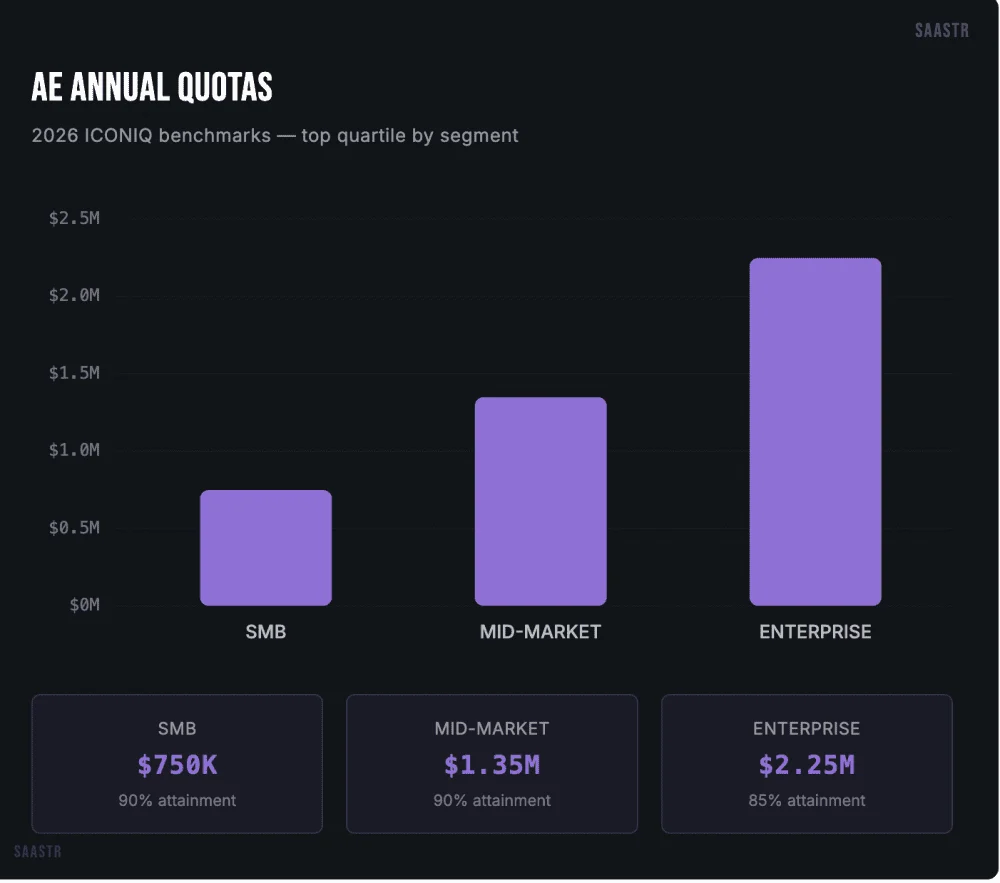
A prevailing misconception is that as a company grows, sales becomes effortless. This is rarely the case. While brand recognition and inbound lead generation (marketing-driven interest) can alleviate some of the friction, the nature of outbound sales evolves rather than dissipates. As companies scale, quotas rise, markets saturate, and the "low-hanging fruit" is quickly harvested. Consequently, the outbound sales process remains a high-pressure, high-effort engine regardless of a company’s age or valuation.
Chronology: From Garage to Growth
The evolution of a startup’s sales strategy typically follows a predictable timeline, marked by shifts in how the "pest" factor is managed.
- The Founder-Led Phase (Months 0–12): The founder is the primary salesperson. They possess the deepest product knowledge but often struggle with the emotional weight of rejection. During this phase, every "No" feels like a verdict on the product itself.
- The Proof-of-Concept Phase (Months 12–24): The company secures its first handful of paying customers. The strategy shifts from "cold outreach to anyone" to "outbound to lookalikes." By analyzing why the initial customers bought the product, the sales team begins to refine its targeting.
- The Professionalization Phase (Year 2+): Founders realize they cannot scale the company while managing the full sales cycle. They hire Sales Development Representatives (SDRs). This is a critical pivot point where the "pest" feeling is delegated to professionals who are trained to handle rejection systematically.
Supporting Data: Why Outbound Still Dominates in 2026
Despite the rise of content marketing, SEO, and social media advertising, outbound remains a primary driver for B2B revenue. Data from the current market landscape suggests that:
- Conversion Efficiency: Targeted outbound emails that leverage specific customer use cases (social proof) see conversion rates significantly higher than broad-spectrum digital ads.
- Customer Lifetime Value (CLV): Outbound-acquired customers, because they are sourced based on specific pain points rather than broad interest, often exhibit higher retention rates than those who arrive via inbound channels.
- The "Lookalike" Multiplier: Statistically, if a company has successfully closed a deal with a client in a specific niche, the probability of closing a similar company in that same niche is roughly 10 times higher than prospecting in an adjacent, unproven market.
The data confirms a simple rule: If you have one paying customer, there are at least ten more just like them. The challenge is not finding customers, but rather finding the courage to contact them.
Official Perspectives: The SaaStr Philosophy
The consensus from the SaaStr community—a hub for SaaS founders—emphasizes that feeling like a pest is a sign of a lack of process. When a founder feels like an intruder, it is usually because they lack a "reason to call."
The "Better, Faster, Stronger" Approach
Industry experts argue that founders need to take a three-pronged approach to the "pest" problem:
- Get Better at It: Refine the script. Shift the focus from "I want to sell you something" to "I helped a company in your position solve [X] problem."
- Get Over It: Recognize that sales is a professional function, not a personal one. A rejected email is not a reflection of your worth.
- Hire for It: The moment the business can afford it, hire individuals who view prospecting as a sport rather than a chore. Professionals are trained to navigate the thin line between persistence and annoyance.
Implications: The Future of Sales
The implications of this mindset are profound for the startup ecosystem. Companies that treat outbound as a secondary or "annoying" necessity often find themselves starved of revenue. Conversely, companies that embrace the "art of the ask" position themselves for rapid scaling.
The Enduring Nature of Cold Outreach
Even in the age of AI-driven lead generation and automated outreach, the human element remains supreme. Automation can scale the volume of messages, but it cannot replace the empathy required to understand a prospect’s pain point.
The most successful companies of 2026 are not those that use AI to spam thousands of leads, but those that use data to identify the right leads and then approach them with a genuine, value-based narrative. The "pest" feeling diminishes when you stop selling and start solving.
Final Thoughts for Founders
If you are a founder sitting at your desk, hesitant to send that follow-up email or make that cold call, remember this: your potential customer is likely struggling with a problem that your product solves. By failing to reach out, you are not sparing them an annoyance; you are denying them a solution.
Persistence is the professional’s bridge between a cold lead and a closed deal. While the initial instinct is to shy away, the professional obligation is to press forward. Get better at the pitch, refine your targeting, and realize that the most successful companies in the world were built on the back of someone who was willing to be a "pest" just long enough to close the deal.
Appendix: Strategic Recommendations for Outbound Success
To mitigate the feeling of being a "pest," teams should focus on the following operational improvements:
- Contextualization over Volume: Spend 80% of your time researching the prospect and 20% writing the message. A message that highlights a specific, current challenge faced by the prospect will never be perceived as spam.
- The "Permission to Stop" Technique: A powerful psychological hack in sales is to offer the prospect an "out." Phrases like, "If this isn’t a priority right now, no worries, I’ll stop reaching out," actually increase response rates by removing the pressure, which ironically makes the prospect more likely to engage.
- Multi-Channel Nurturing: Don’t rely on email alone. Use LinkedIn, industry events, and phone calls to create a professional presence. When you are a familiar face, the follow-up feels like a service, not an intrusion.
By shifting the internal narrative from "How can I get them to buy?" to "How can I help them improve their current situation?", the psychological burden of prospecting begins to lift. Sales is, and always will be, a fundamental component of startup success. Master it, or hire those who have, and you will secure your place in the market.