The television screen, once a passive window into static storytelling, has undergone a radical transformation. It is no longer merely a broadcast medium for linear programming; it is rapidly evolving into a sophisticated, two-way bridge connecting premium entertainment with real-time commerce. This paradigm shift, centered on the rise of Connected TV (CTV), is effectively dismantling the traditional barriers between watching and buying, turning every frame of video into a potential point of sale.
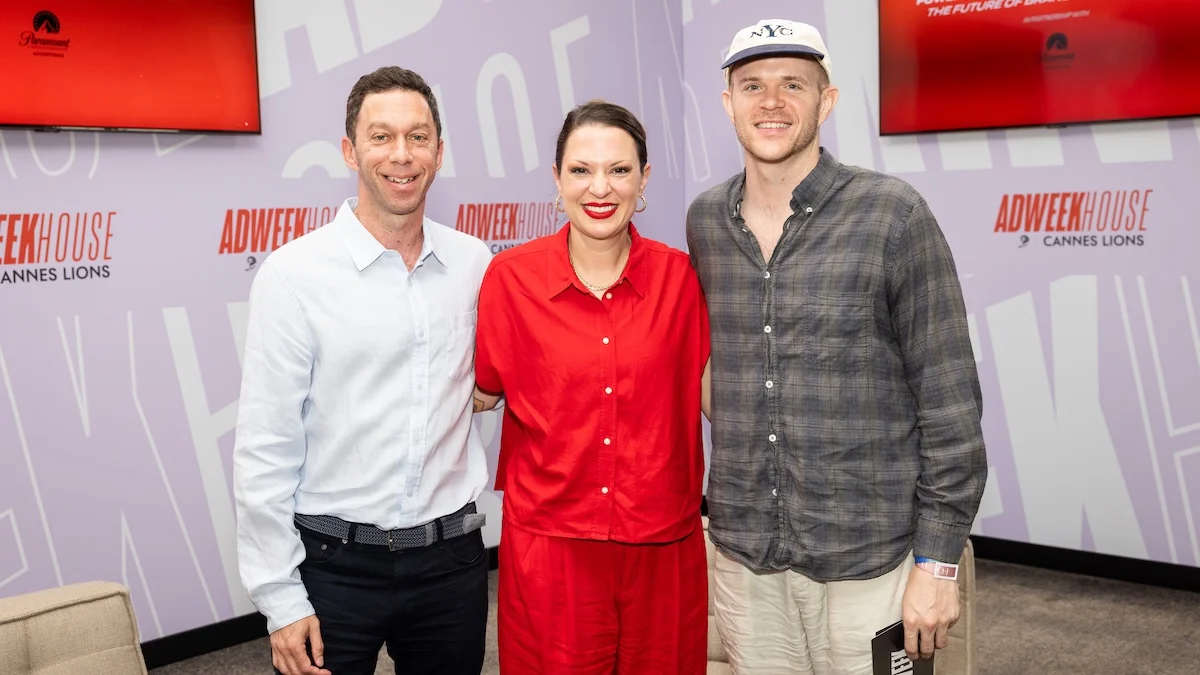
During a recent fireside chat at the ADWEEK House at Cannes Lions, hosted in partnership with Paramount Advertising, industry leaders gathered to dissect this transformation. Moderated by ADWEEK senior media reporter Mark Stenberg, the discussion explored how streaming networks are deploying interactive ad formats, artificial intelligence, and data-driven automation to reshape consumer habits and retail engagement.
The New Frontier: TV as a Retail Ecosystem
Historically, TV advertising operated on the "interruption model"—a 30-second break inserted into a show to capture attention. Today, that model is being replaced by integrated, frictionless experiences. The modern viewer is no longer a captive audience member waiting for the program to return; they are an active participant in an ecosystem where product discovery is woven into the narrative fabric of their favorite shows.
Marika Roque, Chief Strategy Officer at KERV Interactive, notes that the success of this transition depends on a fundamental shift in philosophy: respecting the viewer’s immediate desires. "We are always partnering with our publisher partners to make sure that we’re innovating at the speed of the viewer and giving them what they want—giving them the moments they want to help them shop in the most relevant way," Roque stated.
By pairing on-screen visual elements with product inventory codes, networks can now offer viewers the ability to interact with a product the moment it appears on screen. This is not just a technological capability; it is a response to a changing consumer psychology that demands instant gratification and high-relevance advertising.
Chronology of the Shift: From Passive to Participatory
The evolution of television into a commerce platform did not happen overnight. It is the result of a multi-year trajectory in streaming technology:
- Phase 1: The Rise of Connected TV (2018–2020): As cord-cutting accelerated, broadcasters shifted their focus from linear cable to digital-first streaming services. This allowed for the first wave of addressable advertising, enabling brands to serve different ads to different households.
- Phase 2: The Integration of Data (2021–2023): Platforms began to leverage first-party data to improve ad targeting. During this period, the focus was on efficiency—ensuring the right ad reached the right demographic.
- Phase 3: The Interactive Era (2024–Present): We are now in the era of "shoppable video." This involves the marriage of computer vision, real-time metadata, and AI. Networks like Paramount+ and Pluto TV are now testing features that allow for "pause-to-shop" moments and dynamic, scene-level ad placements.
This progression suggests that the future of brand loyalty will be decided by how effectively networks can integrate these touchpoints without disrupting the viewing experience.
Supporting Data: Why Interactive Formats Work
Critics have occasionally dismissed shoppable TV as a high-tech novelty, but the empirical data suggests otherwise. A joint study conducted by Paramount and KERV Interactive reveals that consumer adoption is not only real but remarkably high.
Key performance indicators from the study include:
- High Satisfaction: Over 60% of viewers who interacted with a "pause-to-shop" feature reported a positive user experience.
- Engagement Multiplier: The use of interactive formats resulted in a pause rate seven times higher than standard industry benchmarks.
- Retention: By integrating advertising into the content flow, networks have seen that users are more likely to stay engaged with the platform, as the advertisements are perceived as value-added information rather than disruptive noise.
These figures indicate that when advertising is relevant, timely, and non-intrusive, consumers do not tune out—they lean in.
Official Responses: Strategies from the Frontlines
The industry’s leading players are taking distinct approaches to maximize this engagement. Dan Reich, EVP of Streaming Product and Global Head of Product at Paramount+ and Pluto TV, emphasizes that the platform’s primary objective is content discovery.
"On the Paramount+ side, we’re really focused on content discovery. How do we get users to engage more and more?" Reich explained. To achieve this, Paramount has deployed a two-pronged strategy involving AI-driven optimization and context-rich interactivity.
AI and Poster Art Optimization
Paramount utilizes AI to test and iterate on poster art and thumbnail imagery. By continuously testing which visuals drive the highest click-through rates, the platform ensures that the content users see is optimized for their specific tastes. This is an example of "algorithmic curation" at scale.
Context-Rich Features: The "Inside Peek"
The network has also introduced features like "Inside Peek" on Roku, launched alongside the new season of The Agency. This feature provides real-time, interactive insights into production and cast members, reminiscent of the classic VH1 Pop-Up Video style. It turns the viewing experience into a deep dive, keeping the viewer within the platform ecosystem for longer durations.
Dynamic Ad Breaks
Moving away from fixed commercial breaks is perhaps the most significant change in the Paramount strategy. "We want to have flexible ad breaks and flexible ad loads, so that we can place the ad break in the right spot for the right user," Reich noted. By using data to determine the optimal moment to pause—rather than cutting in at a random time—the platform preserves the emotional integrity of the narrative while increasing the likelihood of ad effectiveness.
The Role of Automation and Industry Standards
For this ecosystem to scale, it requires more than just innovative software; it requires a standardized language for data across the industry. Marika Roque points out that fragmentation remains the biggest hurdle to widespread adoption.
"Brands and agencies really push the technology partners like us to create a standard, so that you can have the same data across the ecosystem," she stated. Without standardization, programmatic performance is hindered by incompatible data silos.
The Future of Scene-Level Targeting
The ultimate goal is to reach a state where major retailers—such as Wayfair, Walmart, and Target—can bid on specific "product moments." For instance, if a character is sitting on a specific style of sofa, a furniture retailer could programmatically bid to display an "add to cart" prompt for a similar item.
To achieve this, the industry is looking toward Agentic AI. According to Roque, "Agentic AI is going to help us a ton to normalize this and allow the demand side to understand what signals match their demand." This will automate the process of matching ad inventory to retail demand, removing the manual labor that currently limits the scale of shoppable TV.
Implications: A New Era for Brands
The implications for the marketing industry are profound. We are moving toward a future where:
- Advertising becomes Utility: Marketing messages will shift from "brand awareness" to "utility," where the ad solves a problem or facilitates a purchase immediately.
- Continuous Testing as the New Norm: As Reich emphasized, "Every time you iterate, you test, you learn, you evolve, and that’s really been the core for us." The "set-it-and-forget-it" campaign is dead; the future belongs to networks that embrace relentless A/B testing and real-time performance metrics.
- The Death of the Traditional Funnel: The linear path from seeing an ad to going to a store is being replaced by an instantaneous conversion loop. This will force agencies to rethink their creative strategies, as the ad now needs to be both a creative story and a functional retail interface.
Conclusion
The transformation of Connected TV is not just a technological upgrade; it is a fundamental reconfiguration of the relationship between content creators, advertisers, and the audience. By leveraging the power of AI, interactive formats, and standardized data, industry leaders like Paramount and KERV are proving that the future of television is commerce.
As these tools continue to evolve, the challenge for brands will be to maintain the balance between monetization and the sanctity of the storytelling experience. In a world where every screen is a storefront, those who respect the viewer’s time while providing value at the point of discovery will emerge as the dominant forces in the next era of media.
For those looking to stay at the forefront of these shifts, the conversation continues at industry forums like Brandweek, where the ideas and connections that define the future of the media landscape are forged.