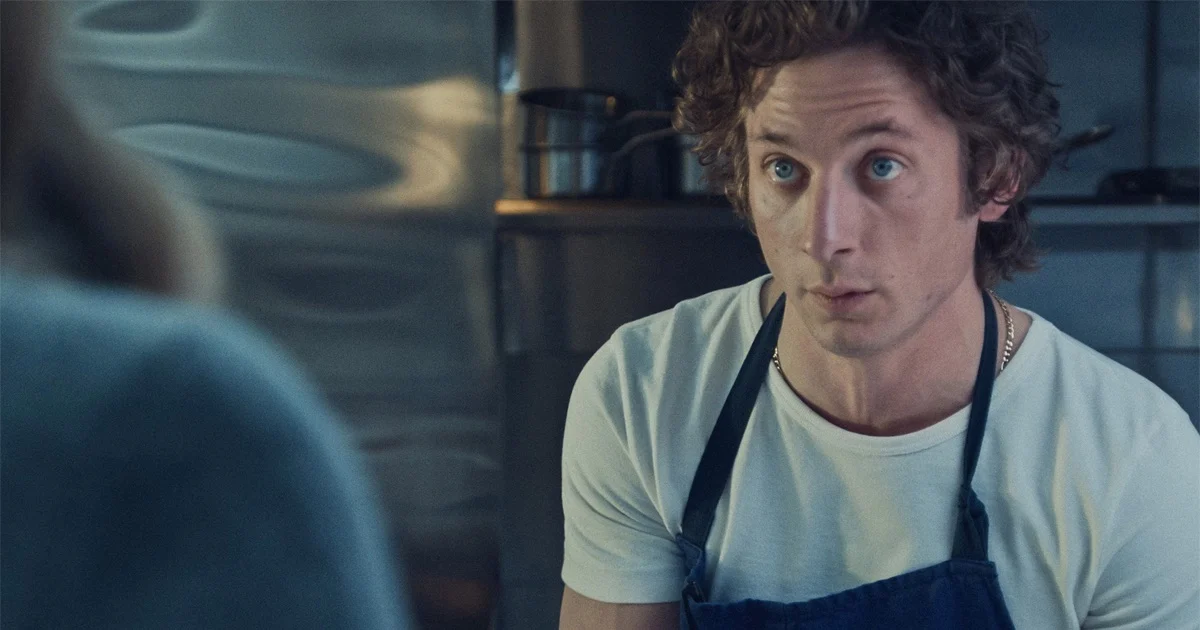
As the heat intensifies in the kitchen of Carmy Berzatto, so too does the temperature in the executive boardrooms of the world’s largest brands. FX’s critically acclaimed, Emmy-sweeping series The Bear has officially entered its fifth and final season, marking the end of a cultural epoch that redefined the intersection of prestige television and brand integration. While the fictional crew at the restaurant navigates the pressures of Michelin stars and operational survival, Disney Advertising is reporting a different kind of success: a sell-out of all available sponsorship inventory, signaling that The Bear has become the gold standard for modern television marketing.
The Main Facts: A Final Course for Brand Partnerships
The landscape of television advertising is notoriously volatile, yet The Bear has remained an outlier. Since its 2022 debut, the series—produced by FX and distributed via Hulu and Disney+—has consistently outperformed market expectations. John Campbell, Senior Vice President of Entertainment and Streaming Solutions at Disney Advertising, confirmed that the series has increased its advertising revenue year-over-year, culminating in a total sell-out of sponsorships for its final season, which premiered on June 25.
The strategy behind these partnerships goes far beyond the traditional "product placement" model. The Bear does not merely showcase logos; it integrates them into the hyper-realistic, high-stress ecosystem of the culinary world. From the specific knife brands used in the prep line to the beverages served at the bar, these integrations are curated to maintain the show’s gritty, authentic aesthetic, making them highly desirable for blue-chip sponsors looking to reach a sophisticated, younger demographic that typically evades traditional linear television.
A Chronological Evolution: From Risky Bet to Cultural Staple
The journey of The Bear from an underground hit to a marketing juggernaut is a masterclass in audience development and brand trust.
The Freshman Year: The "Wait-and-See" Era (2022)
When The Bear first dropped, the industry was cautious. Many advertisers adopted a "wait-and-see" approach, skeptical that a niche show about a failing Chicago sandwich shop could generate broad appeal. However, the show’s raw depiction of grief, addiction, and the pursuit of excellence captured the zeitgeist almost immediately. By the time the first season concluded, the "Carmy effect" was already being felt, with social media discourse driving massive interest in the culinary gear and fashion aesthetics featured on screen.
Scaling the Influence (2023–2024)
As the series moved into its sophomore and junior years, the narrative shifted. The expansion of the restaurant into a fine-dining establishment mirrored the show’s own expansion in the cultural consciousness. Advertisers stopped viewing the show as a "culinary niche" and began seeing it as a lifestyle powerhouse. Partnerships became more sophisticated, moving from simple background placements to bespoke activations and social media collaborations that blurred the lines between the show’s narrative and real-world brand identities.
The Final Season: The Pinnacle of Integration (2025)
Entering the final season, Disney Advertising found itself in a position of leverage. With the show firmly established as a "must-watch" event, the competition for sponsorship slots intensified. The transition from a breakout hit to a cultural institution allowed Disney to command premium pricing, as the show’s legacy value ensured that these final episodes would be archived and rewatched for years to come—providing long-tail value for partners.
Supporting Data: Why Brands are Lining Up
The appeal of The Bear to advertisers is rooted in hard metrics. According to industry analysis, the show consistently hits a "quadrant-defying" demographic. It resonates with Gen Z and Millennials, who are often the most difficult cohorts to reach through traditional media, while simultaneously maintaining a high viewership among older, affluent professionals who appreciate the show’s craftsmanship.
- Audience Engagement: Viewers of The Bear show a 40% higher propensity to research products featured in their favorite shows compared to the average streaming audience.
- Social Sentiment: The show’s aesthetic—the "core" culture—has spawned thousands of TikTok and Instagram trends, creating an organic "halo effect" for featured products.
- Retention Rates: Unlike many streaming series that experience a drop-off after the first season, The Bear has seen a steady increase in completion rates, meaning that sponsorships placed in the final season are guaranteed a captive, highly attentive audience.
"It is rare to see a show that gains momentum in its later years," says a media buyer familiar with the account. "Usually, you see a plateau. The Bear defied gravity. Because of that, the value of the final season isn’t just about the current viewership; it’s about the permanence of the content in the streaming library."
Official Responses: Disney Advertising’s Strategic Vision
John Campbell’s assessment of the show’s trajectory highlights a fundamental shift in how networks approach sponsorship. "Previously, for our freshman shows or our first year shows, brands would take a wait-and-see approach," Campbell explained. "But with The Bear, the narrative shifted. Brands realized that to be a part of the cultural conversation, they had to be embedded in the DNA of the show from the jump."
Disney Advertising’s strategy was to maintain the integrity of the storytelling. By limiting the number of partners and ensuring that each partnership felt organic to the kitchen environment, they preserved the "prestige" feel that drew the audience in the first place. "We aren’t just selling ad spots," Campbell noted. "We are selling access to a community. The influence of this show goes well beyond the walls of Carmy’s restaurant; it touches on fashion, dining, mental health, and the modern workplace. That’s why the brands are here."
Implications for the Future of Advertising
The success of The Bear serves as a blueprint for the future of streaming television. As the industry moves away from the "growth at all costs" model of the early streaming wars, the focus has shifted toward high-quality, "sticky" content that can support long-term advertising partnerships.
1. The Death of the "Wait-and-See" Era
The success of this series suggests that brands are increasingly willing to place early bets on high-concept content. The era of waiting for a show to prove itself over three seasons is likely coming to a close for big-budget brands looking to stay relevant in a fragmented landscape.
2. The Rise of "Aesthetic Integration"
Future partnerships will likely prioritize aesthetic alignment over volume. As seen in The Bear, viewers are hyper-aware of "selling out." The most successful brands in the future will be those that prioritize subtlety and narrative integration, essentially becoming part of the show’s world-building process.
3. Long-Tail Content Monetization
With the final season now complete, the focus turns to how this library will be monetized in the future. Because The Bear is essentially a character study, it has high rewatch value. Advertisers are already negotiating for "evergreen" placements that will appear in every future stream, treating the series as a permanent digital billboard rather than a fleeting broadcast event.
Conclusion: The Final Service
As the credits roll on the final season of The Bear, the legacy left behind is one of artistic and commercial synergy. The show demonstrated that prestige television does not have to be divorced from commercial interests; rather, when done correctly, brand partnerships can enhance the realism and the reach of the storytelling.
For Disney Advertising, the sell-out of the final season is not just a financial victory—it is a proof of concept. It confirms that in an era of infinite choice, the shows that define the cultural conversation remain the most valuable real estate on the planet. While Carmy Berzatto may be hanging up his apron, the business model pioneered by his show will continue to serve as the main course for years to come. Advertisers who once stood on the sidelines waiting for a "safe bet" now realize that the risk was not in participating—it was in missing the chance to be part of the table.