In the modern digital economy, the traditional retail playbook—built on storefronts, physical inventory, and tactile sensory experiences—is becoming increasingly obsolete for the information entrepreneur. For those selling courses, memberships, or digital assets, the conventional rules of commerce do not apply. When a customer purchases a physical product, they pay for a tangible item they can hold and inspect; when a customer purchases a digital course, they are essentially buying a promise of transformation.
This fundamental shift in the value proposition creates a unique challenge for creators: the email sequence is no longer just a marketing channel; it is the entire engine of the business.
The Core Distinction: Why Digital Products Require a Different Strategy
For traditional e-commerce brands, email marketing is often relegated to a retention tool—a nudge to recover an abandoned cart or a reminder to restock a household staple. However, for digital product creators, the email list acts as the complete funnel.
Unlike physical products that benefit from retargeting pixels and browsing behaviors on a website, digital creators must cultivate a relationship entirely through the inbox. A potential student may discover a creator via a podcast appearance or a viral social media post, but their journey from "curious stranger" to "paying student" is governed almost exclusively by the quality of the email relationship. There is no physical product to "speak for itself." Instead, the creator must build a bridge of trust, education, and authority before the checkout page is even presented.
The Chronology of Conversion: From Lead Magnet to Loyalty
The journey of a subscriber is not a single event but a carefully architected timeline. Many creators fall into the trap of viewing a lead magnet—such as a free checklist or a mini-training—as the destination. In reality, it is merely the opening of a conversation.
1. The Opt-In: Earning the Right to Speak
The lead magnet serves as the initial "handshake." It provides immediate value and earns the subscriber’s email address. However, the true strategy begins the moment they join the list.
2. The Welcome Sequence: Earning Attention
The immediate follow-up period is critical. This is where the creator sets the tone, establishes their brand voice, and proves that they understand the subscriber’s pain points. A high-performing welcome sequence does not rush to the sale; it reinforces the decision the subscriber made to opt-in.
3. The Nurture Phase: Building the Case for Change
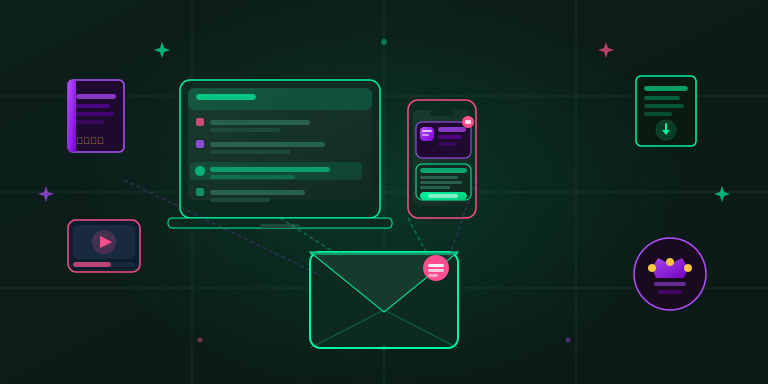
The nurture sequence is the "middle" of the funnel. Its goal is to move the subscriber through a psychological arc: identifying the problem, realizing the severity of the challenge, seeing what is possible with the right tools, and finally, recognizing that the creator’s course is the most logical vehicle for that change. By the time a call to action is issued, it should feel like an act of service rather than a sales pitch.
4. The Launch Window: The Shift to Urgency
When the "cart" officially opens, the atmosphere must shift. During this period, the tone transitions from purely educational to persuasive. This is where creators must address objections—time constraints, financial concerns, or self-doubt—with stories and social proof.
5. The Post-Purchase Experience: Closing the Loop
Most creators make the fatal error of going silent after the sale. The post-purchase sequence is the most overlooked phase, yet it is essential for reducing churn and increasing lifetime value. By checking in on student progress, providing encouragement, and acknowledging milestones, creators build the goodwill necessary to turn a one-time buyer into a lifelong brand advocate.
Supporting Data: The Power of Intentional Communication
The effectiveness of this approach is backed by the success of high-growth platforms like Foundr. Their model, which hosts over 30,000 founders, relies heavily on this "trust-first" methodology. By offering free, high-value training that leads into a low-risk entry point (such as a $1 trial), they remove the friction of the initial transaction.
Data suggests that the length of the nurture sequence should be calibrated to the price point of the product. An entry-level $49 ebook may convert effectively within three to four emails, while a high-ticket membership or flagship course often requires a runway of six to ten emails spanning several weeks. This extended period allows for the gradual accumulation of credibility, ensuring that the subscriber feels fully informed before committing to a larger investment.
Official Perspectives: The Role of Automation in Modern Scaling
As creators scale, the complexity of managing these journeys manually becomes unsustainable. This is where specialized marketing technology enters the picture. Tools like Omnisend have become the industry standard for creators looking to systematize these sequences without losing the "human touch."
According to industry analysts, the most successful creators are those who leverage automation to ensure that the "right message reaches the right subscriber at the right stage." By segmenting lists based on engagement—whether a subscriber has watched a video, clicked a link, or abandoned a checkout—creators can personalize the journey at scale.
Furthermore, the economic implications are clear. Many creators find that by migrating to optimized platforms, they can reduce their overhead by up to 35%, while simultaneously increasing their reach through integrated SMS and email workflows. This financial efficiency allows for more reinvestment into content creation, further fueling the cycle of growth.
The Implications of a "Relationship-First" Model
The shift toward an email-centric business model has profound implications for the future of online entrepreneurship:
- Platform Independence: Unlike social media algorithms that can change overnight and throttle reach, an email list is a durable asset. It belongs to the creator, not the platform.
- Completion Rates as Marketing: The most effective marketing asset for a course creator is not a clever ad, but a successful student. By using email to drive course completion through encouragement and milestone tracking, creators naturally generate more testimonials and referrals, lowering their long-term acquisition costs.
- The Death of "Manufactured" Urgency: The modern consumer is savvy. They can spot fake deadlines and hollow scarcity. The most successful creators are moving toward "real" urgency—honest timelines and authentic communication—which fosters deeper, more sustainable trust.
Conclusion: The Path Forward
Building a digital product business on email is not about bombarding subscribers with daily sales pitches. It is about the art of the right message at the right time. Creators who succeed are those who view their email program as a long-term conversation rather than a short-term transaction.
By prioritizing education, nurturing the subscriber through their specific pain points, and continuing the relationship well after the sale, creators can build a business that is both profitable and resilient. In an era of increasing digital noise, the inbox remains one of the few places where meaningful, focused communication can still happen—provided the creator is willing to put in the work to make those emails worth reading.
As the digital landscape evolves, those who master this playbook will not just sell products; they will build communities of learners who are invested in their shared success. The tools are available, the strategy is proven, and the opportunity for those who value relationship-building is greater than ever before.