As artificial intelligence continues its rapid integration into daily professional operations, the focus of business leaders, creators, and marketers has shifted dramatically. The industry is moving past the novelty of basic prompting and viral, distorted media clips. Today, the conversation centers on operational efficiency, structured automation, professional-grade media production, and major platform updates from the industry’s leading developers.
This comprehensive briefing explores the strategies, tutorials, and groundbreaking industry announcements shaping the future of AI-driven business.
Main Facts
The current AI ecosystem is undergoing a structural evolution defined by four core developments across execution strategies, creative media production, and major corporate releases:
- Operational Automation via Forms: Traditional prompting often leaves users with unstructured summaries that require manual interpretation. By replacing open-ended chat with structured forms—where every field acts as a programmatic instruction—organizations can turn AI research directly into automated triggers.
- Professional AI Video Production: The era of low-quality, viral AI clips featuring distorted anatomy ("spaghetti arms") is giving way to cinematic storytelling. Industry practitioners are utilizing diffusion-versus-LLM distinctions, storyboard-first frameworks, and keyframe methodologies to produce high-end commercial video.
- Anthropic’s Claude Opus 5.5 and Interface Unification: Anthropic has launched its flagship model, Claude Opus 5.5, which boasts enhanced capabilities in coding, computer use, and research at lower operating costs. Simultaneously, Anthropic has unified chat, Cowork, Artifacts, and new document and presentation workflows into a single interface.
- Meta’s Muse AI on macOS and OpenAI’s Advertising Expansion: Meta has integrated its Muse AI agent into macOS to handle native desktop tasks securely. Meanwhile, OpenAI has introduced conversational ads, Sponsored Agents, and natural-language campaign tools integrated with HubSpot and Shopify.
Chronology of Recent AI Developments
The past several weeks have seen a rapid succession of product rollouts and strategic frameworks redefine how individuals and enterprises interact with artificial intelligence:
- Mid-September 2026: Anthropic merges Claude chat and Cowork into a unified workspace, introducing native document and presentation creation features.
- Late September 2026: Meta officially expands its Muse AI assistant to macOS devices, granting the system permission-based access to files, emails, messages, and calendars alongside new voice-calling features.
- September 18, 2026: OpenAI rolls out significant updates to its advertising ecosystem, introducing Sponsored Agents that allow users to converse directly with brand assistants, alongside natural-language campaign builders in ChatGPT Work.
- Current Release Window: Anthropic deploys Claude Opus 5.5 to the market, establishing a new benchmark for cost-efficiency and performance in professional workflows, with Sonnet 5.5 and Haiku 5.5 slated for subsequent rollout.
Supporting Data and Practical Methodologies
1. The Simple Tool That Makes AI Actually Do Things
The conventional approach to utilizing artificial intelligence involves writing a prompt, receiving a summary, and manually executing the necessary follow-up tasks. While effective for gathering data, this method frequently results in AI handing the user more work to process.
A structural alternative is utilizing digital forms. When deploying a form as the primary interface for AI interactions:
- Fields as Instructions: Every form label acts as a strict programmatic instruction.
- Eliminating Guesswork: Dropdown menus constrain variables and direct the AI’s output.
- Actionable Data: The returned output is structured data—not a dense paragraph—ready for immediate implementation.
Furthermore, form submissions serve as native triggers for automation platforms. When a form is successfully populated, downstream actions execute autonomously: competitor intelligence is posted to team collaboration channels, call notes are automatically assigned as tasks in project management software, and prospect research immediately generates CRM records while drafting outreach emails.
2. Crafting Professional AI Video Without Film School Training
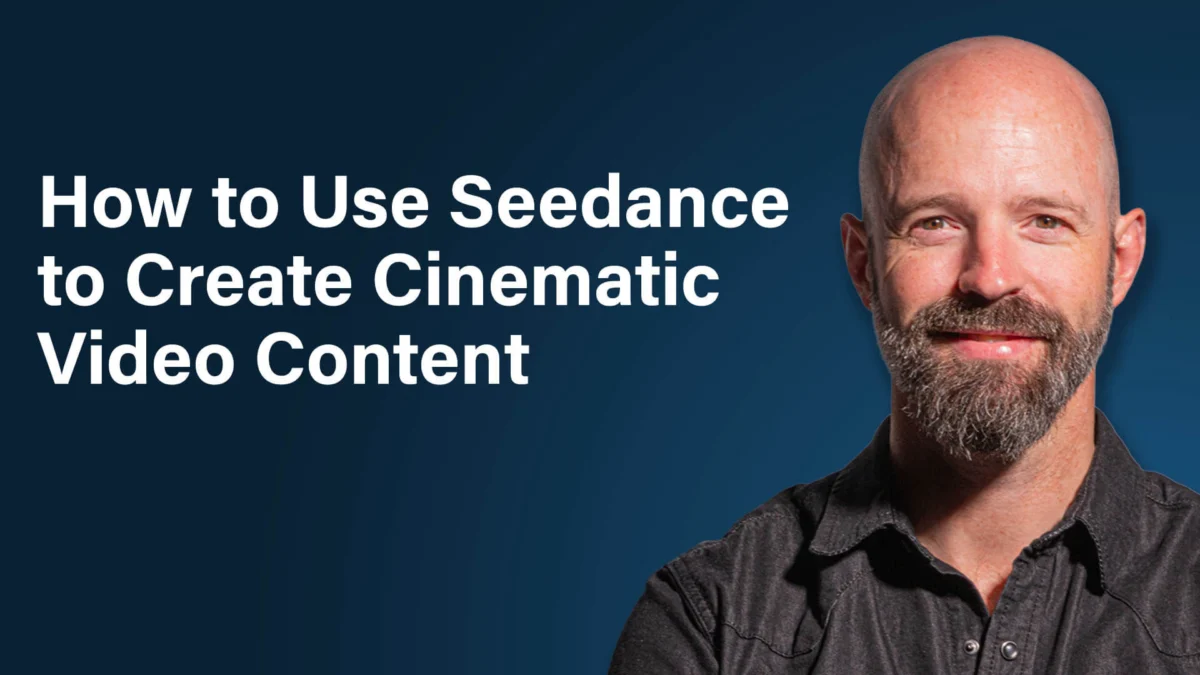
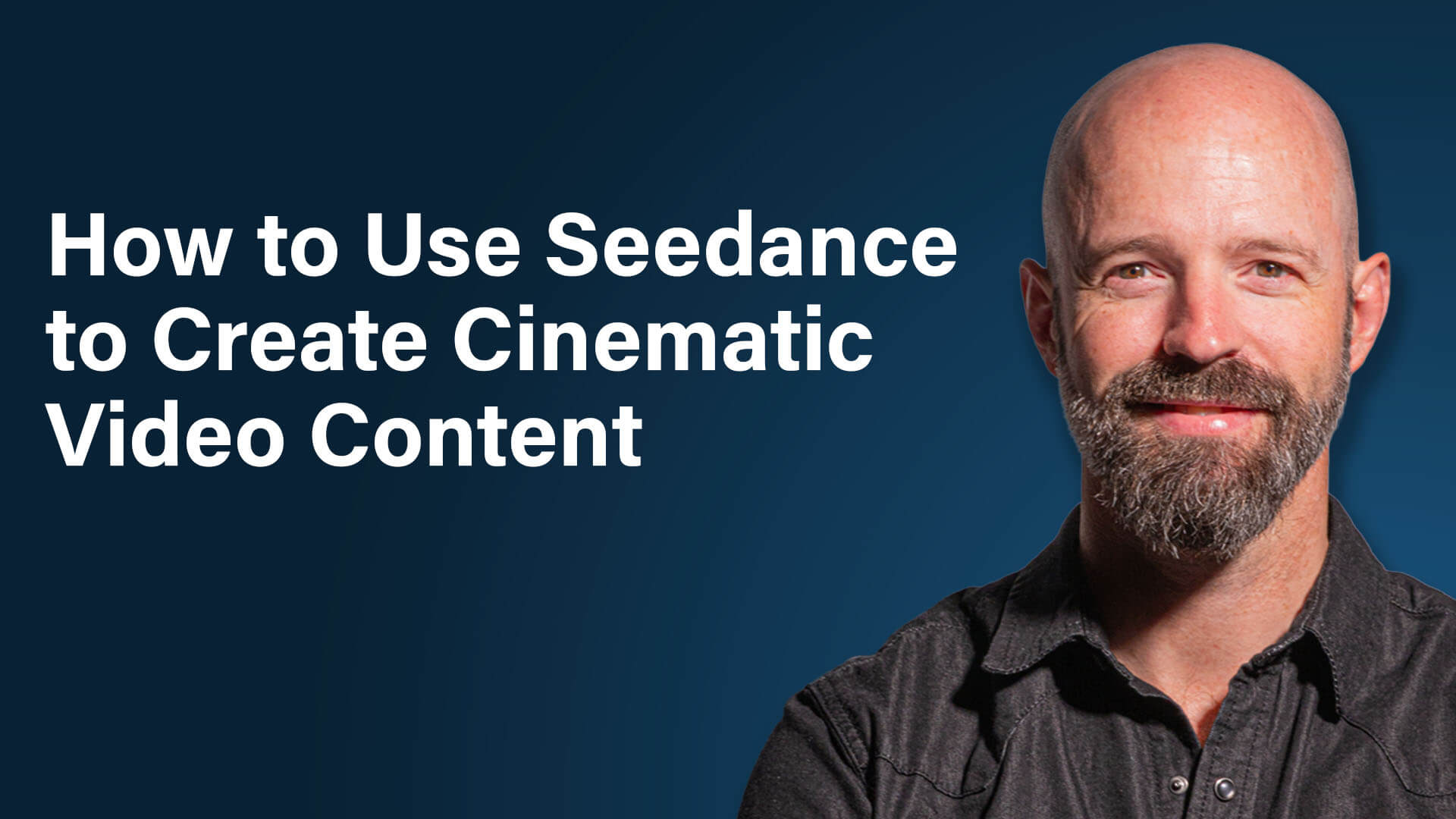
According to Ross Symons, co-founder and chief creative officer of Zen Robot, the primary misconception surrounding AI video is that "easy to make" equates to professional quality. While anyone can generate a basic clip using a simple prompt, producing intentional, cinematic footage requires a distinct technical workflow:
- Understand the Underlying Models: Creators must recognize the mechanical differences between Large Language Models (LLMs), which process text and logic, and diffusion models, which generate pixels.
- Start With a Concept, Not a Prompt: Jumping directly into a video generator without a narrative framework yields disjointed results. Creators should leverage an LLM (such as ChatGPT) to outline their story, develop character arcs, and establish visual tone before generating visual frames.
- Intentional Composition: To avoid flat, perfectly centered, generic compositions, creators can use established film directors as creative shorthand within their prompts to establish depth, emotional resonance, and dynamic camera angles.
- The Keyframe Method: To connect multiple clips into a seamless narrative sequence, creators must utilize a storyboard-first workflow, employing start and end frames alongside carefully timed prompts to maintain visual continuity and eliminate anatomical glitches.
Official Responses and Industry Announcements
Major artificial intelligence providers have introduced pivotal updates designed to streamline enterprise workflows and expand ecosystem integrations:
Anthropic
Anthropic’s release of Claude Opus 5.5 marks a major leap forward for complex professional tasks. The model delivers superior performance in software coding, computer-use automation, and deep research while simultaneously reducing operating costs and accelerating output speeds. Crucially, Anthropic has enhanced safeguards for high-risk fields such as cybersecurity and biology.
In a parallel update, Anthropic consolidated Claude’s fragmented features—including chat, Cowork, Artifacts, and design tools—into a single, cohesive interface. This update introduces collaborative document creation, slide deck generation, and direct export capabilities to PowerPoint and PDF formats, bridging the gap between desktop and mobile environments.
Meta
Meta’s expansion of its Muse AI agent to macOS represents a significant push into agentic computing. By granting Muse permission-based access to native applications such as files, notes, calendars, messages, and email, users can delegate complex, multi-step desktop tasks to the assistant. Sensitive actions require explicit user approval, balancing operational efficiency with data security.

OpenAI
OpenAI is aggressively redefining digital marketing with its latest ChatGPT Ads and AI Campaign Tools. Marketers can now build, adjust, and evaluate advertising campaigns using conversational prompts inside ChatGPT Work. Furthermore, the introduction of Sponsored Agents allows consumers to interact directly with brand-backed AI assistants directly from an ad placement, while new integrations with HubSpot and Shopify streamline lead generation and commerce tracking.
Implications for Businesses, Marketers, and Creators
The convergence of structured automation, advanced creative tooling, and deeply integrated agentic platforms signals a mature phase in the AI adoption cycle.
- From Chatbots to Autonomous Workflows: Businesses must transition away from viewing AI merely as an interactive chat partner. By adopting form-based triggers and platform-agnostic workflows—methods that survive individual tool outages or pricing shifts—organizations can build resilient operations that run independently.
- Elevated Standards for Content Creation: As tools from Anthropic, OpenAI, and specialized video studios lower the barrier to entry for high-end output, generic content will quickly lose consumer attention. Creators and marketers must master advanced methodologies—such as storyboard-driven video generation and precise contextual prompting—to maintain a competitive edge.
- The Rise of Action-Oriented Agents: With Meta bringing Muse to macOS and Anthropic expanding computer-use capabilities, the computer desktop is becoming an agentic workspace. Professionals who learn to safely delegate operational tasks to AI agents while maintaining human oversight will unlock unprecedented levels of productivity.