The digital commerce landscape is undergoing a tectonic shift. As we move deeper into 2026, the boundaries between social media, search, artificial intelligence, and physical logistics are blurring, giving rise to an era of "agentic commerce." This week’s curated industry update highlights a flurry of product launches and strategic integrations designed to streamline operations, enhance customer discovery, and redefine the transactional journey. From AI-driven livestreaming to the fusion of global logistics giants, the following developments are setting the stage for the next generation of retail.
1. Main Facts: The New Tools of the Trade
The current wave of innovation is characterized by three core themes: Hyper-Automation, Contextual Commerce, and Financial Integration. Merchants are no longer looking for standalone tools; they are seeking integrated ecosystems that connect their front-end storefronts directly to their back-end financial health.
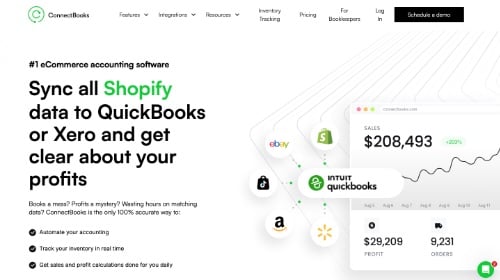
- Operational Connectivity: The integration between Ordoro and ConnectBooks marks a critical milestone for SMBs. By bridging the gap between inventory management and accounting, merchants can now achieve real-time visibility into their margins—a perennial pain point for growing ecommerce brands.
- The Rise of Agentic Commerce: Companies like Meta, Hey Savi, and RedotPay are deploying "business agents." These are not merely chatbots; they are autonomous entities capable of qualifying leads, managing catalogs, and executing payments.
- Visual Discovery: Amazon’s shift toward AI-generated imagery in its search bar represents a fundamental change in consumer behavior. Rather than relying on text-based keywords, the platform is moving toward a visual-first paradigm where intent is shaped by generative AI.
2. Chronology of Developments
June has been a high-velocity month for platform releases. The following timeline tracks the rapid succession of industry updates that have reshaped the marketplace over the past few weeks:

- Early June: The month opened with the landmark merger of WWEX Group and Auctane, creating ShipStation Global. This consolidation is arguably the most significant logistics move of the year, providing a unified framework for global shipping connectivity.
- Mid-June (Week 1): DoorDash Ads expanded its commerce media platform, signaling a shift for the delivery giant from a service provider to a high-intent advertising powerhouse. Simultaneously, Google Pay began rolling out its direct checkout features, drastically reducing friction at the point of purchase.
- Mid-June (Week 2): Kyzuvex introduced its AI-powered livestream commerce ecosystem, aiming to automate the labor-intensive process of virtual product demonstrations. This was followed by Etsy’s granular update to ad-budgeting strategies, which empowers sellers to allocate funds on a per-listing basis.
- Late June: The period concluded with specialized infrastructure launches, including TeleSuite’s ecommerce layer for Telegram, Constant Contact’s entry into the Australian SMS market, and NielsenIQ’s sophisticated Product Intelligence service.
3. Supporting Data and Technical Benchmarks
The shift toward AI is not merely aesthetic; it is backed by measurable performance gains.
Shopsense AI has set a new benchmark in the industry with its Shoppable Intelligence Model. In internal testing, the model demonstrated a 25% to 50% improvement in retrieval accuracy compared to existing industry standards like OpenAI’s CLIP and Google’s SigLIP2. This data suggests that proprietary, commerce-specific AI models are beginning to outperform generalized foundational models in the context of retail search.
Furthermore, RedotPay’s expansion into the B2B space provides compelling evidence for the utility of stablecoins. By enabling merchants to settle in local currencies while accepting stablecoin payments, the company claims to have slashed transaction fees by 70%. These efficiency gains are vital for merchants looking to scale internationally without the overhead costs traditionally associated with cross-border banking.
4. Official Responses and Industry Sentiment
The consensus among industry leaders is that we have transitioned from a "browser-based" era to an "agent-based" era.
Regarding the Meta Business Agent expansion, stakeholders have noted that the ability to automate lead qualification within WhatsApp and Instagram effectively turns social platforms into full-funnel storefronts. "We aren’t just building chat tools; we are building business representatives that never sleep," noted a spokesperson close to the Meta project.
On the logistics front, the merger of WWEX and Auctane into ShipStation Global has been met with optimism by software-focused investment firms like Thoma Bravo. The goal, according to company leadership, is to remove the "fragmentation of the global supply chain" by providing a single API that connects merchants to every major carrier worldwide, effectively democratizing access to international logistics for smaller sellers.

5. Strategic Implications for Merchants
What do these developments mean for the average ecommerce practitioner? The implications are three-fold:
The End of Manual Management
The integration of tools like Ordoro and ConnectBooks means that the "spreadsheet era" of financial management is coming to a close. Merchants who fail to automate their cost-of-goods-sold (COGS) tracking will find themselves at a severe competitive disadvantage against those with real-time financial dashboards.
The Shift to "Commerce Media"
The expansion of DoorDash Ads and Amazon’s new visual search features indicate that "product discovery" is now a premium asset. Retailers must optimize their assets not just for traditional SEO, but for AI discovery. If an AI generates a visual suggestion, your product needs to be the one that fits the "contextual" requirements of that AI.

Navigating the "Agentic" Future
The launch of Hey Savi’s agentic checkout and TeleSuite’s Telegram integration suggests that the "storefront" is no longer a URL—it is wherever the consumer happens to be. Merchants need to rethink their distribution strategy. Is your brand reachable via an AI agent? Can a customer complete a purchase within a messaging app without visiting your website? If the answer is no, you are likely missing out on the fastest-growing segment of the market.
Privacy and Data Standards
With the rise of commerce media, identity verification has become the new gold standard. The partnership between DoorDash and LiveRamp highlights the industry’s pivot toward privacy-centric measurement. Merchants must ensure their data collection practices are compliant with these new standards, as the ability to match advertiser data with platform data will become the primary driver of ad performance in the coming years.
Conclusion: Preparing for the Next Phase
The developments of June 2026 serve as a blueprint for the future of digital retail. The market is clearly favoring platforms that provide "all-in-one" utility—combining logistics, financial reporting, and customer-facing AI agents.

For the modern merchant, the path forward is clear: embrace automation, prioritize high-intent discovery channels, and prepare for a decentralized retail environment. As these tools continue to mature, the gap between traditional manual operations and the new, AI-driven standard will only widen. Those who integrate these technologies today will be the ones who lead the market tomorrow.
Got an ecommerce product release? Email [email protected] to ensure your innovations are featured in our next monthly rundown.