
The digital commerce landscape is undergoing a profound transformation this week, characterized by an aggressive pivot toward artificial intelligence, cross-border payment integration, and hyper-local fulfillment solutions. As merchants navigate an increasingly complex global market, the infrastructure supporting them is evolving to prioritize efficiency, automation, and deeper consumer engagement. From AI-driven video production to the democratization of educational resources, this report examines the latest service releases shaping the future of online retail.
I. The Current Landscape: Key Innovations in Merchant Services
This week’s updates reflect a clear trend: the removal of technical and financial barriers to entry. Whether it is a small business owner looking to create viral social content or an enterprise-level merchant seeking to automate complex global tax compliance, the new suite of tools released this week provides actionable pathways for growth.
AI-Powered Content Creation
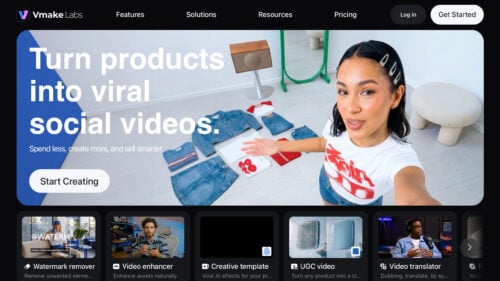
Two significant players—PixPix and Vmake Labs—have introduced solutions aimed at slashing video production costs. PixPix is targeting high-end campaign consistency, allowing brands to clone the visual style and pacing of existing successful videos. Meanwhile, Vmake Labs is leaning into the "Brainrot" marketing trend, providing small businesses with the tools to turn static product images into the chaotic, high-energy content currently dominating social media algorithms.

Payment and Compliance Infrastructure
The complexity of international selling remains a major friction point. Shift4 has introduced an all-in-one POS platform across Europe that integrates tax-free shopping, while Payfuture has streamlined local payment connectivity for Shopify merchants in India. Complementing these financial tools, Kintsugi has deepened its integration with Shopline, offering a sophisticated, automated approach to tax compliance that manages nexus monitoring and real-time filings.
II. Chronological Development of Services (July 2026)
The following timeline details the rapid succession of product launches and strategic partnerships announced during this week:
- July 6: Eaton Hudson announces its dedicated E-Commerce Liquidation Division to assist brands in recovering value from distressed assets and excess inventory.
- July 7: Payfuture launches its local payments integration for Shopify merchants in India, facilitating access to Unified Payments Interface (UPI) and NetBanking.
- July 8: Robust AI and ShipLab initiate the deployment of mobile warehouse robots in Vista, California, aiming to automate tote transport and picking operations.
- July 10: Vmake Labs releases its "Brainrot" video styles, enabling businesses to generate viral-ready content from simple product photography.
- July 14: Shift4, in partnership with Global Blue, launches its "One" platform across several European markets to centralize payments and tax-free shopping.
- Mid-Week: Klaviyo introduces social media marketing features to its CRM, enabling brands to convert followers into first-party data subscribers.
- Late Week: Akeneo unveils "Agentic Ziggy," a PIM (Product Information Management) evolution that utilizes AI agents for data governance.
III. Supporting Data and Industry Context
The influx of capital into sectors like "recommerce" and AI automation suggests a shift in investor sentiment toward high-utility platforms. The $25 million funding round secured by Fleek is a case in point. By focusing on AI-powered sorting for secondhand fashion, Fleek is positioning itself to capture a larger share of the circular economy. The participation of eBay and Burda Principal Investments highlights the strategic importance of this sector to legacy ecommerce giants.

Furthermore, the expansion of Amazon’s Seller University to the general public represents a significant shift in "ecosystem-as-a-service" thinking. By providing high-level educational content without requiring a seller account, Amazon is effectively setting the industry standard for logistics and listing best practices, thereby ensuring that new market entrants are primed to use their infrastructure from day one.
IV. Official Perspectives and Corporate Strategy
The underlying logic behind these releases is the pursuit of "unified commerce."
On Automation:
Akeneo’s introduction of agentic workflows signifies that the era of manual data entry in PIM systems is closing. By allowing AI agents to perform schema mapping and data enrichment, Akeneo is addressing the massive scalability issues faced by merchants with thousands of SKUs. "Product data is the foundation of the digital shelf," notes industry analysts, "and automating the governance of that data is the next frontier of operational efficiency."
On Localized Commerce:
The partnership between Wix and Elavon, and the launch of Deal Chief by MyCommunityToday, underscore the importance of the "local" experience. As consumers continue to demand immediate, personalized, and location-aware services, platforms are rushing to provide small businesses with the digital agility usually reserved for large, tech-forward retailers. MyCommunityToday’s Deal Chief acts as a bridge, bringing neighborhood businesses into the automated lead-generation ecosystem.
V. Strategic Implications for Merchants
For the modern ecommerce manager, these developments offer both opportunities and a new set of responsibilities.
1. The Death of Siloed Marketing
With Klaviyo’s new social-to-CRM bridge, the wall between social engagement and email/SMS marketing has effectively crumbled. Merchants can no longer afford to treat social media as a brand-awareness channel alone. The ability to capture WhatsApp or email consent directly from a social auto-reply is a potent tool for building a proprietary audience that is resilient to algorithm changes.

2. Operational Resilience
The deployment of robotics at ShipLab and the liquidation services from Eaton Hudson point to a broader concern: operational fluidity. Whether it is managing the inflow of goods through automated warehouse robots or the outflow of excess inventory through a professional liquidation firm, merchants are being forced to think about the "lifecycle of the item" with greater precision.
3. The Compliance-as-a-Service Mandate
Tax laws are becoming increasingly granular and local. The integration of Kintsugi into the Shopline platform is a bellwether for the industry. Merchants can no longer rely on manual calculations or simple percentage-based tax tools. Automated, nexus-aware compliance is becoming a prerequisite for operating across borders, particularly in the European market where tax regulations are notoriously complex.
4. Creative Production at Scale
The democratization of AI video production through PixPix and Vmake Labs means that the "quality floor" for product content has risen. Brands that continue to rely on static, low-quality imagery will find themselves at a distinct disadvantage compared to competitors who use AI to rapidly iterate on video advertising campaigns. The ability to "recreate" a style means that brands can now A/B test the emotional resonance of their video assets as easily as they test ad copy.

Conclusion
The evolution of these services suggests that we are moving into a phase of ecommerce characterized by autonomous operations. From the way products are described and enriched (Akeneo) to how they are sold (Shift4/Wix), marketed (Klaviyo), and even liquidated (Eaton Hudson), the manual friction that has defined the last decade of online retail is being systematically removed.
Merchants who choose to adopt these integrated, AI-centric tools will likely find themselves with a leaner, more responsive operation. Conversely, those who ignore the shift toward unified, agentic platforms may find the cost of manual operation increasingly unsustainable. The takeaway for the remainder of 2026 is clear: integration is no longer a luxury; it is the fundamental architecture of modern retail success.