In the rapidly evolving landscape of Indian retail, the definition of "convenience" is being rewritten by the minute. As the nation transitions from traditional e-commerce to a high-velocity delivery model, the battle for dominance has shifted from massive centralized warehouses to a sprawling, decentralized network of micro-fulfillment centers.
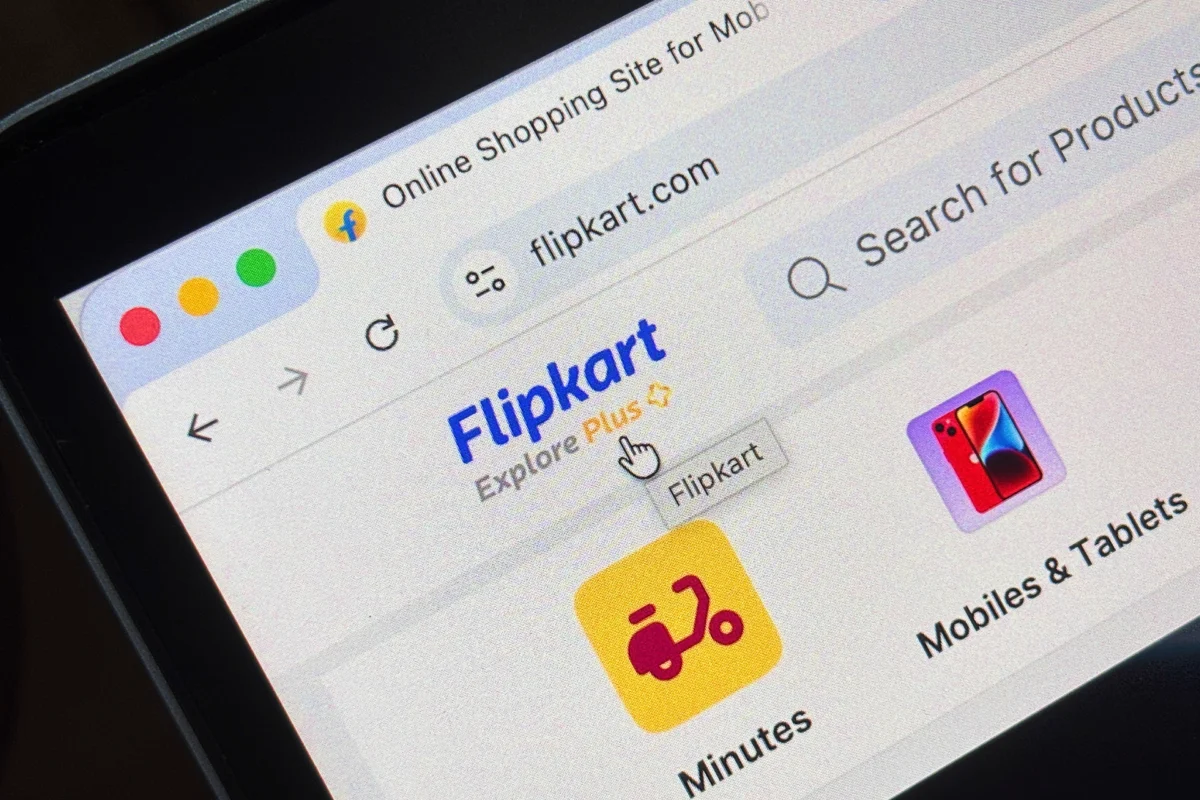
Walmart-backed Flipkart recently announced a significant milestone: its "Minutes" service has successfully established a network of 1,000 micro-fulfillment centers in less than two years. This aggressive expansion marks a pivotal moment in the industry, signaling that India is no longer just a market for e-commerce, but the global epicenter for the quick-commerce revolution. As tech giants like Amazon and established players like Blinkit and Zepto scramble to build out their own infrastructure, the race to own the "last mile" has become the most fiercely contested terrain in Indian business.
The Strategic Shift: From Groceries to Everything
What began as a localized experiment to deliver milk, bread, and eggs in under 10 minutes has morphed into a comprehensive retail platform. For the modern Indian consumer, the "Quick Commerce" (Q-commerce) sector is no longer an occasional convenience—it is a lifestyle.
Kunal Gupta, head of Flipkart Minutes, notes that the platform is witnessing a fundamental change in consumer behavior. "What began as a way to fulfill everyday essentials has evolved into a fundamentally new shopping habit for millions of Indians," Gupta stated. "Customers are not just ordering more; they are ordering differently."
Data from the company reveals that the demand profile has shifted significantly. While groceries remain a core anchor, there has been a surge in high-value categories, including consumer electronics, beauty, and personal care products. This diversification is critical. By moving beyond low-margin perishables into higher-margin retail categories, Flipkart and its rivals are attempting to build a sustainable economic model for what was once considered a prohibitively expensive logistics strategy.
Chronology of a Market Explosion
The ascent of quick commerce in India has been nothing short of meteoric. To understand the current arms race, one must look at the timeline of this rapid-fire development:
- Pre-2024: The market was dominated by early movers like Blinkit and Zepto, who popularized the "dark store" model, proving that sub-20-minute delivery was logistically possible in dense urban centers.
- August 2024: Flipkart formally launched its entry into the fray with "Flipkart Minutes," aiming to bridge the gap between its traditional marketplace and the growing demand for instant delivery.
- Late 2024–Early 2025: The sector saw an influx of capital and infrastructure. Amazon, sensing a shift in consumer loyalty, began aggressively rolling out "Amazon Now," its dedicated rapid-delivery infrastructure.
- Present Day (2026): The market has hit an inflection point. With over 5,500 dark stores operational across the country, the competition has moved from "who can launch" to "who can scale." Flipkart’s announcement of 1,000 centers in under 24 months represents the fastest infrastructure buildout in the company’s history.
Supporting Data: The Scale of the War
The numbers behind the expansion are staggering. According to a recent note by Jefferies, the density of these micro-fulfillment networks is the primary KPI (Key Performance Indicator) for success.
The Network Breakdown:
- Blinkit: Currently holds the lead with approximately 2,243 centers.
- Flipkart Minutes: Has reached the 1,000-center milestone and has publicly committed to hitting 1,500 by the end of 2026.
- Amazon Now: Operates over 500 centers, with an ambitious roadmap to reach 1,000 centers across 100 cities in the near future.
The growth is not limited to India’s Tier-1 metropolitan hubs. Flipkart reported that growth in smaller, Tier-2 and Tier-3 cities has surged by over 4,000% year-over-year. This expansion into secondary markets is facilitated by the rapid maturation of these cities. Kunal Gupta highlighted that cities like Patna, Guwahati, and Siliguri are seeing store performance metrics that rival established metros, with Lucknow emerging as a flagship success story despite only partial geographic coverage.
Amazon’s data corroborates this geographic shift. The company reports that 70% of its new Prime members are originating from smaller markets, suggesting that the "quick commerce" habit is a key driver for customer acquisition outside the major capitals.
Official Responses and Strategic Outlook
The executives at the helm of these platforms are not shy about their intentions. For Flipkart, the mantra is "all in."
"We will continue to expand rapidly, will not slow down after 1,000 stores as well, and we are going all in," Gupta told TechCrunch. He emphasizes that Flipkart Minutes is not designed to cannibalize the main Flipkart e-commerce platform. Instead, the two are working in tandem: the main platform handles long-tail, high-variety goods, while Minutes provides the frequency and immediacy that builds long-term brand loyalty.
Amazon, for its part, is leveraging its massive existing supply chain to pivot into the rapid-delivery space. By integrating "Amazon Now" into the broader Prime ecosystem, the company is using its logistical prowess to ensure that "everyday essentials"—which now account for one in every two units shipped—remain a recurring revenue stream.
Implications: The Future of Indian Retail
The implications of this massive infrastructure investment are profound for both the economy and the consumer.
1. The Death of the Traditional Neighborhood Store?
As these networks expand to 7,500 dark stores by 2030 (as estimated by Bernstein), traditional brick-and-mortar retailers face an existential threat. The sheer convenience of receiving a product within 10–15 minutes is a powerful deterrent to the traditional "trip to the store."
2. The Rise of the "Dark Store" Economy
The real estate sector is witnessing a shift as well. Commercial space in residential neighborhoods is being repurposed into high-tech, small-footprint warehouses. This "dark store" model is highly efficient, but it requires a constant flow of labor and sophisticated AI-driven inventory management to ensure that popular items are always in stock at the local level.
3. Sustainability and Economic Viability
The primary question lingering over the industry is profitability. Delivering single items of low value within minutes is inherently expensive. To survive, companies must increase the "average order value" (AOV). We are already seeing this: Flipkart noted that AOV for fresh produce has risen 30% year-over-year, and the push into electronics and apparel is a deliberate strategy to ensure that the cost of delivery does not outweigh the profit margin of the goods sold.
4. Consumer Habits and Retention
The "stickiness" of these platforms is increasing. Flipkart reports a 20% year-over-year increase in customer retention. This indicates that once a user starts using a quick-commerce app, they become highly habitual. The competition is no longer just about getting the first order; it is about owning the "top-of-mind" share for every household need.
Conclusion: A New Era of Logistics
The competition between Flipkart, Amazon, Blinkit, and others is turning India into a living laboratory for the future of global retail. With the pace of expansion currently set at 75 to 100 new micro-fulfillment centers per month for Flipkart alone, the infrastructure is moving at a velocity that few other nations have ever matched.
As these platforms continue to blur the lines between grocery delivery and general retail, the Indian consumer is the ultimate beneficiary. However, the true test will be the next three years. As the market saturates and the race to 1,500, 2,000, and eventually 3,000 stores continues, only those who can master the balance of rapid logistics, product variety, and unit economics will remain standing. For now, the message from the industry is clear: the age of the "quick" economy is not just here—it is just getting started.