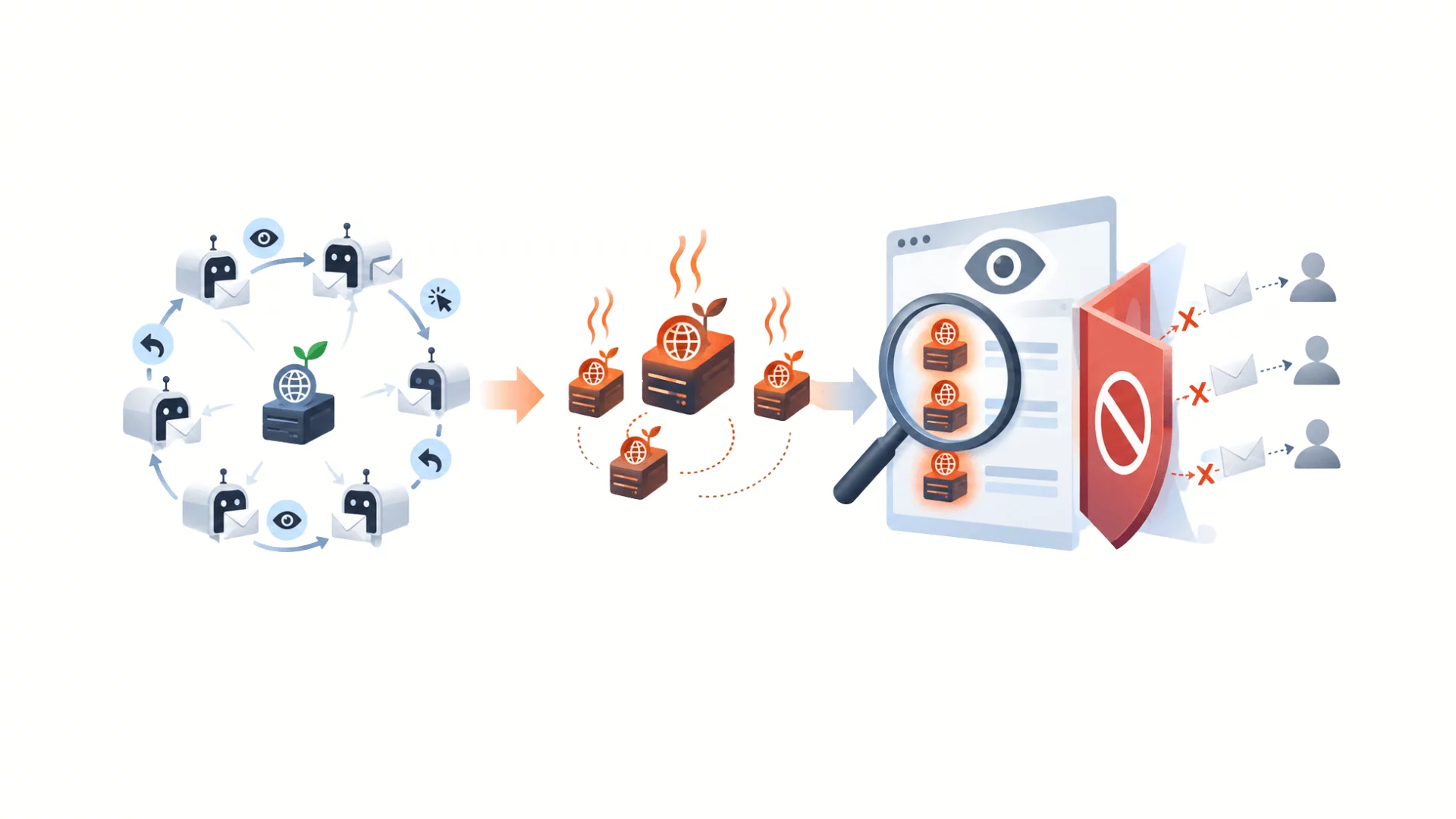
This spring, a flurry of regulatory activity from European data protection authorities has sent shockwaves through the digital marketing industry. Within the span of a few weeks, three distinct, high-impact moves were announced. For many organizations, the temptation is to view these developments as a single, coordinated "assault" on email tracking pixels. However, this interpretation is not only inaccurate—it is dangerous.
Confusing these separate regulatory paths could lead to missed deadlines and non-compliance. While the European Data Protection Board (EDPB) is indeed prioritizing transparency, the specific measures taken by France and Italy represent a targeted shift in how tracking pixels are governed. Understanding the nuance between broad transparency audits and technical pixel mandates is no longer optional; it is a prerequisite for maintaining operational continuity in the EU market.
The Chronology of Compliance: A Spring of Regulatory Shifts
To navigate these changes, one must separate the general enforcement actions from the specific, technology-driven mandates. The timeline of events reveals two distinct regulatory strategies unfolding simultaneously.
The EDPB’s Transparency Sweep (19 March)
On 19 March, the European Data Protection Board launched its "Coordinated Enforcement Framework" (CEF) for 2026. This initiative involves 25 national data protection authorities (DPAs) committed to auditing organizational compliance with Articles 12, 13, and 14 of the GDPR—the fundamental transparency and information obligations.
Unlike the media narrative suggests, this is not an "anti-pixel" campaign. It is a sector-agnostic review of privacy notices across HR, recruitment, healthcare, and ad-tech. While 32 authorities participated in last year’s erasure-focused action, this year’s transparency sweep has 25 participants. This is a broad, structural audit of how entities communicate their data processing activities to the public.
The Pixel-Specific Mandates: Paris and Rome
While the EDPB sweep looms in the background, the real pressure on email marketers comes from specific actions taken by the French and Italian regulators:
- 12 March: The French CNIL adopts a recommendation on email tracking pixels (Deliberation 2026-042).
- 14 April: Publication of the CNIL recommendation.
- 17 April: Italy’s Garante issues Provision 284.
- 29 April: Publication of the Italian measure in the official gazette.
These two measures share a common legal foundation: the EDPB’s Guidelines 2/2023. These guidelines explicitly state that loading a pixel constitutes "gaining access to a recipient’s device" under Article 5(3) of the ePrivacy Directive. In regulatory terms, the tracking pixel has officially been stripped of its "invisible tool" status and is now governed by the same strict rules as cookies.
Supporting Data: Understanding the "Pixel as a Cookie" Framework
The regulatory shift is predicated on a fundamental change in classification. By treating a pixel as an access point to a user’s device, regulators are stripping away the "legitimate interest" defense that many marketers have relied upon for years.
The Death of "Security-Only" Exemptions
A common point of contention is the use of pixels for fraud detection. Many organizations have traditionally filed fraud prevention under "strictly necessary" processing. The French CNIL has explicitly rejected this, placing the detection of bot-like behavior or mass-openings squarely into the "consent-required" bucket. The only narrow exception granted is for pixels confirming that an email containing a login code was opened on a known, user-authorized device.
The Impact on B2B Opt-Out Models
Perhaps the most disruptive change is the decoupling of email consent from pixel consent. Under the current interpretation, even if a brand is legally allowed to send a cold B2B email under an opt-out model, the tracking pixel embedded within that email requires its own, separate consent. This effectively guts the long-standing practice of tracking engagement in cold-outreach campaigns without explicit permission.
Comparative Approaches: France vs. Italy
While both nations are aligned, their enforcement styles differ:
- France (CNIL): Takes a hardline approach. Prior consent is mandatory for campaign performance tracking, cross-channel profiling, and fraud detection.
- Italy (Garante): Offers slightly more flexibility. The Garante allows for the bundling of pixel consent with general marketing consent, provided the language is neutral. They also permit an exemption for anonymized, aggregate statistics—a concession not found in the French framework. Furthermore, Italy demands granular withdrawal, allowing users to opt out of tracking while continuing to receive marketing content.
Official Responses and Regulatory Expectations
Regulators are not acting in a vacuum. The Italian Garante’s recent measures were informed by intensive inspections of email service providers (ESPs) and marketing automation platforms throughout late 2025 and early 2026. They discovered that tracking pixels were being deployed in virtually every outbound message, regardless of the sender’s stated privacy policy.
The "Name Your ESP" Debate
A frequent question among marketing professionals is whether they must now explicitly name their ESPs (e.g., Mailchimp, HubSpot, Klaviyo) in their privacy policies. While there is no blanket requirement to list every vendor, the regulatory environment is hardening against vague terminology. The "trusted third-party partners" boilerplate is now widely considered indefensible. If a vendor processes pixel data for its own purposes—thereby acting as a joint controller under Article 26 of the GDPR—they must be identified.
Strategic Implications: What You Must Do Now
For the sending professional, the regulatory landscape has moved from "theoretical risk" to "immediate deadline management."
1. Audit and Inventory
Begin by mapping every email type and every pixel currently deployed. Identify which sends currently rely on valid, documented consent and which rely on outdated "legitimate interest" claims.
2. Revise the Point of Collection
Both French and Italian regulators are clear: consent must be captured at the point of collection. Your sign-up forms must be updated to ensure that silence is treated as a refusal and that the user is explicitly opting in to both the receipt of emails and the use of tracking technologies.
3. Update Privacy Documentation
Revise your privacy policy to clearly outline:
- The specific data collected by the pixel.
- The legal basis for that collection.
- The data retention period.
- The identity of any third-party processors that act as joint controllers.
4. Separate Opt-Outs
You must provide a tracking opt-out mechanism that is distinct from the general "unsubscribe" link. If a user chooses to opt out of tracking, your technical infrastructure must be able to honor that request while still allowing them to receive the requested communications.
5. Establish Proof of Consent
Do not rely solely on contractual assurances from your ESP. Regulators require evidence of per-individual consent. Ensure your database can produce an audit trail of when, where, and how consent was granted for every active subscriber.
Conclusion: The Storm is Already Here
It is easy to become paralyzed by the volume of regulatory news coming out of Brussels, Paris, and Rome. However, the distinction is clear: the EDPB’s transparency sweep is the "weather"—a long-term shift in the regulatory climate that requires broader organizational compliance. The pixel-specific rules, however, are the "storm already sitting over your house."
With the French deadline of 14 July fast approaching for existing contacts and the Italian deadline of late October following closely behind, the time for "wait and see" has passed. For companies sending to both markets, the French deadline effectively sets the pace. Organizations that act now to separate their consent flows and tighten their data disclosures will not only satisfy regulators but will also build a more transparent, trust-based relationship with their subscribers. The era of the invisible, consent-free tracking pixel is over; the era of granular, informed engagement has begun.