In the modern digital landscape, the traditional image of the entrepreneur—a warehouse filled with pallets, a frantic shipping department, and the constant overhead of inventory management—is undergoing a radical transformation. Enter "Ghost Commerce," a business model that is rapidly becoming the gold standard for lean, agile startups.
By definition, ghost commerce refers to the practice of operating an online storefront that possesses no physical presence, no warehousing, and no direct inventory control. It is the art of selling without the "stuff." For the aspiring entrepreneur, it represents the removal of the most significant barriers to entry in the history of retail.
The Anatomy of the Ghost Commerce Model
At its core, ghost commerce is an evolution of dropshipping and affiliate marketing, refined by modern automation and digital branding. In this model, the "ghost" entrepreneur acts as the curator and the brand architect, while the heavy lifting—manufacturing, warehousing, and logistics—is outsourced to third-party partners.
The Mechanics of the Model
The chronology of a ghost commerce transaction is seamless and largely invisible to the end user:

- Curated Selection: The entrepreneur identifies a trending product or service manufactured by a reputable third party.
- Branding and Marketing: Through a high-conversion digital storefront, the entrepreneur builds a narrative around the product, establishing authority and trust.
- The Invisible Hand-off: When a customer places an order, the transaction is automatically routed to the supplier via integrated software.
- Fulfillment: The supplier picks, packs, and ships the product directly to the customer, often with white-label packaging that bears the entrepreneur’s brand.
- The Margin: The entrepreneur keeps the difference between the retail price set on their site and the wholesale cost paid to the supplier.
Supporting Data: Why the Shift is Occurring
The rise of ghost commerce is not a coincidence; it is a response to the shifting economics of global trade. According to recent market analysis, the global dropshipping market is expected to reach unprecedented valuations by 2030, driven largely by the proliferation of e-commerce platforms like Shopify and the democratization of digital marketing tools.
Data suggests that for small-to-medium enterprises (SMEs), inventory-heavy models carry a failure rate significantly higher than lean models. The primary culprit? Working capital tie-up. When an entrepreneur invests $50,000 in inventory, that liquidity is trapped until the final unit is sold. In contrast, a ghost commerce model allows for the reallocation of that capital toward customer acquisition, search engine optimization (SEO), and conversion rate optimization (CRO), which are the true engines of scalable growth.
The Strategic Advantages
The appeal of the ghost commerce model lies in its agility. In a traditional brick-and-mortar or inventory-heavy e-commerce setup, pivoting to a new product line can take months.
- Agility and Market Responsiveness: A ghost commerce store can rotate its product catalog in hours. If a specific trend spikes on TikTok or Instagram, an entrepreneur can source a partner and list the product before the competition has even finished their market research.
- Minimal Overhead: By eliminating the costs of warehousing, insurance, and long-term storage, the "burn rate" of a ghost commerce business is exceptionally low, allowing for a longer runway to achieve profitability.
- Passive Scalability: Through automation, order processing can be handled without human intervention, allowing the founder to focus on brand building and high-level strategy rather than day-to-day logistics.
The Counter-Perspective: Risks and Realities
While the concept sounds like the "holy grail" of entrepreneurship, industry experts emphasize that it is not without its perils. The lack of control is the most significant trade-off.
The Quality Control Dilemma
When you do not handle the product, you cannot guarantee the quality. If a supplier experiences a decline in manufacturing standards or a shipping delay, the "ghost" entrepreneur is the one who bears the brunt of the customer’s frustration. Negative reviews are permanent, and in the digital age, a single wave of poor feedback can shutter an online store.
The Margin Compression Trap
Because you are effectively a middleman, your profit margins are naturally thinner than those of the manufacturer. This necessitates a high volume of sales to achieve significant profit. Consequently, the ghost commerce model is not a "get rich quick" scheme; it is a game of scale and brand loyalty.
Implementing the Model: A Professional Roadmap
For those ready to launch, success depends on moving beyond the "generalist" trap.
1. The Power of the Niche
The era of the "everything store" is over for independent startups. To survive, you must become a specialist. By focusing on a specific niche—such as sustainable home office equipment or high-performance cycling gear—you can position yourself as an authority. This allows you to command higher prices and foster the word-of-mouth growth that is essential for long-term sustainability.
2. The SEO Philosophy
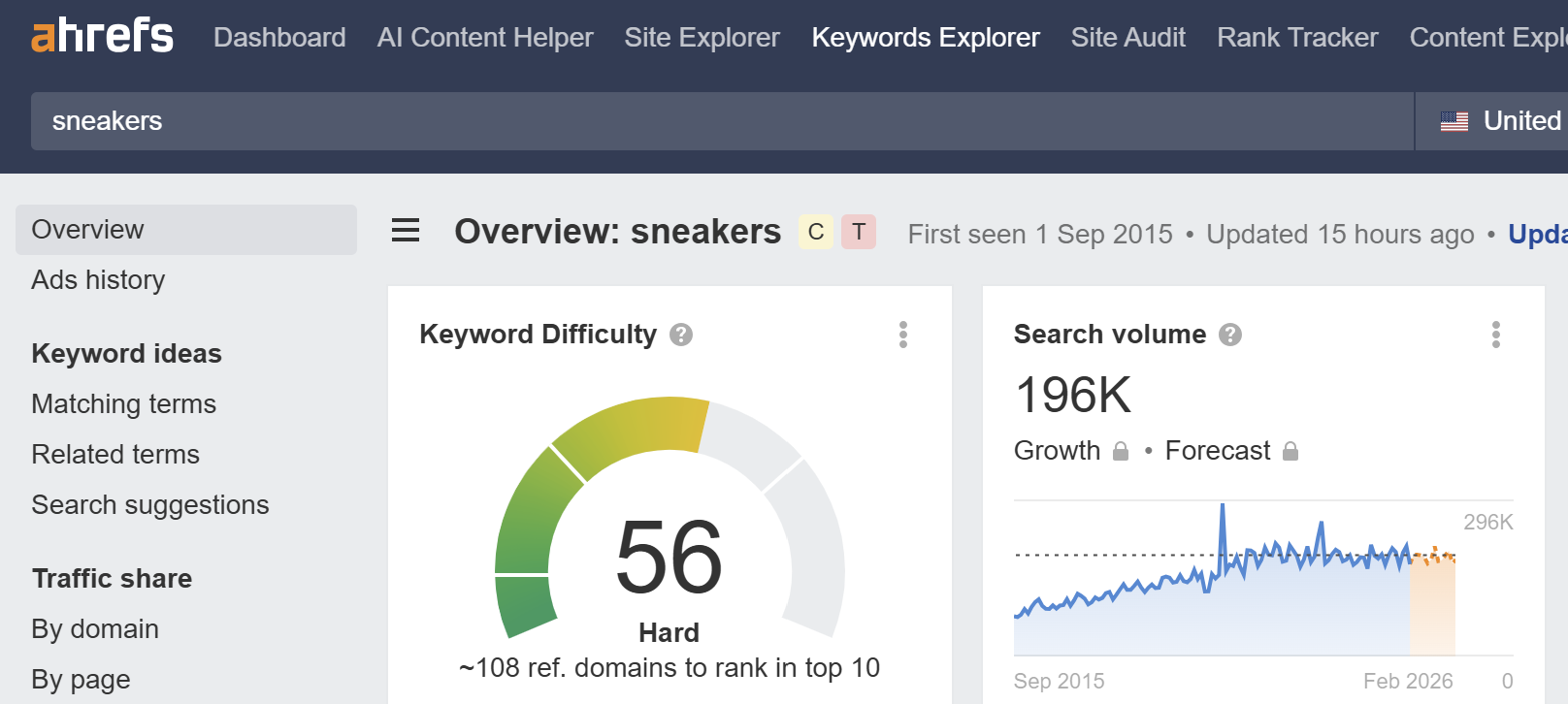
A ghost commerce site is essentially a content machine. If you rely solely on paid advertising, your margins will vanish. You must invest in SEO to capture "intent-based" traffic.
- Avoid Head Terms: Do not try to rank for "sneakers." The competition is too high, and the conversion intent is too low.
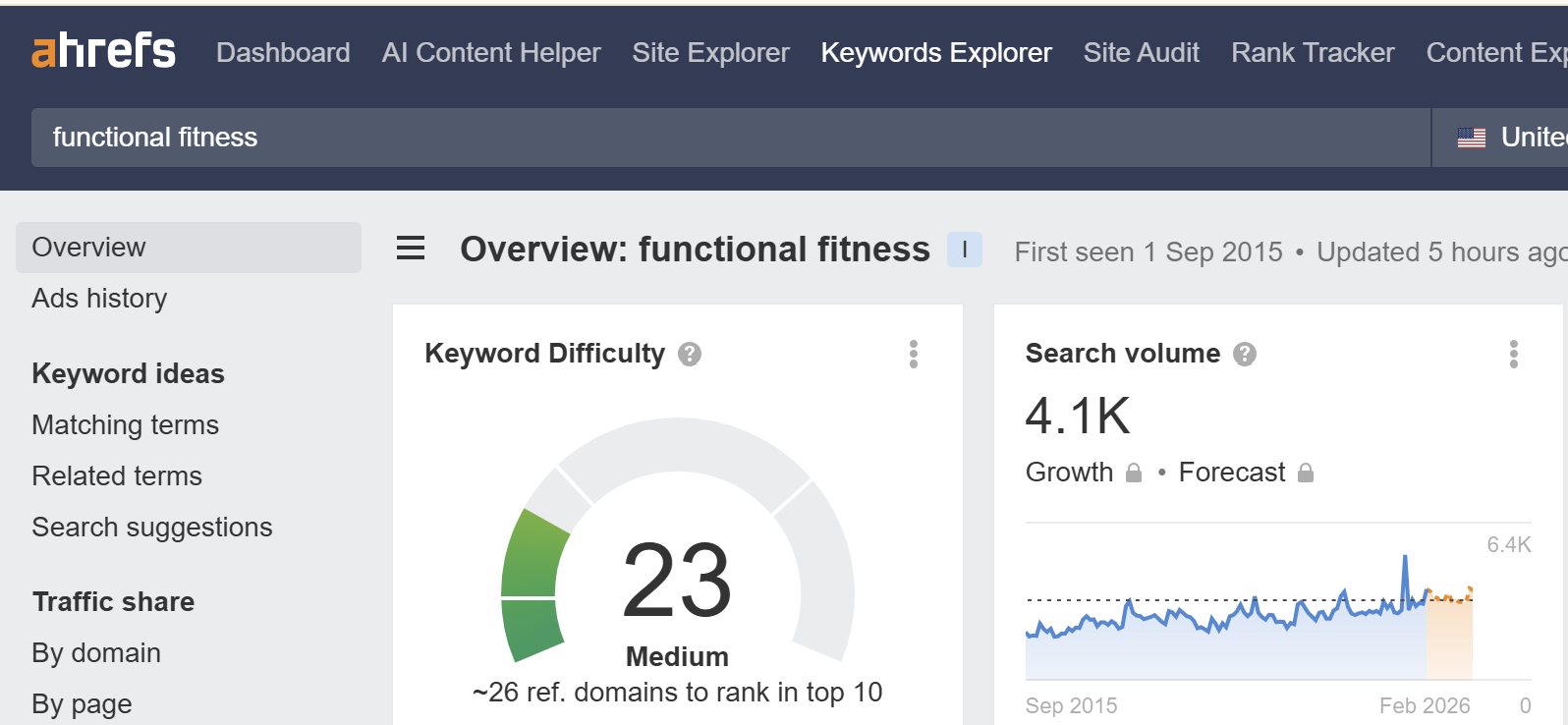
- Target Long-Tail Keywords: Focus on specific search queries like "ergonomic shoes for standing desks." The search volume is lower, but the conversion rate will be exponentially higher.
3. Vetting the Partners
Treat your suppliers as your most important business partners. Request samples, audit their shipping times, and test their customer service response times before officially launching. If they cannot meet your standards, move on. Your brand reputation is your only real asset in this business model.
Implications for the Future of Retail
The rise of ghost commerce signals a shift in the definition of "retailer." The modern retailer is becoming less of a warehouse operator and more of a digital media company. The brands that succeed in the next decade will be those that excel at storytelling, community building, and user experience.
The barrier to entry has never been lower, but the barrier to success has shifted. It is no longer about who can afford the most inventory; it is about who can build the most trust.
Frequently Asked Questions
Q: Can I build a sustainable brand without ever touching the product?
A: Yes, but it requires rigorous quality control processes. Many successful ghost commerce entrepreneurs use "mystery shopper" services to periodically order their own products to ensure the customer experience meets their standards.
Q: Is ghost commerce just a fancy term for dropshipping?
A: While they share the same DNA, ghost commerce emphasizes the "brand-first" approach. Dropshipping is often associated with low-quality, fleeting products. Ghost commerce, when done correctly, involves building a legitimate, long-term brand identity around the curated products.
Q: How do I handle customer returns?
A: This is the most challenging aspect of the model. You must negotiate a clear return policy with your suppliers before you begin. Some suppliers will handle returns directly, while others will require you to facilitate the process. Clarity in your Terms of Service is non-negotiable.
Conclusion: The First Step
The ghost commerce model is one of the most low-risk, high-reward ways to enter the e-commerce space. However, navigating the complexities of supplier relations, SEO, and brand positioning requires education.
Platforms like Foundr+ provide the necessary frameworks to navigate this landscape. With access to expert-led courses on everything from supplier sourcing to advanced digital marketing, you can shorten the learning curve significantly. In an industry where speed and precision are the primary advantages, investing in your own education is the best way to ensure your ghost commerce business doesn’t remain a ghost for long.
Start building your digital footprint today—the market is waiting.