The global WordPress ecosystem stands at a critical historical juncture. Five years after the COVID-19 pandemic abruptly halted in-person gatherings, community organizers, developers, and agency veterans are confronting a transformed social landscape. While open-source software continues to power over 40% of the web, the localized human networks that traditionally drove its growth are struggling to recapture their pre-2020 scale.
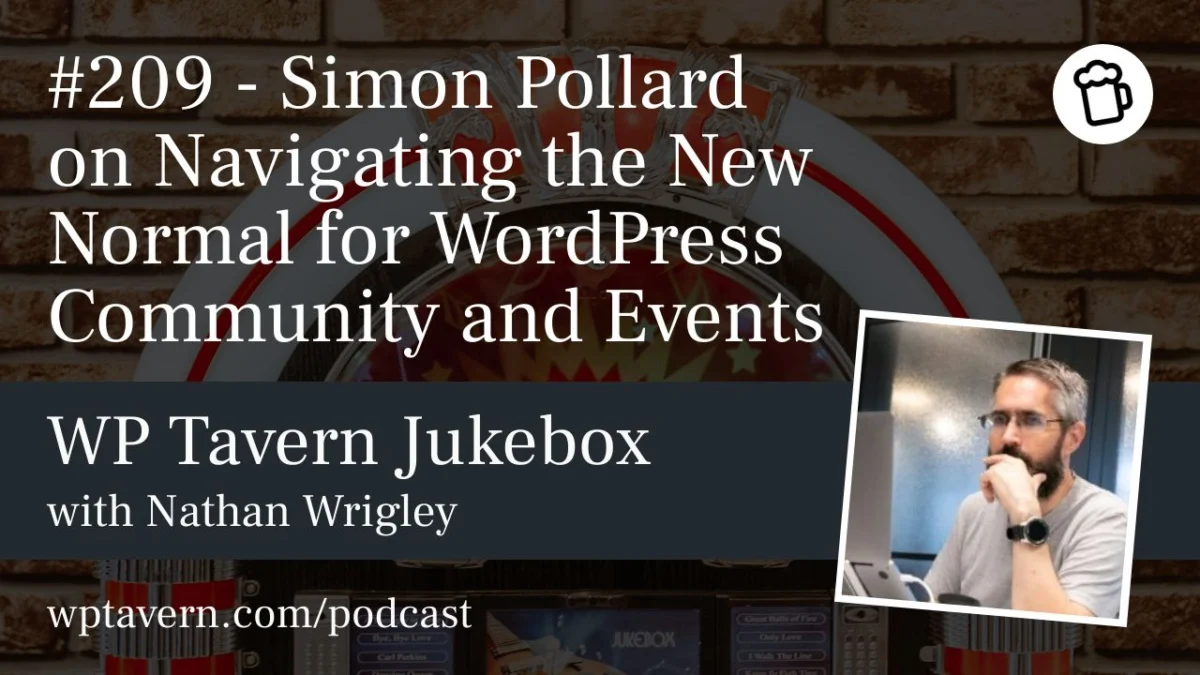
This tension between digital ubiquity and localized isolation forms the core of a recent episode of the Jukebox Podcast from WP Tavern, hosted by Nathan Wrigley. In a candid and wide-ranging conversation with Simon Pollard—a senior developer at Illustrate Digital and longtime organizer of the Bristol WordPress Meetup—the discussion dives deep into the realities of rebuilding community, the fracturing of social media, and what it takes to get people back into the same room.
Main Facts: The State of WordPress Meetups Today
The modern WordPress community is navigating an era defined by smaller event sizes, altered social habits, and a complete decentralization of online communication channels.
- The Scale Shift: Pre-pandemic meetups in major UK hubs like Bristol routinely drew 30 to 40 regular attendees, complete with corporate sponsorships, dedicated bank accounts, and thriving speaker rosters. Today, while events are returning, attendance numbers are noticeably leaner.
- The Social Media Fragmentation: Platforms like Twitter (now X), which once served as the central town square for tech communities, have fractured. Users have scattered across alternative networks or abandoned public social media altogether, making digital outreach significantly harder for grassroots organizers.
- The AI Shift in Problem-Solving: Historically, developers relied on platforms like Stack Overflow or direct community mentorship to resolve coding roadblocks. The rise of AI coding assistants has individualized the learning process, potentially reducing the organic touchpoints that once drove professionals into community spaces.
- The Human Element: Despite digital advancements, in-person meetups continue to provide irreplaceable value—fostering cross-company collaboration, peer mentorship, and a welcoming atmosphere unique to the open-source software sector.
Chronology: From Pub Chats to Pandemic Pause and Rebirth
The evolution of the Bristol WordPress Meetup mirrors the broader trajectory of the global WordPress community over the past decade and a half.
1. The Grassroots Beginnings
Long before managing enterprise-level builds at Illustrate Digital, Simon Pollard was part of a casual six-person gathering in a Devon pub. Initiated by a developer named Henry, these early meetups were informal brainstorming sessions where local practitioners sat around a table to trade troubleshooting tips and project ideas.
2. Professionalization and Growth
As word spread, the meetup outgrew its casual pub setting. The organizing team expanded to six or seven dedicated members, incorporating project management tools like Trello boards. Guidance from community leaders such as Jenny Wong (Human Made) helped the group secure official backing from the WordPress Foundation. This official status unlocked crucial funding for venues, while corporate sponsorships covered catering—a proven catalyst for drawing crowds. By late 2019, the Bristol meetup was a polished, monthly fixture pulling in dozens of attendees.
3. The 2020 Halt
The arrival of COVID-19 in early 2020 brought immediate disruption. Facing immense pressure from full-time workloads, shifting family dynamics, and a general lack of appetite for virtual video conferences, local organizers pushed pause. What was expected to be a temporary break stretched into a multi-year hiatus for many core organizers, including Pollard, who welcomed a new child during the lockdown years.
4. The 2024–2026 Resurgence
Slowly, organically, the community began to stir back to life. Original organizers, including veteran web developer Janice, stepped out of semi-retirement to restart the engines. Supported by returning figures like developer Ross Wintle, the Bristol meetup reconvened, proving that while the crowds were smaller, the foundational warmth and collaborative spirit of the WordPress ecosystem remained intact.
Supporting Data and Community Dynamics
To understand why rebuilding community has proven so difficult, one must examine the distinct nature of the WordPress ecosystem. Unlike proprietary software frameworks, open-source projects rely heavily on a sense of shared ownership.
- The Competitor-Collaborator Dynamic: A defining characteristic of the WordPress space is its lack of cutthroat corporate hostility. Developers working for competing agencies will routinely assist one another with client blocks or code hurdles. This culture of reciprocity is largely born out of face-to-face interactions at WordCamps and local meetups.
- The "Maven" Factor: Communities are often sustained by hyper-connectors—individuals who naturally bridge gaps between designers, developers, project managers, and copywriters. When these organizers burn out or shift their focus toward family or alternative hobbies (such as Pollard joining a local band of mid-forties tech workers), the institutional momentum can stall completely.
- The Attention Economy: Modern entertainment options—from streaming services to algorithmic content feeds—present a formidable barrier to getting professionals to leave their homes on a weeknight, especially after a full day spent staring at a monitor.
Official Responses and Perspectives
Reflecting on the challenges of community revitalization, Pollard and Wrigley explored several philosophical questions regarding the future of open-source software projects.
"The WordPress project itself wouldn’t exist without a community because it’s built by a community," Pollard notes. "It’s not built by a singular development company… There’s no barrier to being involved in it. And it needs that community to keep it going."
However, organizers are forced to innovate to remain relevant. Relying solely on technical talks about code updates or database optimization no longer guarantees a full room. Instead, successful meetup leaders are experimenting with broader, more eclectic formats.
Pollard shared the success of booking Gavin Strange, a designer from Aardman Animations, to speak at a WordPress meetup. The talk had nothing to do with WordPress itself, yet it brought tremendous energy, creative inspiration, and a fresh crowd into the fold. By loosening the rigid definition of what a tech meetup "should" be, organizers are discovering that creative crossover events can reignite local interest.
Implications: What Does the Future Hold for WordPress Events?
The challenges facing local WordPress meetups carry significant implications for the broader ecosystem.
1. The Threat to New Talent Pipelines
Without local meetups and WordCamps acting as onboarding funnels, junior developers and self-taught freelancers lose a vital entry point into the industry. Mentorship, networking, and job opportunities have historically flowed naturally from these physical rooms. If the pipeline of physical gatherings shrivels, the ecosystem risks becoming insular.
2. Redefining the Value Proposition of In-Person Gatherings
To compete with the comfort of the living room and the immediate answers provided by artificial intelligence, physical events must offer something algorithms cannot: authentic human connection, shared meals, post-talk debriefs in pubs, and multi-disciplinary entertainment. Integrating local arts, music, and cross-industry speakers may transition from a novel idea to a survival strategy for meetup organizers.
3. The Search for a New Digital Town Square
As long as communication channels remain fractured across disparate platforms, organizing logistics will remain an uphill battle. The WordPress community must actively cultivate centralized, accessible spaces—whether through modernized forums, Slack workspaces, or localized chat groups—to bridge the gap between monthly physical meetups.
Ultimately, while the post-pandemic WordPress community may look different than it did in the halcyon days of 2018, its core DNA remains resilient. As Simon Pollard’s recent return to the Bristol meetup demonstrates, the software may bring people to the screen, but it is the people who keep them coming back.