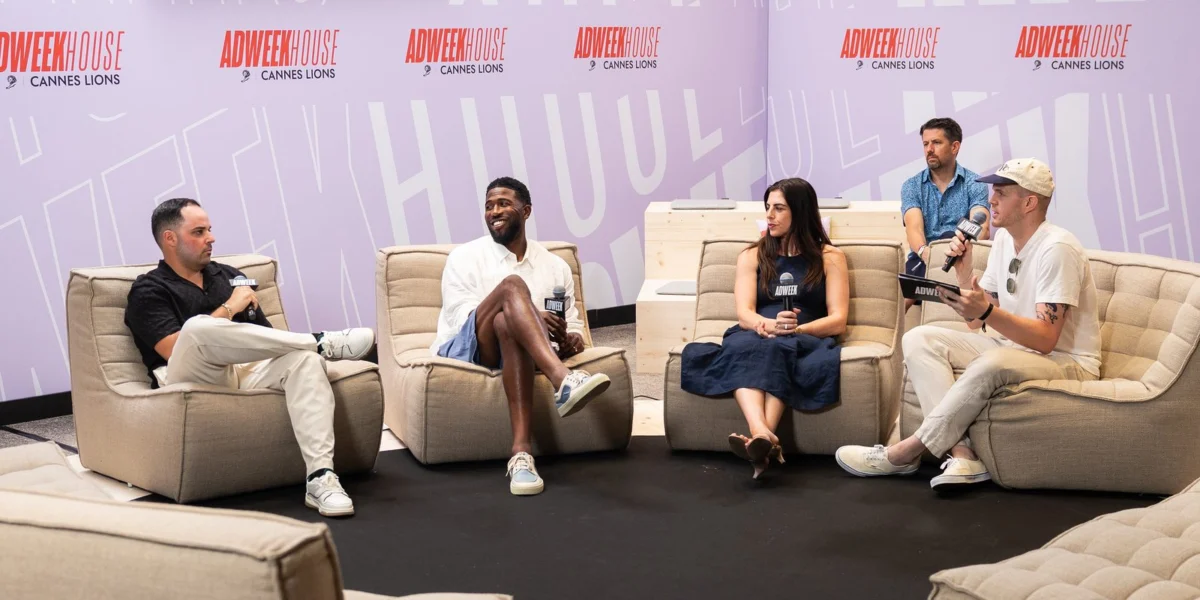
As the global sporting calendar intensifies—anchored by the surging influence of soccer and the impending excitement of the 2026 World Cup—the traditional boundaries of brand advertising are dissolving. On Thursday, at the ADWEEK House: Sports Summit held at the iconic Edge observation deck in Manhattan, industry titans gathered to address a fundamental shift in the marketing landscape: the death of the static media plan.
In an era where the “watercooler moment” happens in milliseconds on social media, the consensus among attendees was clear. The future of brand dominance belongs to those who can pivot from planned, rigid campaigns to agile, real-time engagement. To capitalize on the massive viewership of live sports, brands must move beyond being sponsors and start acting as active participants in the cultural conversation.
Main Facts: The Shift from Traditional to Reactive
The core thesis emerging from the summit was that sports have transcended their role as mere entertainment to become the primary catalyst for real-time cultural discourse. With live events acting as the last bastion of true, appointment-based viewing, media buyers and CMOs are recalibrating their budgets.
The summit, When the Moment Becomes the Media Plan, underscored that the modern marketing playbook is no longer written months in advance. Instead, it is being drafted in the heat of the game. For brands like Suntory Global Spirits or organizations like the Seattle Sounders, the ability to deploy creative content that resonates with the immediate, visceral emotion of a match-winning goal is the new gold standard for ROI.
Chronology: The Evolution of the Sports-Marketing Nexus
The trajectory of sports marketing has undergone a radical transformation over the past decade:
- Pre-2015: The Static Era. Marketing strategies relied heavily on long-term partnerships and pre-produced TV spots. The focus was on brand awareness rather than audience interaction.
- 2015–2020: The Digital Migration. As cord-cutting accelerated, brands began experimenting with digital inventory, moving budgets toward social media clips and influencer partnerships.
- 2020–2023: The Data-Driven Pivot. The integration of sophisticated data analytics—exemplified by Genius Sports—allowed brands to tailor messaging based on live game events, such as player performance or scoring streaks.
- 2024–Present: The Real-Time Cultural Moment. We have entered the era of the “hyper-responsive brand.” As seen at the ADWEEK House summit, the focus is now on immediate cultural synthesis. Brands are no longer just buying inventory; they are buying into the narrative of the sport as it unfolds.
Supporting Data: The Power of Live Connectivity
The shift toward real-time marketing is not merely anecdotal; it is driven by hard data and evolving viewership habits.
- The Live Sports Premium: According to recent market intelligence, live sports account for nearly 95% of all top-rated broadcast programming. This concentration of eyeballs makes sports the most efficient vehicle for mass reach, but it also creates a premium on inventory that requires brands to be smarter about their spend.
- Engagement Velocity: Research suggests that social media engagement spikes by over 400% during the critical "clutch" moments of a live match. Brands that fail to produce reactive content during these windows miss the highest conversion probability of the entire marketing cycle.
- Cross-Platform Synergy: As noted by executives from Fox Television Stations, the fragmentation of media—spanning linear TV, CTV (Connected TV), and social channels—requires a unified data strategy. Advertisers are increasingly using AI-driven tools to synchronize messaging across these platforms in real-time, ensuring that a fan watching on a tablet receives a congruent brand experience to one watching on a 75-inch display.
Official Responses: Insights from the Edge
The panel, moderated by ADWEEK editor Bill Bradley, featured a diverse cross-section of the media ecosystem. Their insights provide a roadmap for the next two years of sports marketing:
Tony Marlow (Genius Sports): Marlow emphasized the role of data-driven intelligence. “We are no longer guessing what the audience wants,” he stated. “We are observing the flow of the game and using that telemetry to inform the brand’s narrative. If a player hits a milestone, the brand should be there to celebrate it with the fans in the exact same second.”
Courtney Carter (Seattle Sounders FC & Seattle Reign FC): Speaking from the perspective of the clubs, Carter highlighted the importance of community. “Soccer is a global language, but it is felt locally. Brands that win in this space are those that invest in the culture of the supporters, not just the logo on the jersey.”
Michael Page (Fox Television Stations): Addressing the distribution side, Page noted that the complexity of modern media buying has evolved. “The technology is finally catching up to the speed of the sport. Our goal is to make the inventory as fluid as the game itself, allowing for instant, dynamic ad insertion that feels like part of the broadcast, not an interruption.”
Regan Clark (Suntory Global Spirits): Representing the beverage industry, Clark spoke on the necessity of brand authenticity. “When we engage with sports fans, we aren’t just selling a product; we are selling a part of the ritual of watching the game. Whether it’s a pre-game toast or a post-win celebration, our marketing has to respect the sanctity of that moment.”
Implications: The Road to 2026 and Beyond
As the industry looks toward the 2026 World Cup—which promises to be the largest sporting event in North American history—the implications for marketers are profound.
1. The Death of the "Wait-and-See" Strategy
Brands that wait for post-game analysis to share content are already obsolete. The "Real-Time" mandate means that creative teams must be on-site and empowered to push content live within seconds of a major event. This requires a fundamental restructuring of approval processes and creative workflows.
2. The Rise of the "Sport-Adjacent" Brand
The panel argued that non-endemic brands (those not directly related to sports equipment or apparel) have a unique opportunity. By aligning with the cultural aspects of fandom—the fashion, the music, and the lifestyle of the soccer community—brands like Suntory are finding new ways to reach demographics that have historically been difficult to capture through traditional advertising.
3. Data as the New Creative Director
The integration of MadHive’s inventory partnerships and NBA Take-Two’s digital strategies proves that the future of the media plan is algorithmic. Data is no longer just for measurement; it is the catalyst for creative production. By understanding the cadence of a live event, brands can automate the delivery of specific, high-relevance creative assets that feel personalized to the viewer.
4. Cultural Stewardship vs. Sponsorship
Perhaps the most significant takeaway from the ADWEEK House: Sports Summit is the shift in terminology. The term “sponsorship” implies a passive financial transaction. The new term is “cultural stewardship.” Brands are expected to contribute to the ecosystem—by fostering fan communities, supporting local leagues, and providing value during the viewing experience.
Conclusion: The Future is Live
The gathering at The Edge served as a powerful reminder that while the technology of marketing continues to advance, the core objective remains unchanged: connection. The brands that will define the next decade of sports media will be those that view every match not as a commercial break, but as a live, evolving, and unpredictable opportunity to connect with a global audience.
As we look toward the massive milestones of 2026, the mandate for marketers is clear: abandon the script, lean into the chaos of the live moment, and ensure that your brand is not just watching the game, but playing in it. For those looking to refine their approach, the conversation continues this summer in New York City, where the industry will further define what it means to lead in the age of the real-time fan.
The playbook has been rewritten. The question now is: which brands have the agility to follow it?