In the modern digital landscape, the marketing playbook is undergoing a radical, often painful, transformation. For the better part of a decade, the industry’s growth engine has been fueled by a simple, albeit expensive, premise: if you want more customers, buy more traffic.
However, as digital advertising costs continue to skyrocket and audience fatigue sets in across major platforms, the "pay-to-play" model is hitting a ceiling. Marketing teams are finding that for every additional dollar poured into ad spend, the incremental return is diminishing. The brutal truth facing today’s CMOs and growth leads is that the obsession with traffic volume has become a dangerous distraction from the most potent lever in their arsenal: Conversion Rate Optimization (CRO).
The Core Reality: Efficiency Over Volume
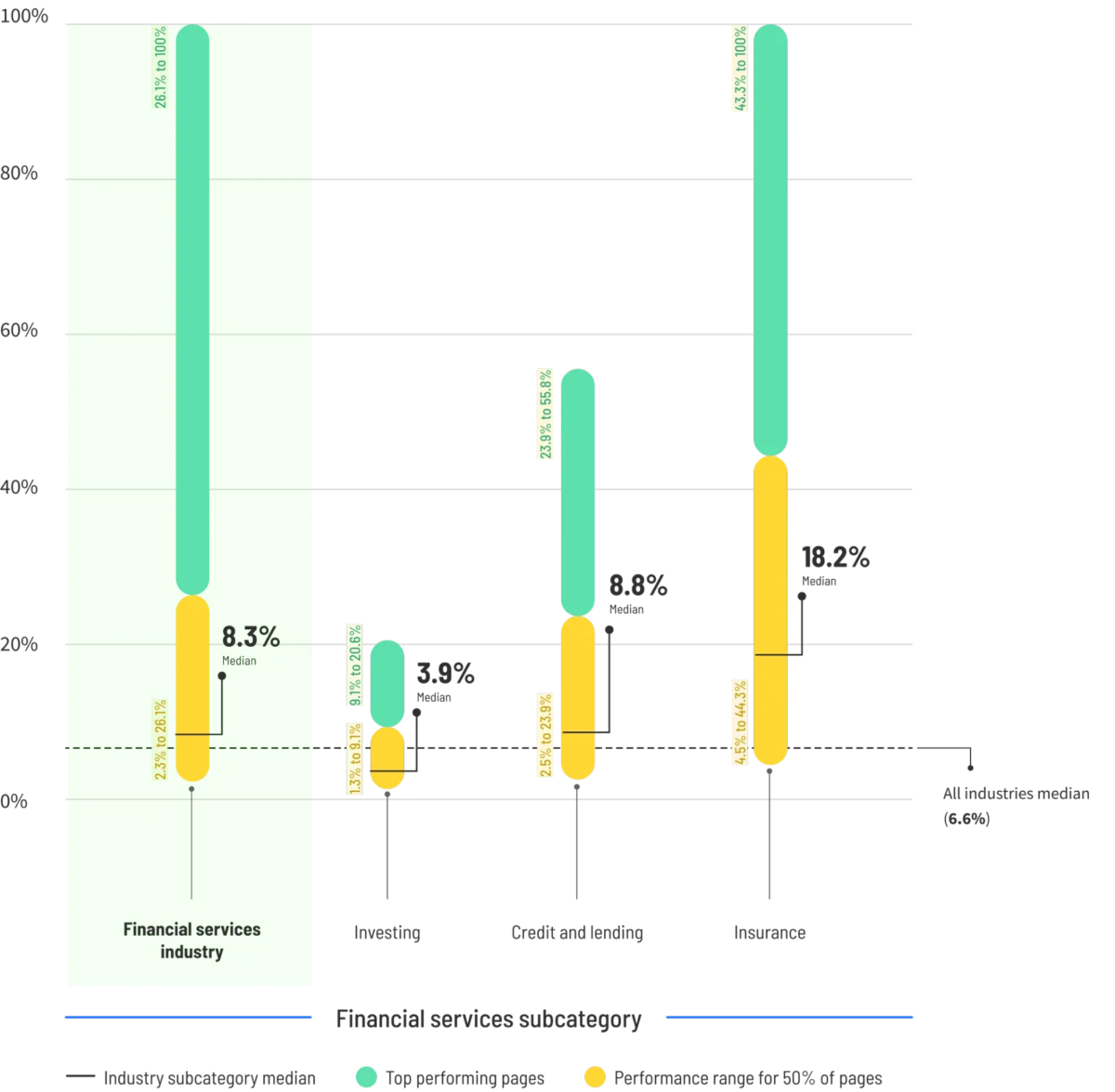
Conversion Rate Optimization is no longer a peripheral task reserved for technical teams or UX specialists; it is the cornerstone of sustainable growth. The math is simple, yet profound: if a landing page converts at 2% and receives 10,000 visitors, it yields 200 customers. By optimizing that page to convert at 4%, the business doubles its output to 400 customers—without spending a single additional cent on advertising.
As Josh Gallant, founder of Backstage SEO, notes, the ability to "do more with less" is moving from a competitive advantage to an existential requirement. In an era where marketing budgets are subject to rigorous scrutiny, CRO provides a pathway to profitability that does not rely on the whims of fluctuating CPMs or the unpredictability of algorithm changes.
Chronology of a CRO Shift: From "Hunch" to "Heuristic"
The evolution of CRO has been marked by a move away from gut-feeling design toward data-backed behavioral science.
- The Early 2010s: CRO was largely synonymous with "color testing." Teams focused on changing the shade of a button or the font of a headline, often ignoring the underlying user intent or friction points in the funnel.
- The Mid-2010s: The rise of A/B testing platforms democratized data. Marketers began to realize that testing individual elements (like CTA text) was less effective than testing the entire value proposition or page structure.
- The 2020s: We have entered the era of "Holistic Optimization." Modern CRO now accounts for the entire journey—from the moment a user clicks an ad on a mobile device to the moment they hit the "submit" button. Today’s top-performing teams prioritize mobile-first design, speed, and personalized experiences that address specific pain points in real-time.
Supporting Data: Why Small Tweaks Yield Massive Returns
The impact of incremental gains is often underestimated. Consider the "Rule of 1%," where even marginal improvements across multiple stages of a funnel result in exponential growth.
- Form Simplification: A landmark study in user behavior showed that reducing form fields from 11 to 4 resulted in a 120% increase in conversion rates. The barrier to entry was too high; by removing unnecessary data collection, the friction was reduced, and user trust was preserved.
- Mobile Responsiveness: With over 60% of web traffic now originating from mobile devices, sites that fail to optimize for "thumb-scrolling" are essentially burning half their ad budget. Increasing tap targets to 44×44 pixels is not just a design choice; it is a conversion necessity.
- Value Proposition Clarity: Users typically decide whether to stay on a page within three seconds. Pages that utilize clear, benefit-driven headlines—such as "Save 5 hours every week" instead of generic branding statements—consistently outperform their counterparts in A/B tests.
Official Industry Perspectives: The Strategic Imperative
Leading voices in the SaaS and digital marketing space, including Unbounce and other major conversion platforms, have consistently argued that CRO is the ultimate hedge against market volatility.
"The most successful teams don’t just celebrate wins; they celebrate learning," says Gallant. This perspective shifts the focus from the result of a single A/B test to the process of experimentation. When organizations institutionalize a culture of testing, they create a feedback loop that informs every other department, from product development to sales.
Industry experts emphasize that CRO is not a project that has a start and end date; it is an ongoing, continuous process of refining the relationship between a brand’s offer and the user’s needs. When marketing channels become saturated, the only way to scale is to become more efficient at capturing the demand you have already generated.
The Five Pillars of High-Impact Optimization
For marketers looking to implement a high-impact strategy without the need for extensive developer resources, five specific areas have proven to be the most effective:
1. Mobile-First Architecture
Design for the smallest screen first. If a form is difficult to complete on a smartphone, it is effectively broken. This includes optimizing load times, simplifying navigation, and ensuring all primary CTAs are within the "thumb zone."
2. Rigorous A/B Testing
Testing is the antidote to guessing. By defining a clear hypothesis—"If we change X to Y, we expect Z to happen because of [data point]"—marketers can strip away ego and opinion. Tools like Unbounce allow for seamless testing of headlines, hero images, and layouts without requiring a deep background in statistical analysis.
3. Friction Audits
Friction is any element that causes a user to pause, doubt, or abandon the process. This includes excessive form fields, confusing navigation menus, or lack of trust signals. A "friction audit" involves walking through your own conversion path with a critical eye, or better yet, observing a first-time user navigate the site.
4. The Value Proposition Check
Does your landing page answer the user’s subconscious question: "Why should I care?" Your value proposition must be immediate, benefit-focused, and differentiated. If a user has to scroll down to figure out what you do, you have already lost them.

5. Intentional Social Proof
Social proof is not just a logo cloud at the bottom of the page. It is a strategic tool to be placed precisely where the user experiences the most hesitation—usually near the signup form or pricing section. Use testimonials that specifically address common objections rather than generic praise.
Implications: The Future of Marketing ROI
The implications of this shift toward CRO are significant. As the digital advertising ecosystem becomes more privacy-centric and third-party cookies vanish, the ability to rely on expensive retargeting will wane. Marketers who have spent their budgets on traffic rather than optimization will find themselves in a precarious position.
Conversely, organizations that treat their landing pages as living, breathing assets—constantly being tuned, tested, and improved—will build a more resilient business model. The future belongs to those who understand that in a world of infinite content, the most valuable commodity is the user’s attention, and the most profitable action is helping them take the next step.
Building a Culture of Experimentation
Moving forward, the goal for marketing teams should be to institutionalize curiosity. By treating every test as a learning opportunity, the "fear of failure" that often plagues creative teams is replaced by a data-driven appetite for discovery.
When you make experimentation a habit, the cumulative effect of small wins—a 5% lift here, a 10% lift there—transforms the bottom line. It changes the conversation from "How much more can we spend on ads?" to "How much more value can we unlock from our current visitors?"
The tools to start this transformation are readily available, and the methodology is well-documented. The only remaining hurdle is the shift in mindset. For those ready to leave the "traffic-first" mentality behind, the rewards—higher ROI, better lead quality, and sustainable growth—are waiting.
It is time to stop leaving conversions on the table. The optimization of your digital footprint begins with the very next click.