By Search Industry Reporter
Published by Search Engine Land (Owned by Semrush)
Main Facts
The search marketing landscape has undergone a monumental shift, migrating from an entrepreneurial, collaborative "gold rush" in the early 2000s to a consolidated ecosystem dominated by algorithmic automation, artificial intelligence, and corporate gatekeepers.
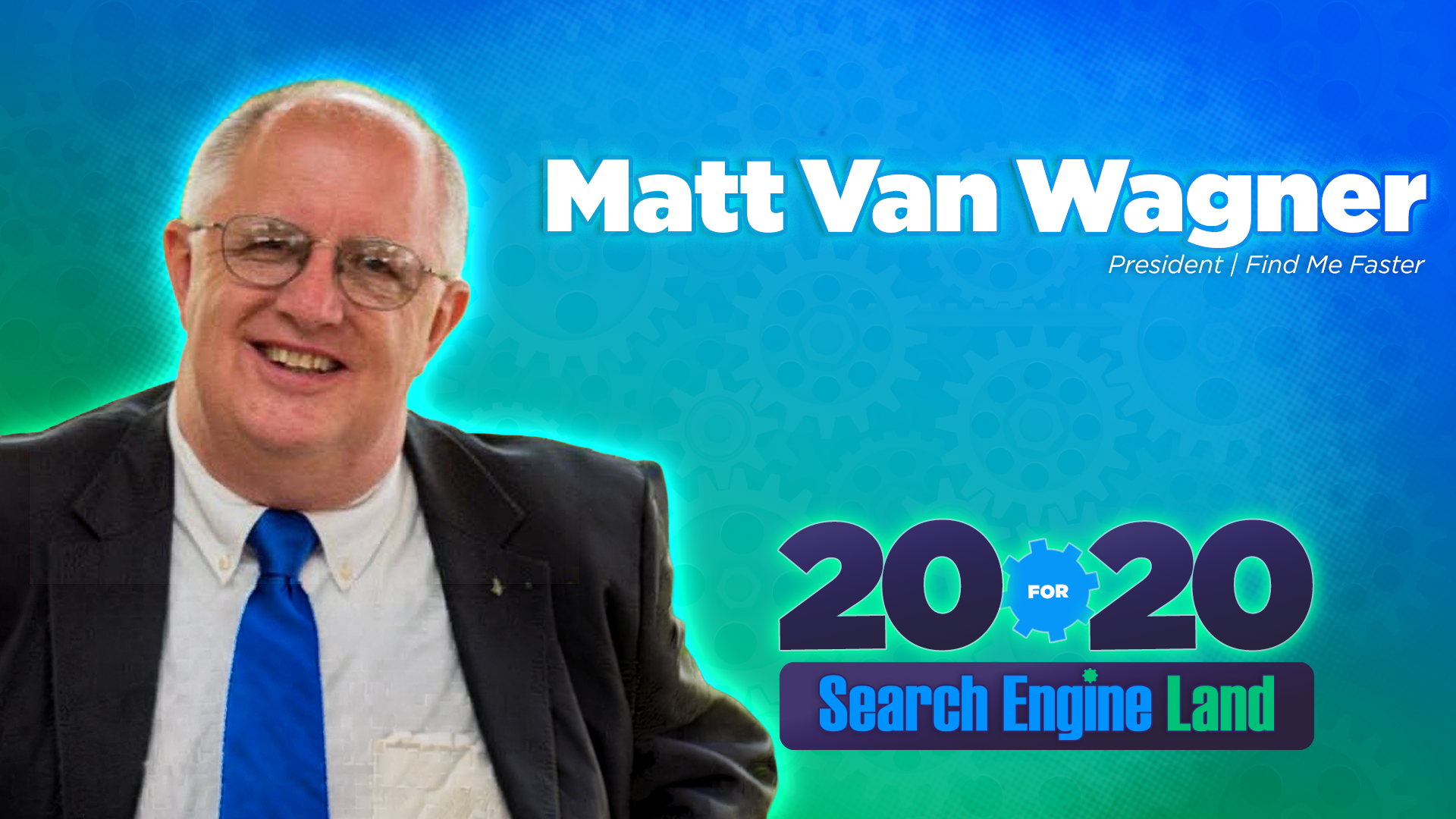
Reflecting on this decades-long transformation, paid search veteran Matt Van Wagner—founder of a pioneering search advertising agency—recently shared deep insights into the history of Google Ads, the rise of industry publications like Search Engine Land, obsolete pay-per-click (PPC) tactics, and why modern advertisers must relentlessly question platform-driven recommendations.
Key takeaways from Van Wagner’s retrospective include:
- The Divergence of Interests: Google’s corporate definition of success (maximizing ad spend and platform revenue) does not inherently align with an advertiser’s primary goals (profitable, measurable business outcomes).
- The Automation Paradox: While AI-driven automation has streamlined campaign management, it often forces advertisers to spend budget "reteaching" systems concepts they already understand—such as irrelevant search queries.
- The Erosion of Granularity: Sophisticated early tactics, like Single Keyword Ad Groups (SKAGs) and intricate negative-keyword webs, have been largely rendered obsolete by machine learning, yet human expertise remains vital to keep automation in check.
- The Value of Independent Journalism: Outlets like Search Engine Land and communities like SMX have historically provided—and continue to provide—an independent editorial check against platform messaging.
Chronology: The Evolution of Search Marketing
To understand where paid search is today, one must trace its roots back to the dawn of commercial search engines. Van Wagner’s journey and the industry’s maturation follow a distinct historical timeline:
1. The Early 2000s: The Gold-Rush Mentality
Before search marketing was a recognized discipline, businesses relied on traditional marketing channels—trade publications, conferences, and direct mail—which were suffering from diminishing returns. Entering the tech sales and marketing sphere, Van Wagner attended his first search conference and encountered an electric, entrepreneurial atmosphere. Recognizing a paradigm shift in how consumers found businesses, he left his career to establish a dedicated search advertising agency at a time when most companies had never heard of such a service.
2. The Mid-2000s: The Shock of the Florida Update
The wild-west nature of early SEO came to an abrupt halt with Google’s infamous "Florida" algorithm update. Landing just ahead of the critical holiday shopping season, the update wiped out organic search rankings for countless businesses and agencies reliant on aggressive optimization techniques. The event demonstrated the immense financial peril of relying entirely on organic visibility and reinforced paid search (PPC) as an essential "insurance policy" for sustaining revenue streams.
3. The Rise of Industry Infrastructure (Search Engine Land and SMX)
As the industry matured, search conferences began to suffer from repetitive programming and recycled speakers. The launch of Search Engine Land and the SMX Advanced conference series changed the trajectory of the ecosystem. SMX Advanced bypassed basic introductory material, diving straight into intermediate and advanced strategies. This attracted sophisticated practitioners, while the informal networking—conversations in bars, over coffee, and at dinners—helped build a collaborative, open-source knowledge-sharing culture.
4. The Era of Over-Complication (SKAGs and Granular Control)
In the years following Google Ads’ initial expansion, marketers chased extreme granularity. Strategies like Single Keyword Ad Groups (SKAGs), duplicated match types, and elaborate negative-keyword matrices were viewed as the pinnacle of PPC sophistication. These tactics were designed to tightly sculpt traffic, though hindsight reveals many were needlessly complex.
5. The Transition to Automation and AI
Eventually, platform consolidation and the rapid advancement of machine learning dismantled the need for hyper-granular structures. Automation took center stage, reducing manual control while introducing new challenges—such as Google defaulting campaigns to broad match, which often forces green advertisers to spend capital learning lessons the platform’s systems already comprehend.
Supporting Data & Industry Insights
Van Wagner’s historical perspective is supported by several pivotal product launches, strategic pivots, and economic realities that shaped the digital marketing arena over the past twenty years:
- The Economics of the Top Spot: In the early days of PPC, a common misconception was that securing the number-one ad position justified any cost-per-click (CPC). Advertisers frequently burned through budgets chasing prestige, whereas Van Wagner notes that a more pragmatic strategy often involved competing for the second spot to optimize overall campaign economics.
- Google Instant and Product Publicity: Highlighting the power of product marketing, Van Wagner recalled covering Google Instant—a feature that predicted and displayed search results dynamically as users typed. While Microsoft was spending heavily on conventional advertising to promote Bing, Google’s organic product rollout generated massive, free mainstream media attention.
- Microsoft’s Strategic Realignment: Recognizing that users rarely switched search engines out of habit, Microsoft wisely chose to make its advertising platform structurally familiar to Google Ads users, minimizing friction for cross-platform marketers rather than attempting to reinvent search user behavior entirely.
- The Cost of Human Error: Recalling an instance where he accidentally applied "loan" as a broad-match negative during a high-stakes financial campaign—burning through roughly $7,000 in four hours—Van Wagner emphasizes that PPC professionals are far better served by immediately admitting mistakes, analyzing root causes, and adapting, rather than deflecting blame.
Official Responses and Stakeholder Perspectives
The dynamic tension between search engines and the marketers who fund them has long necessitated institutional bridges. Over the years, key figures have shaped how platforms communicate with the SEO and PPC communities:
- The Google Dance and Early Openness: In search marketing’s formative years, direct interaction with Google engineers and executives—through events like the "Google Dance" and community bridges like Matt Cutts—fostered a sense of shared exploration. Google was still figuring out search mechanics alongside the practitioners.
- Ginny Marvin and Modern Advocacy: In the contemporary landscape, Van Wagner points to Google Ads Liaison Ginny Marvin as a crucial positive influence. Having worked on the advertiser side prior to joining Google, Marvin possesses firsthand familiarity with marketer pain points, enabling her to effectively advocate for the advertising community while representing the platform’s interests.
- The Semrush and Search Engine Land Commitment: Today, Search Engine Land—owned by Semrush—maintains its core mission of providing rigorous, independent coverage of the digital marketing space. Editorial stewardship ensures that practitioners retain a critical lens through which to view platform updates.
Implications for Modern Advertisers
As search marketing enters a deeply automated, AI-driven epoch, the foundational lessons from Van Wagner’s career carry profound implications for modern digital marketers:
1. Separate Platform Incentives from Business Goals
The single most dangerous assumption an advertiser can make is that Google’s recommended settings, default options, and automated features are automatically aligned with the advertiser’s profitability. While Google’s technology aims to improve performance, its primary business incentive is top-line revenue growth from ad spend. Marketers must evaluate every platform recommendation through an independent financial lens.
2. Guard Against the Broad Match Trap
Defaulting new or inexperienced campaigns to broad match forces automated systems to relearn parameters that a human expert could define instantly. Advertisers must fight to retain structural guardrails, ensuring that AI systems leverage existing business intelligence rather than discovering inefficiencies entirely through wasted ad spend.
3. Cultivate Independent Critical Thinking
As search platforms become increasingly closed ecosystems—with keyword data obscured and manual controls stripped away—the role of independent search journalism and peer-to-peer communities has never been more critical. Without publications capable of asking tough questions and challenging corporate narratives, marketers risk becoming passive participants in a black-box auction system.
Ultimately, while the tools of the trade have evolved from manual bid adjustments and keyword sculpting to machine learning and generative AI, the core rule of search marketing remains unchanged: He who pays the bills must remain the ultimate strategist.