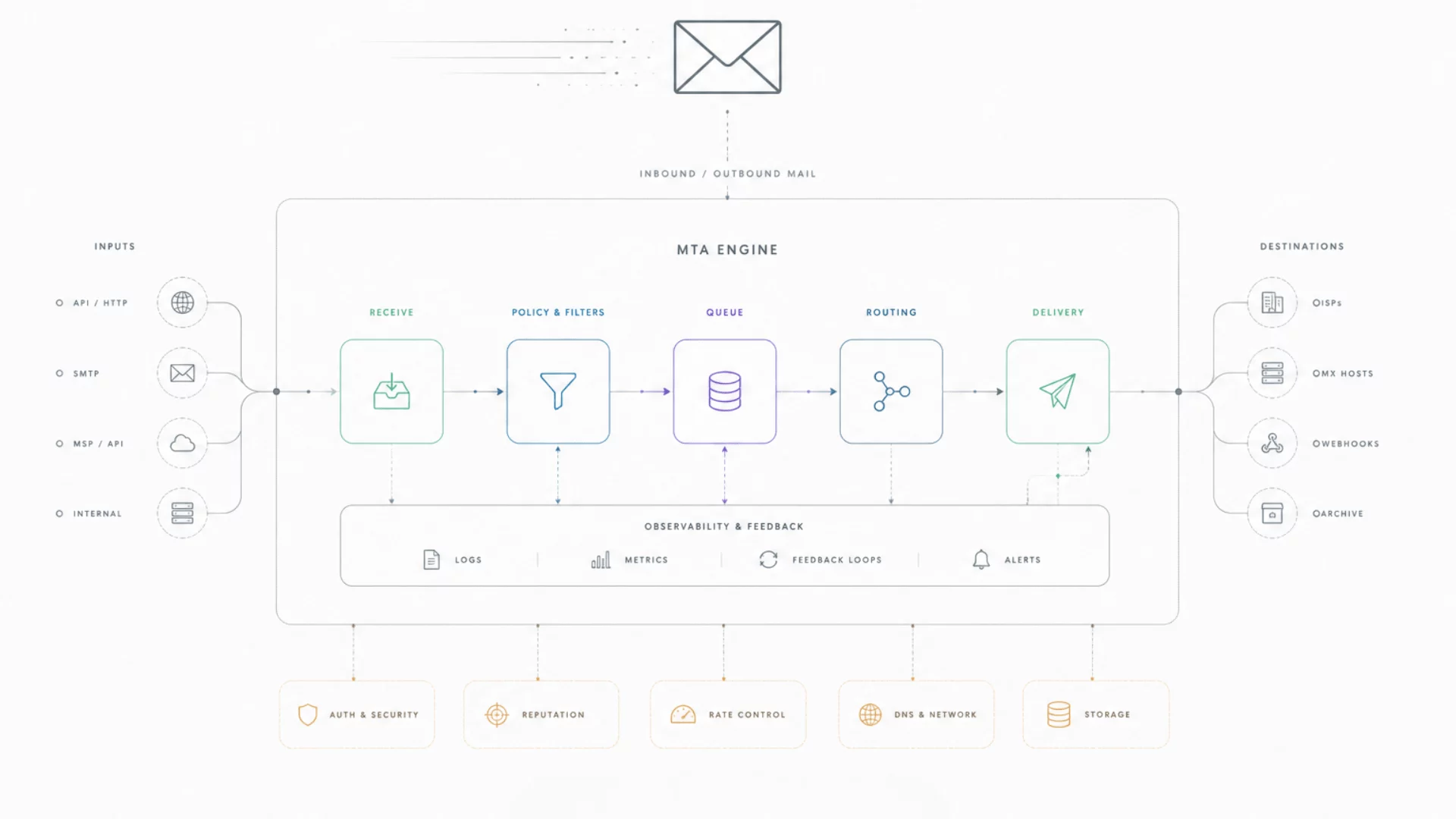
The digital marketing landscape is currently undergoing a structural realignment, characterized by a widening chasm between platforms that serve as simple transmission conduits and those that function as intelligent, autonomous orchestrators. Klaviyo’s Q1 financial results, reported on May 5, serve as the definitive third data point in a mounting trend that has seen companies like Braze accelerate while legacy incumbents like Mailchimp experience contraction.
Klaviyo reported revenue of $358 million—a 28% year-over-year increase—alongside a significant $500 million share buyback authorization. While these figures are impressive, the narrative significance lies in the company’s strategic rebranding. By shifting its identity from a mere email marketing platform to an "autonomous B2C CRM," Klaviyo is signaling a seismic shift in how software interacts with commerce.
Main Facts: The Numbers Behind the Narrative
Klaviyo’s Q1 performance offers a robust snapshot of a company finding its stride in a competitive environment. The 28% growth rate is not merely a statistical victory; it is a validation of the company’s "orchestration-first" philosophy.
Key Financial Highlights:
- Revenue: $358 million, marking a 28% increase compared to the same period in the previous year.
- Guidance: Full-year financial guidance has been upwardly revised, signaling management’s confidence in sustained demand.
- Capital Allocation: A $500 million share buyback program was authorized, a move that speaks volumes about the company’s assessment of its own valuation and market position.
This financial success arrives in the wake of shifting market dynamics. When cross-referenced with Braze’s recent acceleration and the shrinking footprint of legacy platforms like Mailchimp, a clear picture emerges: the market is splitting in two. Platforms that focus on sophisticated, data-driven orchestration are capturing the lion’s share of value, while those that rely on basic bulk-sending capabilities are increasingly viewed as commoditized utilities.
Chronology: The Rise of the Autonomous Prefix
The term "autonomous" has evolved rapidly from an academic concept into the industry’s most sought-after branding badge. In less than twelve months, the marketing technology (MarTech) sector has undergone a linguistic transformation.
- Pre-2023: "Omnichannel" was the buzzword of choice, a term that became so ubiquitous it eventually lost its power to differentiate.
- Mid-2023: AI-driven decisioning began to move from backend feature sets to frontend branding, with early movers like Braze focusing on "AI-powered decisioning" for channel and timing selection.
- Early 2024: Salesforce introduced "Agentforce," promising content assembly without human intervention, effectively formalizing the "agentic" era.
- May 2024: Klaviyo officially adopts the mantle of the "Autonomous B2C CRM," placing itself alongside competitors like ActiveCampaign, who now explicitly market "autonomous marketing" solutions.
This shift signifies a transition from software as a tool operated by a merchant to software that acts on behalf of the merchant. This is not just a marketing pivot; it is a fundamental change in the merchant-software relationship.
Supporting Data: Regional Growth and the "UK Exception"
A particularly revealing insight from the Q1 report is the geographic breakdown of Klaviyo’s expansion. While international growth is a priority, the company’s performance in Europe (EMEA) excluding the UK is a masterclass in market maturity analysis.
The EMEA Discrepancy:
- EMEA (Ex-UK): Revenue grew at a staggering 51%, nearly double the company’s overall average.
- The UK Market: By choosing to exclude the UK from this growth metric, Klaviyo highlights a clear, albeit unspoken, reality: the UK market has reached a state of maturity.
For agencies and competitors, this creates a dual-layered reality. The continental European mid-market is currently in a "land-grab" phase, adopting the sophisticated "Shopify-plus-Klaviyo" stack that revolutionized North American e-commerce years ago. Conversely, the UK represents a saturated environment where growth is no longer explosive but incremental. This trend suggests that the "runway" for growth in continental Europe remains long, while UK-based players must pivot from acquisition-heavy strategies to retention-focused models.
Official Responses and Strategic Integrations
Klaviyo’s latest strategy includes a broad expansion of integrations with generative AI leaders, including ChatGPT, Claude, and design-centric tools like Canva. This "assistant land-grab" is a defensive maneuver.
The platforms have collectively recognized that the marketer’s primary interface—the "front door" of their daily workflow—is becoming the AI assistant. By integrating deeply with these assistants, Klaviyo ensures it remains a vital component of the workflow rather than being bypassed by it.
However, this integration strategy is not without its "wrinkles." The Canva-Ortto acquisition provides a perfect case study in the modern consolidation problem. Canva—a critical design partner for Klaviyo—now owns Ortto, a direct competitor in the marketing automation space. While this is a common occurrence in a market where firms frequently "buy sideways," it creates a complex web of co-opetition. For the end-user, the entity that is an integration partner today could easily be a competitor or a potential acquirer by 2026.
Implications: The Risks of "Autonomous" Claims
While "autonomous" is an effective marketing hook, it carries significant risks that demand scrutiny.
1. The Accountability Gap
Autonomy, by definition, means software making commercial decisions—sending emails, adjusting bids, or segmenting audiences—at speeds that preclude human oversight. When this automation succeeds, it drives efficiency. When it fails, the consequences can be brand-damaging. Merchants must shift their inquiries from "What can this autonomy do?" to "What is the recovery protocol when the autonomy makes a mistake?"
2. The Capital Return vs. Consolidation
The $500 million buyback authorization is a profound strategic signal. By choosing to return cash to shareholders rather than aggressively pursuing M&A, Klaviyo—alongside Braze—is positioning itself as a mature, "cash-returning" enterprise.
In a year defined by heavy consolidation led by entities like Salesforce, Insider, and private equity firms, this restraint is a bold statement. It suggests that these platforms are confident in their internal compounding potential. They are not looking to buy their way into relevance; they believe their own stock is the best investment on the table.
3. The Reality of Human Steering
Despite the "autonomous" branding, these platforms remain tethered to the very human, very predictable pressures of quarterly financial reporting. No matter how advanced the algorithms become, the "steering" of these corporations is still governed by market expectations and investor sentiment.
The industry is currently in a "wait and see" phase. Should the economy experience a "growth wobble," the promise of autonomy will be tested. Will these platforms continue to invest in deep-tech innovation, or will they succumb to the pressure of short-term profitability?
Conclusion: A New Standard of Orchestration
Klaviyo’s Q1 results confirm that the "orchestration-first" model is the dominant trajectory for modern B2C marketing. The shift toward autonomy is more than a marketing trend; it is an inevitable response to the increasing complexity of customer touchpoints.
However, as the market consolidates and the definition of "autonomous" becomes diluted, the winners will be those who can provide true value beyond the buzzwords. For now, Klaviyo, Braze, and their peers have successfully distinguished themselves from the pack. But as the "assistant land-grab" intensifies and the lines between partner, competitor, and acquirer continue to blur, the true test for these platforms will be their ability to maintain operational integrity in an increasingly automated world.
The market has spoken, and the message is clear: the age of the simple email platform is over. The era of the autonomous orchestrator has begun.