In a move that underscores the rapidly evolving landscape of artificial intelligence, Cognition, the high-profile startup behind the AI coding agent "Devin," has officially acquired The Interaction Company of California, the creators of the popular conversational assistant "Poke." While the financial terms of the deal remain undisclosed, sources close to the matter have pegged the valuation of the transaction in the "low nine figures," marking a significant consolidation of talent and technology in the burgeoning agentic AI market.
This acquisition is more than a simple expansion of portfolio; it is a fundamental shift in how developers and consumers view the role of AI. By integrating Poke’s signature conversational fluidity and "friend-like" persona into the utility-heavy environment of Devin, Cognition is betting that the future of software development—and personal computing—lies not just in raw processing power, but in the personality of the digital colleague.
The Evolution of the AI Assistant: A Chronology
To understand the significance of this acquisition, one must look at the rapid ascent of both companies.
The Rise of Poke
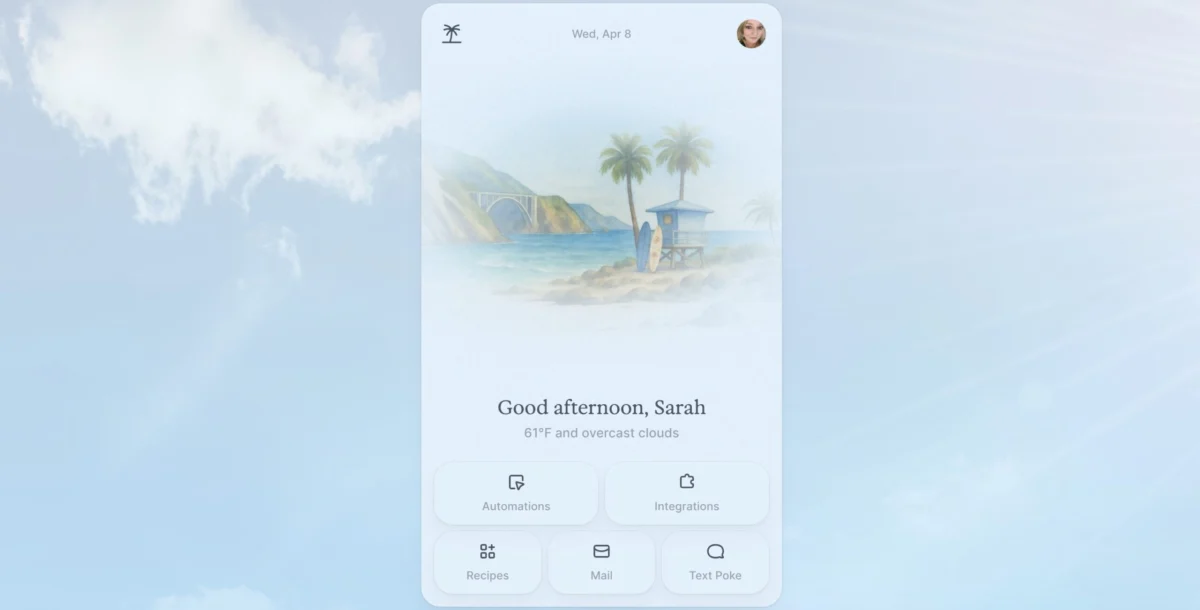
Launched in March 2026, Poke was designed as an antidote to the clinical, sterile nature of standard AI chatbots. By leveraging messaging platforms such as iMessage, SMS, Telegram, and WhatsApp, Poke bypassed the friction of traditional apps. It met users exactly where they were, handling everything from travel itineraries and financial queries to complex scheduling and educational tasks.
Within just three months, the platform exploded in popularity, facilitating over 100 million messages. Its success was driven by its unique interaction model: it did not feel like a tool or a search engine; it felt like a friend. It utilized slang, humor, and proactive context-awareness to maintain long-term, engaging conversations. In June 2026, Poke achieved a major milestone by becoming the first AI agent approved for Apple’s "Messages for Business" platform, signaling that its model was stable and professional enough to satisfy even the most rigorous enterprise ecosystem requirements.
The Rise of Devin
Simultaneously, Cognition was carving out a niche in the high-stakes world of software engineering. Its flagship product, Devin, set a new standard for AI coding agents, capable of handling end-to-end development tasks, from writing and debugging code to deploying software. Despite its technical prowess, Devin functioned largely as a "black box" of productivity—a highly efficient engine that lacked the nuanced, conversational warmth that characterizes human collaboration.
The Intersection
The deal effectively brings these two philosophies together. The founders of Cognition, Scott Wu and Walden Yan, were early angel investors in The Interaction Company, a fact that suggests this merger was not merely a reaction to market trends, but a long-term strategic alignment. By bringing Poke’s team in-house, Cognition aims to bridge the gap between "cold code" and "collaborative agent."
The Strategic Logic: Why Personality Matters
The acquisition of The Interaction Company underscores a growing industry realization: the "wow factor" of generative AI is beginning to plateau. As models from competitors become increasingly commoditized, the differentiator is moving toward user experience and interaction design.
Moving Beyond the "Robot" Co-worker
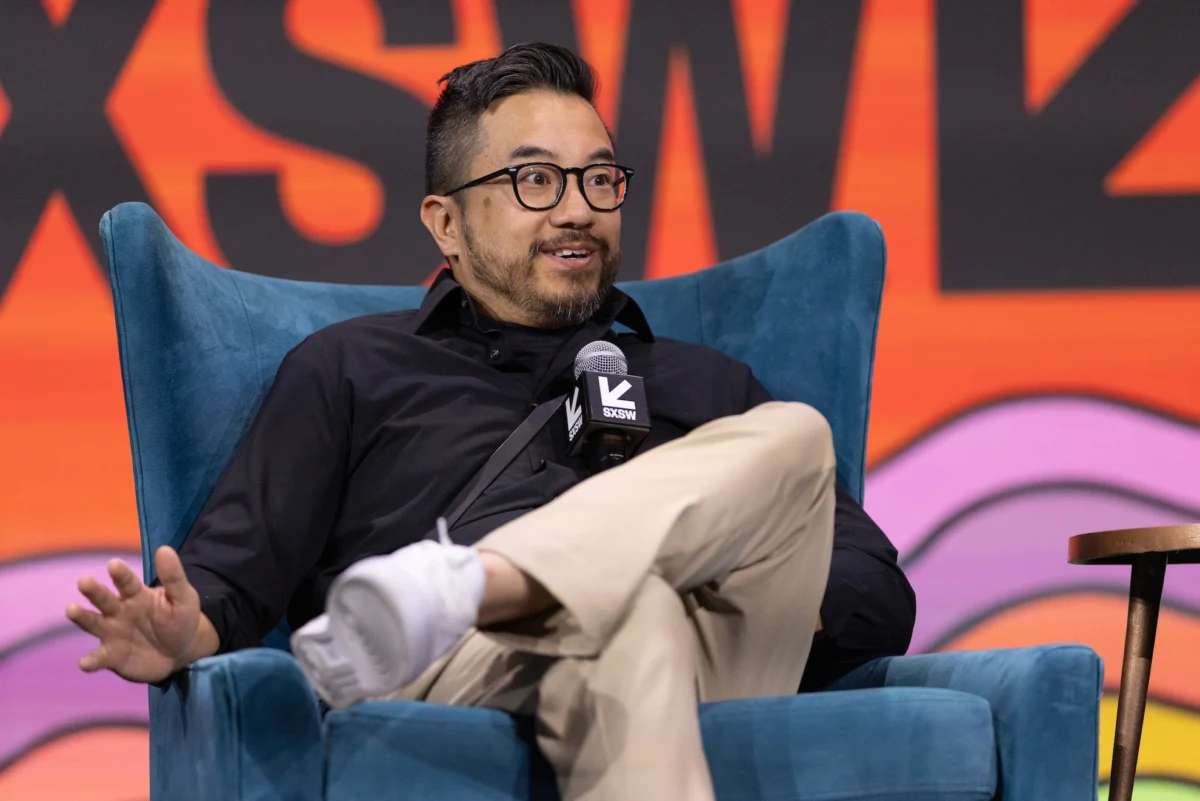
Marvin von Hagen, co-founder of The Interaction Company, has been a vocal proponent of the "personality-first" approach. In an interview following the acquisition, von Hagen emphasized that the effectiveness of an agent is tied to its ability to build rapport.
"You probably prefer it if you have co-workers that have personality, rather than if you have co-workers that are just robots," von Hagen noted. "When you have co-workers that are also software engineers, they can also make a joke. And you’ll find it funny and enjoyable. That engagement is what makes the work sustainable."
For Cognition, the goal is to make Devin feel less like a software application and more like a junior developer or a technical peer. By injecting Poke’s personality into the system, they hope to improve user retention, reduce cognitive fatigue, and foster a more natural workflow where the user feels they are working with an agent, rather than simply issuing commands to a machine.

Technical Implications: Reliability and Orchestration
While the personality-focused improvements are the most visible aspect of the merger, the technical implications are arguably more profound.
Integrating SWE-1.7
Poke has faced significant operational challenges, specifically regarding the high costs associated with running a high-volume, low-latency conversational agent. By migrating Poke to Cognition’s robust infrastructure and integrating it with the new SWE-1.7 software engineering model, the platform is expected to become faster, more reliable, and significantly more capable of handling complex reasoning tasks.
The "Persistent Co-worker" Model
One of the most exciting prospects of this merger is the concept of a "persistent agent." Currently, most coding agents, including earlier versions of Devin, are session-based. Once a task is complete or a session closes, the context is often lost.
Von Hagen envisions a future where Poke acts as an orchestrator for Devin. Instead of Devin only handling one pull request at a time, Poke could manage multiple sessions, remember the user’s preferences across weeks of work, and proactively flag issues before the developer even asks. This turns the AI into a "persistent co-worker" that understands the history and context of a project, rather than a transient tool that must be re-briefed every morning.
Official Responses and Future Outlook
Cognition co-founder Scott Wu expressed clear enthusiasm for the partnership in a recent blog post, stating, "The Interaction team has built an agent that people love: it’s proactive, it knows you, and it’s fun to talk to. That’s exactly how working with Devin should feel, and now we get to build it together."
For the remainder of 2026, the user experience for Poke will remain largely unchanged. The team is committed to maintaining the service on Apple’s platforms and honoring existing user expectations. However, the roadmap for 2027 suggests a deeper, more aggressive integration of the two platforms.
Challenges Ahead
Despite the optimism, the transition will not be without hurdles. Scaling a "fun" and "personality-driven" agent while maintaining the rigorous accuracy required for enterprise-grade software engineering is a delicate balancing act. There is also the economic reality: as von Hagen admitted, Poke was expensive to run. Finding a sustainable business model that supports high-frequency messaging while keeping costs in check will be a primary focus for the combined entity.
Implications for the AI Ecosystem
The Cognition-Poke deal serves as a bellwether for the broader AI industry. We are witnessing a transition from the "Model Era," where companies were valued solely on the size and capability of their Large Language Models (LLMs), to the "Agent Era," where value is derived from how these models are packaged and presented to the end user.
Investors and competitors are taking note. If Cognition succeeds in making a coding agent feel like a "colleague," the barrier to entry for coding will drop significantly. By democratizing the interaction model—moving away from complex IDE interfaces and toward the intuitive medium of messaging—they are expanding the potential user base of high-level coding tools to non-technical professionals and casual builders.
Furthermore, this acquisition validates the "agent-in-the-loop" philosophy. It suggests that the most successful AI companies of the next decade will not just be those that build the smartest models, but those that design the most human-centric interfaces. As the boundaries between our personal assistants and our professional tools continue to blur, the "Poke-fication" of productivity software seems not only likely—but inevitable.
Ultimately, the acquisition of The Interaction Company of California is a bold bet that the future of work is conversational. By blending the technical precision of Devin with the approachable, witty, and persistent nature of Poke, Cognition is positioning itself to define what a "coworker" looks like in the age of artificial intelligence. Whether users are ready to laugh at a joke from their IDE remains to be seen, but according to the team at Cognition, it’s only a matter of time.