In the rapidly shifting landscape of global ecommerce, the only constant is the relentless pace of innovation. As consumer behaviors migrate toward AI-driven discovery and social-first shopping, merchants are under increasing pressure to adapt their tech stacks, compliance protocols, and logistics strategies. This week’s industry update highlights a wave of transformative service rollouts—ranging from AI-native bot protection to advanced fulfillment infrastructure—that are redefining how brands operate in the digital age.
Main Facts: The New Tools for Merchants
The current week has seen a significant influx of tools designed to streamline B2B operations and enhance the consumer experience. Key highlights include:
- Social Media Management: DemandBird has officially launched its B2B-focused platform, integrating AI-driven back-office tasks like image reformatting and post-repurposing with sophisticated approval workflows.
- AI-Powered Discovery: Flipkart’s Shopsy and Klarna’s new ChatGPT integration are fundamentally altering the "path to purchase." By blending gamification, video-led discovery, and real-time AI search, these platforms are capturing the attention of Gen Z and mobile-first shoppers.
- Regulatory & Reputation Tech: eBay has introduced a dedicated regulatory compliance support portal, while TheBestReputation has released AIOverview.com, a vital tool for brands to audit how generative AI engines like ChatGPT and Gemini portray their identity.
- Operational Efficiency: Pattern has launched "Intelligence," an autonomous engine for marketplace management, and DataDome has debuted "Priority Protect," a virtual waiting room specifically designed to manage the surge of AI-agent traffic.
Chronology: A Week of Rapid Development
The deployment of these services occurred in a compressed timeframe, signaling a coordinated industry push toward AI integration and marketplace optimization.

- May 19–20: The week began with Digital Brands Group partnering with Renov AI to fast-track its internal intelligence suite, followed closely by DataDome’s announcement of its "Priority Protect" bot management system.
- May 21–22: Mid-week, Pattern released its "Intelligence" engine to automate marketplace growth, and Doba upgraded its "Pilot" AI assistant, refining the dropshipping workflow for beginners.
- May 23–25: The momentum peaked with the launch of DemandBird’s B2B platform, the rollout of eBay’s regulatory compliance hub, and the introduction of Shopsy’s revamped AI-native app. Simultaneously, Google unveiled its "Universal Cart," a feature set to change the nature of cross-platform shopping.
Supporting Data and Technical Infrastructure
The shift toward "Agentic Commerce"—a model where AI bots perform the legwork of searching, comparing, and potentially purchasing—has necessitated a robust underlying infrastructure.
DataDome’s "Priority Protect" is a response to the massive influx of non-human traffic. By classifying traffic in real-time, the platform ensures that human shoppers are not pushed out by automated scrapers. Similarly, NFI’s expansion into Eastvale, California, provides a physical backbone for this digital growth. With a footprint capable of processing 30 million orders annually, NFI is addressing the "logistics gap" where digital storefronts often outpace their physical distribution capabilities.
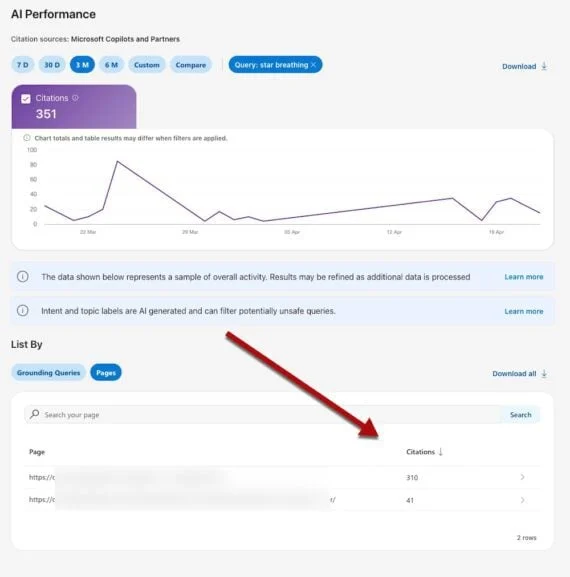
Furthermore, the data transparency offered by TheBestReputation provides a quantitative look at "AI Visibility." For the first time, brands can receive keyword-level analysis on how generative models perceive their brand, shifting the focus from traditional SEO to "AI-Overview" optimization.

Official Responses and Strategic Rationale
Industry leaders have been vocal about the "why" behind these releases.
On AI Integration: A spokesperson for Doba emphasized that the goal of their "Pilot" upgrade was to remove the "guesswork" from the dropshipping model. By automating product discovery and listing, Doba aims to lower the barrier to entry for new entrepreneurs.
On Compliance: eBay’s new regulatory guide serves as a strategic bridge for sellers navigating the increasingly complex E.U. and global safety laws. By listing vetted vendors for "Responsible Person" representation, eBay is mitigating risk for both the platform and its third-party merchants.

On Quick Commerce: Shiprocket’s launch of "Appointment-Based Delivery" reflects a transition in the Indian market toward more structured logistics. By replacing erratic, bulk-supply chains with fixed-window arrivals at fulfillment centers, the platform claims it can significantly reduce warehouse friction for D2C brands.
Implications for the Future of Ecommerce
The implications of these developments are profound and suggest a transition into a new era of "Ambient Commerce."
1. The Rise of the "Universal" Shopping Experience
Google’s Universal Cart and Klarna’s ChatGPT integration suggest that the shopping cart is no longer tethered to a merchant’s website. It is becoming an ambient layer of the internet. Merchants must now ensure that their product data—pricing, availability, and metadata—is perfectly optimized for these third-party interfaces, as discovery is increasingly occurring away from their own domains.

2. The Professionalization of B2B Social Media
DemandBird’s launch is a tacit acknowledgment that B2B marketing has outgrown consumer-grade social media tools. The focus on "client-ready analytics" and "B2B-relevant outcomes" indicates a maturation of the space. Companies are no longer just posting for "likes"; they are managing complex editorial calendars that must align with enterprise sales cycles.
3. Regulatory Compliance as a Competitive Advantage
With Sumsub for Marketplaces and eBay’s new compliance hub, regulatory adherence is shifting from a "cost of doing business" to a competitive advantage. Platforms that provide built-in tools for verification and compliance are becoming the preferred partners for brands that fear the legal repercussions of selling across international borders.
4. The Bot/Agent Dichotomy
DataDome’s "Priority Protect" highlights a tension that will define the next decade: the struggle between human shoppers and AI agents. As AI agents become better at executing purchases, businesses must decide how to manage this traffic. The emergence of the "virtual waiting room" for bots is the first step in formalizing this relationship, acknowledging that AI traffic is not just a nuisance—it is an economic participant.
5. Algorithmic Favoritism
Amazon’s introduction of "New Arrival" and "Notable Arrival" badges is a reminder that in the world of marketplace commerce, visibility is a managed resource. By using predictive algorithms to determine which products deserve a "spotlight," Amazon is effectively controlling the product lifecycle for its third-party sellers. Merchants must now optimize not just for keywords, but for the specific metrics that trigger these algorithmic badges.
Conclusion
The current landscape is defined by the convergence of AI and operational precision. For the modern merchant, the path forward is clear: integrate AI to manage the back office, optimize data for external AI discovery engines, and rely on professional-grade logistics partners to handle the physical delivery of goods. Those who fail to adapt to these new tools risk becoming invisible in an increasingly automated and algorithmic marketplace. As we move further into 2026, the brands that thrive will be those that treat "Agentic Commerce" not as a buzzword, but as the core architecture of their growth strategy.