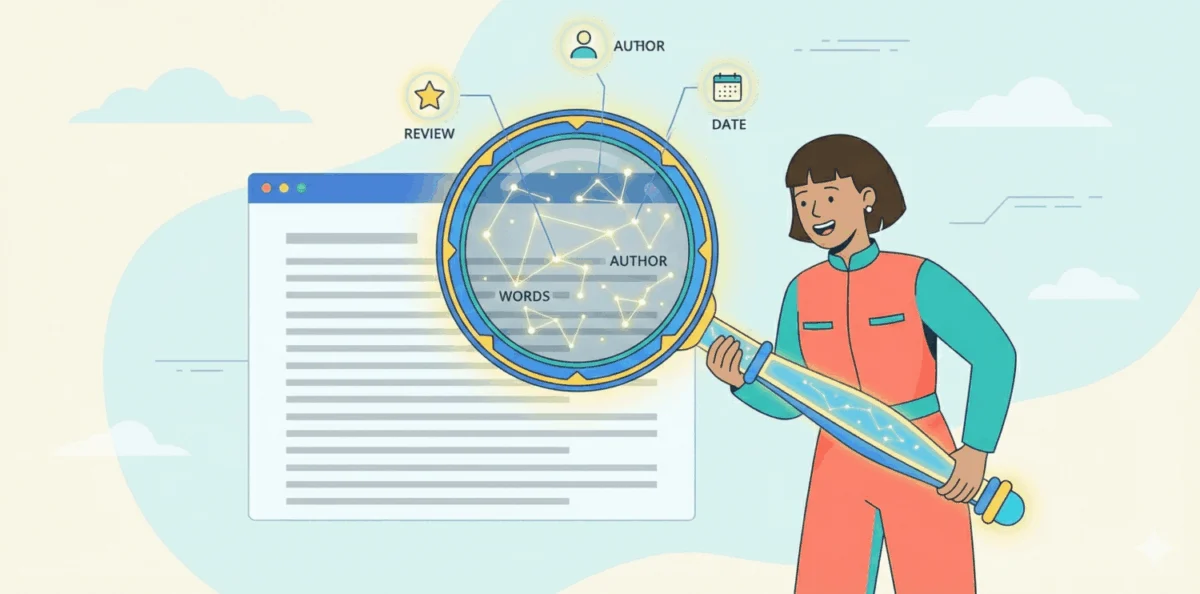
San Francisco, CA – A quiet revolution is reshaping the digital landscape, demanding a fundamental shift in how brands approach their online presence. Forget the traditional metrics of keywords and backlinks; marketers now face a new, critical imperative: "entities." This isn’t a nebulous concept from a science fiction novel, but a tangible mechanism by which artificial intelligence models understand, categorize, and trust information sources. If your brand, and more critically, the human experts within it, aren’t recognized as distinct, verifiable entities, your digital visibility in the age of AI-driven search is at profound risk.
The stakes are higher than ever. As millions of users increasingly turn to AI tools for instant answers rather than conventional search engine queries, the ability of these models to identify and cite authoritative sources becomes paramount. In this new paradigm, an entity represents a recognized, categorized, and contextualized information source – be it a person, an organization, a product, or a concept. For businesses, this means not only ensuring their brand registers as a primary entity but also elevating their internal thought leaders and specialists into their own machine-legible profiles, complete with verifiable context, connections, and citations. This strategic pivot moves beyond mere "thought leadership" and delves deep into the architecture of structured data, transforming living expertise into an algorithmic asset.
The Evolving Landscape of Digital Credibility: A Chronology
The journey to "entities" in AI search is a natural progression in the evolution of how we find and trust information online. For decades, search engine optimization (SEO) revolved around keywords, links, and technical efficiency. The goal was to signal relevance to algorithms that were, in essence, sophisticated indexing machines.
Early Search (1990s-early 2000s): Keyword Dominance
In its infancy, search was largely a battle of keywords. Websites stuffed with relevant terms and a high volume of backlinks often ranked well. The focus was on matching user queries with text on a page, with less emphasis on the underlying authority or veracity of the source.
The Rise of Semantic Search (Mid-2000s-2010s): Understanding Intent
As search engines matured, they began to move beyond simple keyword matching. Google’s Hummingbird update in 2013, for instance, signaled a shift towards understanding the intent behind a query and the meaning of content. This era saw the introduction of knowledge graphs – databases of entities and their relationships – which allowed search engines to provide more direct answers to factual questions by understanding real-world objects, people, and concepts. The emphasis began to shift from what words were on a page to what those words represented.
The AI Inflection Point (Late 2010s-Present): Trust, Context, and Generative Answers
The advent of large language models (LLMs) and generative AI has fundamentally reshaped this landscape. AI-driven search tools, like those integrated into ChatGPT, Perplexity, or Google’s SGE (Search Generative Experience), don’t just index information; they synthesize it. They aim to provide direct, comprehensive answers, often drawing from multiple sources.
In this environment, the concept of "entities" has become critical. For an AI model to confidently generate an answer and attribute it, it needs to understand who or what produced the original information, its credibility, and its relationship to other known facts. This is where the shift from anonymous brand content to verifiable human expertise becomes paramount. AI models are not just looking for information; they are looking for trusted sources, and increasingly, those sources are identifiable individuals with established authority. This chronological progression underscores a clear trend: the digital world is moving towards a more human-centric, credibility-driven model, even as the underlying technology becomes more complex.
Supporting Data: Why Human Expertise Outranks Anonymous Brand Content
The algorithmic preference for identifiable human expertise is not anecdotal; it’s a measurable trend backed by research and a deeper understanding of how modern AI models operate. For brands, recognizing and acting on this shift is no longer optional—it’s a strategic imperative.
The Credibility Imperative: E-E-A-T and Beyond
At the heart of this shift lies the concept of credibility. Google’s Search Quality Rater Guidelines, which inform algorithm development, have long emphasized E-A-T (Expertise, Authoritativeness, Trustworthiness), recently expanded to E-E-A-T (Experience, Expertise, Authoritativeness, Trustworthiness). These principles guide how algorithms evaluate the quality and reliability of information. An article authored by "The Marketing Team" inherently carries less weight in this framework than one attributed to a specific individual with demonstrable experience and a robust digital footprint in their field.
Research from BrightEdge, a leading SEO platform, explicitly identifies author expertise as one of the key quality signals AI algorithms use to evaluate trustworthiness and relevance. This means that a well-written article, regardless of its content quality, may struggle to gain algorithmic traction if its authorship is generic or untraceable to a credible individual. Search Engine Land further reinforces this, noting that "verifiable authorship makes your content stand out as trustworthy in a sea of generic AI material." In an age where AI can rapidly generate vast quantities of text, human-authored content, particularly when linked to a recognized expert, becomes a powerful differentiator.
Audience Trust: People Over Logos
Beyond algorithmic preference, there’s a fundamental human element at play. Buyers and decision-makers consistently place more trust in individuals than in faceless corporate entities. The 2024 Edelman-LinkedIn B2B Thought Leadership Impact Report revealed a stark reality: nearly three-quarters (73%) of decision-makers state that an organization’s thought leadership content provides a more trustworthy basis for assessing its capabilities than its general marketing materials. This signifies a profound shift in how influence is wielded in the B2B space. When a company’s Chief Technology Officer shares insights on AI ethics, or its Chief Economist publishes a byline in a respected industry journal, that content resonates more deeply because it’s rooted in verifiable, individual expertise.
This dual validation—from both sophisticated algorithms and discerning human audiences—underscores the strategic value of elevating internal experts. When brands empower their specialists to become visible, verifiable entities, they significantly improve their chances of being cited in AI-generated answers and, crucially, of influencing real-world purchasing decisions.
The Algorithmic Advantage: Knowledge Graphs and Disambiguation
From an algorithmic perspective, entities are the building blocks of understanding. AI models rely on sophisticated knowledge graphs to map out relationships between people, places, things, and concepts. When an expert is recognized as an entity, the AI can:
- Disambiguate: Distinguish between individuals with similar names or roles, ensuring the correct expert is associated with their specific domain.
- Contextualize: Understand the expert’s field of specialization, their affiliations, their historical contributions, and their network of influence.
- Verify: Cross-reference information about the expert across multiple trusted sources on the web, building confidence in their authority.
- Connect: Link the expert’s insights to specific topics, products, or industry trends, making their knowledge more discoverable and citeable.
Without this entity-level recognition, an expert’s insights risk becoming isolated data points, unlinked from the broader web of knowledge that AI models use to construct comprehensive and authoritative answers.
Official Responses: Implementing an Entity Strategy for Internal Experts
Translating internal human expertise into machine-legible entities requires a systematic approach, involving three interconnected layers of implementation. This isn’t merely about publishing content; it’s about architecting digital identities that algorithms can recognize, trust, and leverage.
1. The Digital Passport: Optimizing Authorship Metadata
The foundational layer involves defining and standardizing the digital identity of each expert. Think of this as creating a "digital passport" for your internal specialists – a clear, consistent, and comprehensive profile that algorithms can easily interpret. Inconsistency here is a major pitfall; a CTO appearing as "J.R. Martinez" on a blog, "John Martinez, JD" on LinkedIn, and "John Martinez" on a conference agenda might be one person to a human, but potentially three distinct entities to an algorithm.
Key Components of an Optimized Digital Passport:
- Consistent Naming and Affiliation: Ensure the expert’s full name, professional title, and organizational affiliation are identical across all company-owned digital properties (website, blog, press releases, social media profiles).
- Rich, Detailed Biographies: Move beyond generic job descriptions. Craft compelling bios that highlight specific achievements, quantifiable impact, key publications, significant speaking engagements, and relevant professional experience (e.g., "former VP of Product at Salesforce, led three product launches generating $50M ARR, published in Harvard Business Review"). These details provide crucial context for AI to understand the scope and depth of their expertise.
- Dedicated Author Pages: Every expert contributing content should have a dedicated, SEO-optimized author page on your website. This page should house their detailed bio, professional headshot, links to their social media profiles (especially LinkedIn), and a comprehensive list of all content they have authored or contributed to on your site.
- Professional Headshots: A consistent, high-quality headshot across all platforms enhances recognition and reinforces the human element of the entity.
Action Items for Marketers:
- Standardize Expert Profiles: Develop a style guide for expert names, titles, and biographical information to ensure uniformity across all digital touchpoints.
- Create Robust Author Pages: Design and implement dedicated author pages on your website for every contributing expert, ensuring they are easily discoverable and richly detailed.
- Audit Existing Content: Review all existing content for authorship consistency and update generic "Marketing Team" bylines to specific experts where appropriate.
- Implement Schema Markup (Person/Organization): Integrate
Schema.org/Personmarkup on all expert bio pages andSchema.org/Organizationmarkup on your company’s main profiles. This provides explicit, machine-readable data about the expert and their affiliation.
2. The Web of Influence: Building Cross-Platform Credibility
Once an expert’s digital identity is clearly defined, the next layer focuses on extending their presence and validating their authority across the broader web. AI engines, much like human audiences, assess credibility by observing an entity’s activity and recognition in trusted, external spaces. An expert who is active only on a company blog might be a whisper in the void; one who engages on LinkedIn, appears on industry podcasts, speaks at major conferences, and is quoted in respected publications becomes a resonant voice.
Signals of Cross-Platform Credibility:
- Professional Social Media Engagement: Active and consistent engagement on platforms like LinkedIn, especially in relevant industry discussions, signifies ongoing expertise and thought leadership.
- External Publications and Bylines: Contributions to industry trade magazines, respected news outlets, or academic journals (either directly authored or as quoted experts) are powerful external validations.
- Speaking Engagements: Presentations at industry conferences (e.g., CES, SXSW), webinars, or panel discussions demonstrate recognized authority and ability to communicate complex ideas.
- Media Mentions and Interviews: Being quoted or interviewed by reputable news organizations or podcasts further solidifies an expert’s standing.
- Academic Affiliations and Publications: For certain fields, academic credentials, research papers, or university affiliations lend significant weight.
Action Items for Marketers:
- Facilitate LinkedIn Presence: Encourage and support experts in maintaining active, professional LinkedIn profiles, including sharing company content and engaging in relevant discussions.
- Identify Speaking Opportunities: Proactively research and pitch experts for speaking slots at key industry conferences, webinars, and virtual events.
- Cultivate Media Relationships: Build relationships with journalists and editors, positioning your internal experts as go-to sources for commentary and insights in their respective fields.
- Seek Guest Post Opportunities: Identify reputable industry blogs and publications where your experts can contribute guest articles, extending their reach and validating their authority.
- Promote External Recognition: Actively promote your experts’ external appearances, awards, and publications across your company’s own channels to reinforce their credibility.
3. The Algorithmic Bridge: Connecting Human Voices to Structured Data
The final layer closes the loop, directly linking who your experts are and where they appear to what they know. This is where human knowledge is meticulously translated into data that machines can easily understand, retrieve, and cite. A brilliant article on API security authored by your VP of Product will struggle to achieve full algorithmic recognition unless that article explicitly links her name to the subject matter using structured data.
The Role of Structured Data:
- Schema.org Markup: This is the universal language for structured data on the web. By embedding specific
Schema.orgtypes, marketers can provide explicit signals to AI models.Schema.org/Person: Used on author bio pages to describe the expert (name, job title, affiliation,sameAslinks to LinkedIn/Wikipedia).Schema.org/Article: Used on content pages to describe the article, crucially including theauthorproperty that links directly to thePersonschema of the expert.mentionsProperty: Can be used withinArticleschema to highlight specific entities (people, organizations, concepts) that the article discusses, further enriching contextual understanding.
- Knowledge Graph Integration: Structured data feeds directly into knowledge graphs, allowing AI models to build a richer, more interconnected understanding of your experts and their contributions.
- Data Consistency and Formats: Ensuring data is captured in consistent, standardized formats (e.g., JSON-LD for schema markup) makes it effortless for AI systems to parse and utilize.
Action Items for Marketers:
- Implement
Schema.org/PersonandSchema.org/Article: Work with development teams to ensure all expert author pages and their associated content pieces are properly marked up with these schema types, linking the author to the article. - Leverage
sameAsProperty: OnPersonschema, includesameAslinks to the expert’s verified LinkedIn profile, Wikipedia page (if applicable), or other authoritative external profiles. This helps AI cross-reference and confirm identity. - Audit Content for Entity Mentions: Develop a process to identify key entities (other experts, companies, concepts) mentioned within articles and consider using
mentionsproperties in schema where relevant. - Regular Schema Audits: Periodically audit your website’s structured data to ensure it is correctly implemented, valid, and up-to-date, adapting to any new Schema.org recommendations.
Implications: Overcoming Barriers and Playing the Long Game
Implementing an entity-driven strategy is transformative, but it’s not without its challenges. The primary hurdle often lies not in technical execution, but in securing the consistent participation of busy internal experts.
Common Barriers to Expert Participation:
- Time Constraints: Executives and subject matter experts (SMEs) are often heavily scheduled, viewing content creation as an additional burden.
- Lack of Clear Process: Without a streamlined, low-friction workflow, content requests can feel disorganized and demanding.
- Perceived Lack of Value: Experts may not fully grasp the direct benefits of content creation for their personal brand or the company’s visibility.
- Fear of Public Exposure/Critique: Some experts are uncomfortable with the public spotlight or concerned about potential scrutiny of their views.
- Internal Silos/Politics: Turf wars or a lack of inter-departmental collaboration can hinder content flow and expert access.
- Lack of Recognition/Incentive: If there’s no clear recognition or career benefit for their contributions, experts may deprioritize content initiatives.
Extraction Tactics That Work:
Overcoming these barriers requires a blend of strategic planning, empathetic communication, and robust operational support. Most content programs stall not due to a lack of ideas from experts, but because of inadequate infrastructure to facilitate their contributions.
- "Interview-to-Content" Model: Instead of asking experts to write, conduct structured interviews (recorded and transcribed) that content teams then transform into articles, blog posts, or social media content. This significantly reduces the time burden on experts.
- Dedicated Content Support: Assign specific content strategists, writers, and editors to manage expert content from ideation to publication, acting as ghostwriters, editors, and project managers.
- Clear Value Proposition & KPIs: Articulate the direct benefits to the expert (personal brand building, industry recognition, career advancement) and link their contributions to broader company KPIs (e.g., increased organic traffic, improved search rankings for key topics, lead generation).
- Executive Buy-in and Endorsement: Secure support from senior leadership, who can model participation and underscore the strategic importance of expert-driven content.
- Template-Driven Contributions: For shorter-form content (e.g., social media posts, quick insights), provide experts with simple templates or prompts to guide their contributions.
- Content Calendar Transparency: Share a clear content calendar that outlines upcoming topics, deadlines, and the expected commitment from experts, allowing them to plan accordingly.
- "Repurposing First" Mindset: Maximize the impact of every expert interaction by planning how a single interview or presentation can be repurposed into multiple content formats (article, podcast snippet, social media thread, video script).
- Recognition and Amplification: Publicly acknowledge and celebrate expert contributions, sharing their content widely across company channels and encouraging internal teams to do the same.
The Long Game: Compounding Visibility
Building expert authority as recognized entities is not a short-term campaign; it’s a sustained, strategic endeavor. You won’t see results in 30 days. AI systems require consistent, credible signals across various platforms before they begin to confidently cite your experts by name in generated answers.
However, bit by bit, these consistent signals create a robust "map of expertise" that algorithms increasingly rely upon. Each verified appearance, every piece of structured data, and every external citation contributes to a compounding effect on visibility. Over time, AI models develop a deep understanding of who knows what, establishing a network of trusted authorities. The organizations that commit to consistently contributing credible, entity-linked information will not only dominate their respective fields in AI search but will actively shape how those fields are defined and understood in the years to come.
While the jargon of "entities" may sound intimidating, its implications are profoundly practical. It underscores a fundamental truth: in an increasingly automated world, the verifiable, human element of expertise remains the ultimate currency of trust. By elevating their internal experts, brands are not just playing a new SEO game; they are building a more authoritative, credible, and visible future for themselves in the age of artificial intelligence.