In the rapidly evolving landscape of digital entrepreneurship, the barrier to entry has traditionally been defined by two heavyweights: capital and logistics. For decades, the dream of owning an e-commerce brand was tethered to the reality of warehousing, shipping infrastructure, and the immense financial risk of holding physical stock. However, a new paradigm has emerged, haunting the traditional retail model and offering a leaner, more agile path to profitability: Ghost Commerce.
Ghost commerce—the practice of selling products online without ever touching physical inventory or operating a brick-and-mortar storefront—has become the preferred model for a new generation of digital nomads and bootstrapped entrepreneurs. But is this "invisible" business model truly the path to sustainable wealth, or is it merely a fleeting trend in the saturated world of digital retail?
Main Facts: Deconstructing the Ghost Commerce Model
At its core, ghost commerce is the ultimate iteration of the lean startup methodology. It is an online store that functions as a sophisticated, branded storefront, yet it carries zero physical footprint. Unlike traditional e-commerce, where the merchant is responsible for procurement, storage, and fulfillment, the ghost commerce operator acts as a highly specialized marketing and sales layer.
The Mechanics of the "Ghost"
- Third-Party Integration: The store acts as a digital interface. When a customer places an order, the transaction data is automatically routed to a third-party manufacturer or supplier.
- Inventory-Less Operations: Because the merchant holds no stock, the traditional "cost of goods sold" (COGS) is replaced by a wholesale-to-retail margin structure.
- Automation-First Architecture: The model relies heavily on API integrations between the storefront (e.g., Shopify or WooCommerce) and the supplier’s fulfillment system.
This model effectively separates the "business of selling" from the "business of making." By stripping away the logistical overhead, the entrepreneur is free to focus exclusively on brand identity, customer acquisition, and community engagement.

Chronology: The Evolution from Dropshipping to Ghosting
The shift toward ghost commerce did not happen overnight. It is the result of a decade-long maturation of the digital economy.
- 2010–2015: The Rise of Dropshipping. Early e-commerce pioneers began using platforms like AliExpress to list products on eBay or rudimentary Shopify stores. This was the "Wild West" era, characterized by long shipping times and low-quality goods.
- 2016–2019: The Professionalization of Fulfillment. As customers demanded faster shipping, logistics companies began offering "white-label" services, allowing small merchants to brand their packaging, effectively masking the fact that they weren’t the manufacturer.
- 2020–2022: The Pandemic Catalyst. Global supply chain disruptions forced businesses to re-evaluate their inventory strategies. The pivot to "asset-light" models became a survival mechanism, leading to the formalization of the "Ghost Commerce" term.
- 2023–Present: The Era of Brand Authority. Today, successful ghost commerce is no longer about flipping cheap goods. It is about "brand building"—creating a high-authority niche store that partners with premium manufacturers to offer a curated experience that mimics, or even exceeds, traditional retail.
Supporting Data: Why the Model Works (And Where It Struggles)
The appeal of ghost commerce is rooted in its fiscal efficiency. According to recent industry analysis, the startup costs for a traditional e-commerce store—accounting for initial inventory, warehousing leases, and staff—can exceed $20,000 to $50,000. Conversely, a ghost commerce venture can often be launched for less than $1,000, primarily allocated toward website hosting, domain registration, and initial ad spend.
The Margin Reality
While the barrier to entry is low, the margins are inherently tighter. In a traditional retail model, owning the supply chain allows for significant price control. In ghost commerce, you are essentially a reseller.
- The Margin Spread: Most ghost commerce operators operate on a 15% to 30% margin.
- The Volume Requirement: Because of these thinner margins, the model relies on high-volume traffic and high-intent marketing.
- Customer Lifetime Value (CLV): Data indicates that the most successful ghost commerce brands are those that move away from "one-off" sales and transition into subscription-based models or repeat-purchase cycles.
Official Perspectives: The Experts’ Take
Industry experts and business coaches often highlight that while the "ghost" aspect is an advantage, it is also a liability.
"The biggest mistake entrepreneurs make is thinking they don’t have to provide value," says one digital strategy consultant. "If you are just a middleman, you are replaceable. If you are a brand, you are an asset."
The consensus among successful founders is that the "ghost" model requires a shift from being a "store owner" to being a "content creator." You aren’t just selling a sneaker; you are selling the aesthetic and the lifestyle of the athlete who wears it. Without that brand equity, a ghost store is invisible in a crowded search engine market.
Implications: The Long-Term Viability of Asset-Light Retail
The implications of the ghost commerce model for the future of retail are profound. As AI and automation tools become more sophisticated, the "middleman" layer of the supply chain is being squeezed.
1. The Quality Control Crisis
The greatest implication for the industry is the reputation risk. Because the ghost entrepreneur does not manage the warehouse, they are at the mercy of the supplier’s quality standards. A single bad batch of products can ruin a brand’s reputation on platforms like Trustpilot or social media.
2. The Shift to "Content-First" Retail
We are seeing a convergence of media and commerce. Ghost commerce brands that survive are those that function as media outlets. They produce high-quality video, SEO-driven blogs, and influencer-led content that attracts an audience before the product is even introduced.
3. Regulatory Pressure
As these models grow, governments are increasingly looking at the responsibility of the "seller of record." Entrepreneurs must be aware that they are legally responsible for the products they market, regardless of who manufactures them. Compliance with consumer protection laws remains a critical, albeit often ignored, pillar of the business.
Strategic Implementation: How to Build Your Ghost Brand
For those ready to enter the space, success depends on a disciplined, four-phase approach.
Phase 1: The Niche Deep-Dive
Avoid the "General Store" trap. Trying to sell everything results in selling nothing. Instead, leverage your own expertise. If you have a background in fitness, focus on a specific sub-niche—like recovery tools for marathon runners. This allows you to speak the language of your customer, which is the most effective form of marketing.
Phase 2: Technical Optimization (The "Ducks in a Row")
Search engine optimization (SEO) is your primary engine for free, organic traffic. During the setup process:
- Meta Descriptions: Ensure every product page has a unique, high-intent description.
- Alt-Text: Don’t neglect image metadata; it is a primary driver for traffic in visual niches.
- Speed: A ghost store is only as good as its load time. Use light, fast themes to ensure your site doesn’t bounce visitors.
Phase 3: The Supplier Vetting Process
Never partner with the first supplier you find on a directory. Conduct a "test purchase." Order the product, time the delivery, inspect the packaging, and even intentionally initiate a return. If the process is seamless for you, it will be seamless for your customer. If it is clunky, keep looking.
Phase 4: Marketing with Authority
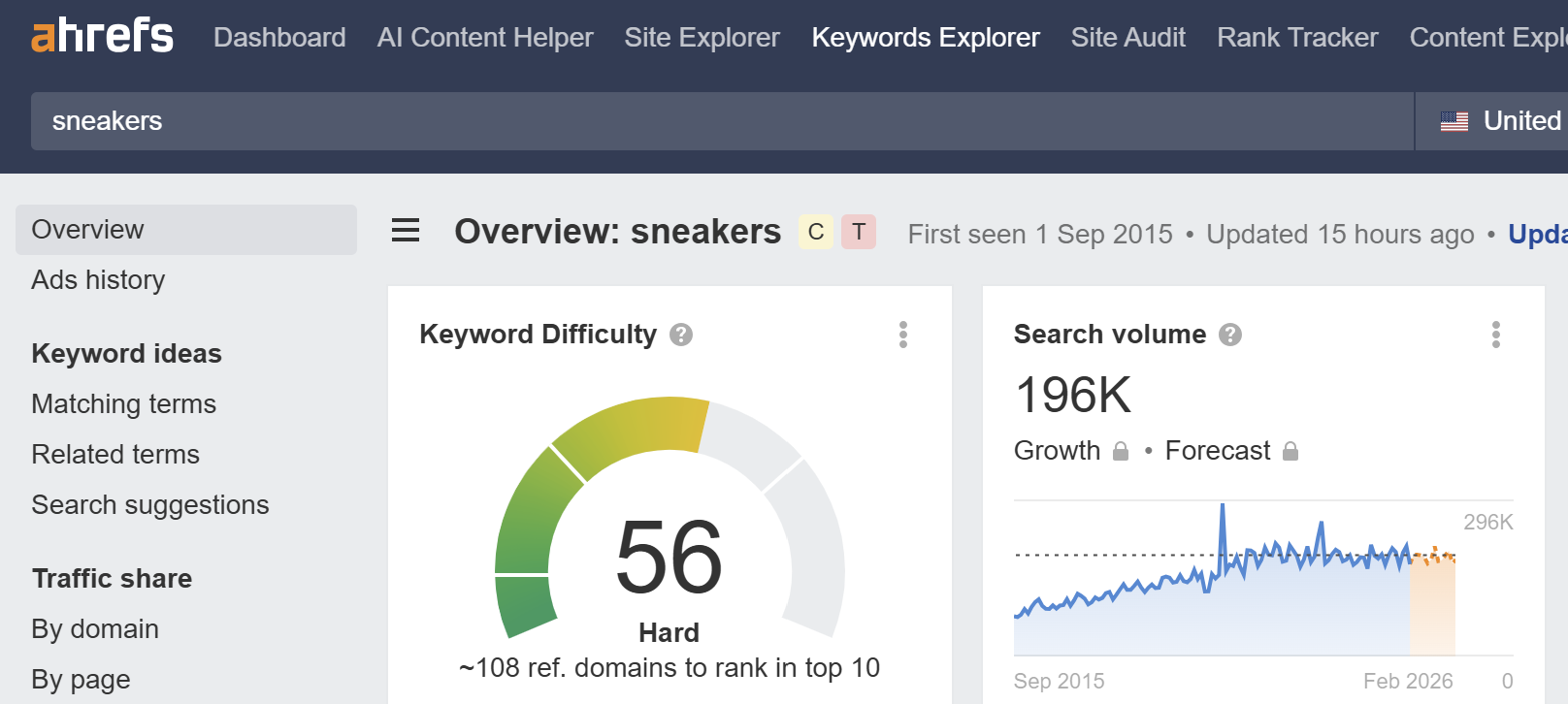
Stop competing with giants like Nike or Amazon for broad keywords. You will never win the "sneakers" keyword. Instead, target the "long-tail" search intent. Focus on phrases like "best lightweight shoes for cross-training." These terms have lower search volume but much higher conversion rates because the customer knows exactly what they want.
Conclusion: Is Ghost Commerce for You?
Ghost commerce is undeniably one of the most low-risk, high-reward ways to enter the world of entrepreneurship. By eliminating the inventory burden, you are effectively buying yourself the time and space to experiment with branding, marketing, and audience building.
However, it is not a "get rich quick" scheme. It is a business model that demands a high degree of technical proficiency, a deep understanding of digital marketing, and a relentless commitment to customer experience.
For those willing to put in the work, the infrastructure exists to turn an idea into a global brand without ever owning a warehouse. The ghosts are in the machine, and they are building empires. The only question remains: are you ready to stop managing inventory and start managing a brand?