In the vast, interconnected ecosystem of the web, WordPress stands as a titan, powering over 40% of all websites. Its strength lies in its accessibility and the massive, decentralized marketplace of plugins that allow users to customize their digital presence with a few clicks. However, this very openness has become the foundation for a sophisticated, invisible, and growing security crisis: the weaponization of the WordPress plugin supply chain.
For years, the WordPress community has focused on direct site attacks—brute force logins, SQL injections, and cross-site scripting. But a new, more insidious threat is emerging, one that bypasses the front door entirely by compromising the tools users trust most.
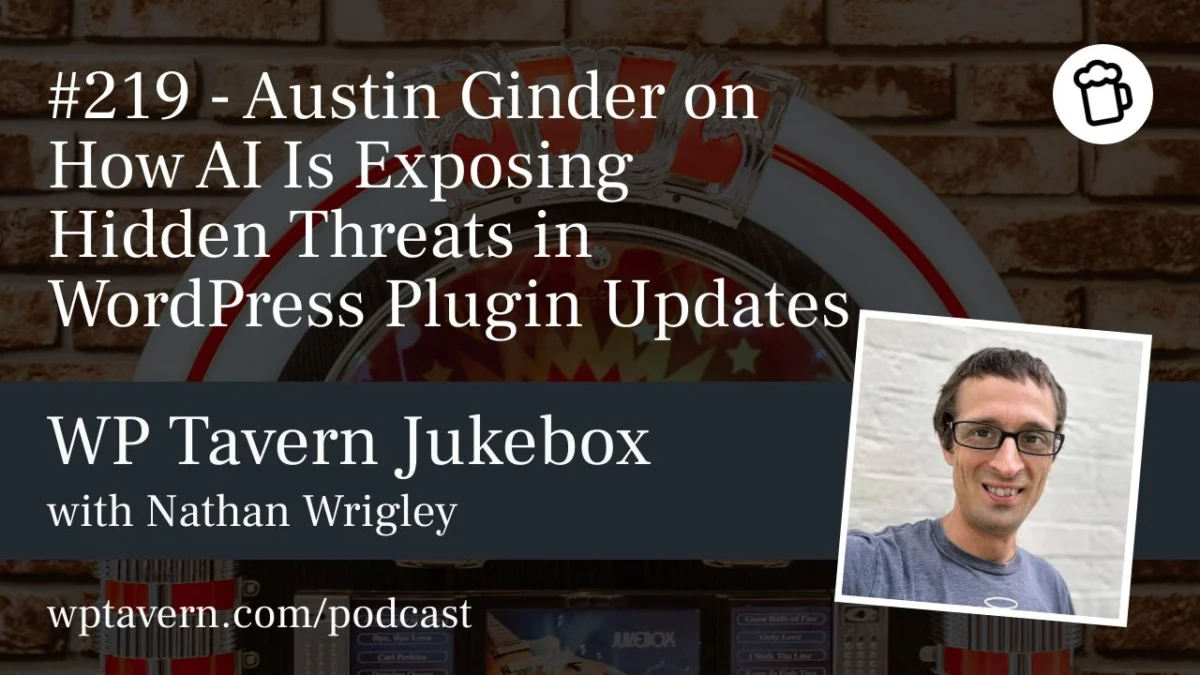
Austin Ginder, a long-time developer and the founder of the managed hosting service Anchor Hosting, has inadvertently become the tip of the spear in uncovering these threats. His journey from a routine malware cleanup to the creation of the WP Beacon Project serves as a stark warning: the next major vulnerability on your website might not be a flaw you failed to patch, but an update you trusted implicitly.
The Mechanics of the Supply Chain Attack
A supply chain attack is fundamentally different from a typical hack. Rather than targeting a single website, bad actors infiltrate the source—the software itself. According to Ginder, these attacks generally manifest in one of two ways.
In the first scenario, a hacker gains unauthorized access to a plugin developer’s credentials, hijacking the author’s account on the official WordPress repository. They then push a "malicious update" to thousands of users simultaneously. Because the update comes through official channels, it is treated as a routine maintenance task, often installing automatically while the site owner sleeps.
The second, and perhaps more alarming, strategy involves the outright acquisition of plugin companies. Attackers purchase well-regarded, long-standing plugins—sometimes for six-figure sums—solely to weaponize their established user base.
"What possesses someone to spend six figures to buy a suite of plugins and then weaponize them?" Ginder asks. The answer lies in the massive, latent potential for monetization through SEO spam, the injection of unauthorized ads, or the redirection of traffic. By the time a user realizes something is wrong, the "update" has already installed a persistent, obfuscated backdoor that is difficult to trace.
The Rogue Update Server: A Masterclass in Deception
One of the most devious techniques Ginder has identified involves the redirection of the update mechanism. WordPress plugins typically communicate with the official wordpress.org repository to check for updates. However, attackers are increasingly slipping "third-party updaters" into their code.
Once this malicious code is executed, the plugin ceases to pull updates from the official, audited repository. Instead, it offloads to a rogue, attacker-controlled server. "WordPress.org has zero visibility once that happens," Ginder explains. "You are running a hijacked plugin, and you don’t even know it."
This technique effectively severs the oversight of the WordPress Plugin Review Team. Because the malicious code is no longer hosted on the official platform, it remains invisible to the security measures designed to protect the repository. It is a "man-in-the-middle" attack on a global scale, hidden within the software’s own update logic.
AI as the Great Equalizer in Threat Detection
Before the advent of advanced AI tools, the task of auditing the 60,000+ plugins in the WordPress repository was a human impossibility. A single developer could never manually parse every line of code in every update.
Ginder credits his discovery of these attacks to a pivot in his own workflow. Facing persistent, recurring malware infections on client sites that traditional security scanners failed to fully resolve, he began utilizing AI models, such as Claude, to conduct deep-dive forensic analysis.
"AI has been my friend," Ginder says. "It’s about being in the right place at the right time, but also using the right tools."
By feeding raw codebase data into an AI, Ginder was able to identify patterns that were invisible to the human eye. He found that AI could rapidly compare a "clean" version of a plugin with a "compromised" version, highlighting the specific lines of code—often just a few characters—that established the malicious backdoors. This capability transformed his work from a series of reactive cleanups into a proactive, investigative project that now powers the WP Beacon initiative.
Case Studies: From "Essential Plugins" to "Scroll to Top"
The scale of the issue is not merely theoretical. Ginder points to several recent incidents that illustrate the breadth of the threat:
- The "Essential Plugins" Breach: In this instance, a massive suite of 30+ plugins was compromised following an acquisition. The WordPress Plugin Team eventually intervened, but not before the malicious code had been pushed to thousands of sites. The attack was so severe that the patches provided by the team had to include specific code to scan for and remove the unauthorized changes to the
wp-configfiles. - The Widget Logic Incident: Ginder’s own automated security monitoring flagged a suspicious JavaScript embed on a client site. Upon investigation, he discovered that a popular plugin had been subverted to inject sports-related spam code.
- The "Dormant" Threat: Perhaps most chilling is the discovery of plugins that are installed on thousands of sites but remain inactive. These plugins sit in wait, serving no immediate purpose, until the attacker decides to "pull the trigger." These dormant infections are essentially a time bomb, waiting for a centralized command to begin large-scale site poisoning or data exfiltration.
The Role of WP Beacon and Future Collaboration
Recognizing that the community lacked a centralized resource for tracking these specific "actor-based" threats, Ginder launched WP Beacon. Unlike traditional vulnerability databases that track CVEs (Common Vulnerabilities and Exposures) in existing code, WP Beacon focuses on the bad actors and their supply chain strategies.
"This is missing security research," Ginder notes. His goal is to provide a repository of intelligence that allows hosting providers and security researchers to identify the infrastructure behind these attacks. When a threat is identified and documented, researchers can work with ISPs and cloud providers to take down the attacker’s command-and-control servers, effectively neutralizing the threat at the source.
Ginder is optimistic about the role of the hosting industry. "Any hosting company out there that has more data than me is sitting on a gold mine," he says. By pooling data and applying AI-driven forensics, major hosts could identify these patterns across millions of sites, turning the tide against attackers who have operated with relative impunity for over a decade.
Implications for the Future of Open Source
The "Wild West" nature of WordPress is its greatest asset, but it is also its primary liability. The community remains divided on whether more "friction"—such as stricter vetting processes or sandbox-style permission systems—is necessary.
Ginder, however, warns against trying to turn WordPress into a restrictive environment. "I want to be in the Wild West," he says. "I want to be able to code and do what I want to do." Instead, he advocates for a culture of "100% code auditing."
He believes the solution lies in better tools, not more bureaucracy. If individual developers and agencies use AI to audit their own stacks—creating a "hash-based" verification system for their plugins—the community can effectively create a decentralized, crowd-sourced defense.
The reality, as Ginder admits, is that the threat will never be entirely eliminated. As long as there is profit in compromise, bad actors will continue to innovate. However, the emergence of AI as a defensive tool has fundamentally shifted the playing field. For the first time, the "defenders" have the capacity to analyze and monitor the entire supply chain in near real-time.
For the average site owner, the message is clear: trust, but verify. Security is no longer just about choosing the right plugin; it is about maintaining a constant vigilance over the updates that keep your digital presence alive. The work of Austin Ginder and the WP Beacon Project is the first step in a new era of proactive, AI-augmented security for the world’s most popular CMS.