The search marketing industry is undergoing a significant transformation, driven by rapid technological advancements and shifting macroeconomic priorities. As search engines integrate generative artificial intelligence and privacy regulations tighten around data tracking, the demand for highly skilled Search Engine Optimization (SEO) and Pay-Per-Click (PPC) specialists has reached a critical inflection point.
Data compiled from specialized job boards, including SEOjobs.com and PPCjobs.com, alongside active listings on LinkedIn, reveals a robust but highly selective hiring landscape. Major agencies and prominent in-house brands are actively seeking professionals who can bridge the gap between traditional search strategies and emerging technological frameworks.
From specialized roles focusing on generative AI integration to hybrid positions managing both paid social and PPC, this analysis explores the current state of search marketing recruitment, the historical context of these shifts, compensation trends, and what these changes mean for the future of digital marketing talent.
Main Facts: The State of Search Marketing Recruitment
The recruitment landscape in mid-2026 reflects an industry that has matured beyond isolated marketing channels. Organizations are no longer looking for siloed executioners; instead, they are prioritizing strategic operators capable of managing cross-channel performance and emerging search technologies.
An analysis of active job openings reveals several key trends:
- Emergence of AI-Specific Search Roles: Agencies are formalizing roles that merge traditional SEO with generative AI. A prime example is the opening for a Senior Manager SEO/Gen AI at global digital marketing agency Jellyfish in New York. This hybrid-model contract position highlights how agencies are structuring dedicated workflows around Generative Engine Optimization (GEO) and AI-driven search experiences.
- The Persistence of Remote Work: Despite widespread corporate mandates pushing for a return to physical offices, the search marketing sector remains highly accommodating of remote arrangements. Key positions, such as the Manager, Paid Search at NP Digital, the Search Engine Optimization Manager at Seer Interactive, and the Sr. Content Marketing Manager at Dayforce, are all offered as fully remote roles.
- The Rise of the Hybrid Practitioner: Mid-sized brands and agencies are increasingly looking to consolidate their media spend under single managers. The role of Digital Marketing Manager, Paid Social & PPC at 80Twenty in Newark, Delaware, illustrates a growing demand for practitioners who can seamlessly shift budgets and strategies between search (Google, Bing) and social (Meta, TikTok) networks.
- Niche and E-Commerce Specialization: Brands are seeking highly specific industry expertise. Velvet Caviar, a prominent fashion phone accessories brand, is actively hiring an SEO Marketing Manager with a dedicated focus on e-commerce, offering a competitive six-figure salary. Similarly, premium eyewear brand Maui Jim is recruiting a Paid Search Specialist in Peoria, Illinois, to drive retail search performance.
Chronology: From Pandemic Boom to the Generative AI Era
To understand the current hiring environment, it is necessary to examine how the search marketing job market evolved over the last several years. The trajectory of digital marketing recruitment has been marked by extreme volatility, stabilization, and technological disruption.
[2020–2021: Hyper-Expansion] ──> [2022–2023: Market Correction] ──> [2024–2025: AI Disruption] ──> [2026: The Integrated Era]Phase 1: The Pandemic E-Commerce Boom (2020–2021)
During the height of the COVID-19 pandemic, global lockdowns accelerated digital transformation by several years. E-commerce transaction volumes surged, forcing traditional brick-and-mortar brands to establish robust online presences overnight. This triggered an unprecedented hiring frenzy for SEO and PPC professionals. Salaries skyrocketed, sign-on bonuses became standard, and fully remote work became a non-negotiable expectation for job seekers.
Phase 2: Market Correction and Efficiency Mandates (2022–2023)
As physical retail reopened and rising inflation cooled consumer spending, the tech and digital marketing sectors experienced a sharp correction. Major tech companies instituted mass layoffs, and marketing agencies scaled back their headcounts. "Doing more with less" became the industry-wide mantra. Hiring managers shifted away from junior-level positions, focusing instead on senior practitioners who could directly demonstrate return on ad spend (ROAS) and maintain organic search visibility under constrained budgets.
Phase 3: The Generative AI Integration and Search Transformation (2024–2025)
The public launch of advanced large language models (LLMs) and Google’s subsequent rollout of AI-driven search experiences fundamentally altered the search landscape. Industry commentators predicted the "death of SEO," leading to temporary hiring freezes in content production.
However, as brands realized that AI-generated search environments required more sophisticated optimization rather than less, recruitment rebounded. Agencies began restructuring their teams, training search specialists in prompt engineering, data structuring, and Generative Engine Optimization (GEO).
Phase 4: The Stabilized, Multi-Disciplinary Era (2026)
Today, the job market has entered a period of mature stabilization. While technical execution remains critical, the premium is placed on strategic agility. Employers are seeking candidates who can navigate a privacy-first web (characterized by the deprecation of third-party cookies) and leverage AI to scale production without sacrificing brand authority or search rankings.

Supporting Data: A Deep Dive into Current Openings and Location Dynamics
An analysis of active job listings provides clear insights into where companies are investing their marketing budgets and how they are structuring compensation and working environments.
Active Job Listings in Search Marketing
| Company / Brand | Position | Location Type | Key Focus / Sector | Estimated/Listed Compensation |
|---|---|---|---|---|
| Velvet Caviar | SEO Marketing Manager | On-site / Remote Options | E-commerce / Retail Accessories | $100,000 – $120,000 |
| Jellyfish | Senior Manager SEO/Gen AI (FTC) | Hybrid (New York, NY) | Agency / Generative AI Integration | Competitive (Market Rate) |
| Seer Interactive | Search Engine Optimization Manager | Remote | Agency / Data-Driven SEO | Competitive (Market Rate) |
| NP Digital | Manager, Paid Search | Remote | Agency / Enterprise PPC | Competitive (Market Rate) |
| Talkiatry | Senior Manager, Paid Search | Hybrid (New York, NY) | Healthcare / Mental Health Services | Competitive (Market Rate) |
| 80Twenty | Digital Marketing Manager, Paid Social & PPC | Hybrid (Newark, DE) | Agency / Multi-Channel Performance | Competitive (Market Rate) |
| Maui Jim | Paid Search Specialist | On-Site (Peoria, IL) | Direct-to-Consumer / Eyewear | Competitive (Market Rate) |
| IMA | Digital Paid Marketing Manager | Remote | Professional Association | Competitive (Market Rate) |
| Dayforce | Sr. Content Marketing Manager | Remote | B2B Enterprise SaaS | Competitive (Market Rate) |
| Prosum | SEO Manager | On-Site (Dallas-Fort Worth) | IT Consulting & Staffing | Competitive (Market Rate) |
Key Takeaways from the Data
- Geography & Flexibility: Of the analyzed roles, approximately 50% are fully remote, 30% are hybrid, and 20% are strictly on-site. This demonstrates that while some regional employers (such as Maui Jim in Peoria or Prosum in Dallas) still value physical office presence, the national digital marketing talent pool remains largely distributed.
- Compensation Benchmarks: The $100,000 to $120,000 range offered by Velvet Caviar for an SEO Marketing Manager represents the standard market rate for mid-to-senior level in-house search specialists in high-growth consumer verticals.
- The Rise of Health-Tech Search: The listing by Talkiatry (a prominent psychiatric care provider) for a Senior Manager of Paid Search highlights the growing importance of search marketing in highly regulated fields. Search professionals in these spaces must possess deep knowledge of HIPAA compliance, consumer privacy, and Google’s strict policies regarding medical and healthcare advertising.
Industry Perspectives: How Agencies and Brands Are Adapting Their Talent Search
Industry leaders and talent acquisition specialists emphasize that the criteria for evaluating SEO and PPC candidates have shifted. Technical skills like keyword research and basic bid management are now considered baseline commodities.
The Agency Perspective: Data Literacy and Technical Agility
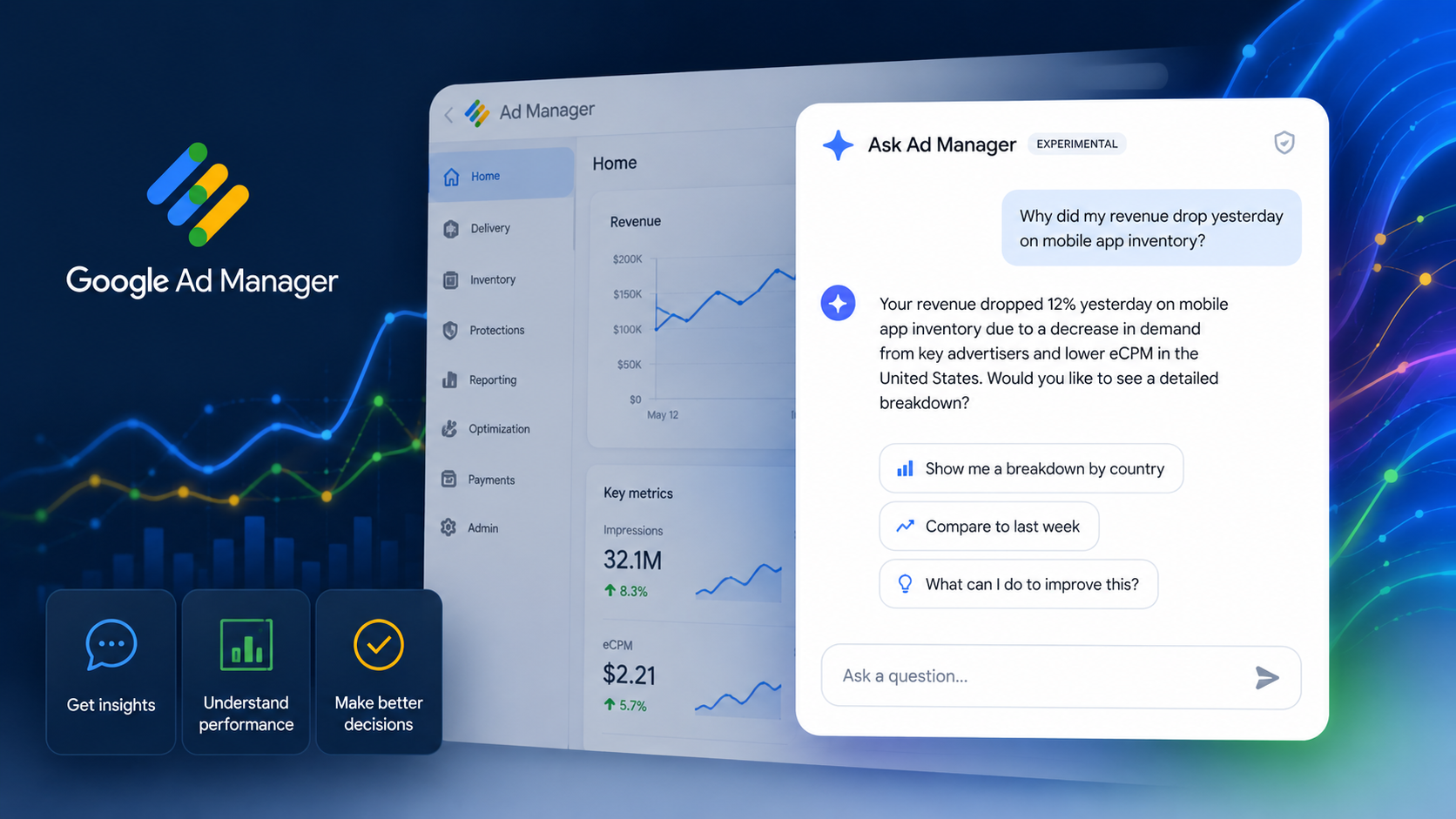
Leading agencies emphasize that modern search specialists must think like data analysts. With Google and Microsoft automating much of the keyword matching and bidding processes through features like Performance Max (PMax), the value of a PPC manager lies in their ability to feed the algorithms high-quality first-party data.
In public industry discussions, executives from agencies like NP Digital and Seer Interactive have consistently noted that the best search marketers are those who can integrate CRM systems, implement robust conversion tracking, and draw actionable business insights from analytics platforms. The demand is for professionals who understand the business intelligence behind the clicks, rather than just the metrics of the clicks themselves.
The Brand Perspective: Holistic Content and Brand Authority
For in-house brands, particularly in the B2B SaaS space (like Dayforce) and consumer retail (like Velvet Caviar), the focus has shifted toward holistic content authority.
"We are no longer looking for SEOs who write content solely for search engines," notes one in-house marketing director. "With AI search engines summarizing web content directly on the search results page, our content must be authoritative, highly original, and structured in a way that AI models can easily ingest and cite. We need content marketers who understand SEO, and SEOs who understand deep brand editorial standards."
Future Implications: What the 2026 Hiring Landscape Means for Search Professionals
The current distribution of job openings and the technological evolution of search engines carry profound implications for career development in digital marketing.
1. The Imperative of "AI-Literacy"
The Jellyfish listing for an "SEO/Gen AI" manager is not an anomaly; it is a preview of the industry’s future. Search professionals must proactively develop skills in:
- Schema Markup and Structured Data: Ensuring search crawlers and LLMs can accurately parse and interpret website data.
- LLM Optimization (GEO): Understanding how conversational search engines (like ChatGPT, Claude, and Google Gemini) source information and how to optimize brand visibility within those conversational outputs.
- AI-Assisted Workflows: Utilizing AI to scale data analysis, write code for technical SEO implementations, and streamline content planning without sacrificing quality.
2. The Blending of Paid and Organic Strategies
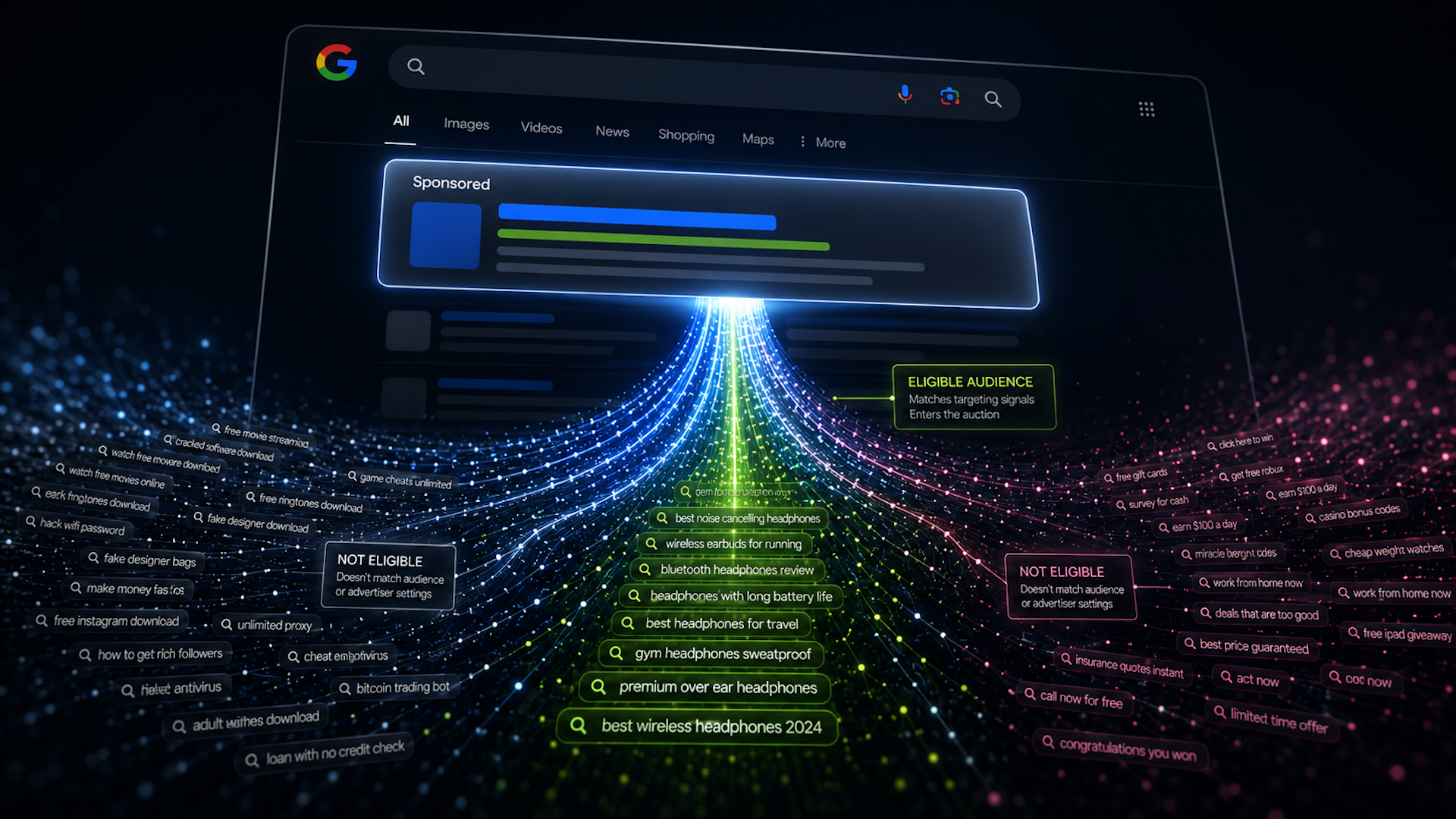
The division between SEO and PPC teams is rapidly dissolving. As search engine results pages (SERPs) become more dynamic and crowded with AI overviews and highly targeted shopping ads, brands must coordinate their organic and paid efforts to maximize real estate. Professionals who understand how organic visibility influences paid click-through rates—and vice versa—will command premium salaries in the coming years.
3. Specialization vs. Generalization
While there is a clear market for the "T-shaped" marketer (someone with broad digital marketing knowledge and deep expertise in one channel), extreme specialization in highly regulated niches is proving to be highly lucrative. Marketers who specialize in areas like healthcare (HIPAA-compliant search), financial services (YMYL—Your Money or Your Life compliance), or international multi-lingual e-commerce will find themselves in high demand, shielded from the broader fluctuations of the general tech job market.
Ultimately, the search marketing job market of 2026 rewards adaptability. The professionals landing key roles at top brands and agencies are those who view search not as a static set of rules, but as an ever-evolving ecosystem of user intent, technology, and business growth.