In the rapidly evolving landscape of 2026, the WordPress ecosystem stands at a critical inflection point. While the platform continues to power a significant portion of the internet, the mechanics of how businesses—agencies, product companies, and hosting providers—interact are undergoing a profound transformation. At the heart of this shift is a fundamental question: Is the industry prioritizing long-term, values-driven partnerships, or is it succumbing to a transactional, ROI-obsessed culture that threatens the very foundation of open-source collaboration?
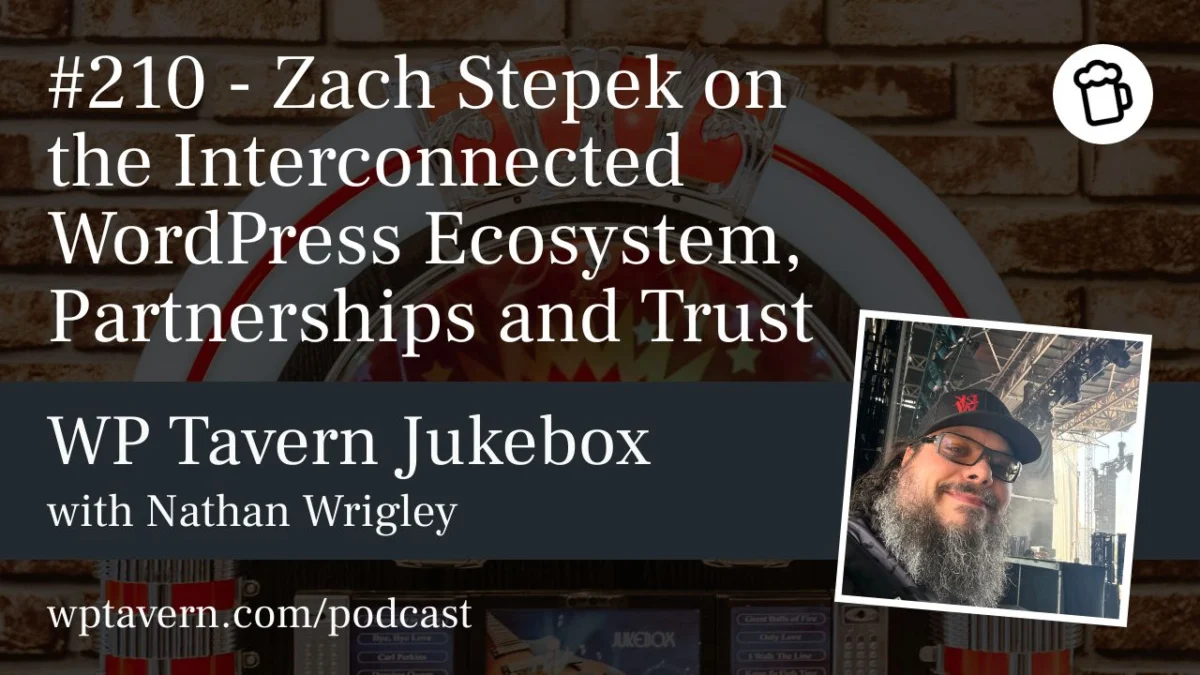
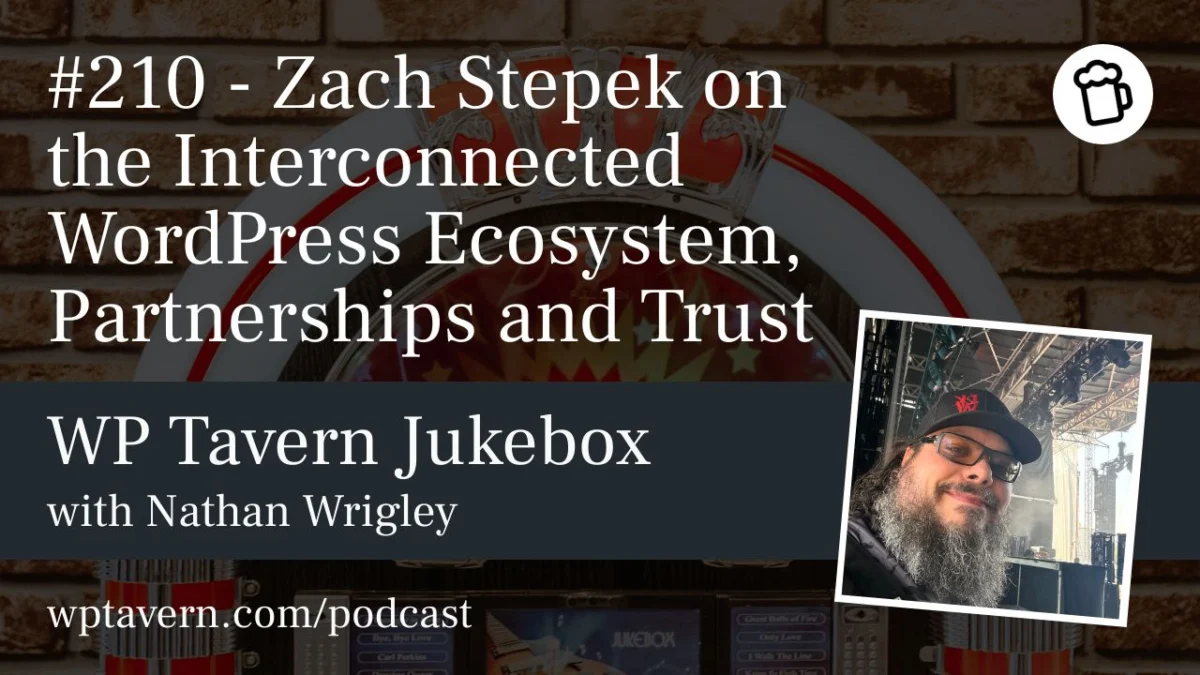
Zach Stepek, a veteran of the tech industry whose career spans from ColdFusion and Flash to the modern WordPress era, argues that the survival of the ecosystem depends on recognizing the "three pillars" of WordPress success. In a recent episode of the Jukebox Podcast, Stepek joined host Nathan Wrigley to dissect the state of partnerships, the perils of short-termism, and why "relationship equity" is the most durable asset a company can possess.
The Three Pillars: An Interconnected Ecosystem
To understand the current state of WordPress, one must view it not as a fragmented collection of businesses, but as a deeply interconnected organism. Stepek identifies three primary entities that must work in harmony to ensure a site’s success:
- Agencies and Freelancers: The builders and architects who interpret client needs and implement solutions.
- Product Companies: The creators of plugins and themes (e.g., Gravity Forms, Kadence, Ollie) that provide the necessary functionality.
- Hosting and Infrastructure: The bedrock upon which the entire structure sits, serving as the digital "real estate" for the site.
Stepek likens the relationship between these layers to a Celtic knot—an intricate, never-ending connection where each piece relies on the others to form a stable whole. When one component fails—whether it’s a plugin conflict, a poorly supported theme, or inadequate hosting infrastructure—the entire structure is at risk.
"The strength of the whole is only as strong as the weakest of the parts," Stepek notes. He emphasizes that the most successful builds occur when these three entities move in concert, sharing knowledge and support, rather than acting as siloed vendors.
A Chronology of Collaboration: From Viral Moments to Institutional Maturity
Stepek’s perspective is informed by a diverse professional history that mirrors the evolution of the web itself. His early career in the Adobe ecosystem, particularly with Flash, provided a harsh lesson in how quickly an industry can vanish. When the "bottom fell out" of the Flash market, Stepek transitioned into support and eventually WordPress, a platform that offered greater longevity and community resilience.
His formative "WordPress moment" occurred when he helped a nonprofit, the Oscar Mike Foundation, manage a sudden surge of viral traffic during a televised event. The site, hosted on a small, donated VPS, collapsed under the load. The root cause? An email spool on the same server as the web application caused a memory crash.
This crisis was a catalyst for Stepek. It taught him that infrastructure is not just a utility; it is a critical business asset. This experience led him to WordCamp Milwaukee in 2015, where he connected with the WooCommerce team, eventually becoming a keynote speaker at WooConf 2017. Over the following decade, he witnessed the maturation of the WordPress ecosystem, moving from a hobbyist community to a professionalized, multibillion-dollar industry.
Supporting Data: The Cost of Transactional Thinking
The transition from a community-driven model to a corporate-dominated landscape has brought significant tension. In 2026, the influx of private equity and venture capital into the WordPress space has fundamentally altered the incentives for many companies.
The Rise of ROI-Driven Metrics
Stepek points out that when companies prioritize immediate ROI to satisfy investors, they often abandon the "rising tide" philosophy. In the past, companies might have invested in long-term bets—such as funding staff to contribute to WordPress Core or sponsoring community events—without demanding an immediate financial return. Today, these philanthropic efforts are often the first to be cut during "belt-tightening" periods.
The Infrastructure Squeeze
The technical reality of 2026 presents another hurdle: a global shortage of high-performance server components, driven largely by the massive computational requirements of AI and Large Language Models (LLMs). Hosting companies are now facing rising hardware costs. Stepek warns that businesses built on "three-dollar hosting" models are becoming unsustainable, as the cost of raw memory and processing power continues to climb. This creates a dangerous feedback loop where providers are tempted to cut support costs to maintain margins, further eroding the quality of the ecosystem.
Official Perspectives: The Value of Stewardship
While many firms are retreating, some industry leaders are doubling down on stewardship. Stepek highlights companies like WebDevStudios and the team behind ElasticPress as prime examples of businesses that understand the "forest-planting" approach. By releasing proprietary tools—like the Theme Switcher Pro—back to the community, these companies don’t just solve their own client problems; they create a better baseline for everyone.
"When partners focus on people, they focus on shared wins," Stepek says. "Trust and reputation compound over time. It’s not something you develop in a single conversation."
This stewardship approach is increasingly being recognized as a strategic advantage. As the market becomes saturated with transactional providers, agencies and clients are naturally gravitating toward partners who have a proven track record of contributing to the ecosystem.
Implications: The Inflexion Point of 2026
The implications for the WordPress ecosystem are clear: the industry is currently undergoing a stress test. The "slow erosion" of trust—what Stepek describes as "death by a thousand paper cuts"—is the greatest threat to the platform’s future.
The Erosion of Trust
When every interaction is treated as a transaction, trust disappears. In the current economic climate, fear is a powerful motivator, leading companies to circle the wagons rather than collaborate. However, this is ultimately shortsighted. By abandoning the community-focused model, companies risk losing their most loyal customer base: the developers and agencies who act as the primary gatekeepers for WordPress adoption.
Defining Success Beyond the Spreadsheet
To survive this inflection point, the community must redefine what "success" looks like. If ROI remains the only metric, the "soft" benefits of collaboration will continue to be undervalued. Stepek suggests that companies need to start tracking new signals:
- Collaboration Frequency: How often are partners proactively solving problems together?
- Relationship Equity: How much trust has been built with other key players in the ecosystem?
- Community Contribution: How does the company contribute to the long-term health of WordPress Core and the broader community?
The Future of Partnership Programs
The traditional "partner program"—often little more than a directory of logos—needs a total overhaul. True partnership programs should function as incubators for shared innovation. Hosting companies, in particular, occupy a unique position as the "landlords" of the ecosystem and have a vested interest in the health of the tenants (agencies and product companies) residing on their servers.
Conclusion: A Call for Patience
As the dust settles on the economic shifts of the mid-2020s, the companies that will emerge stronger are those that prioritize patience over panic. Stepek’s diagnosis is a sobering reminder that while software can be automated, the culture of open source cannot.
"The first casualty of fear is patience," Stepek concludes. For the WordPress ecosystem to thrive in the coming years, industry leaders must realize that their greatest asset is not their revenue, their market share, or their server count. It is the invisible thread of trust that binds them to their peers, their developers, and the community at large. Planting a forest takes longer than picking apples, but in the volatile digital economy of 2026, the forest is the only thing that will provide shade when the next storm arrives.