Most businesses treat their location pages as an afterthought—a digital chore to be checked off. They build thin, templated pages containing little more than a generic address, a phone number, and a city name swapped into the header.

If you are currently guilty of this, you aren’t just missing out on traffic; you are actively signaling to search engines that your content is low-value. Google sees through the "copy-paste" strategy, and today’s AI-driven search models, such as ChatGPT and Perplexity, are even more adept at identifying and ignoring redundant, thin content.
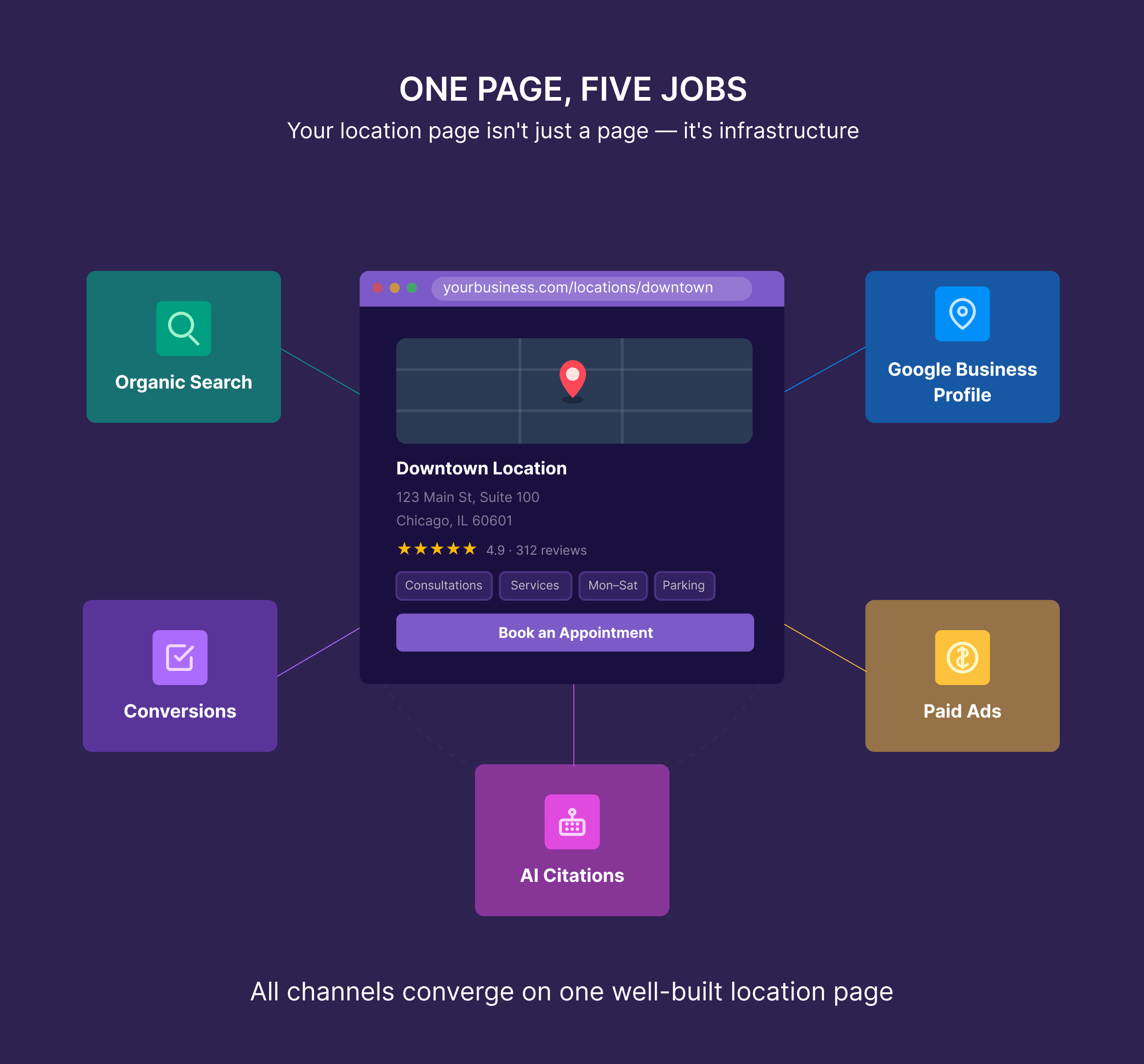
But when done correctly, a single location page is a powerhouse that performs five critical jobs: it satisfies search intent, builds trust, provides local logistical data, signals relevance to AI systems, and drives direct conversions. In this guide, we break down exactly how to move from "technically live" to "locally dominant."
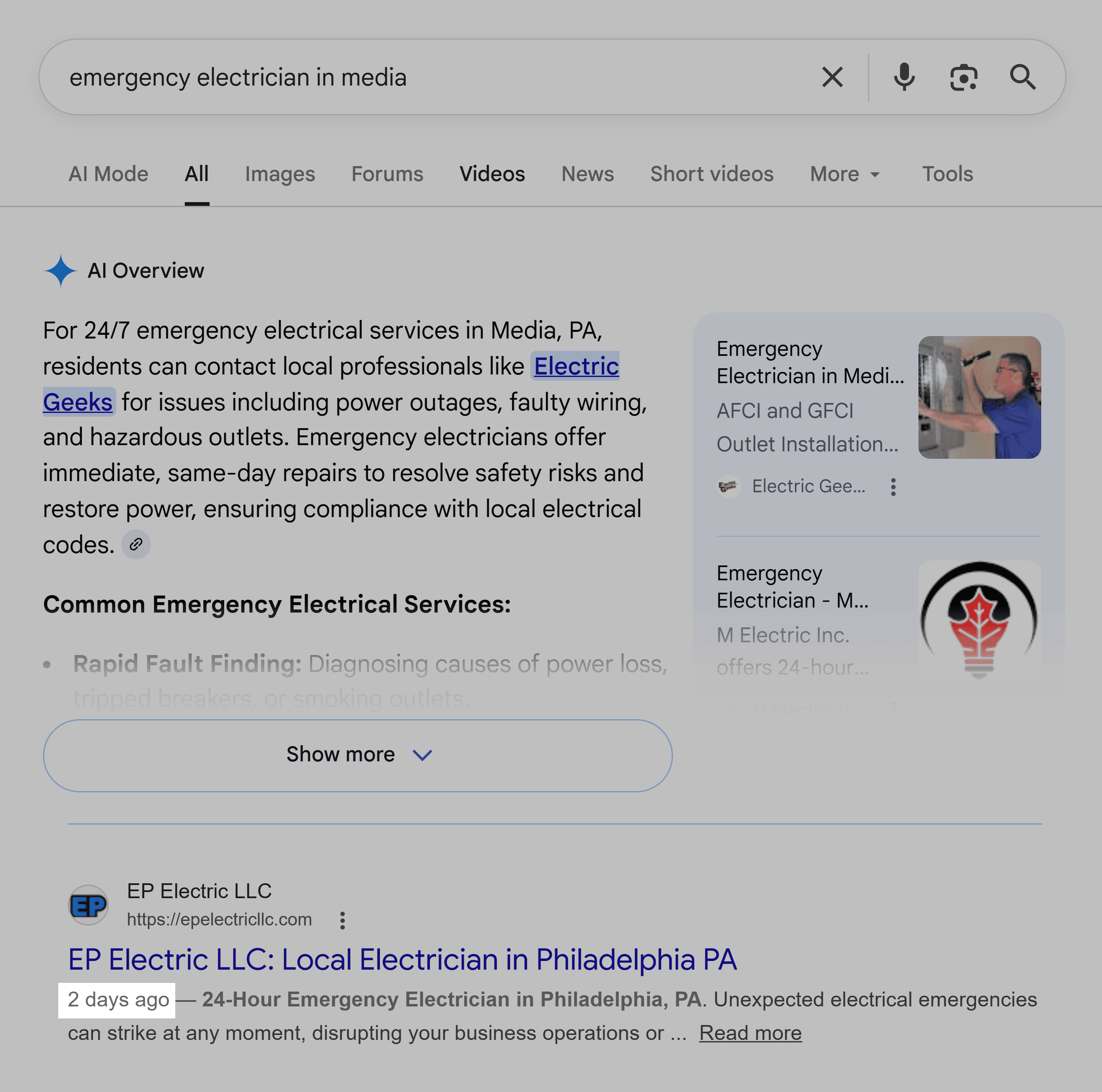
The Strategic Importance of Location Pages
A well-optimized location page is not just a landing page; it is a bridge between a digital query and physical commerce. I have built these pages for everyone from HVAC contractors and electricians to funeral homes and dental practices across dozens of markets.
The ones that rank—often within 48 to 72 hours—do not win because they are longer or stuffed with thousands of keywords. They win because they are architected to reflect how customers actually interact with that specific business. Whether you are managing three storefronts or three hundred service areas, the principle remains: relevance beats volume.
Understanding the Two Archetypes of Location Pages
Before you write a single line of copy, you must define the type of page you are building. Confusing these two will lead to poor UX, frustrated search crawlers, and a lack of trust from AI citation models.
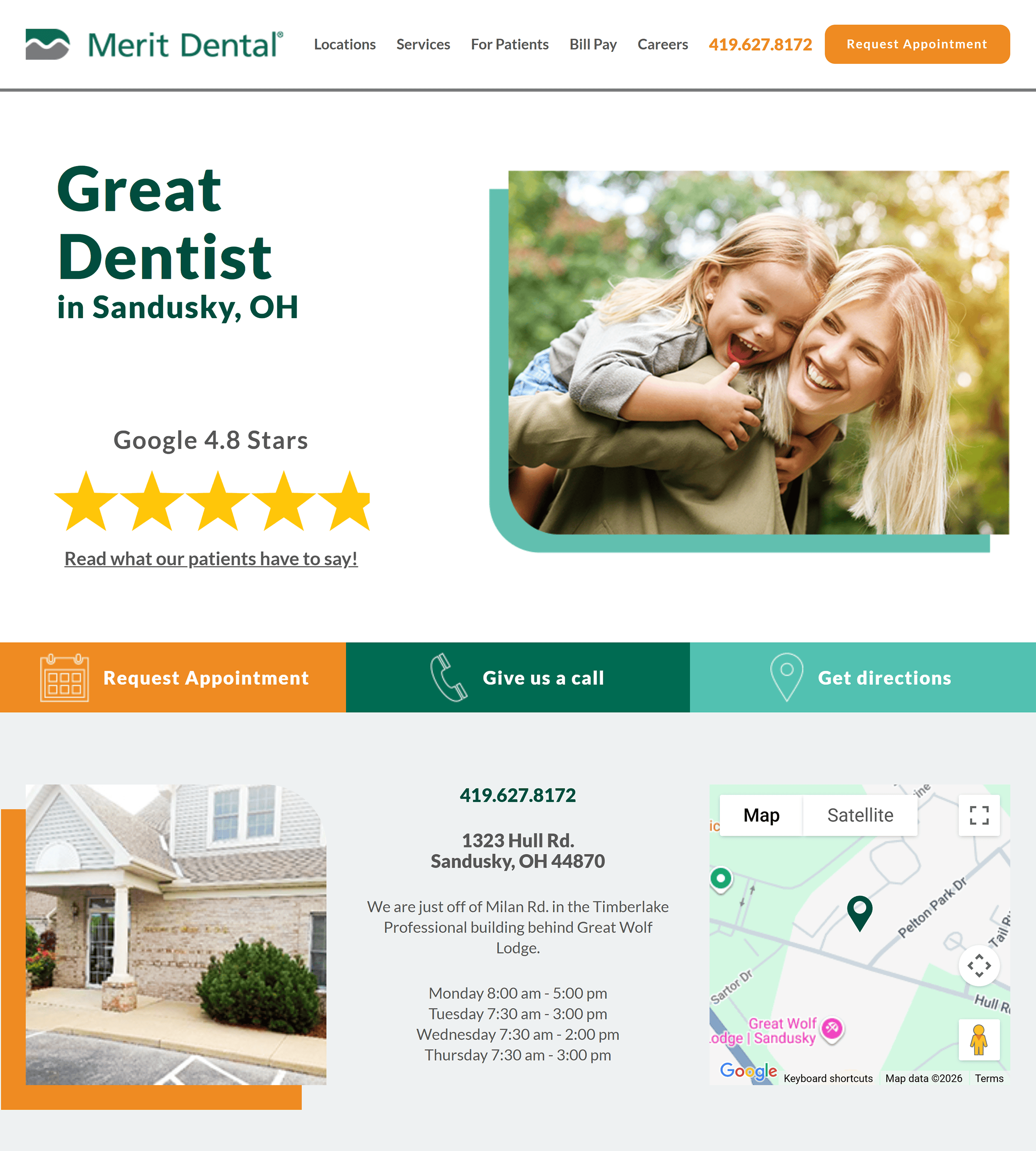
1. The Physical Location Page
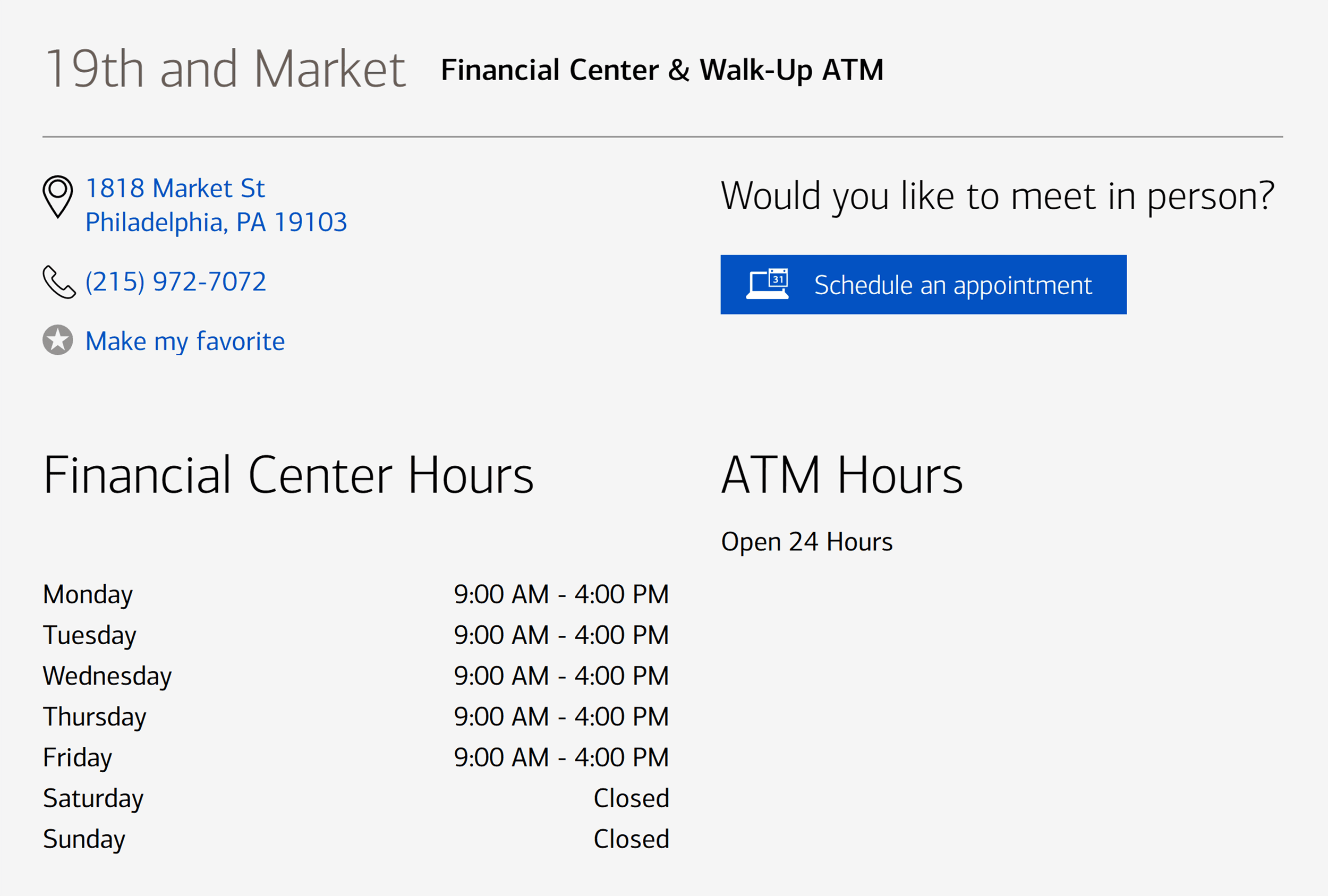
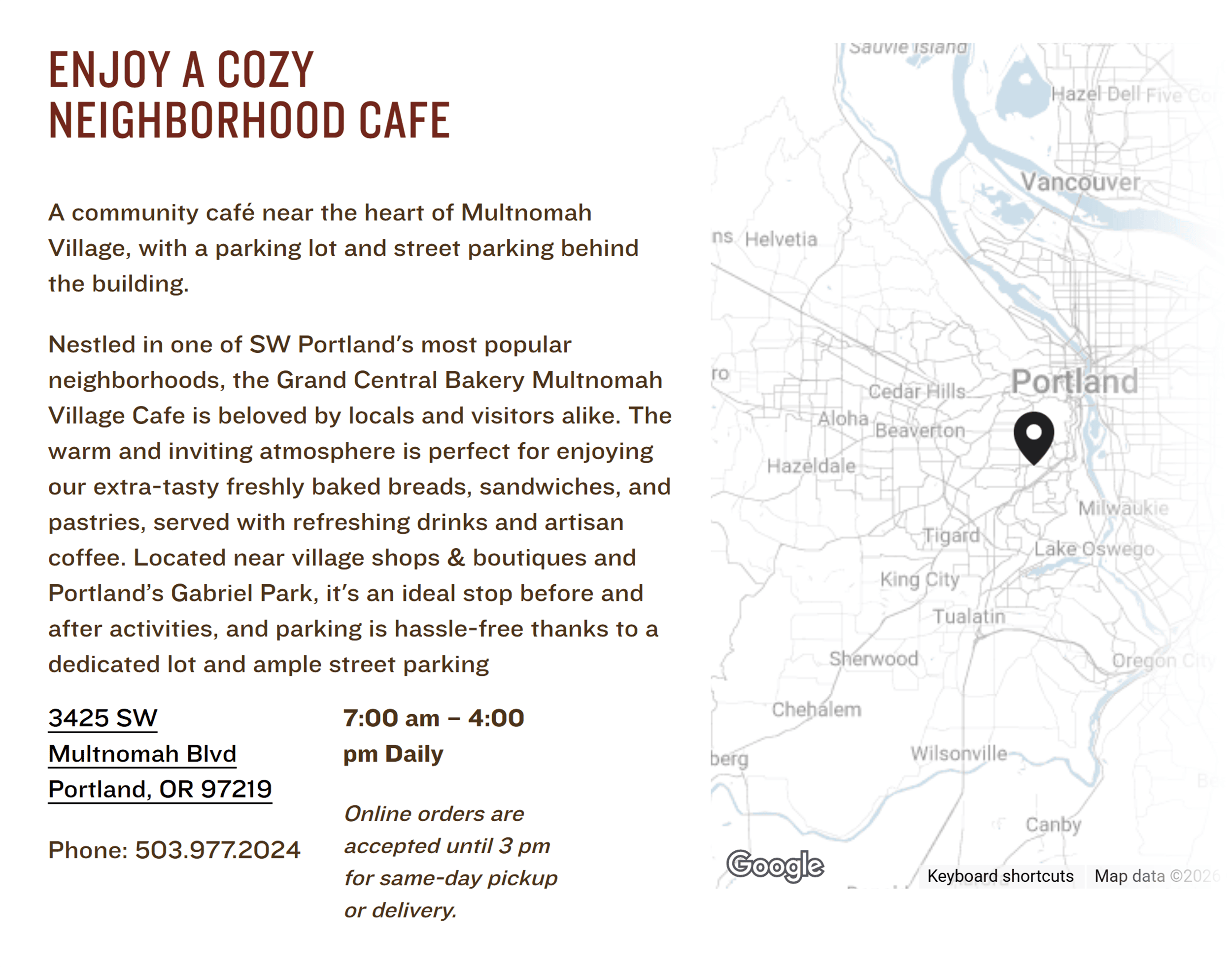
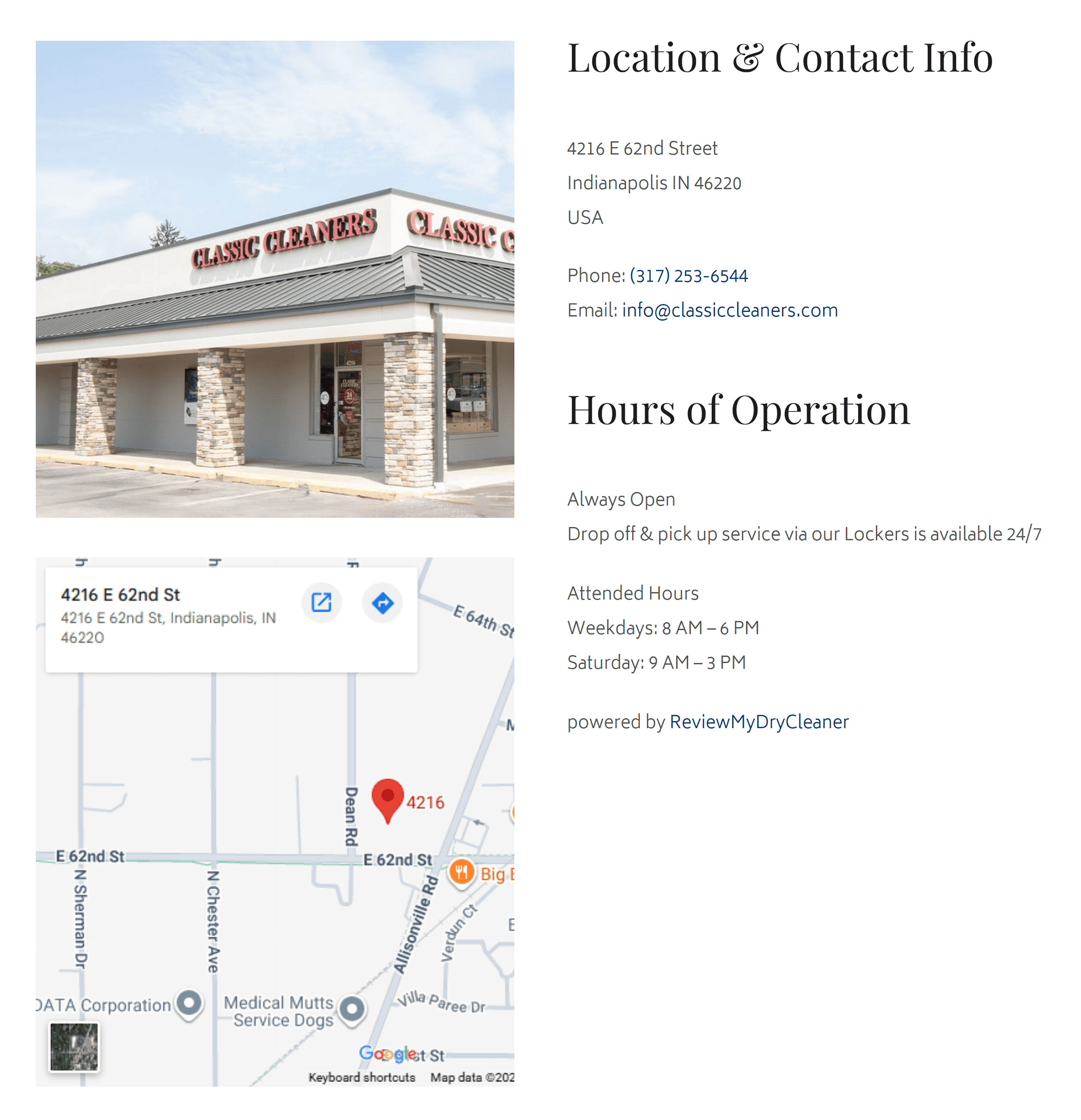
This is for businesses where the customer must travel to you, such as a bank branch, a dental office, or a retail store. The primary goal is to remove friction.
- Key elements: Precise address, real-time hours, parking information, accessibility details, and high-quality photography of the actual storefront.
- The Goal: To move the user from "searching" to "visiting."
2. The Service Area Page
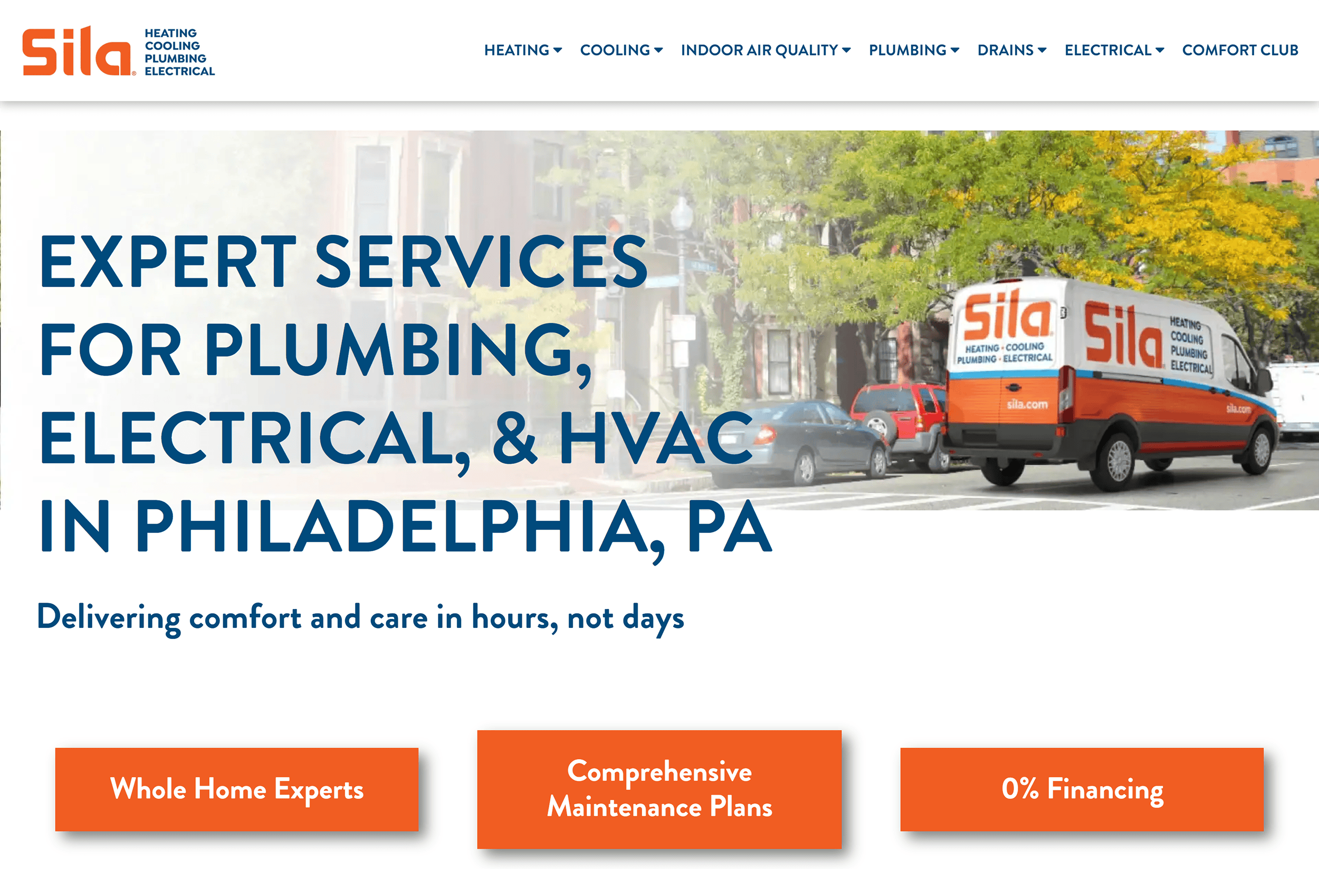
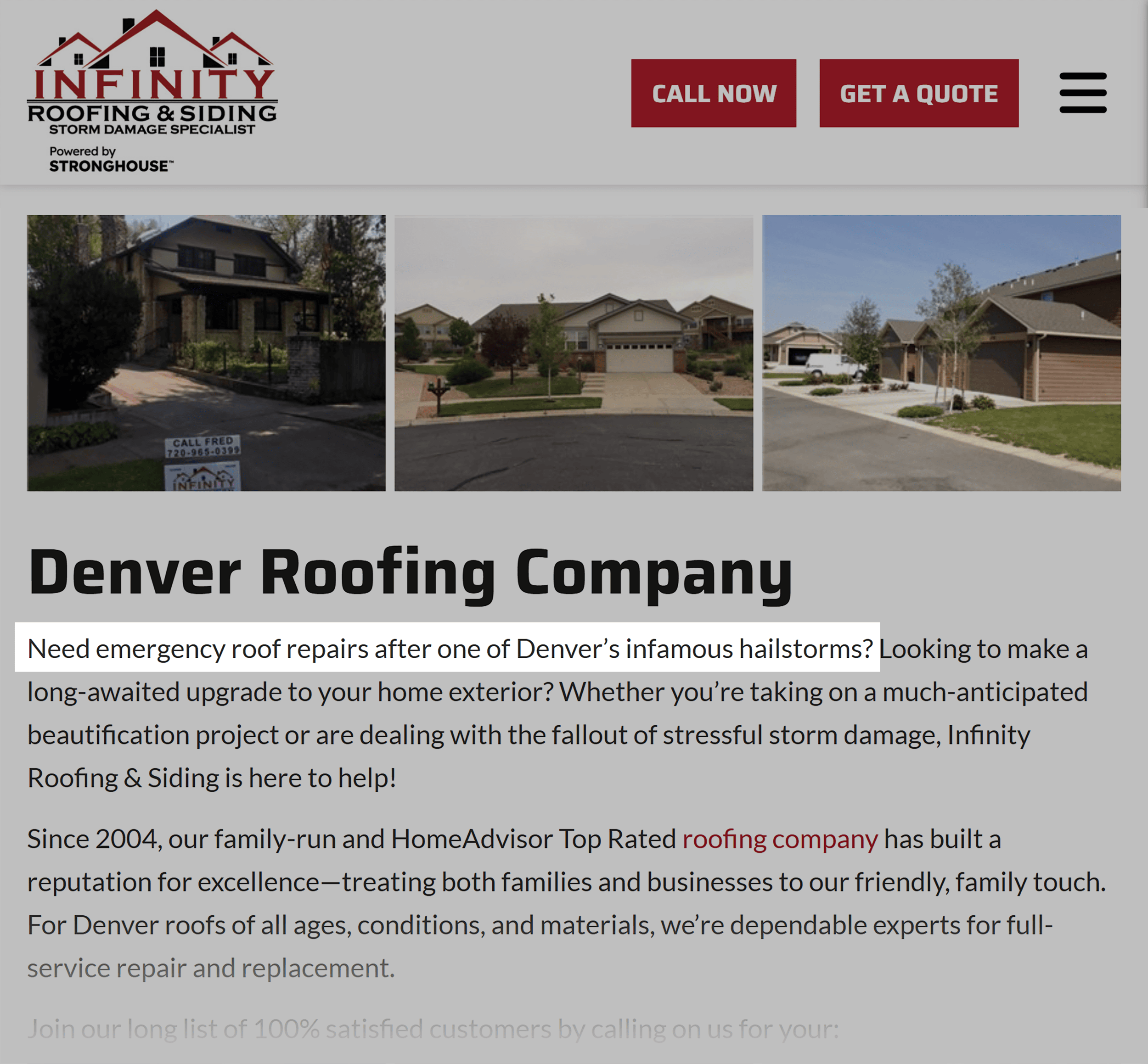
This is for businesses that go to the customer, such as roofing companies, plumbers, or landscapers. You do not have a physical presence in the town, but you are a local expert.
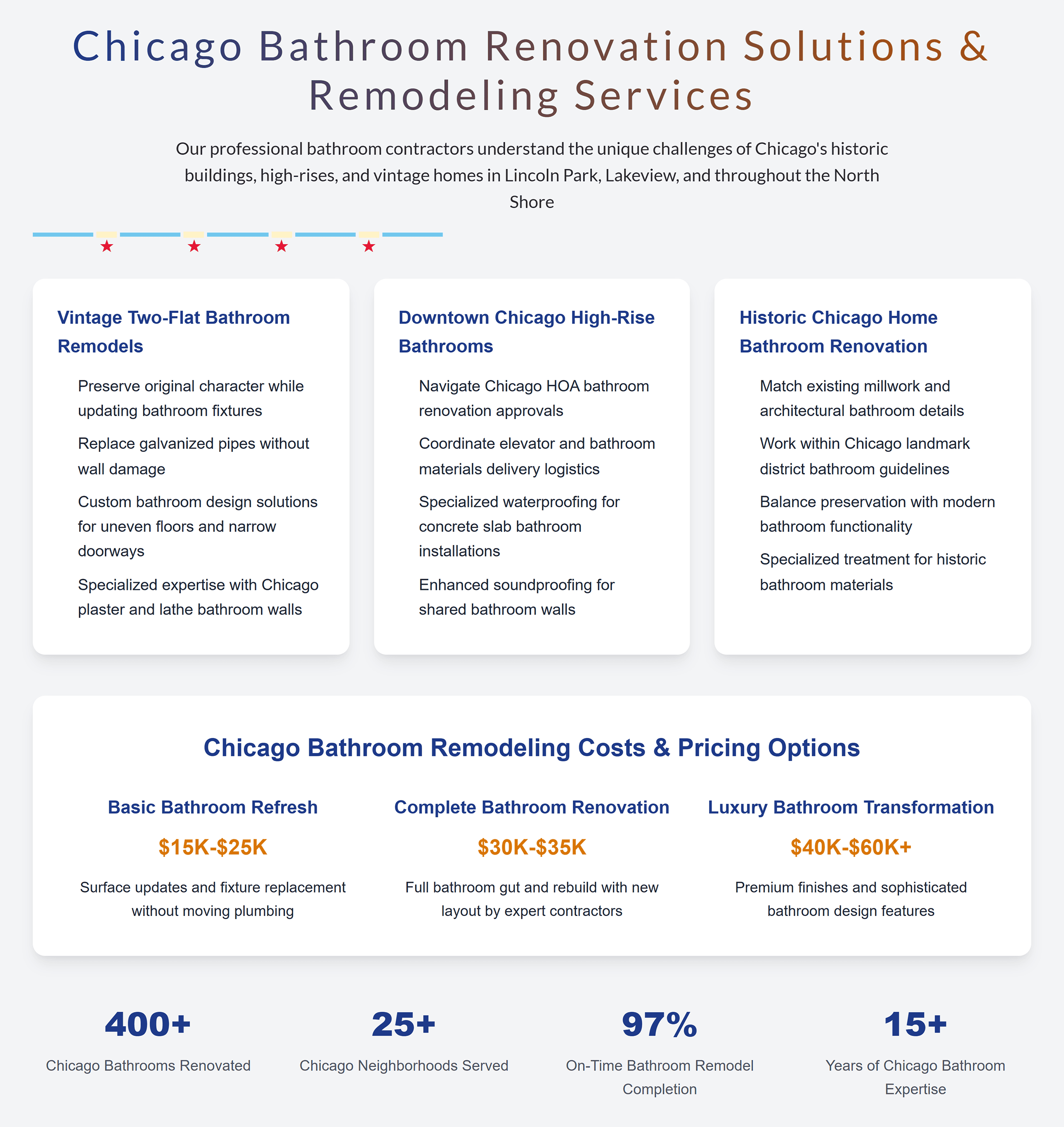
- Key elements: Proof of coverage, evidence of local work, and an explanation of how you handle regional challenges (e.g., local weather impacts or specific municipal building codes).
- The Goal: To establish trust and overcome the "you’re not from here" bias.
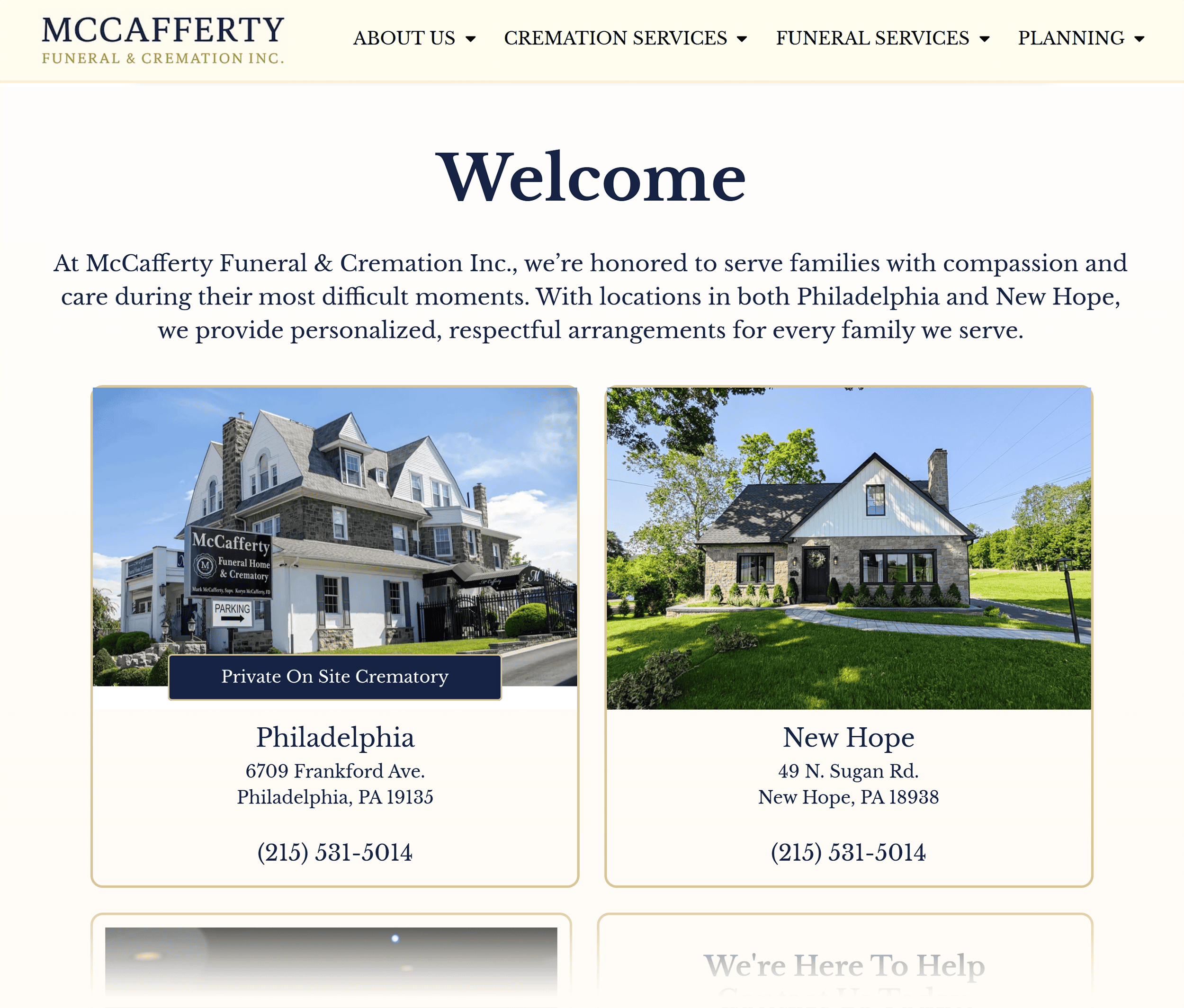
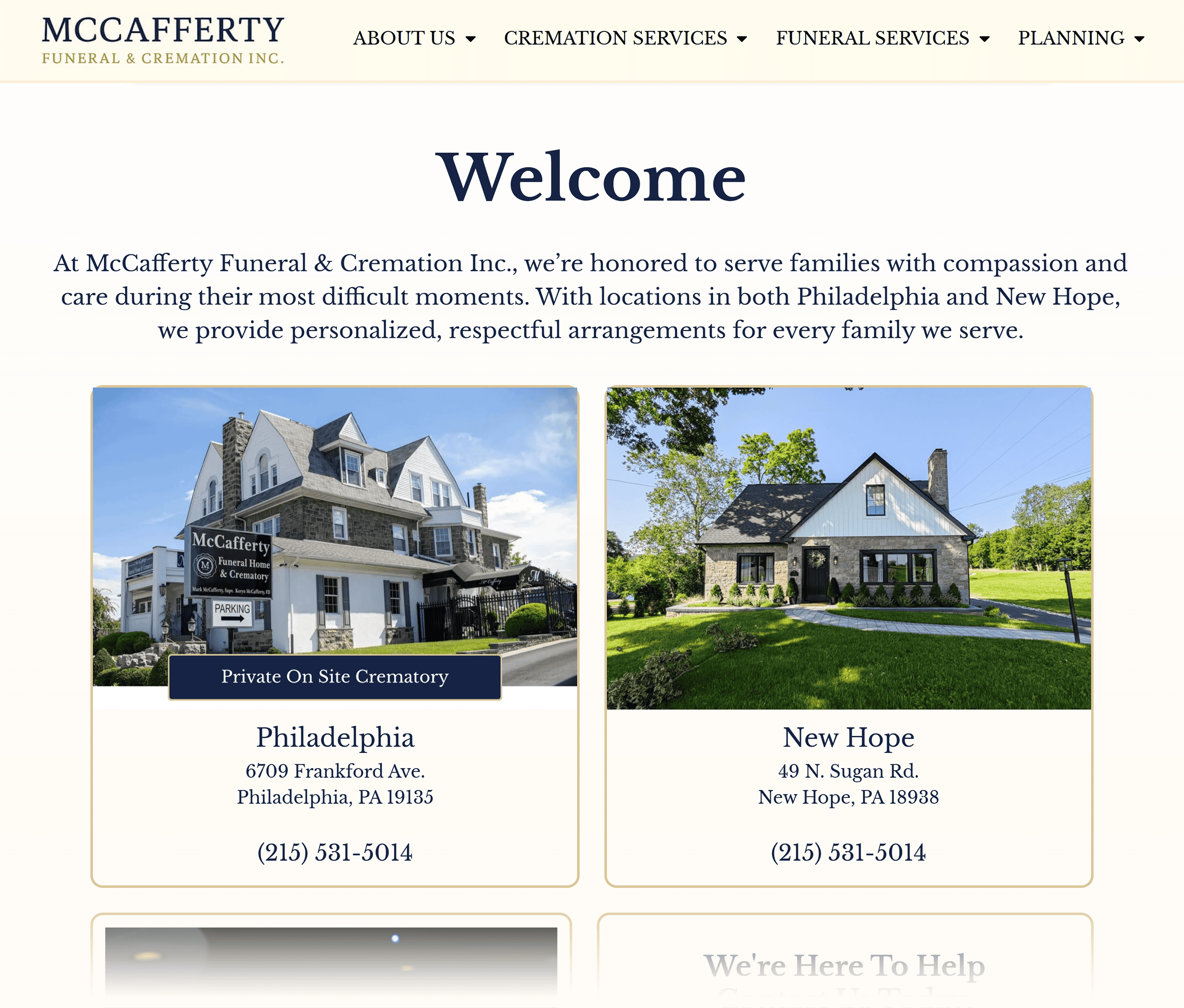
Pro Tip: Many businesses need a hybrid approach. A funeral home might have two physical offices but serve twenty surrounding towns. In this case, you should have dedicated physical location pages for the offices and separate, supporting service area pages for the surrounding communities, with clear, strategic internal linking connecting them.
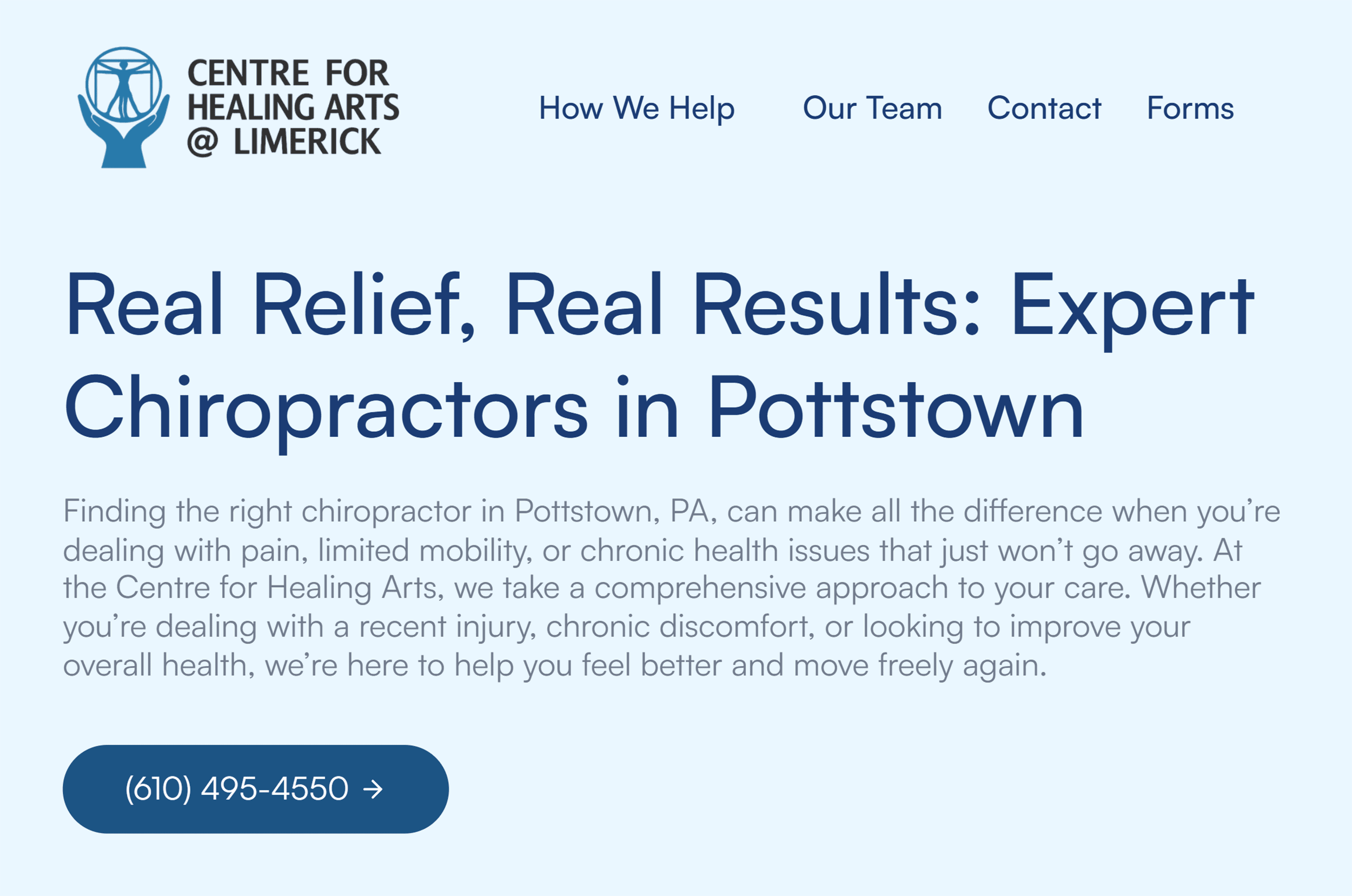
Core Pillars of High-Performing Pages
Regardless of your business model, four core pillars will determine whether your page ranks or vanishes into the digital abyss.
Matching Searcher Intent
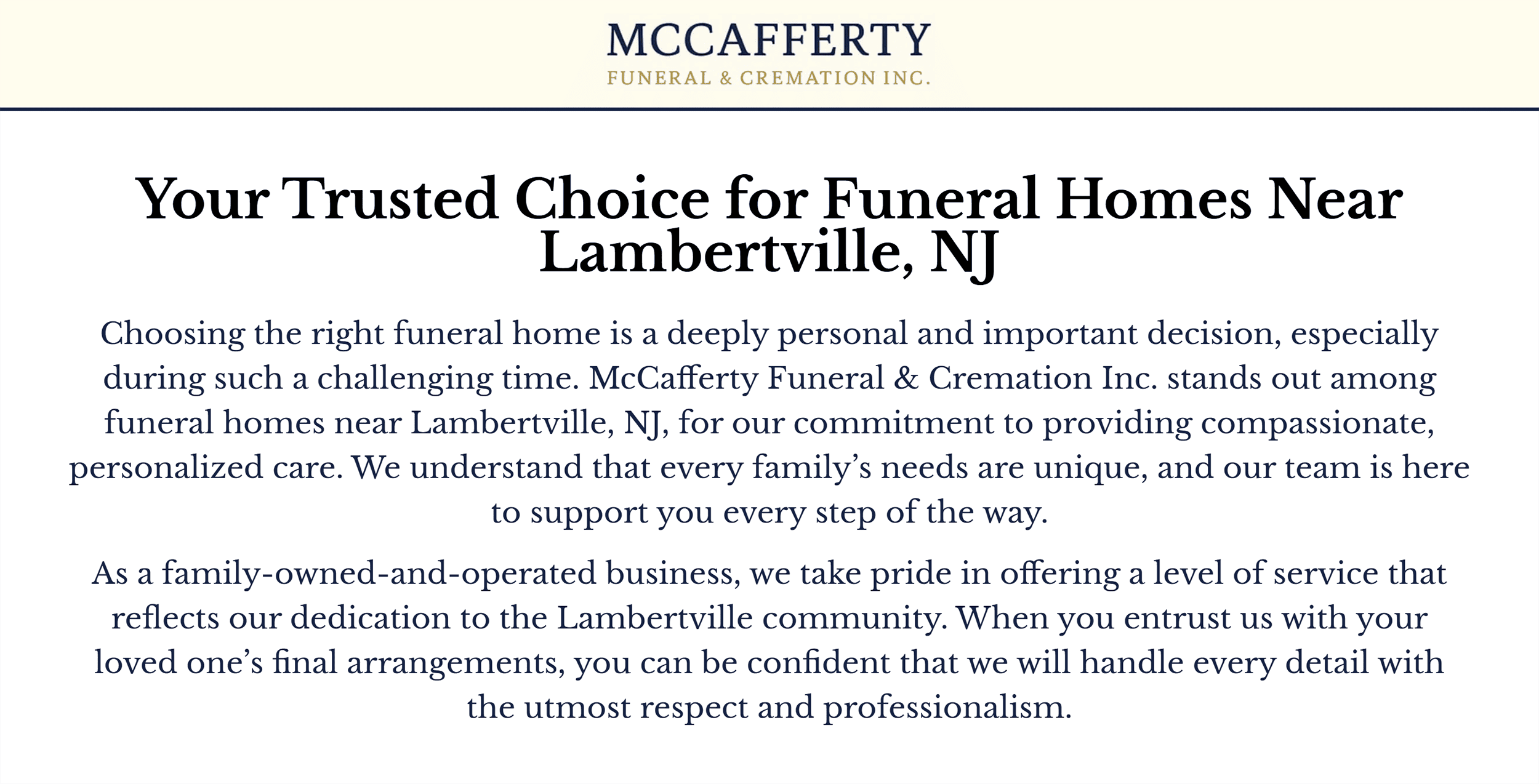
If a user searches for "emergency plumber in Denver," they don’t want to read a corporate history of your company. They want to know: Can you get here now? If your page focuses on your "corporate mission" rather than "immediate service," the user will bounce. A high bounce rate tells Google that your page did not satisfy the user, leading to a rankings drop.
Adding Genuine Local Value
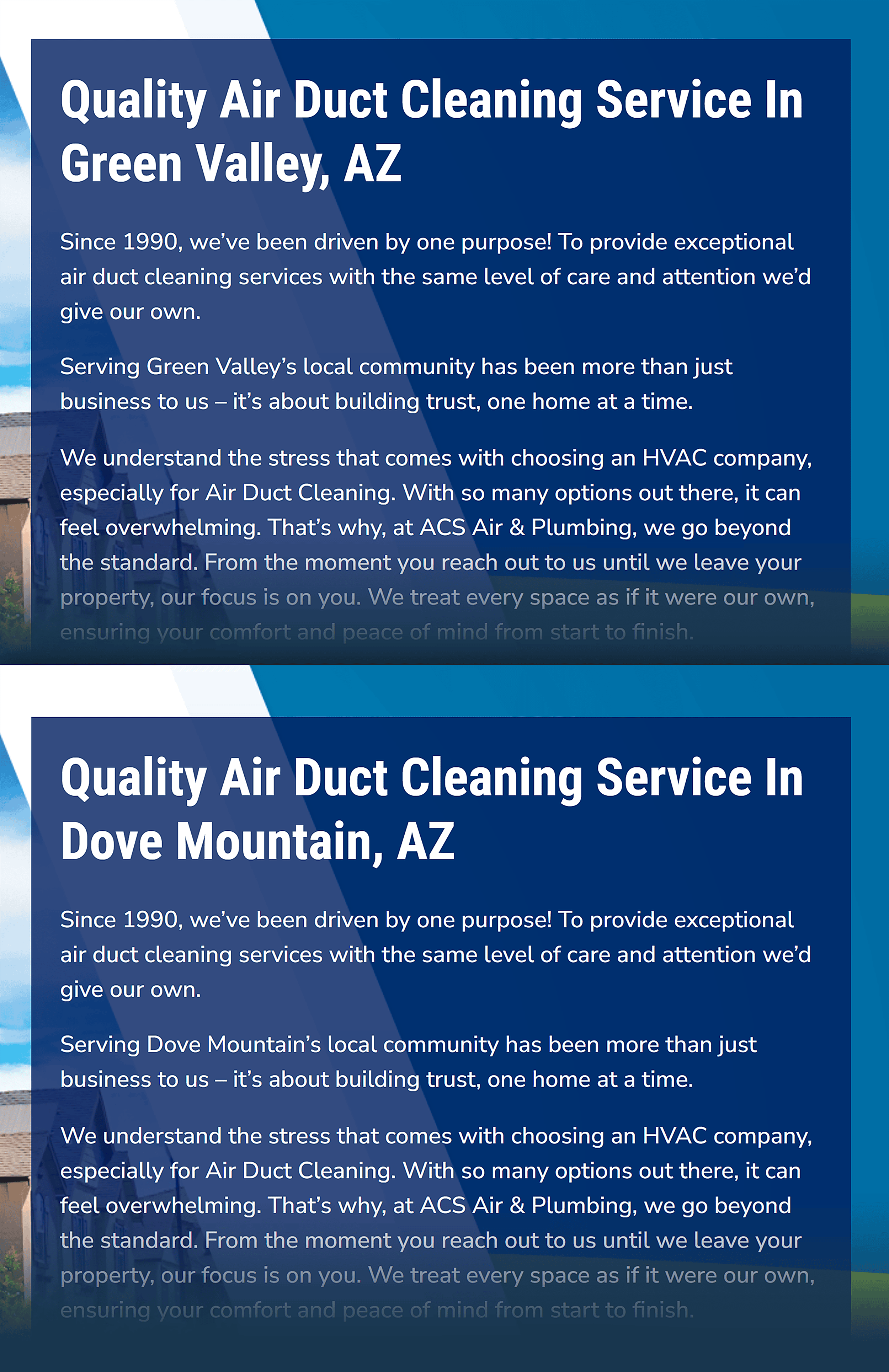
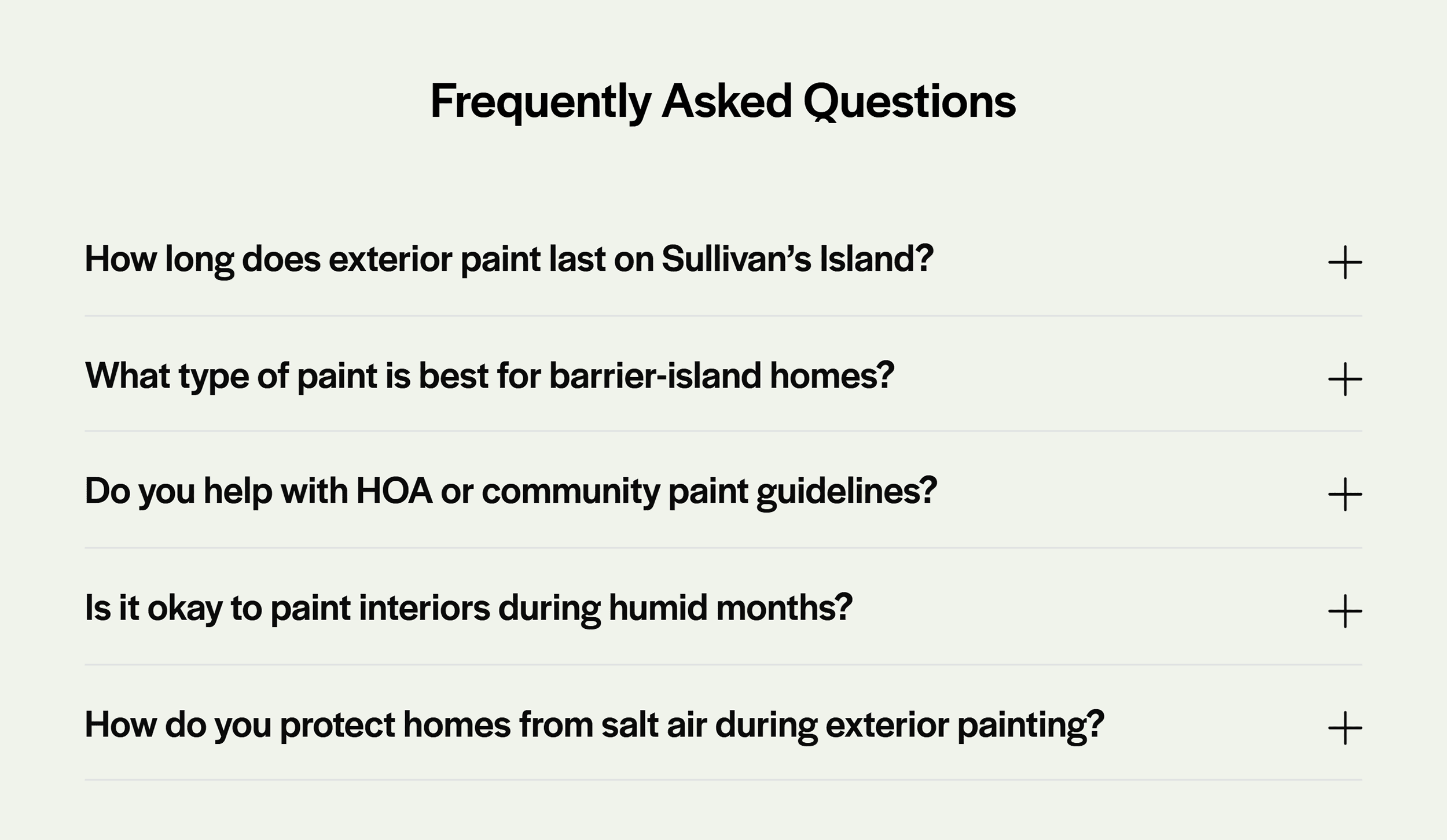
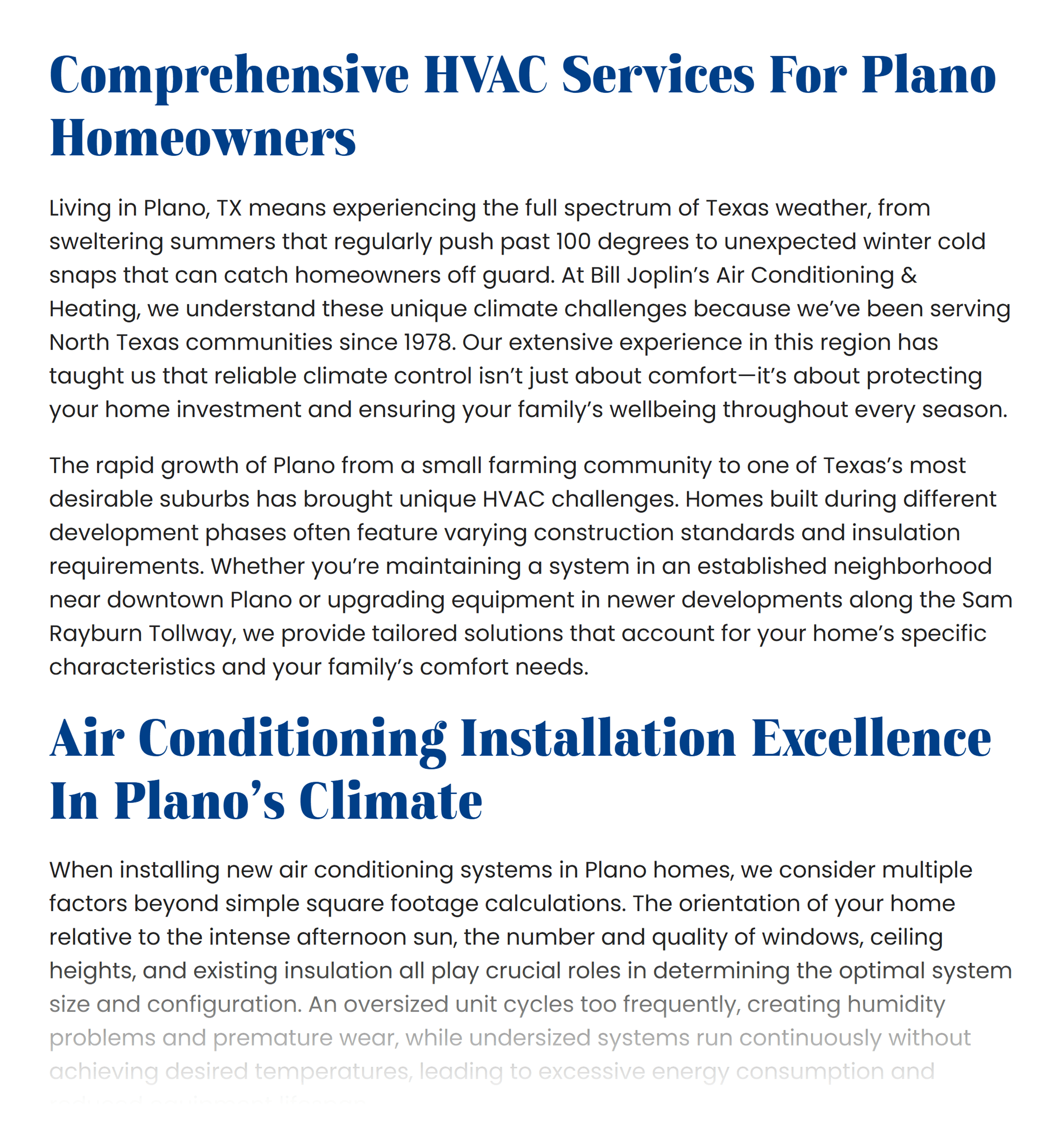
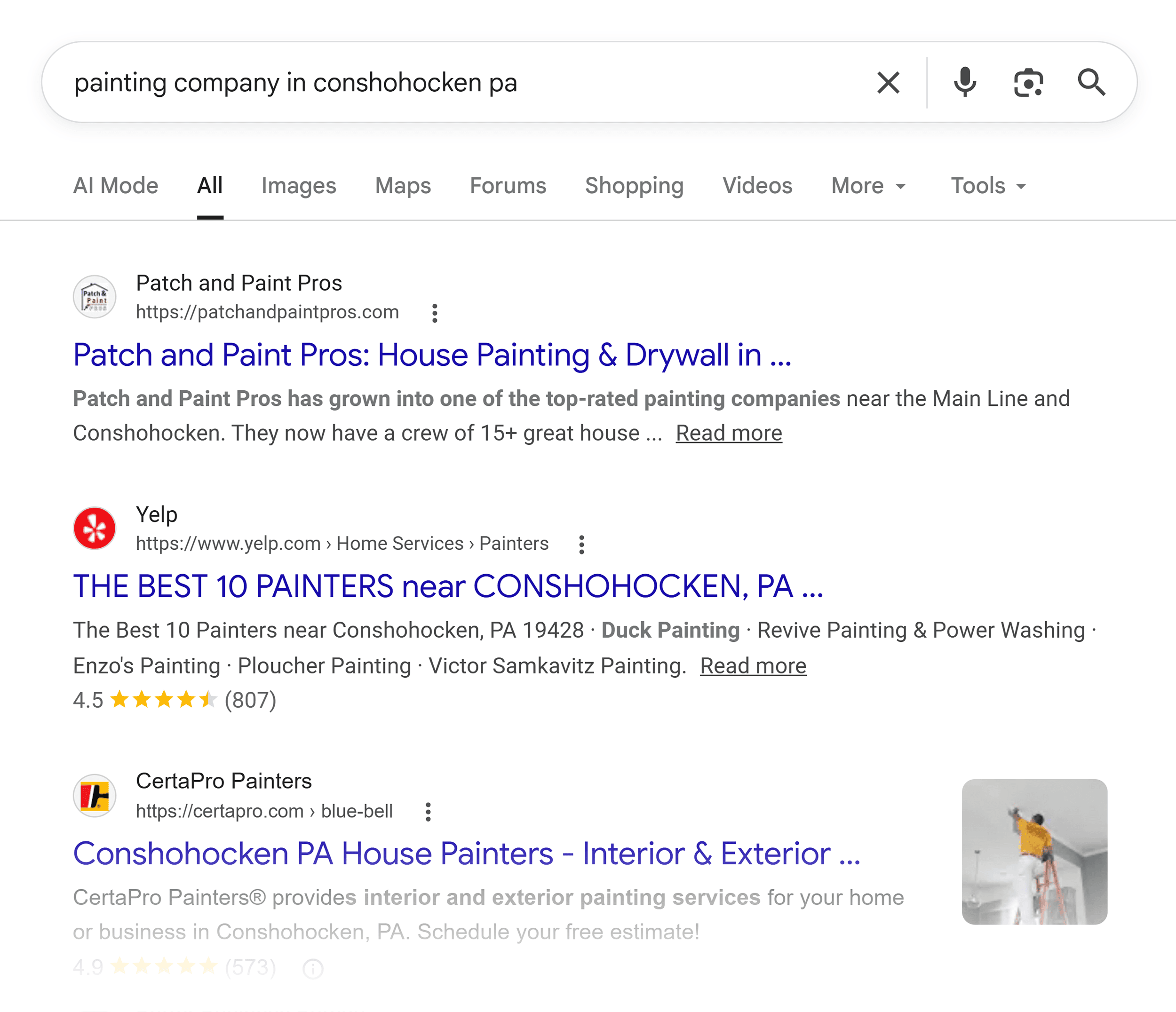
"Swapping city names" is a dated, ineffective SEO tactic that Google’s algorithms identify instantly as duplicate content. To win, you need local expertise. If you are a painting company in a historic district, include FAQs about local preservation requirements. If you are an HVAC tech in a desert climate, discuss how local temperatures specifically affect the longevity of AC units in that region. These are the "insider" details that separate an expert from a generic content farm.
Right-Sizing Content Depth
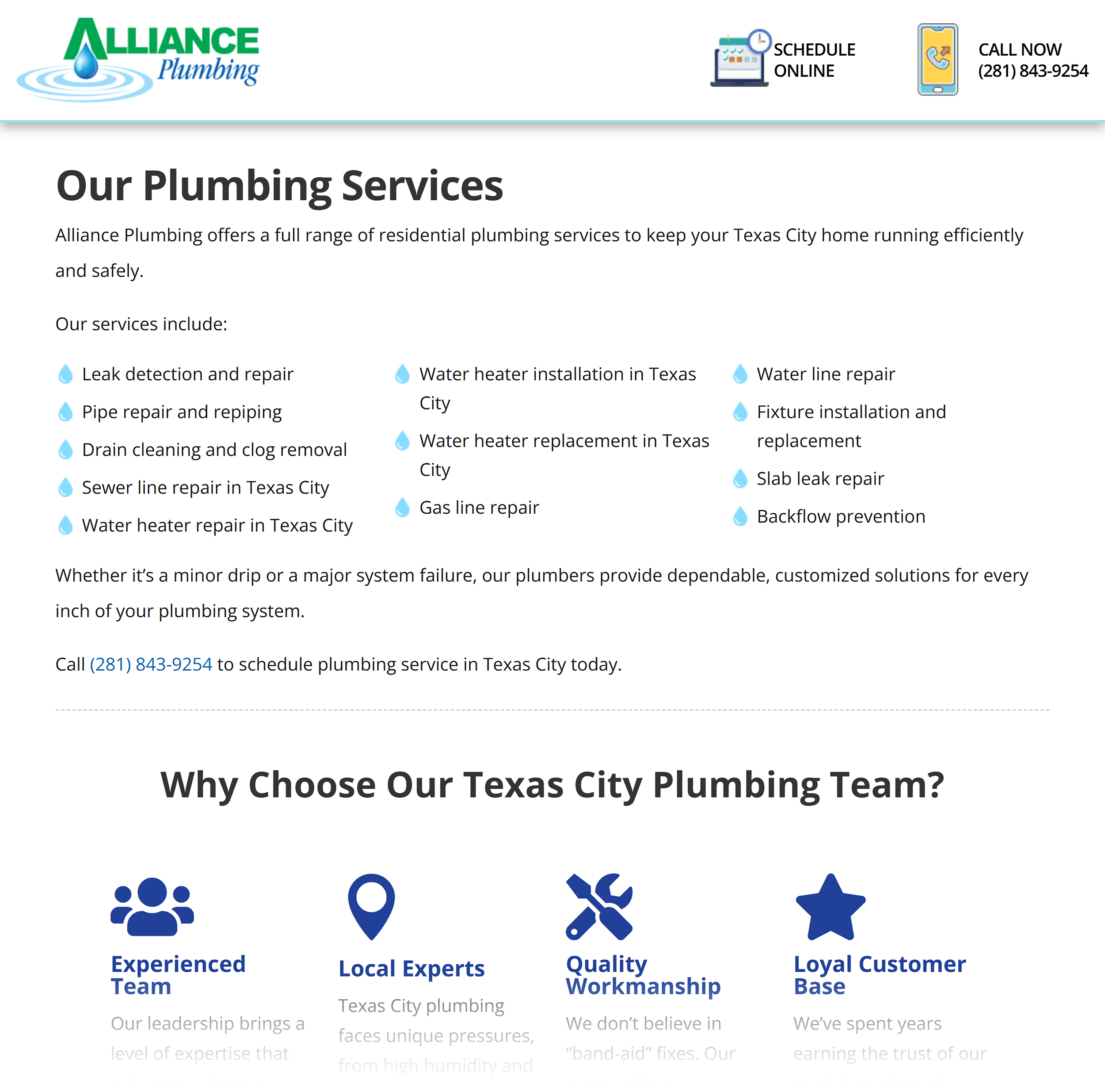
Not every location page requires a 2,000-word essay. High-consideration services—like home remodeling or medical procedures—require extensive detail because the consumer is making a significant investment. Conversely, low-consideration services, like a local laundromat, can be much leaner. Match your content depth to the level of risk and cost associated with the service.
Structuring for AI and Search Engines
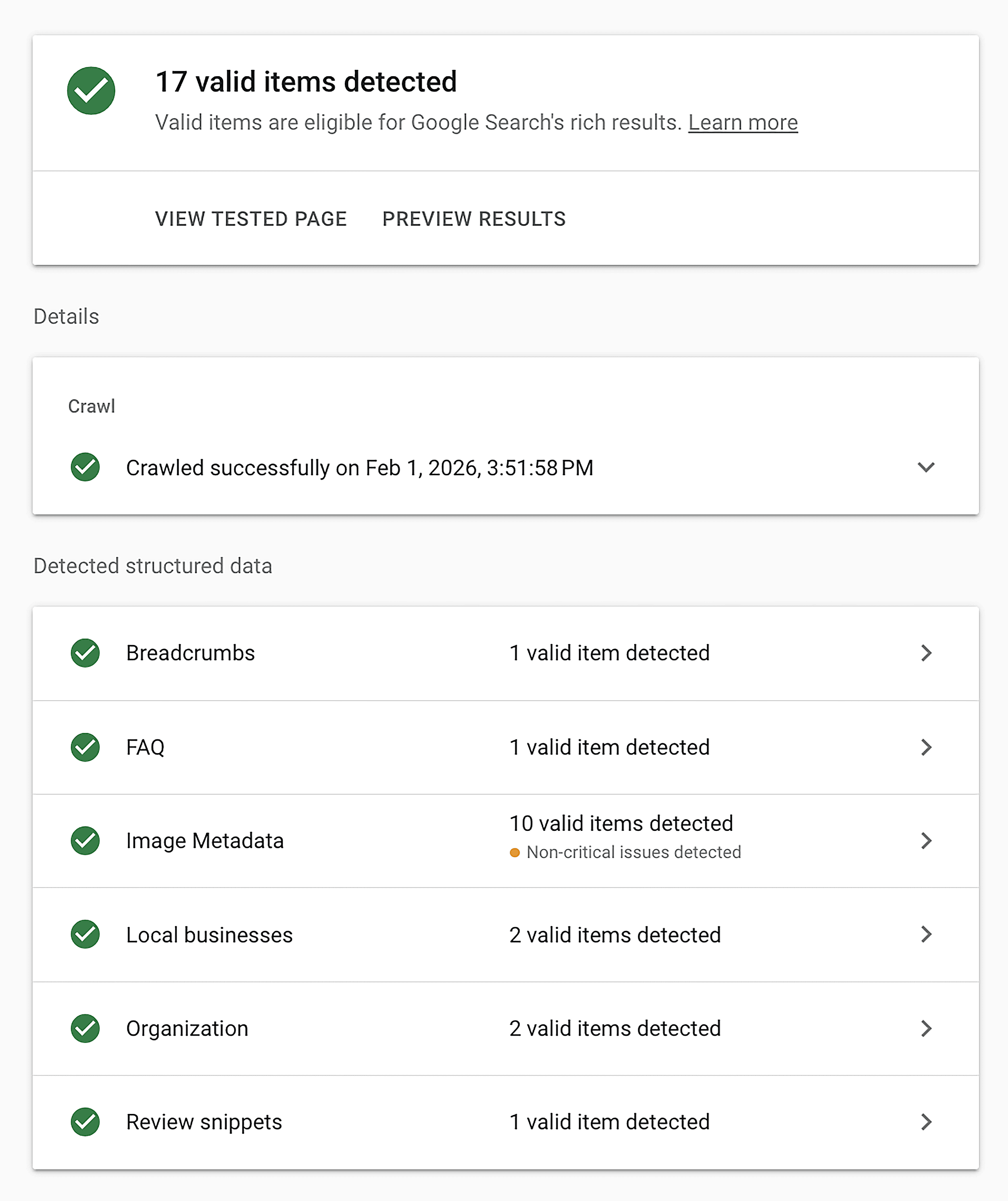
Schema markup (LocalBusiness, FAQPage, Review) is the bare minimum. Beyond that, you must structure your content with scannable headings that AI models can easily parse. LLMs are trained heavily on Q&A data; by writing FAQs in the format of "Question? Answer," you increase the probability of being cited as a source in AI-generated answers.
Chronology of an AI-Ready Strategy
The way AI platforms cite information is rapidly evolving, and my recent testing of over 700 citations across 30 queries reveals a fascinating landscape:
- The "Google AI Mode" Phase: Google’s AI currently leans heavily on review platforms like Yelp and community-based forums like Reddit.
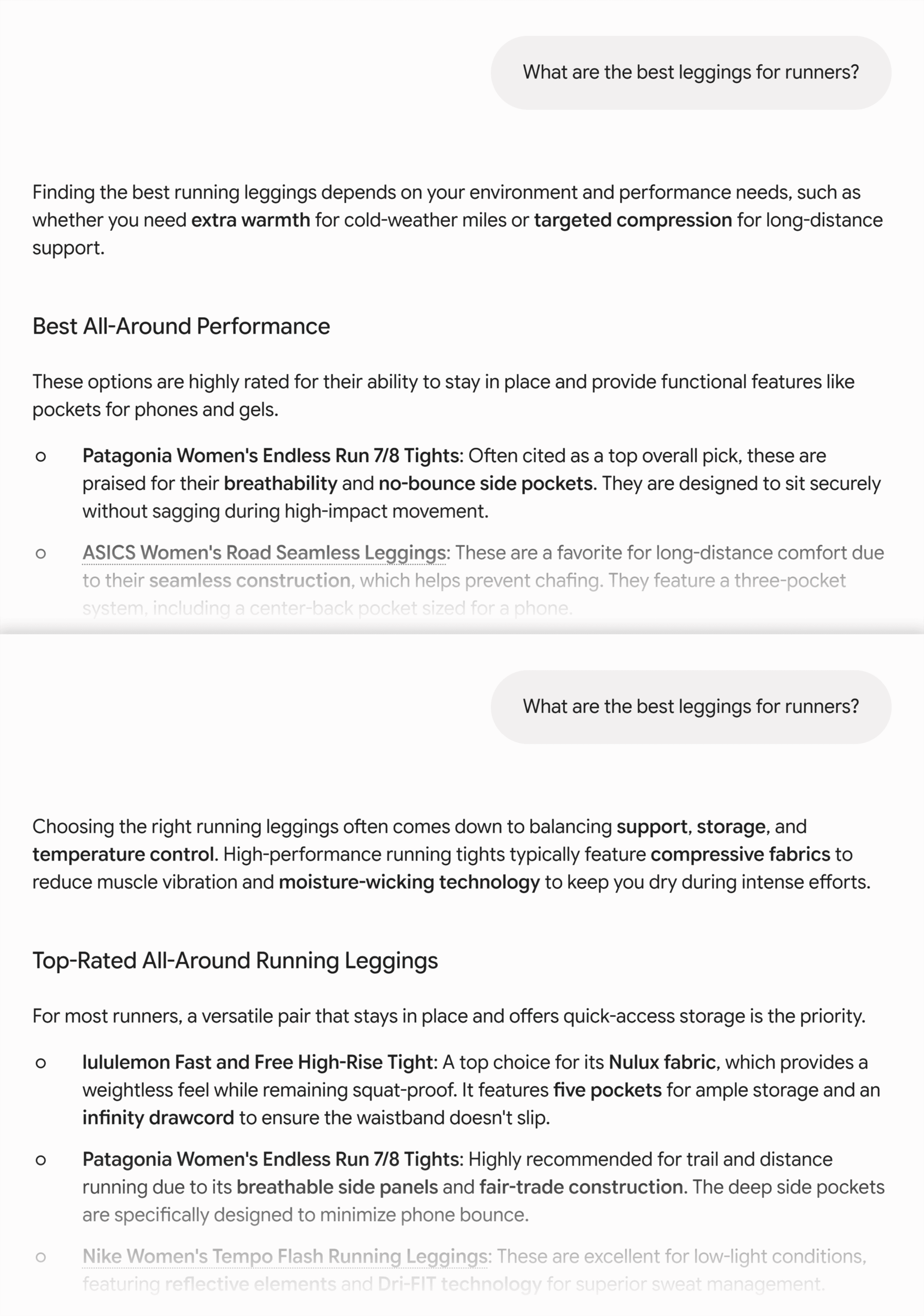
- The "ChatGPT" Phase: ChatGPT prefers editorial content, specifically "best of" roundups and third-party listicles.
- The "Perplexity" Phase: Perplexity is the most likely to cite your actual website, provided your page is structured with clean data and clear answers.
The Strategy: You must have a presence across all three. Being featured on a local chamber of commerce site or a "Top 10 Remodelers" list is no longer just for brand awareness—it is now a critical SEO signal that tells AI systems you are a trusted local entity.
Official Responses and Implications for Scaling
When scaling to hundreds of locations, consistency is your greatest challenge. You need a centralized CMS template that locks down brand standards and legal disclaimers, while allowing for local inputs like team photos and testimonials.
The Duplicate Content Trap
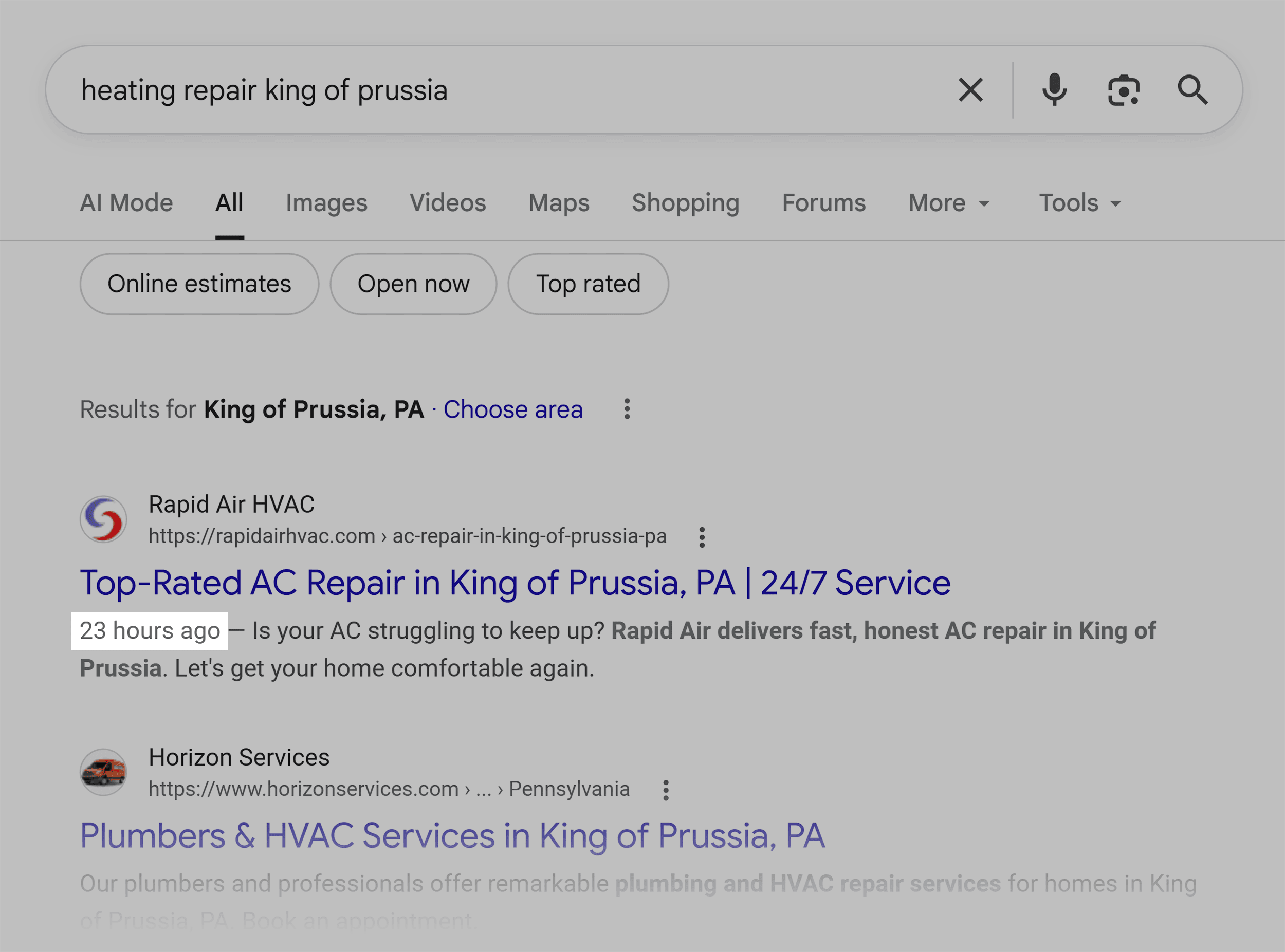
The most dangerous error at scale is the "template sprawl" where every page is 95% identical. You must audit your pages regularly. If a page isn’t earning traffic or conversions, it is a liability. Kill the page or consolidate its value into a stronger, nearby location page.
The Hybrid Team Structure
I advocate for a hybrid approach:
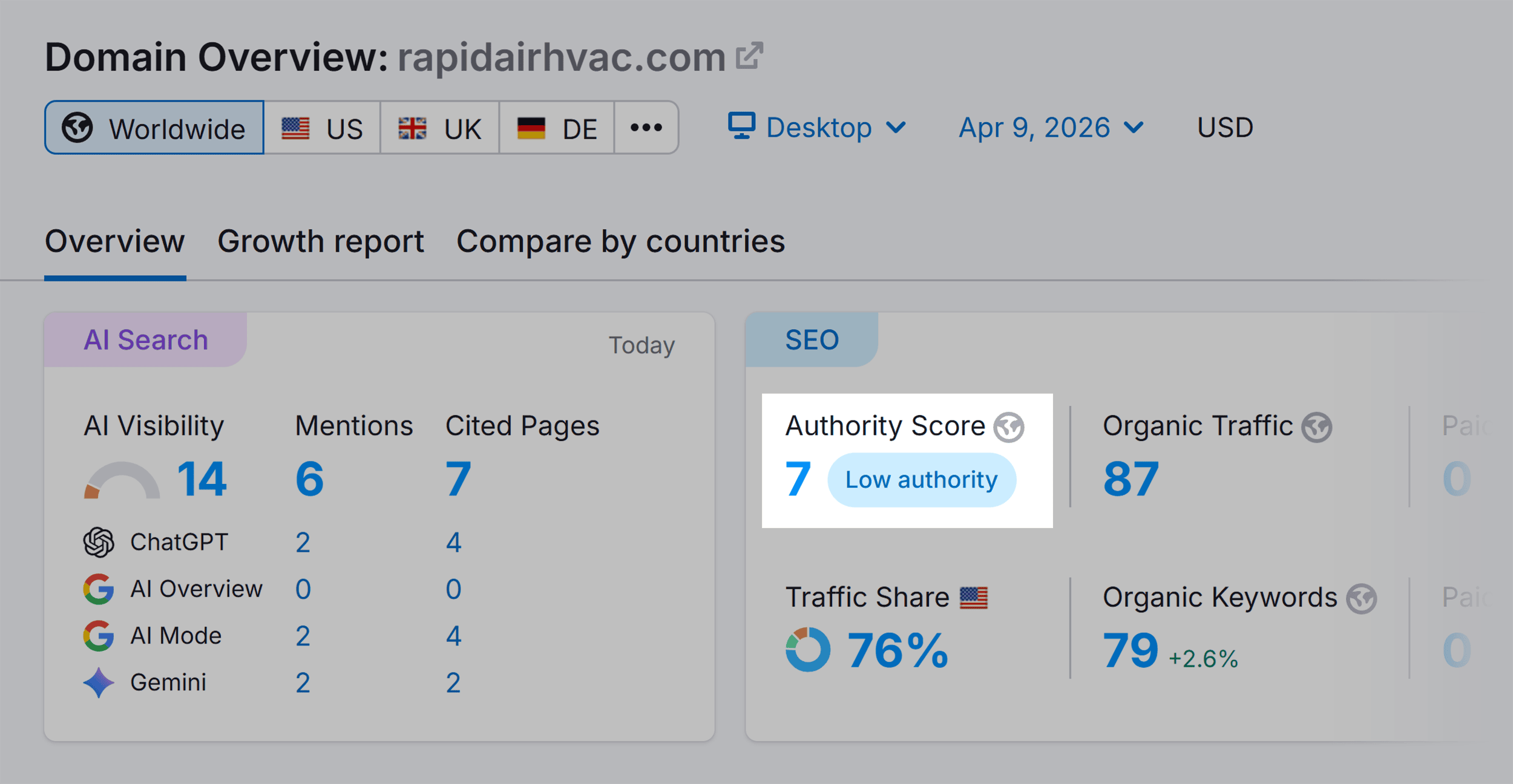
- Central Team: Owns the technical architecture, brand voice, and core service descriptions.
- Local Teams: Owns the "hyperlocal" injection—the testimonials, the local project photos, and the specific area-based FAQ answers.
This ensures the content remains fresh, accurate, and, most importantly, authentic.
Conclusion: Start Small, Scale Smart
Do not attempt to launch 50 location pages in a single week. Start with one, perfect it, and ensure it hits all the metrics: ranking, engagement, and AI citation. Use that page as the master template for your entire network.
Most of your competitors will never put in the work to build a truly useful, locally-optimized page. They will continue to copy-paste, and they will continue to fall. By building deep, structured, and genuinely helpful location pages, you aren’t just playing the SEO game—you are building a digital infrastructure that will serve your business for years to come.