In the fast-paced world of digital commerce, "Fear Of Missing Out" (FOMO) has long been a staple of the marketer’s toolkit. Often manifesting as aggressive countdown timers, "low stock" alerts, or high-pressure notifications, FOMO is designed to trigger an immediate, impulsive reaction. However, as consumers become increasingly savvy and regulatory bodies tighten their scrutiny, the industry is reaching a turning point. The question is no longer whether we should use FOMO to drive conversion, but rather how we can strip away the "fear" to create a more ethical, sustainable design strategy.
The Evolution of FOMO: From Evolutionary Driver to Marketing Tactic
Historically, FOMO is rooted in evolutionary psychology. Humans are social creatures who rely on group cohesion for survival; being excluded from a group—or a rewarding experience—was once a genuine threat to our well-being. Today, that instinct has been hijacked by digital interfaces.
A seminal 2013 study, Motivational, emotional, and behavioral correlates of fear of missing out, defined the phenomenon as "a pervasive apprehension that others might be having rewarding experiences from which one is absent." The study found that this persistent state of apprehension is directly correlated with lower mood, diminished life satisfaction, and reduced need fulfillment.
In the digital landscape, this translates to anxiety-driven decision-making. When a website bombards a user with red, pulsing banners or artificially created urgency, it often triggers "analysis paralysis." Instead of making a confident purchase, the consumer feels overwhelmed, leading to either cart abandonment or "buyer’s remorse"—a feeling that fundamentally undermines brand loyalty.
Regulatory Realities: The Cost of Deceptive Urgency
The shift toward ethical design is not just a moral choice; it is becoming a legal imperative. In recent years, regulators, including the UK’s Competition and Markets Authority (CMA), have begun cracking down on "dark patterns." These are design choices that nudge users into making decisions that are not in their best interest, such as misleading countdown timers or fake inventory scarcity.
When a brand uses deceptive marketing to manufacture urgency, they are effectively gambling with their reputation. Once a consumer realizes they were manipulated, trust is eroded. In the long run, the cost of acquiring a new customer is significantly higher than retaining an existing one. Therefore, designers must pivot from "fear-based" tactics to "opportunity-based" engagement.

Strategic Implementation: Four Pillars of Ethical FOMO
To leverage the concept of missing out without causing unnecessary stress, designers must prioritize transparency and user agency. Here are four ways to integrate these principles into your next project.
1. Gently Informative Availability
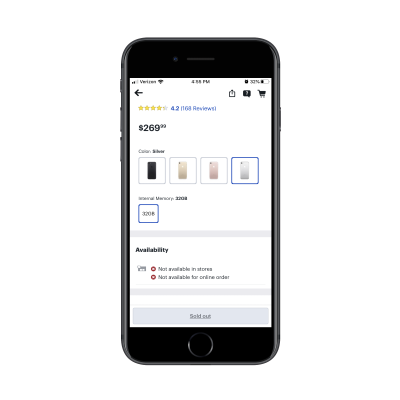
Rather than using high-pressure red banners, provide users with clear, helpful information about inventory status. Best Buy is a prime example of this approach. On their product pages, they explicitly state whether an item is available in-store or online.
If a product is sold out, removing it entirely can be a missed opportunity. Instead, keep the listing visible but marked clearly as unavailable. As noted by Paul Messinger, a business researcher at the University of Alberta, this creates an "information cascade." When a customer sees that a product is popular enough to be sold out, they often infer that the brand’s other offerings are equally high-quality. This shifts the user’s focus from disappointment to curiosity about alternative options.
2. The Power of "Expiring" Utility
Hulu employs a highly effective, non-threatening version of FOMO through its "Expiring" content tab. By grouping content that is about to leave the platform, the service provides users with a curated "use it or lose it" list. This is not a source of stress; it is a helpful tool that assists the user in decision-making, reducing the cognitive load of searching through a massive library. E-commerce sites can emulate this by creating dedicated "Last Chance" sections for clearance items, transforming the pressure of a deadline into a helpful reminder of value.
3. Rewarding Loyalty, Not Just Urgency
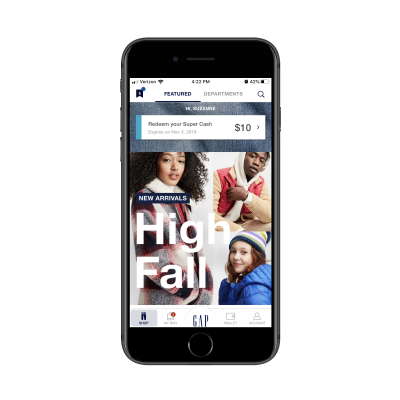
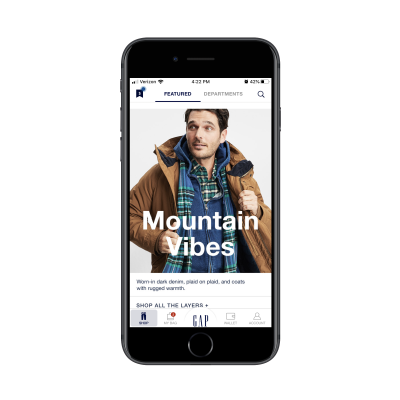
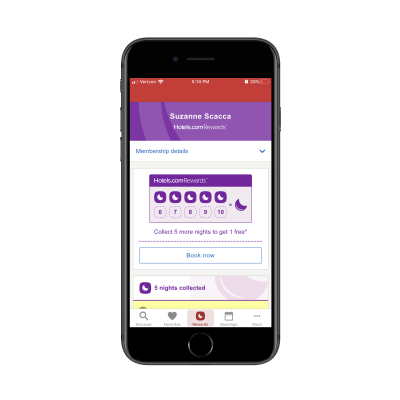
Many retailers make the mistake of using generic sales banners to drive traffic. A more effective strategy is to target logged-in users with personalized rewards. Gap, for instance, provides a subtle, pulsing indicator in the interface when a user has "Super Cash" or other rewards nearing expiration.
This approach is highly successful because it speaks to the user’s existing relationship with the brand. It doesn’t create "fear" in a general sense; it creates a specific, beneficial opportunity for the customer to save money. By focusing on the user’s personal gain rather than a global "sale for everyone," brands foster a sense of exclusivity and appreciation.
4. Leveraging Social Proof via User-Generated Content
Trust is the most valuable currency in digital design. When a brand claims a product is a "Top Seller," a skeptical user may assume it is marketing fluff. However, when a peer recommends a product, that barrier to entry disappears.
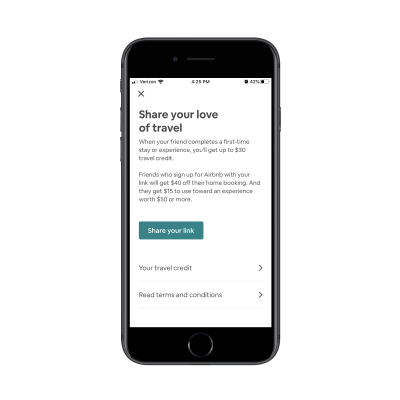
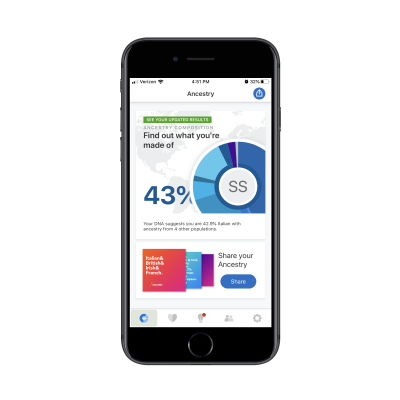
Airbnb and 23andMe have mastered the art of letting users generate the "fear of missing out" for them. By providing tools that make sharing easy—such as personalized discount codes for friends or visually stunning, shareable infographics of ancestry results—these companies turn their customers into brand ambassadors. When a friend shares a positive experience, the prospective customer feels a genuine, non-coerced desire to participate.

The Importance of Authenticity in Imagery
Perhaps the most significant shift in ethical design is the move away from the "curated, unrealistic lifestyle" imagery popularized by social media influencers. The fallout from events like the Fyre Festival demonstrated that consumers are growing weary of the disconnect between marketing images and reality.
Brands like Sephora have found success by focusing on their "Inspire" community. Instead of using high-production-value photos of models in exotic locations, they feature real photos from everyday users. This grounds the product in reality, allowing the consumer to see how the item performs in a normal, accessible environment. When consumers see products used by real people in real-life settings, they are more likely to feel a sense of desire that is based on utility and relatability, rather than manufactured envy.
Implications for Long-Term Brand Strategy
The transition to ethical FOMO design carries profound implications for the future of digital product development.
- Retention over Acquisition: By prioritizing honest communication, brands can build long-term relationships rather than chasing one-time conversions.
- Reduced Cognitive Load: Ethical design removes the "stress" factor, allowing users to make decisions based on desire and need rather than fear.
- Future-Proofing: As privacy and consumer protection laws continue to evolve, companies that avoid dark patterns will find themselves ahead of the curve, avoiding the potential for regulatory fines and public backlash.
Conclusion: Designing for the Human Experience
The "fear" in FOMO is a relic of an era where marketers could exploit human psychology with little regard for the user’s emotional state. In the modern digital landscape, the most successful brands are those that treat their users with respect.
By utilizing gentle reminders, focusing on personalized rewards, empowering authentic social proof, and prioritizing grounded imagery, designers can create experiences that are both effective and ethical. The goal of a digital experience should not be to make the user panic, but to help them find exactly what they need, when they need it, and to feel good about the decision they’ve made. The brands that master this balance will not only capture the market—they will retain the loyalty of their customers for years to come.