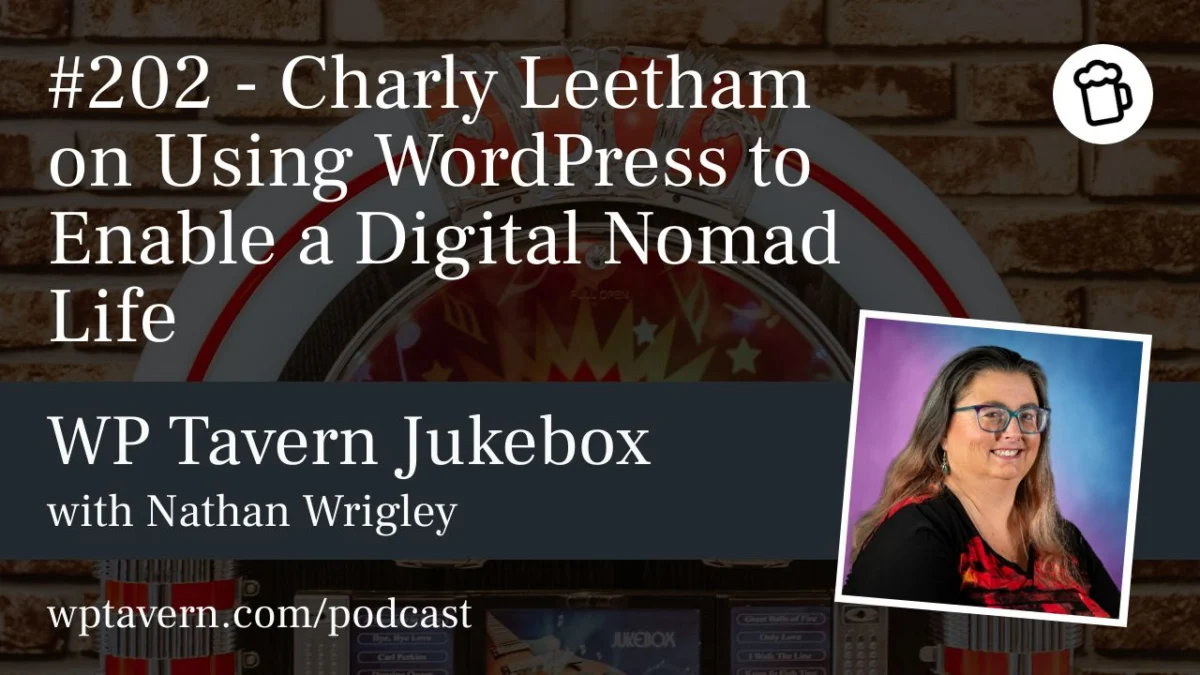
In an era where the traditional nine-to-five office structure is rapidly losing its monopoly on productivity, the rise of the "digital nomad" represents more than just a trend—it is a fundamental shift in how professionals integrate their careers with their personal aspirations. Among those pioneering this lifestyle within the technology sector is Charly Leetham, a veteran of the WordPress ecosystem who has traded the stability of a fixed address for the boundless horizon of the Australian outback.
Leetham’s journey offers a compelling case study on the intersection of advanced satellite technology, business agility, and the human desire for freedom. By leveraging tools like Starlink and asynchronous communication strategies, she has successfully built a thriving consultancy that demystifies technology for small business owners, all while operating from a customized camper van.
The Genesis of a Nomad: From Electronics Lab to Open Road
Charly Leetham’s career is a testament to the evolution of the tech industry over the last four decades. Her journey began long before the cloud and remote collaboration tools became the industry standard.
A Foundation in Engineering
Leetham’s fascination with technology was sparked in her youth. By the age of 13, she held an amateur radio license, and by 16, she had completed an associate diploma in electronic engineering. Her early career saw her working as a junior laboratory technician at an Australian university, followed by diverse roles in field service, sales, and contract management.
The Pivot to WordPress
In 2007, following the dissolution of a retail business venture, Leetham found herself at a crossroads. Seeking a way to support her family, she turned her attention to the burgeoning field of website support. At the time, WordPress was still in its infancy, serving as a relatively niche platform. Leetham taught herself PHP, theme development, and plugin troubleshooting. Nearly 20 years later, she remains a fixture in the WordPress community, specializing in bridging the communication gap between complex technical systems and the business owners who rely on them.
The Nomad’s Toolkit: How Technology Enables Mobility
The central challenge of the digital nomad lifestyle is connectivity. In vast regions like Australia, where mobile signal is often nonexistent, the ability to maintain a professional standard of service requires more than just a laptop and a dream.
Connectivity via Starlink
Leetham attributes the viability of her lifestyle to Starlink’s satellite internet technology. Unlike traditional landlines or cellular data, which are tethered to infrastructure, the Starlink system—specifically the mobile-capable hardware—allows her to access high-speed, low-latency internet from remote locations.
"I have found where I’ve been, I house sat for my sister-in-law during winter, and her internet was terrible," Leetham recounts. "I went and got my Starlink out and threw it up and connected to it, and I had better internet. The connection speed on the Starlink versus her landline was ten times better."
Minimalist Workspace Requirements
Operating from a mobile unit requires extreme discipline regarding hardware. Leetham’s workspace, fitted into her camper van, is limited to a roughly one-meter-by-one-meter area. Her setup includes:
- High-Performance Computing: A gaming-grade laptop, chosen for its advanced cooling fans, which handle processor-intensive tasks like graphic design and web development without overheating.
- Peripherals: A wall-mounted 21-inch monitor, an external keyboard, a professional-grade microphone, and a high-definition webcam.
- Power Management: Because the satellite router and computing hardware are power-hungry, Leetham utilizes a combination of battery storage and solar or mains hookups, ensuring that her office remains operational regardless of her location.
Strategic Business Operations: The Asynchronous Advantage
One of the most significant implications of Leetham’s lifestyle is the way it has forced her to restructure her business model. To maintain her freedom, she has moved away from real-time "on-call" support, favoring an asynchronous model that respects both her time and her clients’ needs.
Training the Client
"They know that the best way to get me is to book a time," Leetham explains. By setting clear expectations during the onboarding process, she has shifted her business away from the pressure of immediate response times. This allows her to focus on deep work, travel, and personal commitments without the anxiety of being tethered to a telephone.
The Value of Trust
This model relies heavily on trust. Because she is transparent about her location, her constraints, and her response times, clients who align with her values remain loyal. Conversely, Leetham is comfortable "firing" clients who do not fit this model. She views this not as a loss, but as a strategic necessity: "You’re making space for another client to come in that is actually going to fit your ideals better."
Implications of the Nomadic Lifestyle
The shift toward remote, nomadic work is not merely a lifestyle choice for the individual; it has broader implications for the tech industry and the economy at large.
Redefining the "Home" Office
Leetham’s experience highlights that for many tech professionals, the office is a redundant concept. When the primary tools of a trade are digital, the geographical location of the worker becomes secondary. This realization is fueling a wave of workers who, like Leetham, are seeking to escape the housing crisis and the psychological weight of fixed, high-cost living arrangements.
The Importance of Human Connection
Critics of the nomadic lifestyle often point to the potential for social isolation. Leetham acknowledges this but notes that her needs are met through a mix of intentional community interaction and the freedom to choose when to engage. By spending weeks in specific locations, she is able to build temporary roots and engage with local communities rather than just passing through.
Psychological and Professional Benefits
For Leetham, the benefits—freedom of movement, the ability to care for aging family members, and the mental clarity gained from working in nature—far outweigh the trade-offs of limited storage and the need for constant organization.
"I would be doing exactly what I’m doing, but I would be stuck in a room, in a house, grinding," she says. "I can grind and be in some of the most beautiful places in the country."
Conclusion: A Model for the Future
Charly Leetham’s story is a compelling look at how the barriers to remote work have been dismantled by innovation. While not everyone will choose to live in a camper van, the principles Leetham applies—intentionality, clear boundaries, and the utilization of satellite-based connectivity—provide a roadmap for anyone looking to reclaim their time and environment.
As technology continues to advance, the "digital nomad" identity will likely evolve from a subculture into a viable, mainstream professional path. For those currently tethered to desks in urban centers, Leetham’s message is clear: the technology exists, the flexibility is possible, and the only remaining hurdle is the willingness to rethink the traditional definition of a career.
For those interested in following Leetham’s work or seeking guidance on setting up a remote, tech-focused business, she offers resources and consultations via her website, askcharlyleetham.com, providing a bridge for others who aspire to turn their professional lives into a journey of discovery.