In an era where consumer skepticism is at an all-time high, the distance between a brand’s promise and a customer’s purchase has never been wider. For SheaMoisture, the challenge was clear: how do you convince a community of Black women—historically underserved and deeply protective of their natural hair—that a single product could defy the laws of humidity, heat damage, and reversion?
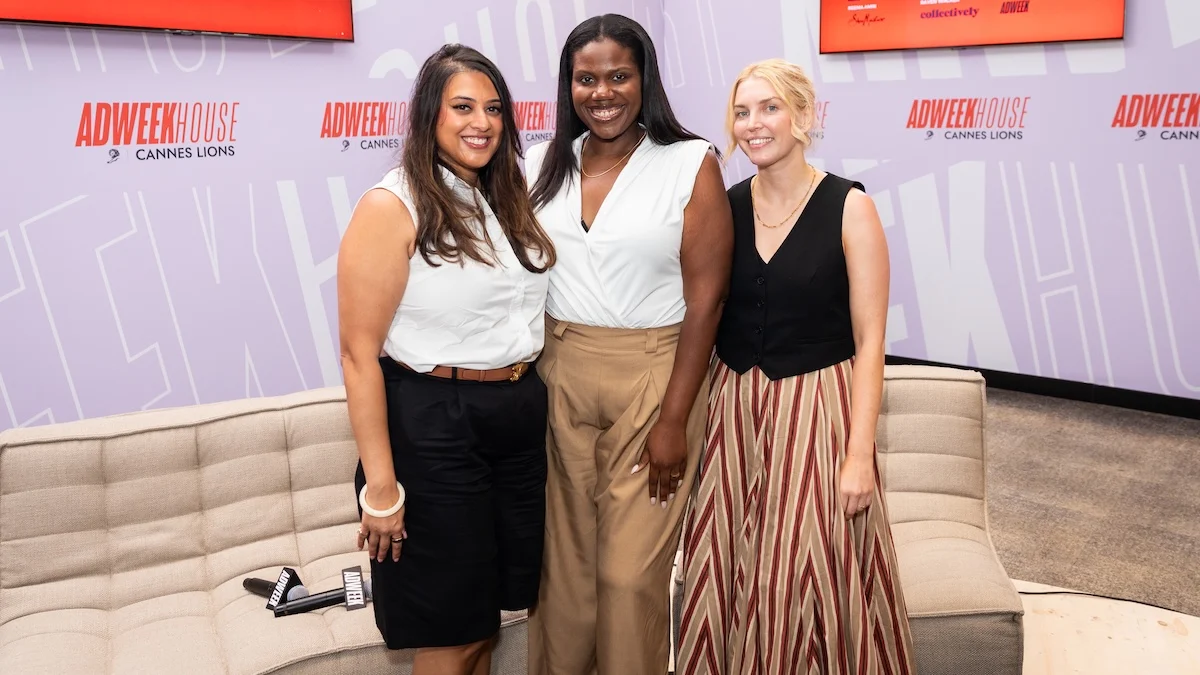
The answer, as revealed during an ADWEEK House Cannes Lions panel, was not found in a high-budget commercial, but in a radical shift toward "listening-first" marketing. By partnering with the creative agency Collectively, SheaMoisture launched their "Silk Press in a Bottle" campaign, turning what could have been a standard product rollout into a masterclass in community trust-building. The results were quantifiable: millions of views, record-breaking social engagement, and sales figures that doubled during peak retail weeks.
The Foundation: Listening Before Briefing
Modern marketing often begins with a creative concept, but SheaMoisture’s journey began with a data-driven autopsy of consumer pain points. Long before cameras rolled or influencers were contacted, the brand’s marketing team underwent a rigorous research phase. They didn’t look at sales projections or competitor ad spend; they looked at the digital conversations happening in comment sections, forums, and social media threads.
The team analyzed thousands of hours of video content, tracking the specific anxieties surrounding silk presses. They identified a consistent narrative of frustration: concerns about heat damage, the loss of curl patterns, the intrusion of humidity, and the dreaded "reversion"—where hair returns to its natural state prematurely.
"When we were developing the product, the first thing we looked at was the data," said Reema Amin, head of marketing at SheaMoisture. "The same pain points kept coming up over and over."
From this synthesis of struggle, the campaign’s "center of gravity" emerged: “Silk press season never ends.” This wasn’t just a catchy tagline; it was a direct address to the seasonal limitations that had long dictated the hair-care routines of Black women. By reframing the silk press as a year-round possibility, the brand aligned its product with the consumer’s desire for freedom and consistency.
The Chronology of a Campaign: From Concept to Commerce
The success of the campaign followed a carefully orchestrated timeline, moving from deep research to authentic creator validation.
Phase 1: The Insight and The Architecture
Before a single influencer was approached, the strategy was built on the synergy between paid and earned media. The brand decided that creators would not be "hired talent" but "architects of the narrative." They were given the trust to lead the storytelling, ensuring that the brand’s messaging felt like an organic extension of their own personal routines rather than a scripted advertisement.
Phase 2: The Stress Test
The selection of creators was a departure from traditional influencer marketing. Raven Walker, SVP of client partnerships at Collectively, noted that the team intentionally bypassed the "most popular" influencers in favor of those whose lifestyles served as the ultimate "stress test" for the product.
"It wasn’t about who has the most followers right now," Walker explained. "It’s whose life is going to serve as the stress test for this product."
Phase 3: The "Sheacation" and Real-World Validation
The campaign hit a fever pitch during "Sheacation," SheaMoisture’s signature creator trip to Miami. This was a tactical masterstroke. By taking creators to a high-humidity environment known to be the "enemy" of the silk press, the brand removed the veil of studio perfection. Creators showcased the product while navigating nightlife, outdoor heat, and salt air.
Phase 4: Retail Integration
The final phase bridged the gap between social engagement and brick-and-mortar commerce. A partnership with Walmart allowed consumers to transition from watching a TikTok video to sampling the product in a retail setting, supported by a digital magazine that provided education and inspiration.
Supporting Data and Performance Metrics
The efficacy of the "Silk Press in a Bottle" campaign is best understood through the lens of its impact on the bottom line. While many campaigns focus on "vanity metrics" like likes and impressions, SheaMoisture’s strategy was designed for conversion through trust.
- Retail Velocity: During the peak weeks of the campaign, sales doubled compared to baseline periods, signaling that the content was directly driving intent to purchase.
- Consumer Sentiment: The campaign achieved millions of views, but more importantly, it saw a shift in the quality of engagement. Comments moved from questions about the brand to inquiries about specific application techniques, indicating that the audience had moved from the "awareness" stage to the "consideration" stage.
- Trust Calibration: By utilizing "paparazzi-style" seeding content before the official hero video, the brand built a sense of anticipation that made the final product launch feel like a natural response to a growing trend, rather than a forced commercial interruption.
Official Perspectives: The Philosophy of Authenticity
During the ADWEEK House panel, the leaders behind the campaign emphasized that authenticity is not a "layer" you apply to a campaign; it is a fundamental requirement of the product development and partnership process.
Reema Amin emphasized that modern, sophisticated consumers are highly adept at identifying transactional relationships. "Authenticity can’t be layered in at the end," she noted. "It gets established from the start and has to come from the purpose, product, and fit between the creator and the community."
Raven Walker echoed this sentiment, highlighting that the true indicator of success was the nature of the consumer response. "They wanted to share it. They clicked, they bought it, and they trusted it before they ever clicked to buy." This implies that the brand had successfully de-risked the purchase. The consumer didn’t buy the product because an influencer told them to; they bought it because they saw the product survive conditions that would have destroyed any other style.
Implications for the Future of Creator Marketing
The SheaMoisture campaign offers a blueprint for the future of the creator economy. As audiences become increasingly cynical toward traditional influencer advertising, brands must shift their focus from broadcast to proof.
1. The Death of the "Plug-and-Play" Influencer
The era of sending a generic brief to a creator and expecting a high conversion rate is fading. The SheaMoisture case study proves that the highest ROI comes from identifying creators whose specific daily struggles align with the product’s core promise. When the creator is the proof-point, the ad becomes an educational tool rather than a pitch.
2. Radical Transparency
By focusing on the "stress test"—the humidity, the sweat, the travel—SheaMoisture embraced the potential for failure. By being willing to show the product in the real world, they gained an inherent credibility. Brands that hide behind filters and studio lighting are becoming increasingly invisible to the modern, data-literate consumer.
3. The Symbiosis of Paid and Earned Media
The campaign succeeded because there was no distinction between the "paid" creator content and the "earned" organic conversation. By letting creators shape the architecture of the campaign, the brand ensured that the messaging was culturally fluent. The influencers were not just the distribution channels; they were the co-authors of the product’s narrative.
4. Listening as a Competitive Advantage
In a crowded market, the most valuable asset a brand can possess is a deep understanding of its consumer’s daily frustrations. SheaMoisture’s ability to turn a "pain point" into a "campaign hook" shows that the future of marketing is not about talking at the consumer, but about proving to them that you have been listening.
Conclusion
The "Silk Press in a Bottle" campaign stands as a testament to the fact that when a brand genuinely prioritizes the needs of its community, the marketing takes care of itself. By treating their audience as a community of experts rather than a demographic to be sold to, SheaMoisture did more than just sell hair care products—they established a standard for what authentic, insight-led marketing should look like in the 21st century.
As brands look toward the future, the lessons from this campaign are clear: stop trying to make the product look perfect, and start showing how it performs in the imperfect reality of the customer’s life. Trust is the currency of the new economy, and it is earned, not through reach, but through resonance.