In the modern digital landscape, the mantra for sustainable business growth remains unchanged: more leads equal more customers, which translates into more revenue. However, the sheer volume of available marketing channels can make lead generation feel like an insurmountable puzzle. Where should a business invest its time, budget, and creative energy?
Lead generation is not merely about collecting email addresses; it is the vital first step in your sales funnel—the mechanism that turns a casual visitor into a qualified prospect. Whether you are a startup founder or a seasoned agency marketer, building a repeatable lead generation engine is essential for long-term viability.
Defining the Lead Generation Landscape
Lead generation strategies are the systematic methods businesses employ to attract and convert prospects. These strategies are broadly categorized into two distinct buckets: Inbound and Outbound.

Inbound vs. Outbound: Finding Your Balance
- Inbound Marketing: This approach focuses on pulling customers in through high-value content, SEO, and social media engagement. It is a long-term play that builds authority and trust.
- Outbound Marketing: This involves proactive outreach, including cold emails, direct mail, and paid advertising. While often perceived as more aggressive, it provides the "quick wins" necessary to gain immediate traction.
The most effective companies rarely choose one over the other. Instead, they synthesize both: using outbound to generate immediate market feedback and inbound to build a sustainable, cost-effective pipeline over time.
The Pre-Requisite: Knowing Your "Who"
Before launching a single campaign, you must define your Target Market and Ideal Customer Profile (ICP). Attempting to target "everyone" is a recipe for marketing failure.
To refine your focus, answer these two critical questions:

- The Market: What is the specific industry, geography, or company size that benefits most from your solution?
- The Buyer: Who is the decision-maker? What are their pain points, their daily responsibilities, and the specific metrics they are incentivized to improve?
Without a clear understanding of the "who," even the most sophisticated marketing tactics will miss the mark.
13 Strategies to Fuel Your Lead Generation Engine
1. Conversion-Optimized Landing Pages
Landing pages are the bedrock of any digital lead generation strategy. They serve as the dedicated destination for your traffic, designed specifically to minimize distractions and maximize conversions. A high-performing landing page utilizes clear value propositions, social proof, and a singular, compelling Call-to-Action (CTA).
2. Building an Inbound Content System
Content marketing—when done correctly—is an engine of trust. By creating blog posts, videos, and guides that solve specific problems for your audience, you position your brand as a subject matter expert. The goal is to provide enough value that the prospect feels compelled to exchange their contact information for further insights.

3. Mastering Search Engine Optimization (SEO)
SEO is the art of showing up when your prospects are actively looking for solutions. By aligning your content and landing pages with high-intent keywords, you capture demand that is already present. This reduces your reliance on paid ads and ensures a steady stream of "warm" traffic.
4. Targeted Cold Email Outreach
Cold email remains one of the most cost-effective B2B strategies. The key to success is moving away from "spray and pray" tactics. Instead, leverage intent signals—such as a company hiring for a new role or recently announcing a new funding round—to reach out with a hyper-personalized, relevant message.
5. Leveraging Popups and Sticky Bars
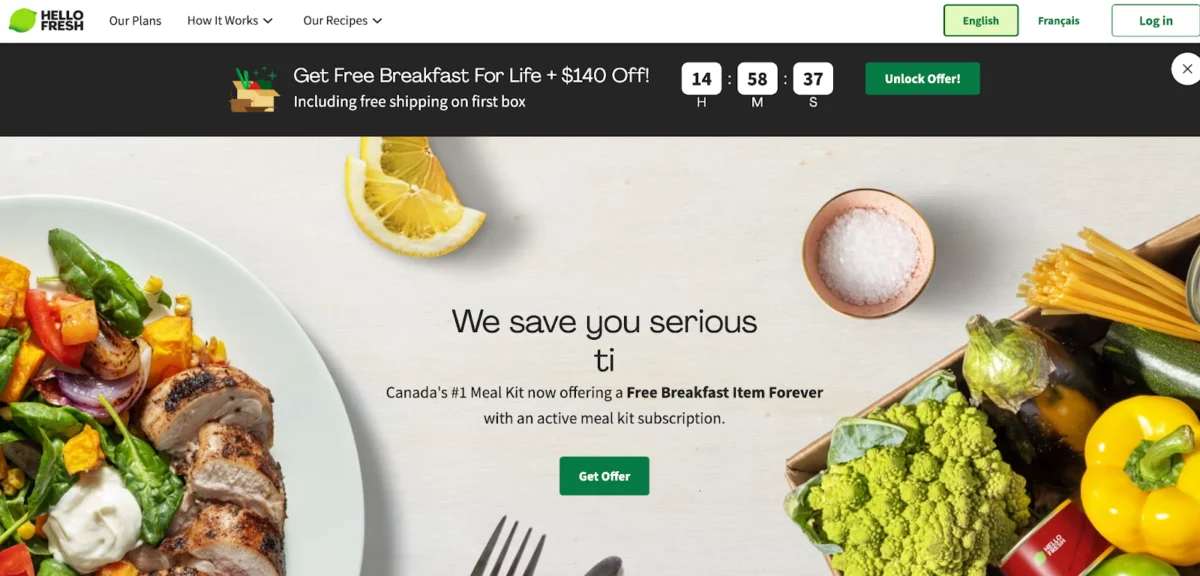
While often criticized for being intrusive, popups and sticky bars are highly effective when used with precision. By triggering these elements based on user behavior (such as exit-intent or scroll depth), you can offer a relevant lead magnet at the exact moment a visitor is most engaged.

6. Social Media Marketing
Whether through organic community building or paid social advertising, platforms like LinkedIn, TikTok, and Instagram allow you to reach prospects where they live. The shift toward "discovery feeds" means that even without a massive follower count, high-quality, authentic content can find the right audience.
7. Pay-Per-Click (PPC) Advertising
PPC offers immediate visibility. By bidding on keywords in search engines or social platforms, you can bypass the time-intensive nature of SEO. When paired with a conversion-optimized landing page, PPC acts as a "faucet" that you can turn on or off to manage your lead flow.
8. Webinars and Live Events
In an era of AI-generated content, live human interaction remains a premium asset. Webinars allow you to demonstrate expertise in real-time and answer prospect questions directly. This high-touch approach typically results in lower lead volume but significantly higher lead quality.

9. Referral Programs
Your current customers are your best sales team. By creating a formal referral program, you incentivize satisfied users to advocate for your brand. Because potential customers trust peer recommendations more than corporate marketing, these leads often have the highest conversion rates.
10. Influencer Partnerships
Influencer marketing has evolved beyond mega-celebrities. "Micro-influencers" within niche B2B or specialized consumer markets offer highly engaged audiences. Partnering with these voices allows you to borrow their established credibility to reach a new, trusting demographic.
11. Retargeting Campaigns
Most visitors won’t convert on their first trip to your site. Retargeting ads allow you to "follow" these prospects across the web, reminding them of your value proposition. These campaigns are highly efficient because they focus on an audience that has already expressed interest.

12. Free Trials and Demos
The "Costco strategy" of offering free samples is a standard in SaaS for a reason. By allowing prospects to experience your product’s value firsthand, you remove the "risk" barrier. A positive trial experience is the strongest predictor of a closed deal.
13. Interactive Tools and Quizzes
Quizzes are the "Trojan Horse" of lead generation. By offering a personalized result or an assessment, you engage the prospect’s curiosity. In exchange for the value of the result, the user is often happy to provide their contact information.
Implications for Future Growth
The landscape of lead generation is in a constant state of flux. As consumer privacy regulations tighten and AI tools become more prevalent, the strategies that rely on "cheap" tactics will falter. The businesses that succeed in the coming years will be those that prioritize authenticity, value, and data-driven iteration.

By focusing on these 13 pillars, you aren’t just filling a database with names; you are building a predictable, scalable, and resilient revenue engine. Start by selecting two or three strategies that align with your current resources, test them rigorously, and refine your approach based on the data. In the world of lead generation, consistency is not just a virtue—it is the strategy itself.