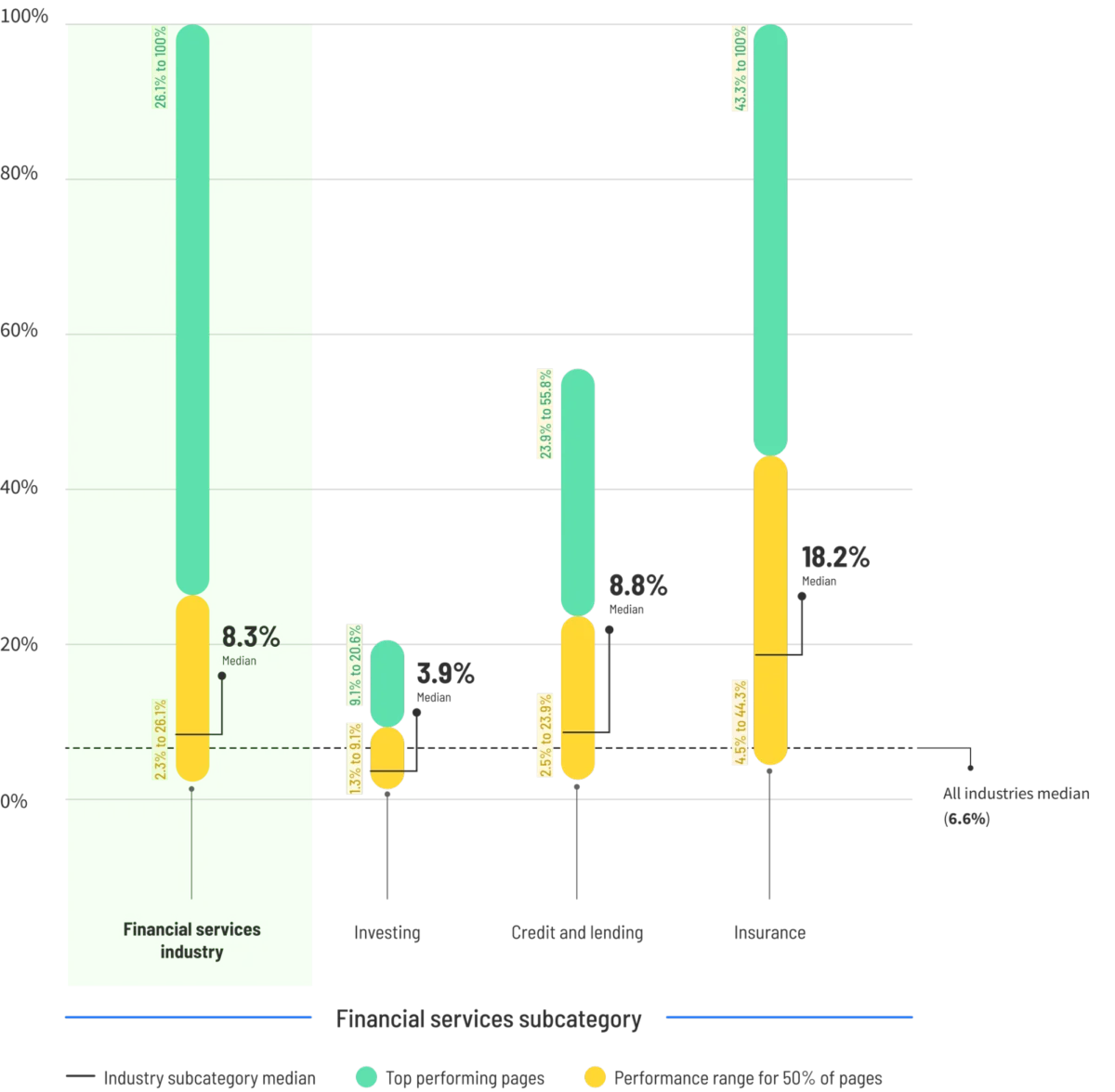
In the high-stakes world of digital marketing, many professionals find themselves trapped in a paradox: they are drowning in data yet starving for actionable insights. Analytics dashboards are often treated as post-campaign scorecards—a way to justify performance after the fact. However, industry experts and top-performing growth teams are shifting this narrative. Effective Conversion Rate Optimization (CRO) is not a retrospective exercise; it is a foundational discipline that must be established before a single test goes live.
For businesses looking to escape the "plateau trap," the difference between consistent growth and stagnant metrics lies in the ability to build a measurement framework that bridges the gap between raw numbers and human behavior.
The Foundation: Defining Success Beyond Vanity Metrics
The most common mistake in CRO is chasing arbitrary KPIs. A "5% increase in traffic" or "more page views" often does little to impact the bottom line. True optimization begins by defining what success looks like for the business, not just the marketing department.
Moving from KPIs to Outcome-Focused Goals
While standard KPIs provide a snapshot, they rarely tell the whole story. Instead of aiming for a vague "higher conversion rate," elite marketers align their goals with specific sales funnel stages. For example, if a SaaS company knows that 10% of qualified leads convert to paying customers, and they need 50 new clients a month, the goal isn’t "more leads"—it is "500 qualified leads per month." By working backward from revenue targets, marketers can set precise, measurable, and meaningful benchmarks.
The Power of Micro-Conversions
Macro-conversions, such as a completed purchase or a signed contract, are the ultimate goal. However, focusing solely on these is akin to a baseball team only tracking home runs. To understand the game, you must track the "singles and doubles"—the micro-conversions. These smaller actions—such as watching a product demo, downloading a whitepaper, or clicking an "expand" button—signal intent. By mapping these, teams can identify where friction exists in the customer journey long before the final conversion drop-off occurs.
Dissecting the Funnel: Where Data Meets Reality
Once goals are set, the focus must shift to the "leaky bucket" analysis. Every conversion path has a series of steps, and every step is a potential point of failure.
Utilizing Funnel Reports
Funnel reports are the diagnostic tools of the digital marketer. By analyzing the drop-off rate between each stage—from landing page to checkout, for instance—marketers can pinpoint exactly where the friction is. If 40% of users abandon the process between the pricing page and the shopping cart, the problem isn’t the ad campaign; it’s the pricing presentation. This turns a nebulous feeling of "low conversion" into a targeted, solvable problem.
Filtering Out the Noise
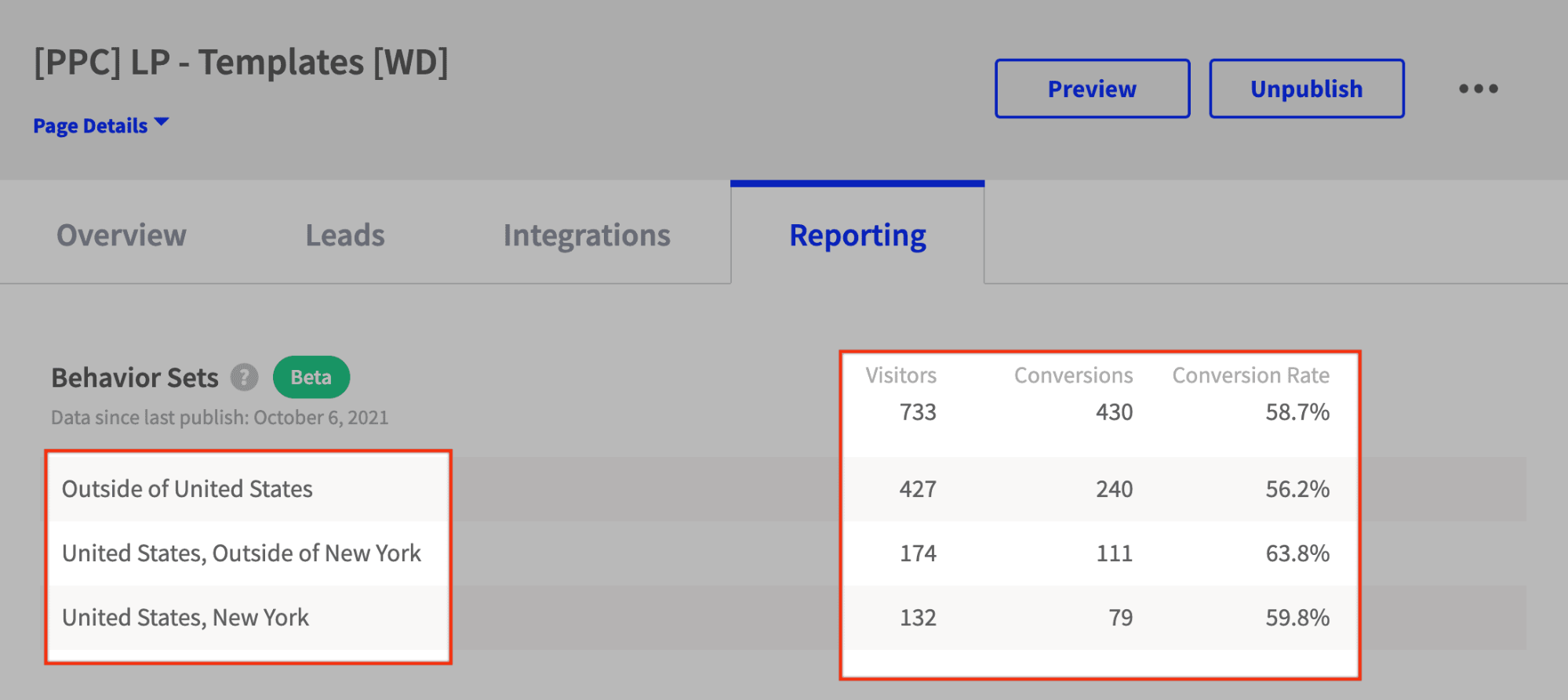
Not all data is created equal. Bounce rate, for example, is often misinterpreted. A high bounce rate might indicate a poor user experience, or it might simply mean a user found exactly what they were looking for and left. To gain clarity, marketers must employ rigorous segmentation. Breaking down data by device, traffic source, or user intent reveals the nuance that aggregate data masks. For instance, recent industry data suggests that while 83% of landing page traffic is mobile, desktop often converts at a significantly higher rate. Without device-specific segmentation, teams remain blind to this critical performance gap.

Adding the "Why": Qualitative Research and Behavioral Context
Quantitative data tells you what is happening; qualitative research tells you why. Without this context, you are merely guessing at solutions to problems you don’t fully understand.
Heatmaps and Session Recordings
Heatmaps and session recordings provide a "fly-on-the-wall" perspective. They reveal if users are clicking non-clickable elements, ignoring primary CTAs, or scrolling past critical information. If a user repeatedly clicks an image that doesn’t enlarge, you have identified a clear frustration point. Rectifying this is a high-leverage move that transforms user experience into revenue.
The Voice of the Customer
Surveys serve as the direct line to the user’s psyche. By asking targeted questions—such as "What was your main hesitation before signing up?"—marketers can uncover barriers that no amount of A/B testing would reveal. These insights often lead to simple, high-impact copy changes or UI adjustments that address user concerns directly.
Building a Culture of Experimentation
The transition from "random testing" to a "data-backed hypothesis" is the hallmark of a mature CRO program. A hypothesis is not a hunch; it is a structured prediction: "Because we observed [data], if we change [element], then [metric] will [improve]."
The Priority Matrix
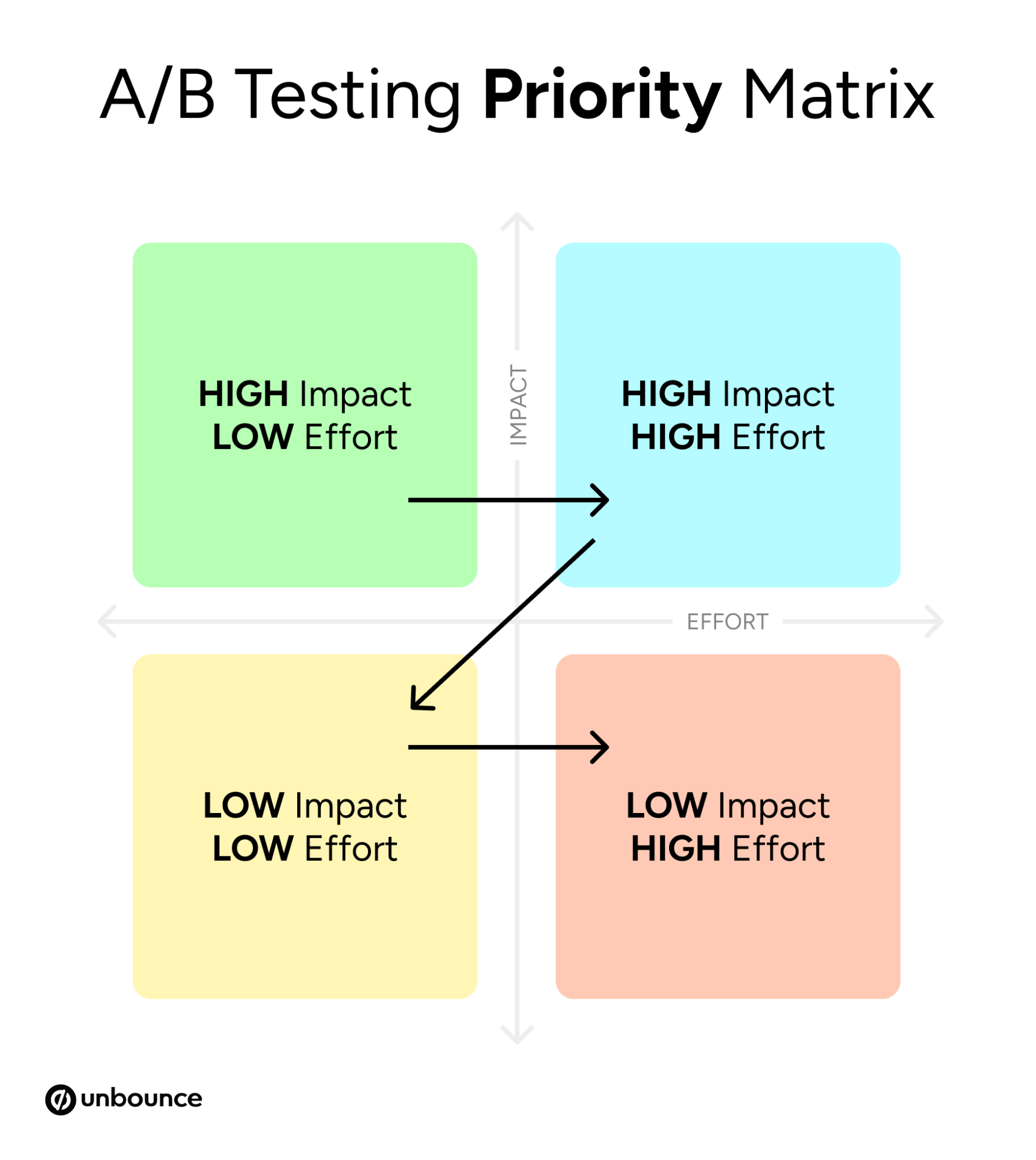
With a backlog of test ideas, prioritization is essential. Teams should evaluate tests based on two variables: Potential Impact and Ease of Implementation. This 2×2 matrix allows teams to focus on "quick wins" while also dedicating resources to high-impact, long-term strategic tests.
Interpreting Results with Statistical Rigor
A common pitfall is declaring a "winner" too early. Statistical significance is the safeguard against making decisions based on noise. If a test is stopped before reaching a valid sample size, the "lift" observed may be nothing more than random chance. True optimization requires patience and a commitment to the math. Even "losing" tests are valuable, as they provide evidence of what doesn’t work, saving the company from future missteps.
The Future of CRO: Habit, Not Event
Ultimately, CRO is not a project with a start and end date; it is a philosophy. The most successful organizations build a "culture of experimentation" where testing is as routine as checking email.
Implications of a Continuous Workflow
When a company embeds CRO into its DNA, the gains compound. A 5% improvement here and a 10% lift there, repeated over dozens of cycles, lead to exponential growth. The flywheel effect—where one insight informs the next—is how market leaders stay ahead.
The Essential Toolkit
To support this, modern teams need a unified stack. Cobbling together disparate tools often leads to data silos and burnout. An integrated platform that combines landing page creation, A/B testing, and robust reporting allows marketers to move at the speed of the market. As the digital landscape becomes more crowded, those who can iterate faster and learn more effectively will inevitably win the battle for consumer attention.
Conclusion: From Data to Decision
The path to higher conversion rates is not paved with intuition or gut feelings; it is built on the systematic measurement of what actually happens when a user lands on your page. By defining clear goals, tracking micro-intent, validating with qualitative research, and building a disciplined testing habit, you can move from being a marketer who hopes for results to one who engineers them.
Stop guessing. Start testing. And most importantly, start measuring what truly matters. The data is there—all you need to do is listen to it.