The landscape of professional sports is undergoing a seismic shift. For decades, the broadcast model was simple: the league provided the game, the networks provided the distribution, and the fans provided the loyalty. Today, however, that paradigm is being disrupted by a new generation of digital-first creators who prioritize narrative, personality, and platform-specific content over the traditional three-hour broadcast.
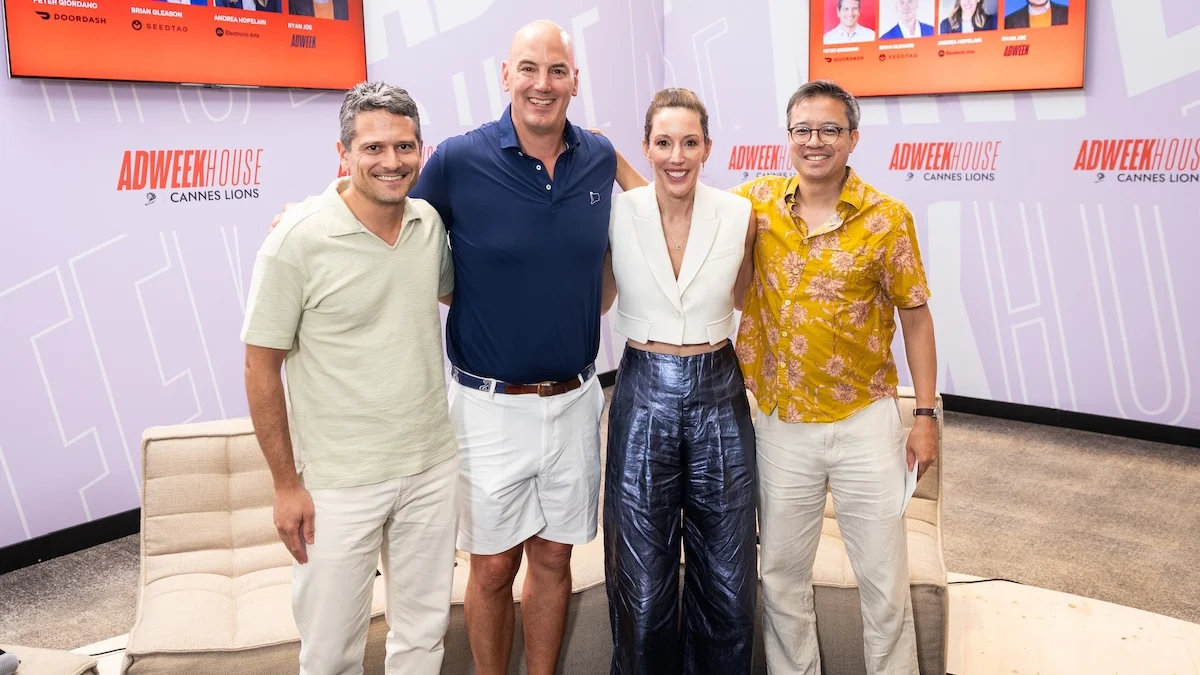
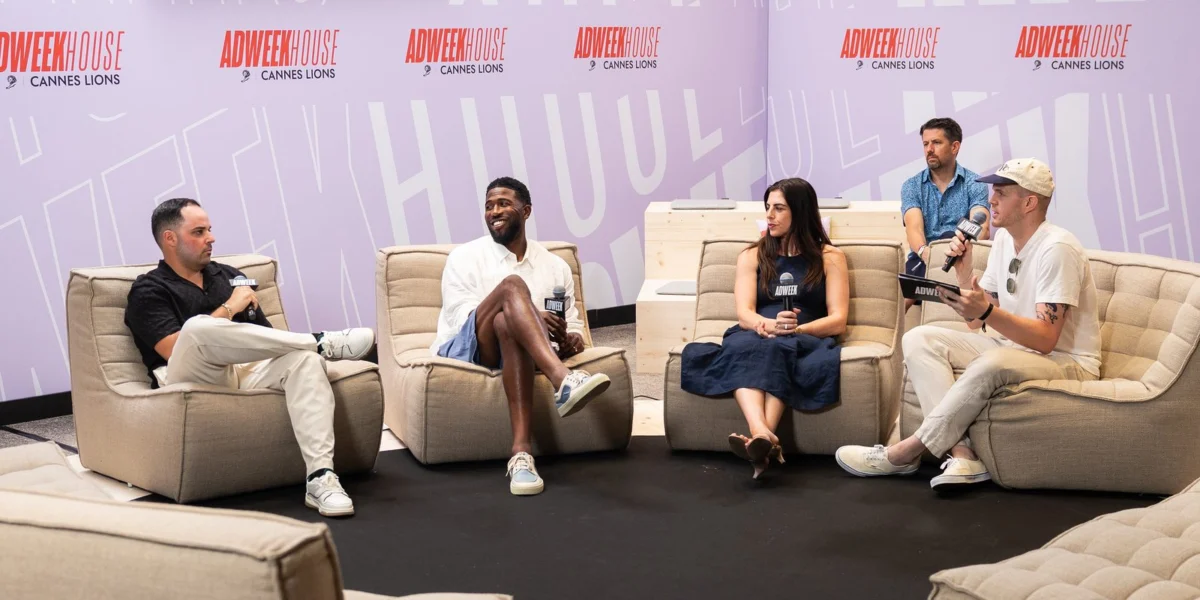
At the recent Cannes Lions International Festival of Creativity, a panel hosted at the ADWEEK House highlighted a transformative partnership between Major League Baseball (MLB) and Jomboy Media. The session—featuring Jomboy Media CEO Courtney Hirsch, former MLB All-Star and 400 Ventures co-founder Dexter Fowler, and MLB’s VP of player engagement EJ Aguado—offered a blueprint for how legacy sports organizations can remain relevant in an era of fractured attention spans.
The Paradigm Shift: From Passive Viewing to Creator-Led Storytelling
The fundamental way fans interact with sports has evolved. According to Courtney Hirsch, the traditional entry point—watching a full nine-inning game on television—is no longer the universal gateway for younger demographics.
"Fans’ entry points to a sport are no longer just watching full games on TV," Hirsch explained during the panel. Instead, the "hook" is increasingly found in bite-sized, creator-driven content on platforms like TikTok, Instagram, and X (formerly Twitter).
This reality has forced a rethink of the "league-to-consumer" pipeline. MLB, recognizing this shift, has moved away from a strategy that demands fans come to them. Instead, the league is adopting a strategy of "radical presence"—meeting fans in the digital spaces where they already spend their time. By partnering with Jomboy Media, MLB is effectively outsourcing the "cool factor" to creators who understand the nuance of social media storytelling.
Chronology: The Rise of the "Jomboy Phenomenon"
The trajectory of this partnership is best understood by looking at the evolution of Jomboy Media itself.
- 2017–2018: Jomboy Media begins as a grassroots operation, characterized by its signature "lip-reading" breakdowns of on-field arguments and tense moments. These videos—unpolished, authentic, and often humorous—go viral, creating a new way to consume baseball that feels like hanging out with a friend rather than watching a corporate broadcast.
- The "Lip-Reading" Era: The influence of these videos grew so significantly that a cultural phenomenon emerged: players and managers began covering their mouths with their jerseys or caps during heated exchanges to avoid being "Jomboyed."
- Strategic Integration: Rather than taking an adversarial stance toward this unauthorized commentary, MLB recognized the engagement metrics. The league pivoted from viewing these creators as potential copyright threats to seeing them as essential distribution partners.
- Modern Era: Today, the partnership is formalized. MLB provides access and creative collaboration, while Jomboy Media provides the editorial voice. This synergy has birthed shows like Café con Lindor, a social series featuring Mets shortstop Francisco Lindor, which serves as a high-production example of the league’s new athlete-centric marketing strategy.
Supporting Data: The ROI of Authenticity
The efficacy of this strategy is best evidenced by the numbers. The move toward creator-led content is not just about "vibes"; it is a calculated business decision backed by significant data.
The Café con Lindor series is the gold standard for this new approach. By allowing Francisco Lindor to interview figures from the worlds of fashion, music, and pop culture, the series transcended the traditional sports fan base. The result was staggering: the four-episode run generated approximately 35 million social media views.
This metric is critical for league growth. It suggests that while a 35-million-view audience might not translate directly into 35 million new season-ticket holders, it creates a massive "top-of-funnel" effect. It exposes the MLB brand to younger, diverse, and entertainment-focused audiences who may never have clicked on a standard game recap.
Official Responses: The Philosophy of the Modern League
During the panel, the participants articulated a clear consensus: authenticity is the currency of the future.
EJ Aguado (MLB)
Aguado emphasized that the league’s strategy is grounded in humility. "We are meeting fans where they are, rather than expecting them to come to MLB," he noted. This involves acknowledging that the modern consumer has a plethora of entertainment options. If the MLB product is not immediately engaging, the fan will simply swipe to a competitor’s content. By empowering creators, MLB is effectively diversifying its voice to ensure that at least one of those voices resonates with the modern user.
Dexter Fowler (Former MLB All-Star)
Fowler provided the crucial perspective of the athlete. During his playing days, athletes were largely reliant on traditional media to tell their stories, which often resulted in filtered, guarded, and sterilized interviews.
"If Jomboy Media had existed during my playing days, I would have used the platform to have more control over my messaging," Fowler remarked. His insight highlights a crucial shift: athletes today are increasingly viewing themselves as individual brands. By leveraging platforms like Jomboy, they can bypass the "middleman" of traditional sports journalism and speak directly to their audience.
Courtney Hirsch (Jomboy Media)
Despite the company’s massive growth—now boasting nearly 60 employees and 14 distinct creators—Hirsch remains committed to the grassroots ethos that started it all. "We are just people having fun with sports," she said. Maintaining this identity is the primary challenge for the firm as it grows. The mission, she insists, remains the same: "Keep the fan first and grow the game."
Implications for the Future of Sports Media
The collaboration between a legacy institution like Major League Baseball and a digital-native entity like Jomboy Media has broad implications for the wider sports industry.
1. The Decline of the "Gatekeeper"
The era of the monolithic sports network acting as the sole gatekeeper of fan experience is ending. Leagues are realizing that their own internal media departments cannot replicate the speed and cultural relevance of independent creators. We are entering an era of "federated media," where the league sets the stage, but independent creators provide the commentary that actually drives social discourse.
2. The Athlete as a Creator
We are likely to see a continued evolution in how athletes engage with media. As Dexter Fowler noted, the desire for control over one’s own narrative is powerful. Future athlete contracts may include clauses regarding personal media projects, and we should expect to see more "Café con Lindor" style ventures where athletes become the producers of their own digital presence.
3. Redefining "The Game"
The definition of "a fan" is changing. In the past, a fan was defined by their attendance or their viewership of live games. Today, a fan can be someone who has never watched a full inning but follows every breakdown, interview, and meme associated with a specific player. This "fragmented fandom" is not a threat to the sport; it is an expansion of the ecosystem.
4. The Challenge of Scale
The primary risk for this new model is the erosion of authenticity. As leagues formalize these partnerships, there is a danger that the "creator-led" content will begin to feel as polished and corporate as the traditional broadcasts they replaced. The success of the Jomboy-MLB model relies on the audience believing that the creators are still "one of them." Maintaining that illusion while scaling up to reach millions of viewers will be the defining challenge for both the league and the media company in the years to come.
Conclusion
The conversation at Cannes underscored a vital reality: in 2026 and beyond, the battle for the fan’s attention will be won by those who can provide context, personality, and community. The partnership between MLB and Jomboy Media is not just a marketing tactic; it is a fundamental acknowledgment that the "future of fandom" is not something that can be dictated from the top down. It is something that must be nurtured, shared, and occasionally surrendered to the creators who truly understand how to capture the heart of the modern fan.