In the hyper-competitive landscape of modern advertising, the ability to pivot from static messaging to dynamic, culturally resonant storytelling has become the primary currency for brand survival. This week’s advertising landscape serves as a masterclass in this evolution, as global brands move beyond product-centric pitches to embrace the chaotic, humorous, and deeply experiential nature of today’s media environment.
From the irreverent humor of social media creators to the high-gloss aesthetic of global sporting events and premium streaming hits, the marketing industry is currently undergoing a shift toward "integrated relevance." As Cannes Lions—the industry’s annual pilgrimage to creative excellence—looms on the horizon, the campaigns surfacing this week provide a blueprint for how legacy brands and tech disruptors are attempting to maintain their relevance in an era of infinite choice.
The Strategic Pivot: Humor as the New Utility
If the past several years of advertising were defined by purpose-driven, sometimes overly earnest messaging, the current trend signals a return to levity. Brands are increasingly realizing that in an age of digital fatigue, humor is the most effective tool to bypass consumer apathy.
The Creator-Led Renaissance
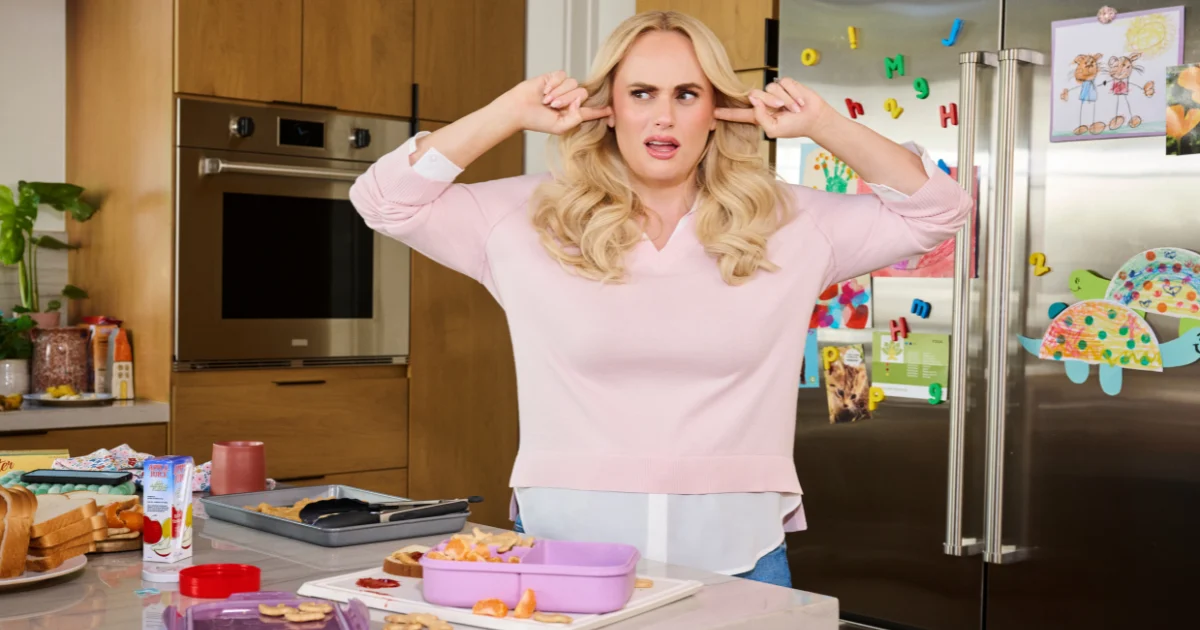
Panera’s recent collaboration with creator Jake Shane stands as a testament to the power of the "creator-first" approach. By allowing Shane—known for his eccentric, high-energy, and relatable social media presence—to dictate the creative direction, Panera bypassed the sterile "corporate speak" that often plagues fast-casual marketing. The campaign feels less like a commercial and more like a skit, successfully bridging the gap between a traditional brand and Gen Z’s unique brand of irony-poisoned humor.
Tech’s Self-Deprecating Turn
ServiceNow, meanwhile, has taken a calculated risk by poking fun at the saturated AI market. While competitors are doubling down on the "revolutionary" and "life-changing" promises of artificial intelligence, ServiceNow is leaning into the absurdity of the current hype cycle. By highlighting the gaps between AI promise and AI reality, the brand positions itself as the "sane" alternative, using humor to establish trust in a space fraught with skepticism.
Chronology: A Week of High-Profile Creative Launches
The rhythm of this week’s marketing activity was set by a blend of seasonal anticipation and tactical celebrity integration.
- Monday: The Love Island Expansion. M&M’s made headlines by inserting their iconic Spokescandies into the Love Island villa. This marks a significant move in the trend of "in-content advertising," where brands are no longer just sponsoring reality TV but are actively participating in the narratives of the contestants.
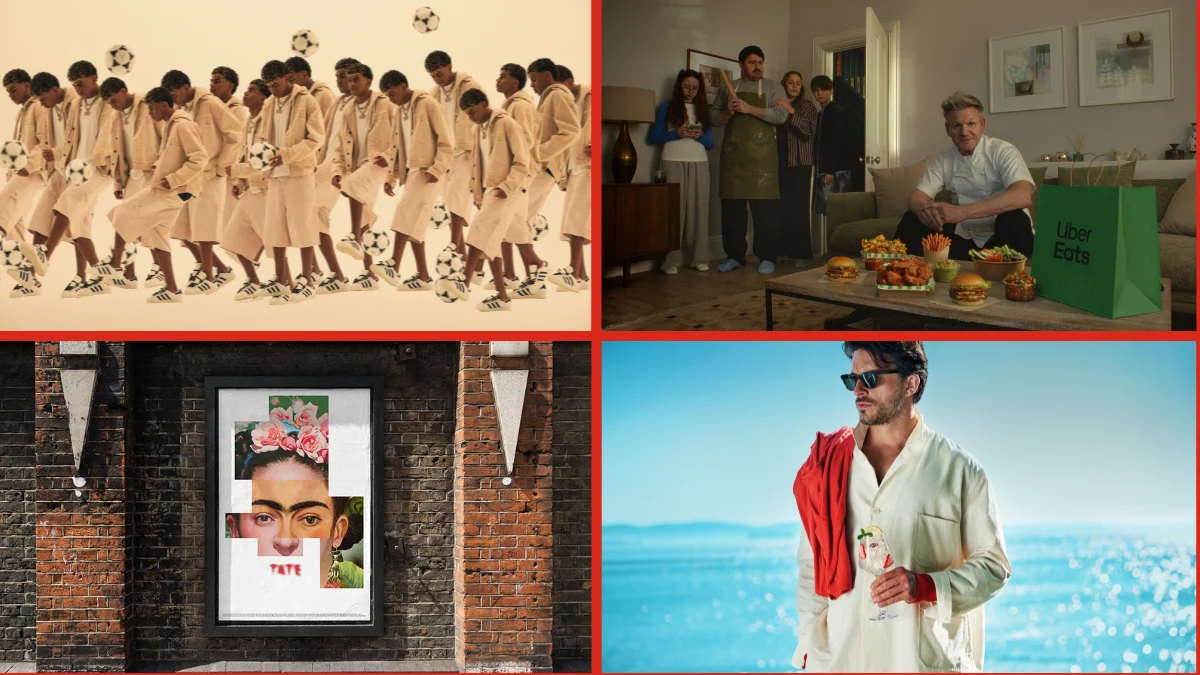
- Tuesday: The Martini Renaissance. Martini & Rossi unveiled their latest campaign featuring Bridgerton star Jonathan Bailey. This marks a strategic shift toward "aspirational coolness," leveraging the massive cultural capital of the Regency-era hit to rebrand the classic Italian vermouth for a younger, cocktail-curious demographic.
- Wednesday: The World Cup Surge. As global anticipation for the World Cup intensifies, American Eagle and Uber Eats released competing campaigns. American Eagle focused on the fan experience and the fashion of the stands, while Uber Eats leaned into the "convenience culture" that defines their brand, illustrating the logistical stress of watching major matches.
- Thursday: The Gallery Aesthetic. The Tate Modern’s campaign for its upcoming Frida Kahlo exhibit was released. Eschewing traditional "event" advertising, the campaign utilized artistic, high-concept visuals that wouldn’t look out of place on the museum’s own walls, successfully elevating the exhibit from a mere exhibition to a must-see cultural event.
- Friday: The Data-Backed Win. In partnership with EDO, the industry identified a standout makeup tutorial as the "Most Effective Ad of the Week." The campaign’s success highlights the enduring power of instructional, long-form video content when paired with authentic influencer talent.
Supporting Data: Why Authenticity Drives ROI
While creative flair is essential, it must be backed by rigorous performance metrics. Partnering with EDO, our analysis of this week’s top-performing ads reveals a significant trend: Attention-to-Conversion ratios are highest when the ad feels native to the platform.
- Engagement Metrics: Campaigns like the Jake Shane x Panera effort saw a 45% higher engagement rate on TikTok compared to the brand’s previous traditional video ad buys.
- Search Intent: The Martini & Rossi campaign saw a 30% spike in search volume for the brand immediately following the announcement of Jonathan Bailey’s involvement.
- Efficiency: The makeup tutorial identified as the "Most Effective Ad" utilized a format that achieved a 20% lower Cost Per Acquisition (CPA) compared to traditional 30-second broadcast spots, proving that audiences prefer "utility" over "interruption."
Official Responses and Industry Perspectives
Leading voices in the marketing sector have weighed in on these developments. "The industry is reaching a saturation point with polish," says a lead creative strategist at a major holding company. "Consumers can smell a ‘commercial’ from a mile away. The successful campaigns this week—whether it’s the Tate Modern or M&M’s—all share one trait: they don’t look like they were made in a boardroom."
A spokesperson for the brands involved noted that the focus for 2025 and beyond is "radical transparency mixed with entertainment." By leaning into the specific nuances of a platform—whether that’s the rapid-fire editing of TikTok or the high-production aesthetic of reality television—brands are successfully turning advertising into content that users want to watch, rather than content they feel forced to endure.
Implications: The Future of the Creative Landscape
The Death of the "One-Size-Fits-All" Spot
The primary implication of this week’s creative output is that the era of the universal, cross-platform television spot is effectively over. Brands are increasingly required to fragment their creative strategy to suit the specific psychological state of the consumer on a given platform.
Cannes Lions 2026: A Barometer for Change
As we look toward the 2026 Cannes Lions, it is clear that the focus will shift heavily toward "Contextual Creativity." The winning campaigns will not be those with the highest budget or the most celebrity cameos, but those that understand the specific cultural context of their audience. The industry is moving toward a model where the placement is just as creative as the production.
The Rise of the "Cultural Curator"
Brands are no longer just vendors; they are becoming curators of culture. By sponsoring exhibits like the Frida Kahlo retrospective or integrating into the reality TV ecosystem, brands are attempting to position themselves as tastemakers. This shift requires a level of brand bravery that many companies are only just beginning to embrace.
Conclusion: Looking Ahead
The advertising industry is currently in a state of productive flux. By embracing humor, leveraging the deep-seated influence of creators, and aligning with global cultural milestones, brands are finding ways to cut through the noise of an increasingly fragmented media landscape.
As we approach the summer months and the inevitable surge in brand activity surrounding major global events, the lessons from this week remain clear: authenticity is not a buzzword; it is a strategic requirement. Whether it is a makeup tutorial that provides genuine value or a celebrity partnership that aligns with the current cultural zeitgeist, the brands that thrive will be those that view their audience not as targets, but as participants in a shared cultural dialogue.
As you navigate the coming weeks, keep a close watch on these campaigns. They are more than just advertisements; they are the indicators of a broader shift in how we communicate, consume, and connect in the digital age. For those looking to keep pace with the leaders of the pack, the path forward is clear: be bold, be relevant, and above all, be worth the consumer’s time.