In the modern digital ecosystem, your website is not merely a virtual storefront—it is your most consistent, tireless, and scalable sales representative. Yet, for many organizations, the website functions more like a passive digital brochure, failing to capitalize on the hard-earned traffic driven by expensive ad campaigns and content marketing efforts.
The fundamental disconnect lies in a lack of conversion-focused strategy. When visitors arrive on your site, they are often in a state of high intent, searching for a solution to a specific pain point. If your site is not designed to capture that intent, you are effectively leaving revenue on the table. This guide explores 16 battle-tested strategies to transform your web presence into a high-octane lead generation machine.
The Core Mandate: Why Website Conversion Remains Paramount
Despite the proliferation of social media platforms and the enduring power of email marketing, the website remains "home base." It is the central hub where all digital threads converge. When a potential customer clicks an ad or follows a link from an industry report, they are looking for verification, education, and—ultimately—a pathway to purchase.
The challenge is that most websites are designed for aesthetics rather than action. They are "museums" of corporate history, lacking the clear, frictionless pathways required to convert a browser into a qualified lead. Fortunately, achieving a paradigm shift does not require a million-dollar, six-month redesign. Data suggests that incremental, strategic optimizations—such as refining call-to-action (CTA) language or simplifying form fields—can result in exponential increases in conversion rates.
Chronology of a Conversion Strategy
To effectively overhaul your lead generation, you must follow a logical sequence of implementation.
- Foundational Audit: Start by analyzing your current traffic behavior. Identify where users are dropping off.
- Structural Optimization: Shift from generic homepages to dedicated landing pages for specific campaigns.
- Behavioral Calibration: Use A/B testing to refine messaging and visual elements.
- Value Exchange: Implement lead magnets that solve real-world problems.
- Friction Reduction: Simplify data collection forms.
- AI-Driven Personalization: Deploy tools like Smart Traffic to match users with their ideal page variants.
16 Proven Strategies for Lead Generation
1. Dedicated Landing Pages: The Antidote to Homepage Clutter
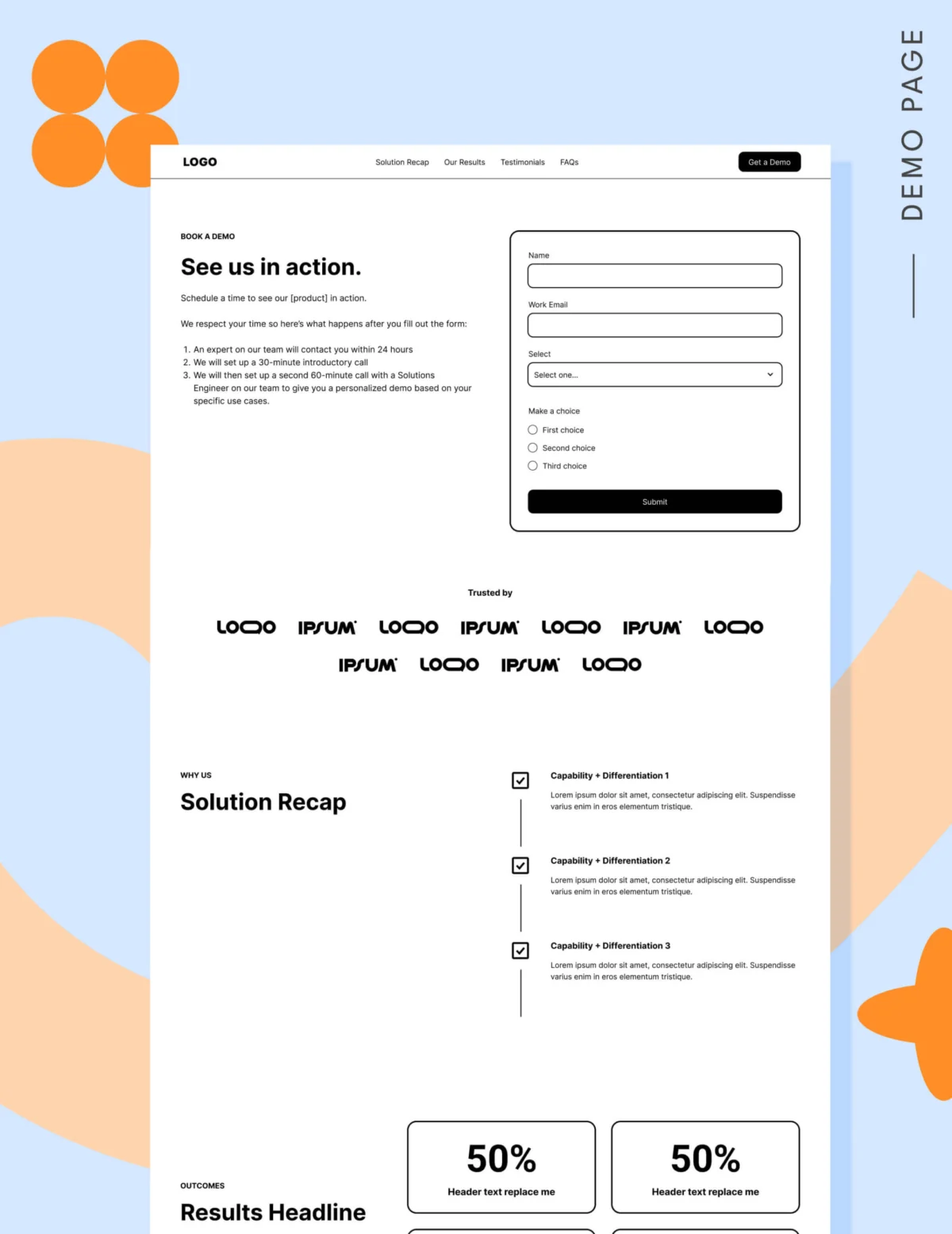
Generic homepages suffer from "decision paralysis." By forcing a visitor to navigate through multiple menus and company history, you lose the focus necessary for conversion. Dedicated landing pages, by contrast, offer a single, clear objective. By aligning the promise of an ad directly with a bespoke landing page, you ensure continuity of intent.

2. The Science of A/B Testing
The era of guessing is over. Successful marketers treat their website as a living laboratory. Small, seemingly minor changes—such as shifting from "Sign up for free" to "Trial for free"—have been documented to drive double-digit percentage growth in conversions. Always test headlines, button colors, form lengths, and hero imagery.
3. Lead Magnets That Actually Deliver Value
"10 Tips for Success" PDFs no longer cut it. Modern consumers are protective of their inbox. To earn their contact information, you must offer an immediate, tangible win. Whether it is a proprietary industry report, a calculator tool, or an exclusive template, your lead magnet must alleviate a specific frustration.
4. Radical Simplification of Forms
Every additional field in your contact form acts as a tax on the user’s patience. Research consistently shows that reducing form length to the bare minimum (Name, Email, Company) can dramatically increase submission rates. For more complex qualification, use conditional logic to ask follow-up questions only when necessary.
5. Leveraging AI for Smart Traffic
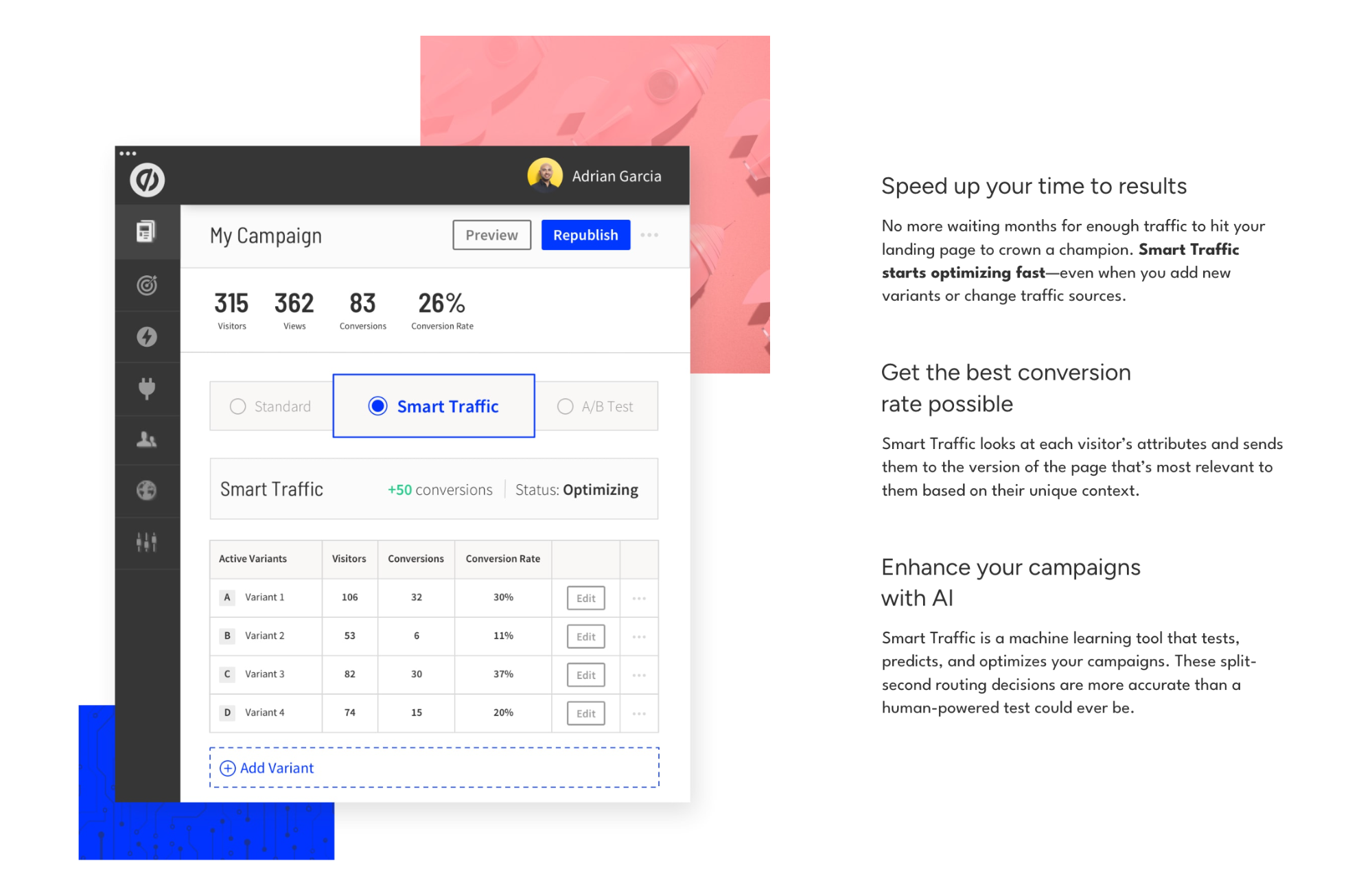
Not all visitors are equal. AI-powered optimization tools can now analyze visitor characteristics—such as geography, device type, and referral source—to route users to the specific page variant most likely to convert for their persona. This eliminates the need for weeks of manual testing and achieves "statistical significance" almost immediately.
6. Strategic CTA Placement
A call to action should never be a scavenger hunt. Place your primary CTAs in high-visibility areas, such as the hero section (above the fold) and immediately following key value propositions. Ensure the copy is action-oriented and the design stands out from the rest of the page.
7. Social Proof: The Trust Multiplier
In a digital world, trust is the rarest currency. Incorporate genuine testimonials, client logos, industry badges, and case study snippets near your lead capture forms. This provides the "nudge" of social validation right at the critical moment of decision.

8. The Velocity Factor: Site Speed
Slowness is the silent killer of conversions. Studies indicate that for every second of load time, conversion rates drop by approximately 4.42%. Use Google’s PageSpeed Insights to audit your site, compress images, and leverage content delivery networks (CDNs) to ensure your pages load instantaneously.
9. Content That Targets Pain Points
Your blog should not be a corporate newsletter; it should be a resource library. By creating content that addresses the specific, "keep-them-up-at-night" problems of your target audience, you build authority. When the content is excellent, the transition to a relevant CTA becomes a natural next step rather than an intrusive sales pitch.
10. Strategic Pop-ups and Sticky Bars
When used correctly, pop-ups provide value. Exit-intent pop-ups, for example, can capture a lead just as they are about to leave your site. The key is to ensure these overlays are contextually relevant and appear at the right moment, rather than acting as immediate interruptions.
11. Real-Time Engagement via Chat
When a prospect has a question, they want an answer immediately. Live chat or AI-powered chatbots allow you to capture leads while their interest is at its peak. This transforms a passive visitor into an active conversation.
12. Dynamic Content Personalization
Using Dynamic Text Replacement (DTR), you can change the copy on your landing page to match the specific keywords the user typed into a search engine. This makes the user feel understood, dramatically increasing the likelihood of conversion.
13. Eliminate the Paradox of Choice
Do not present multiple competing CTAs on a single page. If you provide five different options, the user will likely choose none. Keep the path clear: one page, one offer, one outcome.
14. Metrics That Drive Action
Move beyond vanity metrics like pageviews. Focus on scroll depth, form drop-off rates, and button click-throughs. If you cannot translate a data point into an optimization decision, it is likely a distraction.
15. Nurturing, Not Badgering
Once a lead is captured, your email follow-up sequence should focus on providing continued value. Avoid the "sales bullhorn" approach. Stay top-of-mind by helping them solve problems, not by constantly demanding a purchase.
16. Intelligent Lead Qualification
Prevent friction between your sales and marketing teams by implementing a lead scoring system. By filtering out low-intent prospects early, you ensure your sales team spends their time on leads that are actually ready to close.
Implications for Future Growth
The shift toward marketer-led optimization is permanent. Modern tools now allow marketing teams to bypass the IT bottleneck, creating, testing, and iterating on landing experiences in real-time. By implementing these 16 strategies, organizations can stop chasing "more traffic" and start focusing on the much more lucrative goal of "better conversion."
Ultimately, the difference between a high-growth company and a stagnant one is often found in the small, strategic tweaks made to the user experience. By valuing the visitor’s time, addressing their pain points with precision, and creating a frictionless path to engagement, you turn your website from a passive asset into a powerful, automated engine for sustainable business growth.