In the hyper-competitive world of digital marketing, where algorithms change by the hour and "thought leadership" is a crowded marketplace, the physical and virtual stage remains the ultimate frontier for professional authority. Whether an industry veteran or an emerging specialist, the path to the keynote spot is rarely paved with unsolicited invitations. Instead, it is built on the foundation of a disciplined, strategic, and often grueling process: the pitch.
As major industry events like brightonSEO and Hero Conf prepare their 2025 and 2026 agendas, the art of the speaking proposal has evolved from a simple "call for papers" into a sophisticated meritocracy. For professionals looking to solidify their presence, understanding the internal mechanics of event curation is no longer optional—it is a prerequisite for career survival.
Main Facts: The Shift Toward Meritocratic Curation
The events industry has undergone a fundamental shift in how agendas are constructed. Historically, conferences relied heavily on "star power"—inviting C-suite executives from Fortune 500 companies to draw crowds. However, modern audiences, particularly in technical fields like Paid Search (PPC) and Search Engine Optimization (SEO), have grown weary of high-level platitudes.
Today, event organizers are increasingly prioritizing "Content over Credentials." While a prestigious job title at a global agency may have once guaranteed a slot, organizers now scrutinize the specific value proposition of the proposed talk. This democratization of the stage means that a mid-level analyst with a groundbreaking case study on AI-driven automation often holds more weight than a Vice President delivering a generic "future of the industry" speech.
Furthermore, the "Open Call" system has become the primary vehicle for discovery. Organisers use these windows to find "fresh voices"—specialists who are doing the work on the ground but may not yet have a national profile. This creates a symbiotic relationship: speakers gain a platform to build their brand, while organizers ensure their event doesn’t become an echo chamber of the same twenty recurring faces.

The Chronology of a Successful Speaking Campaign
Securing a speaking slot is a long-game endeavor that begins months before a submission form is ever opened. The lifecycle of a successful pitch can be broken down into four distinct phases.
Phase 1: The Research and Immersion Period (6–12 Months Out)
Successful speakers do not pitch in a vacuum. They are active participants in the communities they wish to lead. This phase involves attending events as a delegate to understand the "vibe" and technical depth of the sessions.
"You wouldn’t try out for a rugby team if you’re a footballer," the industry adage goes. Similarly, pitching a highly technical Python script for SEO to a room of small business owners is a recipe for rejection. Researching past agendas allows a speaker to identify "content gaps"—topics that are relevant but haven’t been covered exhaustively in recent years.
Phase 2: The Tactical Preparation (3–6 Months Out)
During this window, potential speakers must build their "Speaker Kit." This includes:
- The Specialism Audit: Identifying topics where the speaker has "deep-dive" knowledge rather than surface-level awareness.
- The Professional Bio: Crafting a 150-word narrative that establishes trust. This is the "Too Long; Didn’t Read" (TLDR) of the speaker’s career, focusing on why they are uniquely qualified to speak on a specific topic.
- Visual Assets: Securing a professional headshot. Organizers emphasize that first impressions matter; a cropped photo from a social event can undermine the perceived professionalism of a high-quality pitch.
Phase 3: The Submission Window (The Pitch)
When the "Call for Speakers" goes live, the focus shifts to the Title and Description. This is the "hook" that must catch a reviewer’s eye among hundreds, sometimes thousands, of submissions.

- The Must offer immediate clarity. While puns and "clever" titles are popular, they must not obscure the subject matter.
- The Description: Usually limited to 80–100 words, this must outline the problem, the proposed solution, and—crucially—the actionable takeaways for the audience.
Phase 4: The Post-Pitch Waiting Game
Once the "submit" button is hit, professional etiquette dictates a period of silence. Following up or "chasing" organizers is generally discouraged unless specifically invited. The selection process is an administrative marathon, involving multiple rounds of blind reviews and diversity checks to ensure a balanced agenda.
Supporting Data: What Drives Acceptance?
Internal data from major marketing conferences suggests that the "success rate" for unsolicited pitches often hovers between 5% and 15%, depending on the size of the event. To move into that top percentile, pitches must align with four key pillars:
- Actionability: 85% of event attendees cite "learning a new skill" as their primary reason for attending. Pitches that promise "3 frameworks to reduce CPA" outperform those titled "Thoughts on the Future of PPC."
- Uniqueness: Organizers look for the "Contrarian Factor." A pitch that challenges SEO "best practices" with a data-backed case study is statistically more likely to be selected than one that reinforces standard manual guidelines.
- Evidence of Performance: Proposals that mention specific metrics (e.g., "how we grew organic traffic by 40% without a backlink strategy") provide the social proof organizers need to justify the slot.
- Speaker Reliability: For larger stages, organizers often look for "proof of life"—links to previous talks, YouTube clips, or even podcast appearances—to ensure the speaker can handle a live audience.
Official Responses and Expert Insights: The View from the Organizers
Organizers from leading events like brightonSEO and Hero Conf emphasize that rejection is rarely a reflection of the speaker’s talent, but rather a matter of "puzzle-fitting."
"Every event has its own objective and audience," notes the guiding philosophy at brightonSEO. "This may mean rejecting incredible pitches because they are not relevant to the specific themes of that year’s agenda."
Expert speakers, such as Rand Fishkin, who has graced the brightonSEO stage, often advocate for a "narrow and deep" approach. The advice to newcomers is consistent: don’t try to cover everything. A focused talk on a newly emerging PPC platform or a specific content strategy that eschews AI can stand out far more than a broad overview of digital marketing.

Furthermore, veteran speakers suggest that the "Speaker Bio" is an underutilized tool. It shouldn’t just be a resume; it should be a "trust-building" document. Organizers need to know: Can this person deliver? Do they have the authority? Will they represent our brand well?
Implications: The Future of Knowledge Sharing
The professionalizing of the "pitching" process has significant implications for the marketing industry at large.
The End of the "Pay-to-Play" Era
While "sponsored speaking slots" still exist, the most prestigious stages are moving toward a "content-first" model. This forces agencies and tech vendors to invest in genuine research and innovation if they want their staff to be seen as leaders. It levels the playing field for boutique agencies and in-house specialists who may not have the marketing budget of a global SaaS firm but have superior data.
The Diversity and Inclusion Mandate
The move to open pitching has been a boon for diversity. By allowing speakers to put themselves forward rather than relying on an "old boys’ network" of invites, conferences are seeing a broader range of perspectives, backgrounds, and technical approaches. This diversity isn’t just a social goal; it’s a business necessity. Events that fail to showcase diverse voices risk becoming stagnant and losing their audience to more inclusive competitors.
The Rise of the "Speaker-Influencer"
As pitching becomes more competitive, we are seeing the rise of the professional speaker-influencer. These are individuals who treat their speaking career as a distinct product, complete with "sizzle reels," dedicated landing pages, and a consistent "touring" schedule. This raises the bar for everyone; the casual speaker must now compete with individuals who have professionalized every aspect of their stage presence.

Summary: The Call to Action
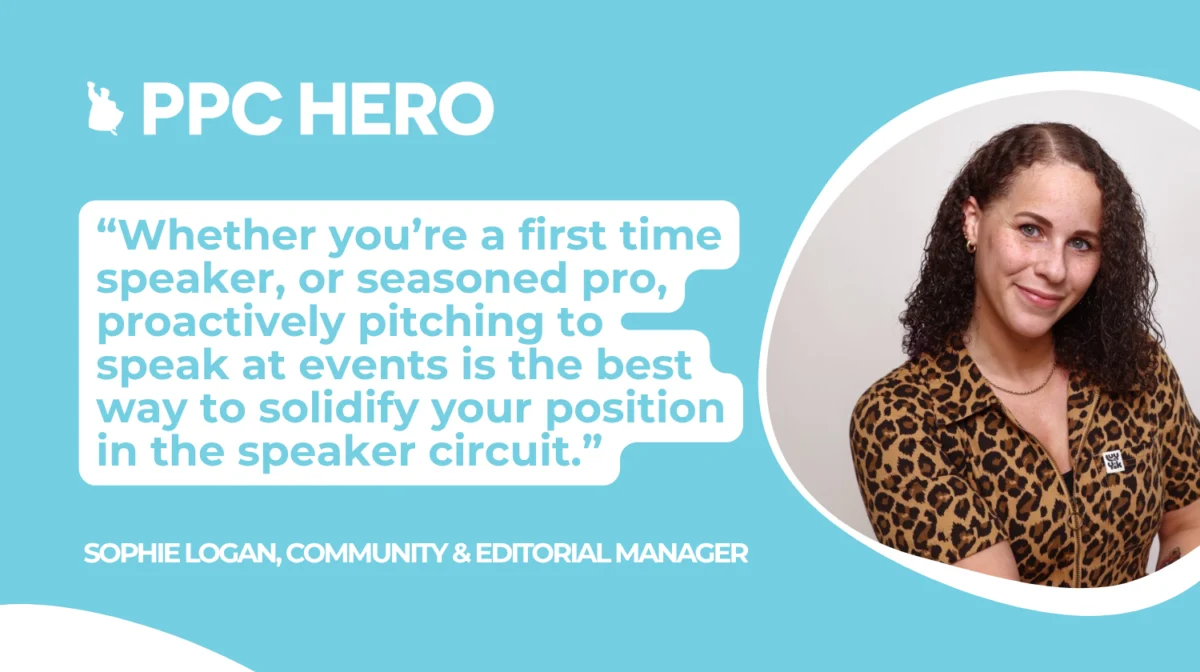
Pitching to speak at events is no longer a peripheral activity for the ambitious marketer; it is a core component of professional development. While the process is time-consuming and fraught with the potential for rejection, the rewards—networking, brand authority, and career acceleration—are unparalleled.
The message from event organizers is clear: Don’t wait for the knock on the door. The most successful voices in the industry today are those who took the time to research, the courage to pitch, and the resilience to turn a "no" into a refined "yes" for the next event. As the 2026 circuit approaches, the stage is set for a new generation of voices to redefine the marketing conversation. The only question is: what is your "fresh perspective," and are you ready to pitch it?