In the high-stakes world of digital marketing, Meta remains an undisputed titan. For millions of e-commerce brands and lead-generation firms, Facebook and Instagram represent the most powerful engines for growth ever devised. However, a growing chorus of digital architects and performance marketing experts is sounding the alarm: the very tools designed to make advertising "easier" are often engineered to prioritize Meta’s bottom line over the advertiser’s return on investment (ROI).
According to industry veterans at firms like JXT Group, the Meta Ads Manager dashboard has become a "minefield of defaults." While the platform offers unparalleled reach, its "thousand and one different toggles" frequently steer users toward spending more money rather than spending it more effectively. This investigative look into the architecture of Meta’s advertising ecosystem reveals how "default settings" have become a silent tax on businesses, leading to inflated metrics, bot-driven traffic, and "junk leads" that never convert to revenue.
Main Facts: The Illusion of Efficiency
The fundamental tension in Meta’s advertising platform lies in the conflict between automation and control. In recent years, Meta has aggressively pushed its "Advantage+" suite—a series of AI-driven tools that automate audience targeting, creative variations, and ad placements. While Meta markets these tools as a way to simplify the complex world of paid media, experts argue they often function as a "black box" that obscures waste.
Key findings from campaign audits suggest that many advertisers are falling into the "Default Trap." This occurs when a brand accepts Meta’s recommended settings during campaign setup, often resulting in:
- Inflated Attribution: Counting views as conversions even when the user didn’t interact with the ad.
- Low-Quality Lead Volume: Utilizing "Instant Forms" that prioritize quantity over the actual intent of the lead.
- Misaligned Objectives: Spending budget on "Awareness" or "Engagement" when the business requires "Sales" or "Leads" to survive.
- Creative Dilution: Allowing AI to generate ad variations that may clash with brand identity or messaging.
For a growing business, these defaults can be catastrophic. Agencies reporting on behalf of clients often find that while the Meta dashboard shows glowing numbers, the client’s CRM (Customer Relationship Management) system tells a different story: a surge in leads who claim they "never filled out a form" or a spike in traffic that fails to result in a single transaction.

Chronology: The Anatomy of a Meta Campaign Audit
To understand how these inefficiencies take root, it is necessary to examine the lifecycle of a campaign setup and the points at which an advertiser typically loses control.
Phase 1: The Objective Selection
The first step in any Meta campaign is choosing an objective. Meta offers six primary paths: Awareness, Traffic, Engagement, Leads, App Promotion, and Sales. For the vast majority of small-to-medium enterprises (SMEs), "Awareness" and "Engagement" are budget-burners. These objectives optimize for reach and likes rather than revenue. The "Default Trap" here is subtle; Meta often nudges growing advertisers toward these objectives with promises of "brand lift," but without an enormous budget, these rarely lead to a path to revenue.
Phase 2: The Lead-Gen Friction Paradox
Once an objective is chosen, the advertiser must decide how to capture data. Meta’s default is often "Instant Forms," which allow users to submit their info without leaving the Facebook app. While this reduces friction, it also reduces quality. A critical discovery in many audits is that "low-friction" leads often result in bot activity or accidental submissions. Expert strategy now dictates moving away from these defaults in favor of sending traffic to a dedicated landing page, reintroducing "healthy friction" to ensure the lead is a human with genuine intent.
Phase 3: The Advantage+ Takeover
In the mid-setup phase, Meta encourages the use of "Advantage+ Audience." This setting treats an advertiser’s targeting parameters as mere "suggestions." The system then goes "wide," searching for anyone it thinks might convert. For e-commerce, this can work. For niche B2B lead generation, it is often a recipe for disaster, as the algorithm chases cheap clicks from irrelevant demographics.
Phase 4: The Attribution Window
The final—and perhaps most deceptive—stage is the attribution setting. By default, Meta often includes "view-through" and "engaged-view" attribution. This means if a user sees an ad, doesn’t click it, but later buys a product via a direct search, Meta takes 100% of the credit. This creates a feedback loop where the system optimizes for people who were already going to buy, rather than finding new customers.
Supporting Data: Distinguishing Ecommerce from Lead-Gen
The impact of Meta’s defaults varies significantly depending on the business model. Data suggests a sharp divergence in how "Advantage+" and AI tools should be utilized.

For Ecommerce Brands:
The data is more forgiving. Because ecommerce relies on hard transaction data (revenue and purchase events), Meta’s AI has a clear "North Star." When the system sees a sale, it can find more people like that buyer. In these cases, "Advantage+ Shopping" campaigns often outperform manual targeting because the algorithm is chasing actual dollars, not just clicks.
For Lead-Generation Brands:
The data paints a bleaker picture. A "form submission" is not a "sale." If Meta’s AI is told to optimize for the "maximum number of leads," it will find the cheapest, easiest leads possible—often bots or people who "click-farm" for rewards.
- Pro Tip Data: Campaigns that connect their CRM to Meta and optimize for "Conversion Leads" (leads that actually move to a "qualified" status in the sales funnel) see a significantly higher ROI. This requires two conversion events: the initial lead and the "qualified" signal from the CRM.
Official Perspectives and Expert Responses
Meta’s official stance, often communicated through their business help centers and partner representatives, emphasizes that their AI-driven tools are designed to "maximize performance in a privacy-first world." With the rollout of Apple’s iOS 14.4 tracking changes, Meta argues that automation is the only way to fill the data gaps left by the loss of third-party cookies.
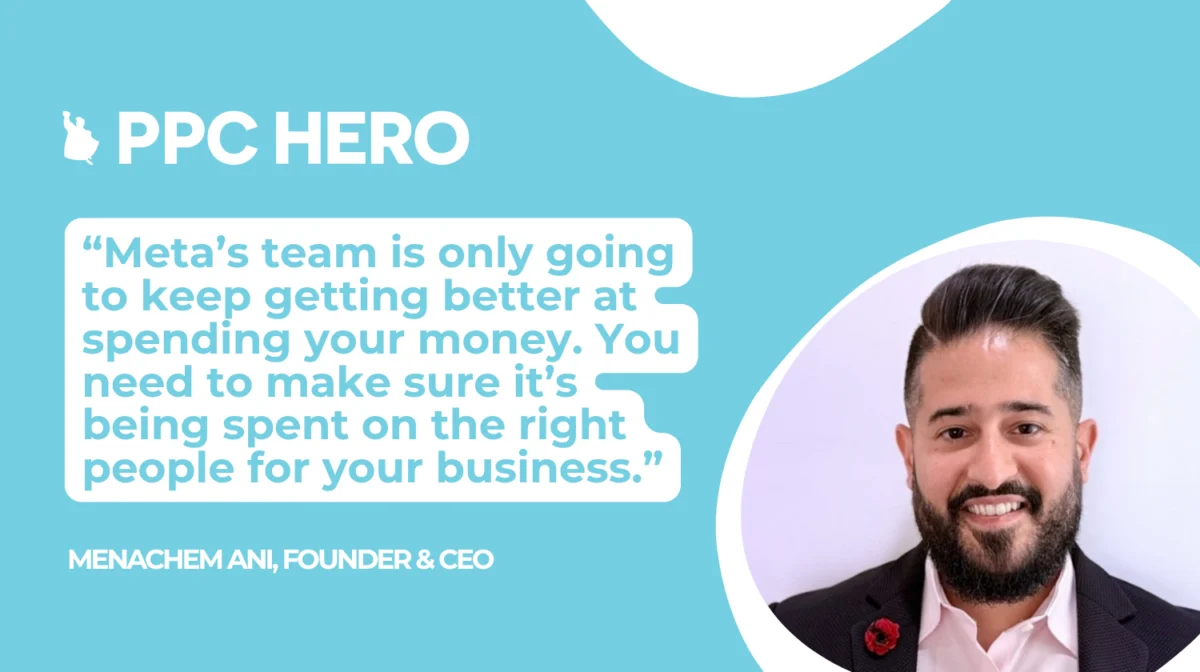
However, independent experts offer a more skeptical view. Menachem Ani, founder of JXT Group, notes that the design of the dashboard itself is an "adversarial interface."
"The pop-ups that follow you across every campaign setup screen are designed to make spending easier instead of more effective," Ani explains. "Looking for how many of those defaults are still on is a big part of our first audit. When we find them, we’re able to help brands stop spending money on bot visibility."
Other media buyers suggest that Meta’s "Audience Network"—which places ads on third-party apps and websites—is the "Search Partners" of the Meta world. It often delivers a high volume of clicks at a low cost, but these clicks rarely result in high-value customers. The consensus among elite agencies is a "Trust but Verify" approach: use Meta’s AI, but wrap it in strict manual guardrails.
Implications: The Future of Paid Social
The shift toward "black box" advertising has profound implications for the future of the digital economy. As Meta, Google, and Amazon all move toward automated "Advantage+" or "Performance Max" styles of advertising, the role of the media buyer is changing.

- The Death of the "Manual Lever": Advertisers can no longer rely on granular interest targeting. Instead, they must become "data plumbers," ensuring that the signals they send back to Meta (via APIs and CRMs) are clean and accurate.
- Creative as the New Targeting: Since the algorithm now handles the "who," the advertiser must focus entirely on the "what." The creative—the video, the image, the copy—is now the primary way to "target" an audience. If the creative is bad, no amount of AI optimization can save the campaign.
- Brand Safety Risks: Meta’s AI-generated creative variations and automatic translations pose a risk to brand integrity. Allowing a machine to rewrite your copy or "enhance" your images can lead to visual hallucinations or tone-deaf messaging that alienates the core audience.
- The Revenue Check: The most significant implication is the necessity of the "Revenue Check." Advertisers can no longer trust the Meta dashboard as the "source of truth." Success must be measured in the company’s bank account, not the platform’s "Estimated Ad Spend Return."
Conclusion: Reclaiming Control
Meta remains a powerful platform for ecommerce and lead-gen, but its "intuitive" design is often a mask for its own revenue goals. To succeed in the current landscape, advertisers must treat the "default" setting as a "caution" sign.
The path forward for brands involves a rigorous three-step audit:
- Audit the Objective: Ensure every dollar is chasing a Sale or a Lead, not a Like.
- Fix the Attribution: Switch to "7-day click" and disable "view-through" to see the true impact of ad spend.
- Bridge the Data Gap: Connect the CRM to Meta to ensure the algorithm is hunting for customers, not just data points.
In the end, Meta’s tools will only get better at spending your money. Whether they get better at growing your business depends entirely on which toggles you choose to turn off.