In the ever-evolving landscape of open-source software, few projects hold as much influence as WordPress. Powering over 40% of the web, the platform is more than just a content management system; it is a global ecosystem held together by a vast, distributed community of contributors. Recently, however, the project has embarked on a bold experiment: aligning its technical release cycle with its flagship community events.
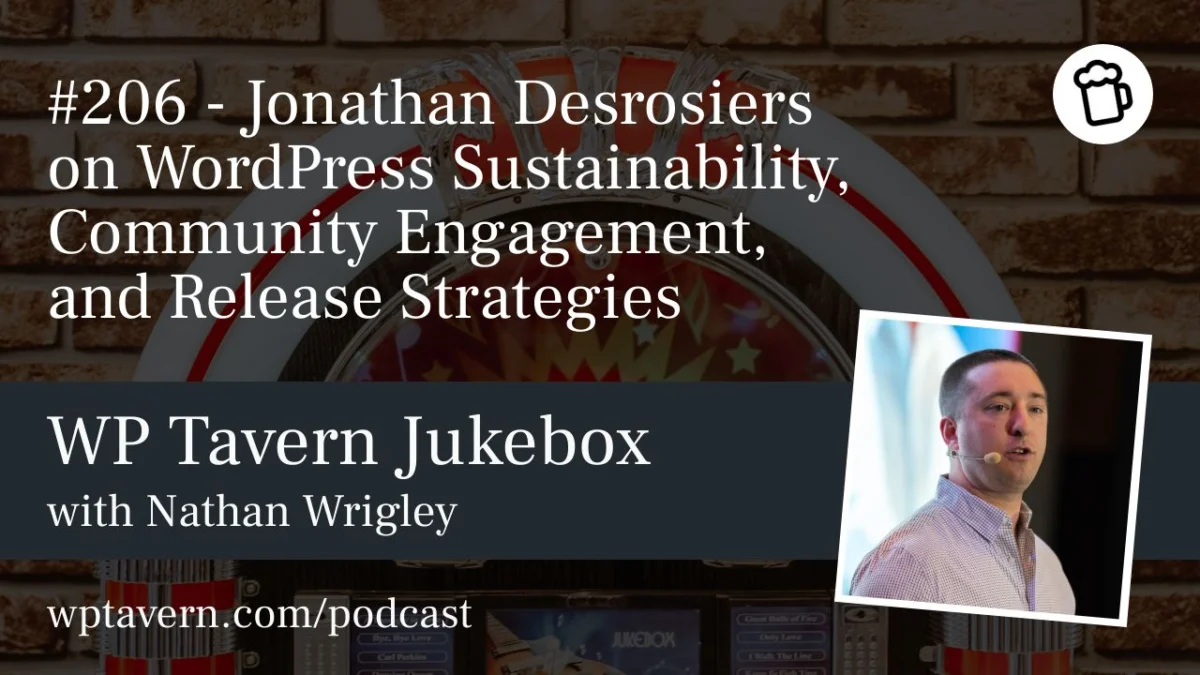
This strategic shift, spearheaded by leaders like Core committer and Bluehost principal software engineer Jonathan Desrosiers, aims to transform the mundane act of software deployment into a moment of collective celebration. By tethering major WordPress releases to events like WordCamp Asia, WordCamp Europe, WordCamp US, and the annual "State of the Word," the project hopes to reignite community enthusiasm, improve contributor engagement, and foster a more dynamic, "TV-series-style" anticipation for the platform’s evolution.
The Genesis of Synchronized Releases
The concept of linking software releases to community gatherings gained significant momentum during the December 2025 State of the Word event in San Francisco. As Desrosiers recounts, the synchronization was initially born of serendipity rather than rigid design. When the development schedule for WordPress 6.9 inadvertently aligned with the flagship event, the project team seized the opportunity to create a moment of "theater."
"It was almost like television," Desrosiers notes. "There was a lot of theater put into it. We had this live event, lots of people watching, a release that people were looking forward to, and the idea of a ‘big red button’ to signal the launch. It was a unique, gimmick-driven moment that successfully grabbed attention."
This "gimmick"—in the sense of a unique, engaging event—is now being refined into a deliberate strategy for 2026. The goal is to elevate the profile of the software release, transforming it from a silent, automated background update into a landmark moment that reminds users and contributors alike that they are part of a living, breathing movement.
Chronology of a New Cadence
The proposal for 2026 involves three major releases, each timed to coincide with the three flagship WordCamps. This represents a significant shift in logistics, as the WordPress project must now navigate the complex intersection of global travel, regional holidays, and software development lifecycles.
- Early 2026 (WordCamp Asia): The first major release of the year is slated for the spring. This timing is critical, as it allows the project to leverage the energy of the largest gathering in the APAC region.
- Mid-2026 (WordCamp Europe & US): The summer and autumn months are being mapped against the respective regional flagship events.
- Year-End (State of the Word): The final cycle concludes with the annual State of the Word, which serves as both a retrospective of the year’s achievements and a launchpad for the platform’s next iteration.
However, planning this cadence is a "jigsaw puzzle," according to Desrosiers. The project must balance the reality that event organizers plan around venues, budgets, and weather, not code commits. Furthermore, the global nature of the WordPress contributor base means that international holidays—such as the December festive season or various religious observances—can effectively "wash out" weeks of development time.
Data-Driven Adoption: The Case for Quality
Despite the challenges of synchronization, the data suggests that WordPress is in a stronger position than ever regarding software stability and adoption. Desrosiers highlights a fascinating trend in how users are consuming these updates:
"For the last 10 releases, every major version has passed 35% of all WordPress sites in two days or less," he reports. "WordPress 6.9 reached the 50% threshold of all WordPress sites in 10 days—four days faster than 6.8."
This acceleration in adoption rates serves as a vital indicator that the project’s focus on stability and automated updates is paying off. It also provides the foundation for the "synchronized release" strategy. When users are more likely to update quickly, the fanfare surrounding a release becomes more meaningful, as a larger percentage of the user base is actually experiencing the new features in real-time.
Official Perspectives: The Human Element
Beyond the code, the WordPress project is grappling with a "post-COVID" reality. The pandemic disrupted the traditional pipeline of mentorship and community building, causing many local Meetups and volunteer-led initiatives to stall.
Desrosiers acknowledges this reality with professional candor. "There was a break in the pipeline of leadership. A lot of the people who were keeping Meetups alive moved on or burned out. We are now in the process of rebuilding that from the ground up."
The official response, championed by leadership and supported by initiatives like the WP Credits program and contributor mentorships, is to view these challenges as a catalyst for innovation. By injecting excitement into release days and using them as focal points for "Contributor Days" at WordCamps, the project hopes to create a clear, accessible pathway for the next generation of builders.
Implications: The Intersection of AI and Open Source
One of the most profound implications of this new era is the role of Artificial Intelligence. Desrosiers sees AI not as a replacement for human community, but as a tool for "personal empowerment."
"AI is changing what we need and how we want it," he explains. "It’s making it easier for people with little to no coding experience to build things they need. In a way, it’s a circle—we’re seeing a resurgence in the desire to build, to own our platforms, and to move away from the ‘walled gardens’ of closed social media ecosystems."
This resurgence is mirrored in the return to RSS, personal blogging, and independent websites. By combining the ease of AI-assisted development with the robust, open-source foundation of WordPress, the project hopes to attract a demographic that values control, privacy, and creative expression.
Future Outlook: Sustaining the Momentum
The success of this synchronized release strategy will be measured not just by the number of code commits or event attendees, but by the long-term engagement of the community. As the WordPress project moves through 2026, it faces the dual task of maintaining technical excellence while fostering an environment that feels welcoming and exciting to younger, digital-native generations.
The project’s leadership is betting on the idea that if you make the process of contributing feel significant—if you turn the act of releasing software into a shared, global event—people will feel more inclined to participate. Whether this strategy will fully reverse the "withering" of local communities remains to be seen, but the intent is clear: to ensure that WordPress remains the heartbeat of the open web for decades to come.
"We have to be willing to let go of some of the things we think the project should be," Desrosiers concludes. "We are competing for attention. If we don’t make it exciting, innovative, and fun, people won’t show up. But if we can combine that excitement with the power of open source and the empowerment of new tools, we have a very bright future."
As the community prepares for the next release cycle, the "big red button" remains a potent symbol—a reminder that in the world of WordPress, code is merely the medium; the true innovation lies in the people who come together to build it.