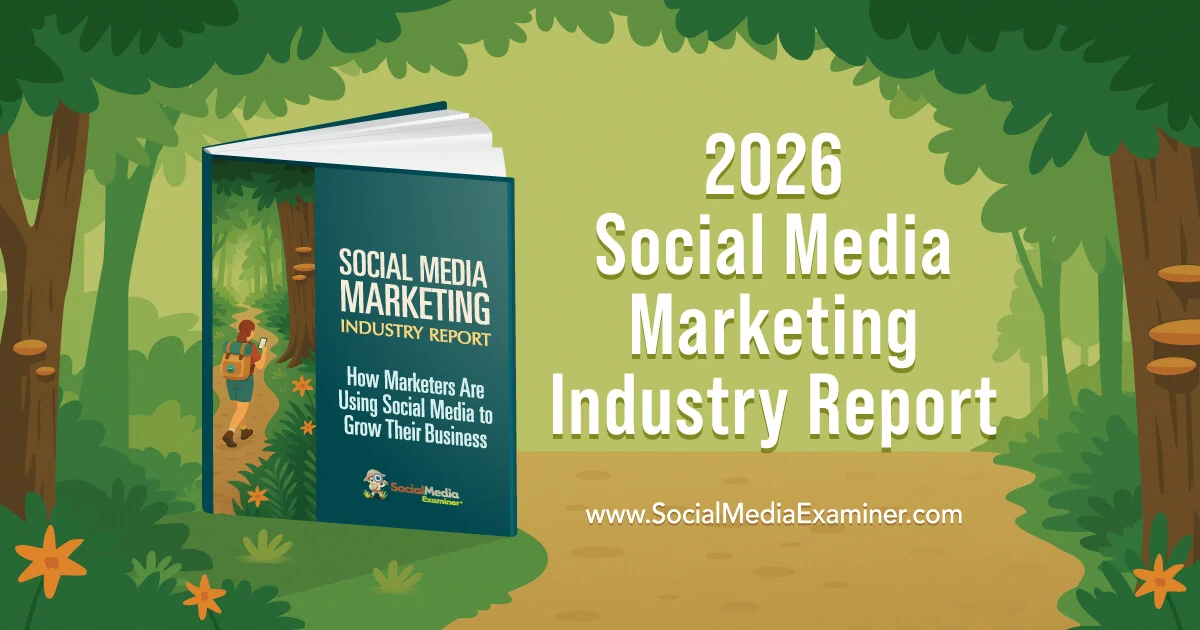
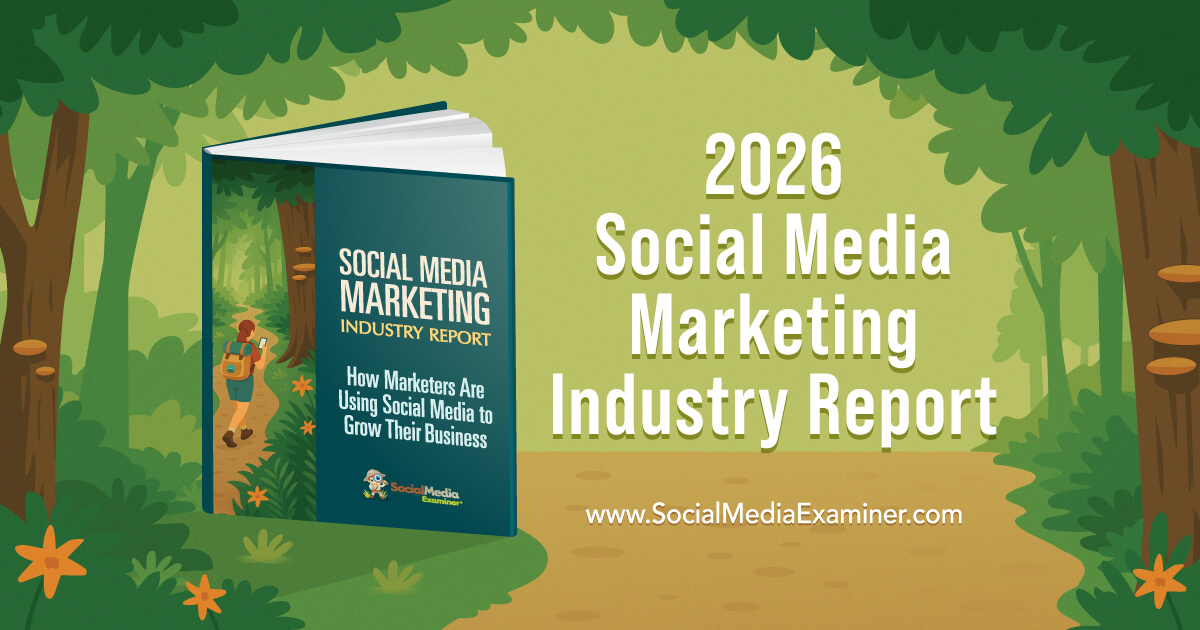
In an era defined by rapid technological disruption and shifting consumer behaviors, the landscape of social media marketing has become increasingly complex. As businesses scramble to adapt to the latest algorithms and the integration of artificial intelligence, the need for empirical data has never been more critical. Providing this much-needed clarity, Social Media Examiner has released its 18th annual Social Media Marketing Industry Report, a comprehensive 44-page deep dive that serves as the definitive roadmap for marketers navigating the complexities of 2026.
Main Facts: The Pulse of Modern Marketing
The 2026 report stands as a monumental effort to quantify the intent and action of professional marketers globally. Covering over 50 data-backed charts, the document offers a panoramic view of the industry. The primary focus of this year’s research is the strategic pivot: how are companies balancing the traditional pillars of organic engagement with the rising tide of AI-driven automation and paid performance marketing?
The report identifies a critical shift in how B2B and B2C organizations prioritize their platform investments. It is no longer enough to simply "be" on social media; marketers are now tasked with identifying the specific platforms that yield measurable sales outcomes. By analyzing the habits of thousands of professionals, the report highlights a clear trend toward platform consolidation, where brands are moving away from "being everywhere" to focusing on high-conversion channels that align with their specific audience demographics.
Chronology: Eighteen Years of Industry Evolution
The history of this report is, in many ways, the history of social media itself. Launched nearly two decades ago, the Social Media Marketing Industry Report has tracked the evolution of the digital ecosystem from its infancy to its current state of total saturation.
- 2008–2012 (The Formative Years): The early reports focused on the novelty of platforms like Facebook and Twitter, with marketers struggling to define "social" ROI.
- 2013–2018 (The Growth Phase): This period saw the rise of visual-first platforms, the introduction of sophisticated ad targeting, and the dominance of the mobile experience.
- 2019–2023 (The Content Revolution): The industry pivoted heavily toward video, driven by the emergence of TikTok and the integration of short-form video formats (Reels, Shorts) across legacy platforms.
- 2024–2026 (The AI Integration Era): The current landscape is defined by generative AI, the stabilization of the creator economy, and a focus on data privacy and direct-response marketing.
The 2026 report marks the culmination of this timeline, reflecting a professionalization of the industry where "guesswork" has been largely replaced by sophisticated, data-informed strategy.
Supporting Data: The 2026 Benchmark Metrics
The value of the 2026 report lies in its granular data. By dissecting the behavior of industry leaders, the report provides actionable benchmarks. Here are the core findings extracted from the 50+ charts contained within the full publication:
The Dominance of Video
Video has long been the crown jewel of content marketing, but in 2026, it is no longer optional—it is the baseline. The report reveals that 49% of all marketers now classify video as the single most important content type for their business. Perhaps more importantly, 70% of respondents indicated plans to increase their video output significantly over the next 12 months. This is not just a trend; it is a fundamental shift in how brands communicate their value propositions.
The Rise of Generative AI
Perhaps the most striking data point in this year’s report is the rapid adoption of AI. A staggering 62% of marketers now utilize generative AI tools on a daily basis. The report breaks down these use cases, ranging from content ideation and copywriting to sophisticated audience segmentation and visual asset creation. This suggests that the "AI-augmented marketer" is the new standard, with professionals using these tools to bridge the gap between creative ambition and operational reality.
Organic vs. Paid Strategy
While paid advertising remains the engine of customer acquisition, there is a renewed focus on organic reach. Specifically, 56% of marketers report that they plan to intensify their organic efforts on Instagram. This suggests a strategic realization that paid ads are most effective when supported by a robust, authentic organic presence. The report provides a comparative analysis of which platforms are currently delivering the best return on investment (ROI), allowing readers to decide where to allocate their limited marketing budgets.
Official Responses and Strategic Implications
Industry leaders and the team at Social Media Examiner emphasize that this report is designed to be a catalyst for change. The findings suggest that the biggest challenge for marketers in 2026 is not a lack of tools, but a lack of focus.
"The data is clear: the winners in 2026 are those who use AI to amplify their humanity, not replace it," says the editorial team behind the study. The report urges marketers to move past the "shiny object syndrome" that has plagued the industry for years. Instead, the focus should be on "business-building insights."
Key Implications for Your Strategy:
- Prioritize Platform Specialization: Do not attempt to master every social network. Use the report’s data to identify which platforms your specific B2B or B2C audience prefers, and double down on those.
- Institutionalize AI: If your team is not yet integrating AI into daily workflows, you are falling behind. The report acts as a guide for how to ethically and efficiently adopt these technologies.
- Video-First Mindset: If your current content mix is text or image-heavy, the 2026 data serves as a warning. The consumer appetite for video continues to outpace all other formats.
- Data-Driven Adaptation: Use the report’s benchmarks to audit your own performance. If your engagement rates fall below the industry averages cited in the report, it is time to pivot your content strategy.
Conclusion: Staying Ahead of the Curve
The 2026 Social Media Marketing Industry Report is more than just a collection of numbers; it is a compass for the year ahead. In a landscape that changes by the week, having access to the collective intelligence of the marketing community is a distinct competitive advantage.
By identifying new opportunities, overcoming emerging challenges, and refining strategy based on hard data, marketers can transition from a reactive state to a proactive one. As the industry continues to evolve, the insights contained within these 44 pages will prove invaluable to anyone looking to maintain growth in an increasingly crowded and competitive digital space.
Access the Full Report
For those looking to gain a comprehensive understanding of the year’s trajectory, the full 44-page report is available now. By registering for the latest updates from Social Media Examiner, professionals can secure their copy and begin the process of aligning their 2026 strategy with the realities of the modern market. Don’t navigate the shifting sands of social media alone—leverage the data that your competitors are already using to define their success.