
For years, the promise of Artificial Intelligence in the workplace was tethered to the ability to write code or manage complex integration platforms like Zapier, Make, or n8n. However, a significant shift has arrived. OpenAI’s Codex, a desktop-native application, is breaking down these barriers, transforming the way business owners and marketers interact with their tech stacks. By moving from reactive prompts to proactive, multi-step autonomous execution, Codex is positioning itself as the "central brain" of the modern enterprise.
The Paradigm Shift: What is OpenAI’s Codex?
The most common misconception regarding Codex is that it is a tool strictly for software engineers. Karl Yeh, a leading voice in AI integration, suggests that this assumption is the primary hurdle preventing non-technical professionals from unlocking massive efficiency gains.
To understand Codex, one must first visualize the architecture of modern AI. If ChatGPT is the "brain," then the interface—whether it is the web browser version or the dedicated desktop application—is the "harness." While the browser version is excellent for research and content generation, the Codex desktop app is designed for operational continuity.
Unlike standard chat interfaces, Codex does not merely respond to prompts; it executes tasks across your local machine and integrated cloud services. When you deploy Codex, you are essentially assigning an intelligent agent to your workflow. This agent can read spreadsheets, manage folders, manipulate files, and interact with legacy software without requiring the user to write a single line of code.

Chronology of Adoption: Getting Started
The journey to implementing Codex begins with a clear deployment strategy. Unlike web-based tools, Codex requires a direct link to your operational environment.
1. Installation and Local Integration
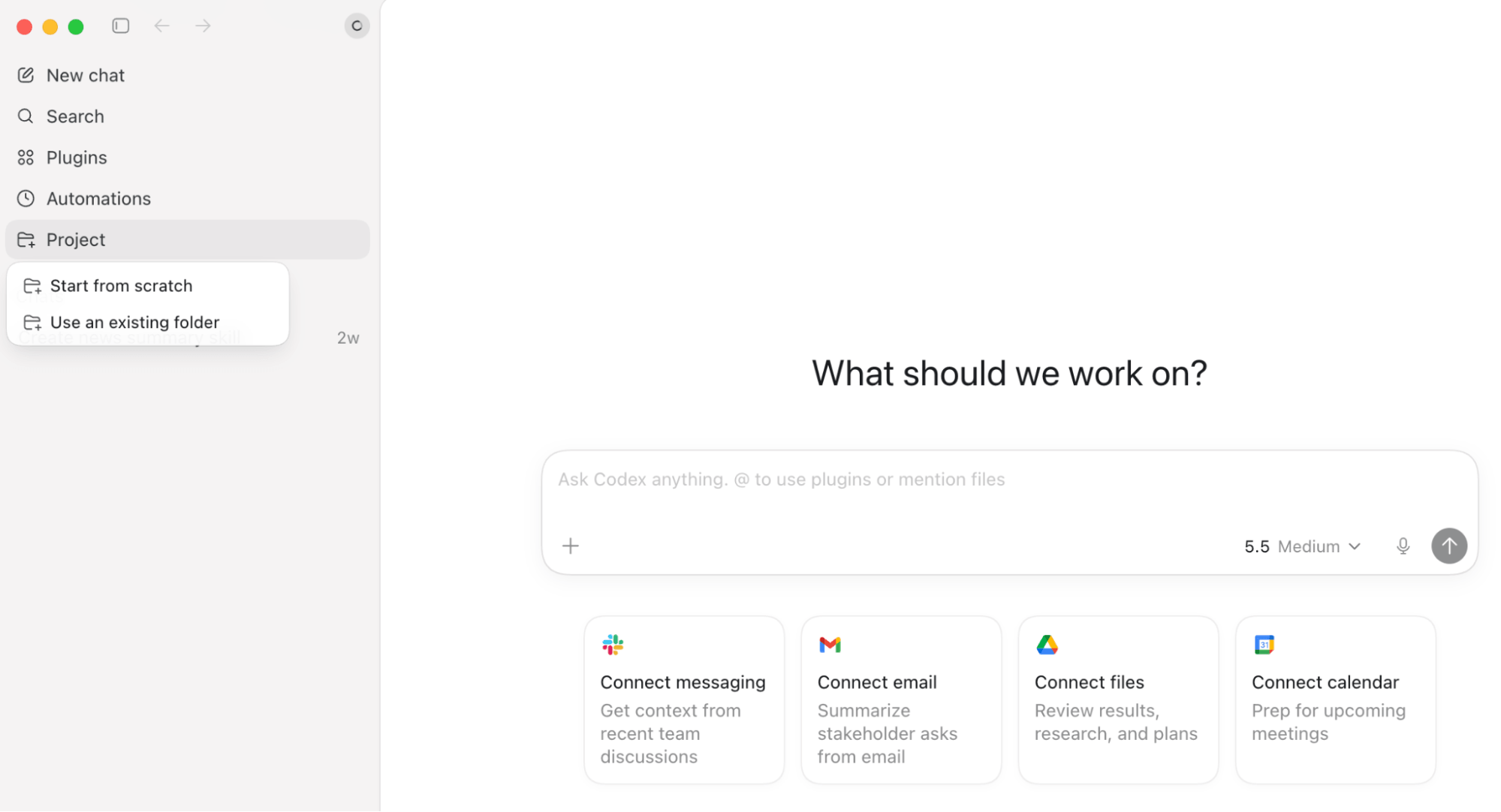
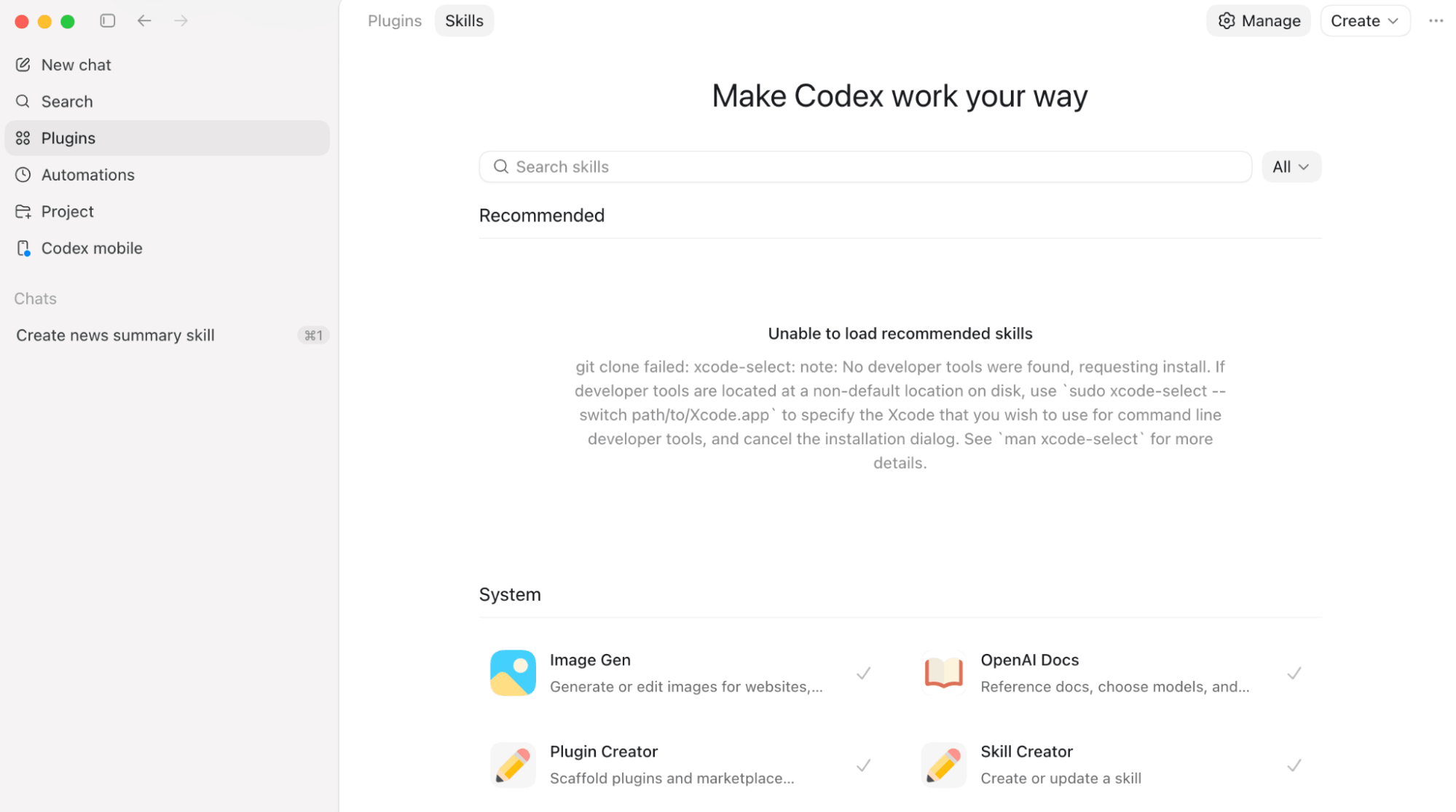
The first step is downloading the dedicated Codex desktop app (available for both PC and Mac). Once installed, the interface mirrors the familiar sidebar of ChatGPT but adds specialized modules for Plugins and Automations.
The core value proposition lies in its file system integration. By pointing Codex to a specific folder on your local network or hard drive, you grant it the capability to read, modify, and organize your documents. Each folder connected creates a dedicated "thread" in the sidebar, providing a comprehensive audit trail of every action the AI has performed.
2. The Security-First Approach
Opening your tech stack to an AI agent necessitates a robust security framework. Experts emphasize three key pillars for safe operation:
- Scoped Access: Never connect Codex to a root directory. Always create a dedicated, isolated folder for the AI to work within. This prevents the agent from accidentally accessing sensitive system files or critical business data.
- Permission Hierarchy: Start with default permissions and escalate only as you define specific needs. Understanding the "read vs. write" capability of the agent is essential to maintaining data integrity.
- The "Clean Room" Framework: To mitigate the risks of "prompt injection"—where external web sources try to override your AI’s instructions—employ a layered architecture. One agent should gather data, a second should verify it, and a third (the internal workflow agent) should execute tasks based on the verified output.
Supporting Data: Skills and Plugins in Action
The true power of Codex lies in its ability to execute recurring, tedious business processes through "Skills" and "Plugins."
The Power of Skills
A "Skill" is essentially a standardized instruction set. In a business context, this is a game-changer for brand consistency. By converting a company’s internal brand guide or writing style manual into a persistent Skill, businesses ensure that every document generated by the team adheres to the same voice and formatting standards. Once the skill is built, it can be deployed across the organization, eliminating the need for manual oversight of content quality.
The Chrome and Computer Use Plugins
The recently launched Chrome plugin is perhaps the most significant tool for legacy businesses. By installing the extension from the Chrome Web Store, users allow Codex to control the browser directly. It can click buttons, fill out forms, and navigate legacy software that lacks a modern API.
Furthermore, the "Computer Use" plugin allows Codex to interact with local desktop applications. For instance, an agent can be scheduled to open a project management dashboard, extract data, and format it into a morning briefing sent directly to your communication apps like Slack or iMessage.

Automations and Heartbeats: The Engine of Efficiency
Codex operates on a scheduling logic that separates it from standard LLMs. By utilizing three specific commands—Goals, Automations, and Heartbeats—users can build autonomous departments that run 24/7.
- The /goal Command: This is the directive for complex outcomes. By typing
/goalfollowed by a granular description, the AI will work independently for hours, spawning sub-tasks and iterating until the objective is met. - Automations: These are scheduled tasks. A thread-based automation is ideal for reports, as it generates a fresh, clean record for every execution.
- Heartbeats: This is a persistent state. A Heartbeat allows Codex to "wake up" at defined intervals within the same thread, retaining the context of previous tasks. This is invaluable for long-term monitoring, such as tracking competitor news or scanning email queues for urgent items.
Official Perspectives: Real-World Use Cases
The efficiency gains reported by early adopters of Codex are substantial. Karl Yeh highlights a case study involving a construction firm that moved from manual invoice reconciliation to a fully automated system.
Previously, the firm spent up to three days per month manually matching vendor invoices against spreadsheets. By creating a folder-based system where each vendor has a dedicated sub-folder, the firm now triggers an automation every Sunday night. The system spawns multiple sub-agents—one for each vendor folder—that reconcile data in parallel. What once took three days is now completed in 15 to 30 minutes, with zero human intervention.
Similarly, field log management for the same firm—a task requiring dozens of clicks in a slow-loading, legacy project management portal—was reduced to an unattended, overnight background process. The AI now handles navigation, data extraction, and cross-referencing against reference files, providing the team with a completed report by the time they start their workday.
Implications for the Future of Business
The transition to an agentic AI model like Codex signifies a permanent change in the labor market. As these tools become more capable of navigating legacy software and performing multi-step reasoning, the definition of a "knowledge worker" will shift.
The End of "Tool Fatigue"
For years, businesses have been forced to adopt a vast ecosystem of middleware (like Zapier) just to make their existing software talk to one another. Codex bypasses this by operating at the user interface level—interacting with apps exactly as a human would. This significantly lowers the barrier to entry for digital transformation in small and mid-sized businesses.
The Rise of the Autonomous Agent
The implication for managers is clear: the future of work is not just about using AI to write emails; it is about building and supervising a fleet of digital agents. When an AI can manage its own schedule via Heartbeats and handle legacy software via browser plugins, the human role transitions from "operator" to "architect."
Conclusion
OpenAI’s Codex represents the next evolutionary step in the business AI landscape. By moving beyond the conversational limitations of standard chatbots, it empowers professionals to automate complex, multi-layered workflows that were previously considered "too technical" for the average business user.

As security protocols and agent frameworks continue to mature, the ability to orchestrate these digital agents will likely become a core competency for any business owner looking to scale operations without ballooning headcount. The future of business is not just about having the best AI; it is about having the best-integrated agents capable of turning natural language into tangible, recurring, and autonomous business results.
Whether it is through the standardization of brand voice, the reconciliation of financial documents, or the navigation of legacy databases, Codex is providing the infrastructure for a more efficient, automated, and proactive professional landscape. As we look ahead, the winners will be those who stop viewing AI as a peripheral research tool and start treating it as a foundational member of their workforce.