As the summer of 2026 approaches, ecommerce brands are facing a unique convergence of cultural milestones, sporting phenomena, and traditional seasonal shopping behaviors. From the historic celebration of America’s 250th anniversary to the global fervor of the FIFA World Cup, July 2026 offers an unprecedented landscape for marketers to deepen customer relationships.
Content marketing—the strategic engine behind SEO and social media authority—is more than just a list of keywords. It is the art of storytelling. To remain relevant, brands must move beyond transactional messaging and instead integrate their products into the fabric of their customers’ lives. This article explores five pivotal themes for July 2026 and provides a framework for turning these events into high-engagement content.
1. America’s 250th Birthday: The Semiquincentennial
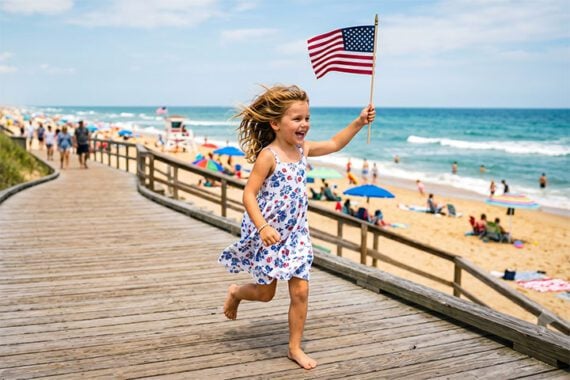
On July 4, 2026, the United States will mark its 250th anniversary. This milestone, the Semiquincentennial, represents a rare moment of national reflection and collective celebration.
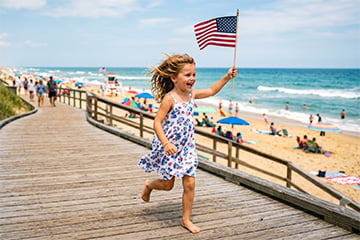
The Cultural Context
Research from the marketing agency M Booth underscores the significance of this date: 62% of Americans surveyed consider the anniversary "important," while 88% view it as a primary opportunity to celebrate the nation’s history. Perhaps most vital for brands is the 85% of respondents who see this as a time to recognize the country’s achievements and values.
Strategic Implications for Content
The key to navigating the Semiquincentennial is to avoid the pitfalls of partisan politics. Instead, brands should lean into the themes of legacy, craftsmanship, and local pride.
- Narrative Focus: Tell the "human side" of your business. If you sell home goods, feature the artisans behind the product. If you are a fashion retailer, document the evolution of American style over the last quarter-century.
- The "Values-Based" Approach: Consumers are increasingly discerning about the provenance of their goods. Use the 250th anniversary as a platform to discuss your company’s commitment to American manufacturing or the local communities you support.
2. The Global Stage: 2026 FIFA World Cup
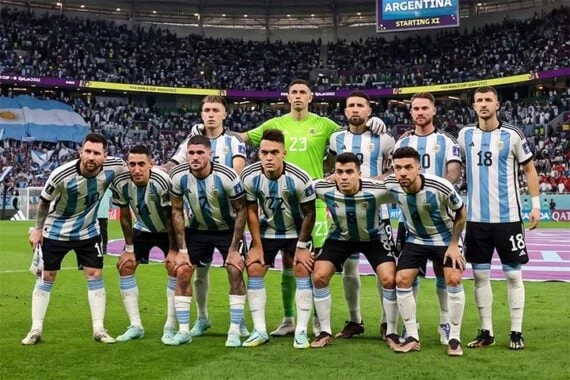
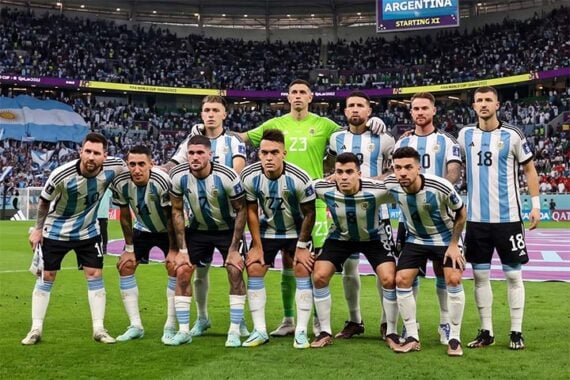
The 2026 FIFA World Cup is not merely a sporting event; it is a global cultural phenomenon. With the final match scheduled for July 19, 2026, in New Jersey, the tournament will command the attention of billions.
Chronology of the Tournament
Matches will be held throughout June and July across North America, with host cities in Canada, Mexico, and the United States. As the tournament reaches its crescendo in mid-July, the intersection of sports, food, and social gatherings will peak.
Maximizing Engagement
Content marketers should focus on the "peripheral" experiences surrounding the sport.
- Party Planning: Create "Match Day" guides that include food recipes, décor ideas, or hosting checklists.
- Lifestyle Integration: For brands in the health, wellness, or apparel sectors, the World Cup is the perfect backdrop to launch campaigns focused on fitness, team spirit, and the joy of collective movement.
- Community Building: Use social media to foster friendly rivalries or "fan polls." High-quality video content—such as interviews with local soccer enthusiasts or "behind-the-scenes" of training regimens—can drive significant organic reach.
3. Summer Road Trips: The Return of the Great American Vacation
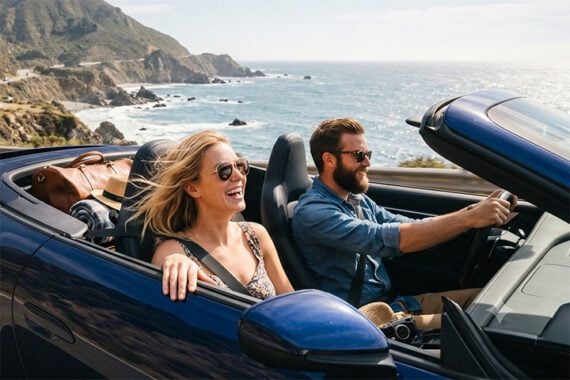
With the rising costs of air travel and the growing desire for autonomy, the American road trip has reclaimed its status as the premier summer vacation.
Supporting Data
Economic trends suggest that households are prioritizing experiences that offer "flexible luxury." Road trips allow for controlled budgets while providing the quintessential summer experience: the open road, national parks, and local discovery.
Content Strategy for Travel Prep
Your goal is to position your brand as an essential travel companion.
- Educational Guides: Develop content around "Packing Hacks for Families," "Vehicle Safety Checklists," or "Curated Road Trip Playlists."
- Gear Selection: Introduce your products naturally through "Best of" lists. If you sell electronics, highlight power banks and portable chargers. If you are a skincare brand, focus on travel-sized UV protection.
- SEO Opportunity: Target long-tail keywords like "best scenic routes in [region]" or "essential camping gear for beginners" to capture high-intent search traffic.
4. Back-to-School Planning: The July Countdown
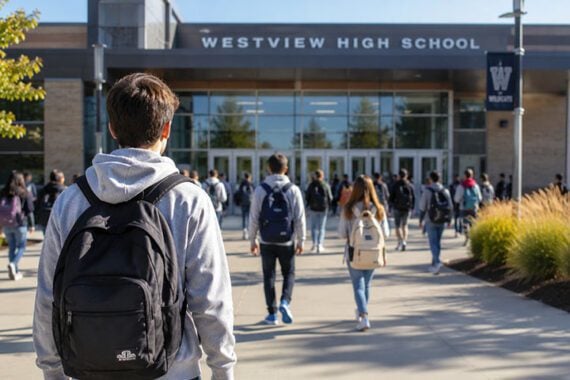
While the academic year often feels distant in the heat of July, for parents, teachers, and students, the planning cycle has already begun.
The Shift in Consumer Behavior
Preparation in July is driven by a desire to avoid the "August Rush." Content that addresses the stress of organizational logistics will perform exceptionally well.
Content Pillars
- Simplified Planning: Create downloadable checklists or digital planners.
- Expert Interviews: Feature tips from teachers on how to prepare students mentally and organizationally for the upcoming grade level.
- Budgeting: With inflation being a constant consumer concern, offer content focused on "How to make your school budget stretch" or "Repurposing supplies you already have."
5. National Disco Day: A Cultural Retrospective
July 2, 2026, marks National Disco Day. While the origins of the day remain somewhat ambiguous, it represents a vibrant opportunity to engage audiences through music, nostalgia, and art.
The Influence of Disco
Disco was more than a musical genre; it was a movement that championed inclusivity and self-expression. By exploring the history of disco—specifically the influence of pioneers like Manu Dibango—brands can create compelling, high-quality long-form content.
Implementation Ideas
- The Audio-Visual Approach: For retailers of audio equipment or fashion, create "The History of the Beat" video series or curated playlists on Spotify.
- The Aesthetic Pivot: Use the 1970s aesthetic for a limited-time social media campaign. It’s an engaging, lighthearted way to humanize your brand and encourage user-generated content (e.g., "Show us your best disco-inspired outfit").
Implications for the Modern Ecommerce Marketer
The common thread connecting these five topics is the need for authenticity. In an era where Generative AI is capable of producing vast amounts of generic content, the "human touch"—the unique story, the expert opinion, and the genuine cultural insight—is what will differentiate successful brands.
A Framework for Implementation:
- Audience Mapping: Which of these five events aligns best with your core demographic? Don’t try to do all five; choose the two or three that provide the most natural bridge to your product catalog.
- Multichannel Distribution: A blog post should be the seed. Extract quotes for Twitter, create a Reel for Instagram, and design an infographic for Pinterest.
- Measurement: Monitor the "engagement depth" rather than just page views. Are readers clicking through to your product pages? Are they sharing the content?
Final Considerations
July 2026 is a rare confluence of events that provides a robust roadmap for content. By focusing on the milestones that matter—the pride of a 250th anniversary, the excitement of the World Cup, the freedom of a road trip, the organization of a school year, and the joy of music—ecommerce marketers can create a sustainable, high-performing content strategy.
Success in this environment requires a balance between timely cultural participation and timeless brand identity. By serving your customer’s need for information, inspiration, and entertainment, you will not only drive sales but also build a community that values your brand long after the fireworks of July 4th have faded.