
In the rapidly evolving landscape of 2025, the barrier to entry for launching an online store has never been lower. However, while setting up a storefront is simple, securing a reliable, cost-effective, and user-friendly payment system remains a critical hurdle for entrepreneurs. A seamless checkout experience is no longer a luxury; it is the backbone of customer retention.
For the modern small business owner, the market is flooded with choices. From global giants to niche, developer-centric platforms, the variety can lead to "analysis paralysis." This guide evaluates six of the most robust payment systems, providing the data and insights necessary to help you optimize your conversion rates and safeguard your revenue.
What is a Payment System?
At its core, a payment system is the technological bridge between a consumer’s wallet and your business bank account. It acts as the secure intermediary that authorizes the transfer of funds, validates the transaction, and manages the complex data flow between financial institutions.
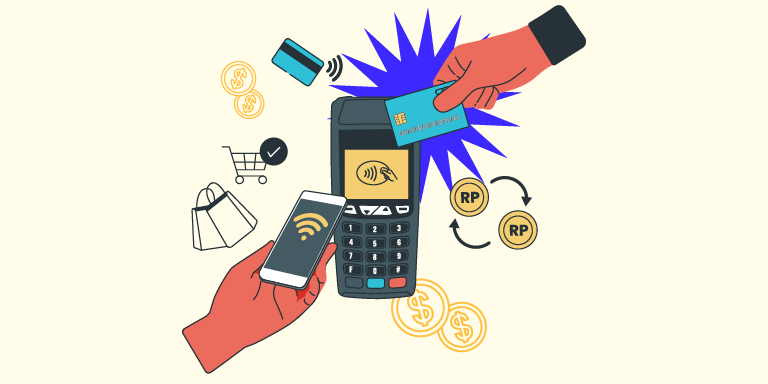
It is important to distinguish between a payment gateway (the digital interface at checkout) and a payment processor (the entity that handles the actual movement of money). Modern Payment Service Providers (PSPs) typically offer both, streamlining the process into a single, cohesive experience. A true payment system must be PCI-DSS compliant, ensuring that sensitive data is encrypted and handled according to global security standards.
The Strategic Criteria for Selection
When evaluating the providers on this list, I focused on five key performance indicators (KPIs) that directly impact the bottom line of small-to-medium enterprises (SMEs):
- Payout Velocity: Cash flow is the lifeblood of a startup. We prioritized platforms that offer rapid fund transfers, ideally within 1–3 business days.
- Conversion Friction: A complex checkout process is the primary driver of cart abandonment. We looked for systems that minimize clicks and keep the user on the merchant’s site.
- Geographic Reach: Whether you are selling to a local neighborhood or a global market, your payment system must support the currencies and card types relevant to your target demographic.
- Pricing Architecture: Transactional fees, flat rates, and hidden "maintenance" costs can eat into margins. We evaluated transparent, scalable pricing models.
- Security and Trust: Brand recognition and advanced fraud detection are non-negotiable in an era of increasing digital cyber-threats.
6 Leading Payment Systems for 2025
1. Stripe: The Developer’s Choice
Stripe remains the gold standard for businesses prioritizing a seamless, white-label experience. By keeping customers on your domain during the checkout process, it removes the "redirect fatigue" associated with third-party processors.

- Pros: Highly customizable UI, exceptional API documentation, and massive scalability.
- Drawbacks: The interface is built for developers; if you lack technical expertise, you may need to hire help for complex configurations.
- Strategic Outlook: Ideal for tech-forward startups and SaaS companies looking for a "plug-and-play" infrastructure that can grow into enterprise-level operations.
2. PayPal: The Trusted Global Standard
PayPal’s ubiquity is its greatest asset. Consumers feel a sense of security when they see the PayPal logo, which can significantly boost conversion rates for new or lesser-known brands.
- Pros: High consumer trust, effortless mobile integration, and international currency support.
- Drawbacks: Often redirects users away from your site, which can break the customer journey.
- Strategic Outlook: Essential for businesses targeting older demographics or international customers who prioritize established security brands over sleek aesthetics.
3. Authorize.net: The Secure Veteran
Owned by Visa, Authorize.net is a legacy powerhouse. It is designed for businesses that require high-level security and a "bank-grade" feeling for their transactions.
- Pros: Industry-leading fraud detection suites and high compatibility with traditional merchant accounts.
- Drawbacks: The setup process is more rigorous than modern "one-click" solutions, and the interface feels dated.
- Strategic Outlook: Best suited for established SMEs that handle high-volume, sensitive transactions and require enterprise-grade reliability.
4. Amazon Pay: Leveraging Trust
Amazon Pay allows customers to use the payment information already stored in their Amazon accounts. By leveraging the trust associated with the world’s largest retailer, businesses can dramatically shorten the checkout process.
- Pros: High conversion rates due to "one-click" familiarity; minimal data entry required by the buyer.
- Drawbacks: Ecosystem lock-in; you are tied to the Amazon brand’s policies and limitations.
- Strategic Outlook: A perfect secondary payment option for any e-commerce store looking to reduce cart abandonment by offering a familiar payment method.
5. Square: The Omni-Channel King
While widely known for its iconic hardware card readers, Square has evolved into a powerhouse for online commerce. If your business operates a brick-and-mortar location alongside an online store, there is no better choice.
- Pros: Seamless synchronization between physical sales and online revenue; the "Virtual Terminal" allows you to take payments via phone or email.
- Drawbacks: Slightly higher per-transaction costs compared to high-volume competitors.
- Strategic Outlook: The undisputed choice for retail, hospitality, and service-based businesses that need a unified dashboard for all their revenue streams.
6. SecurePay: The Emerging Alternative
SecurePay offers a robust suite of tools that often go overlooked. It provides a balanced approach to API integration and is an excellent option for those who find the major players too restrictive or expensive.
- Pros: Highly accessible, excellent API, and frequently offers free trial periods to test the platform.
- Drawbacks: Lower brand recognition among consumers, which may cause hesitation for first-time shoppers.
- Strategic Outlook: A solid choice for bootstrapped startups that need a reliable, cost-effective solution and are willing to invest in building trust with their specific audience.
Implications for 2025: Why Strategy Matters
The choice of a payment system is not merely a technical decision; it is a financial strategy. As we move through 2025, the trend is moving toward "invisible payments"—where the act of paying is so frictionless that it feels like an afterthought.
The Cost of Inefficiency
Data suggests that checkout friction accounts for over 60% of abandoned shopping carts. Every extra field a customer has to fill out or every redirect they are forced to endure reduces your profit margin. Business owners must look beyond the "per-transaction fee" and consider the "cost of abandonment." A system that is slightly more expensive but results in 5% higher conversion is almost always the more profitable choice.
Security and Regulatory Compliance
With global data privacy regulations tightening, the risk of a data breach is a existential threat to small businesses. By choosing one of the six providers listed above, you are offloading the burden of PCI-DSS compliance to a professional firm. Never attempt to build a custom payment storage system unless you have the budget and infrastructure to maintain rigorous compliance standards.
Frequently Asked Questions
Q: Should I offer more than one payment method?
A: Yes. Data indicates that offering a "primary" method (like a credit card processor) alongside a "wallet" method (like PayPal or Apple Pay) increases conversion rates by up to 20%.
Q: Do I need a merchant account to use these services?
A: Most modern PSPs (Stripe, Square, PayPal) act as aggregators. This means you do not need to open a separate merchant bank account; they act as the intermediary, which is significantly faster and easier for small business owners.
Q: Are there monthly fees, or is it just per-transaction?
A: It varies. Some services like Square and Stripe focus on per-transaction models, while others might charge a flat monthly fee for advanced reporting or hardware access. Always read the fine print before signing a multi-year contract.
Conclusion: Building Your Foundation
Choosing the right payment system is the first step in building a resilient digital business. Whether you opt for the developer-friendly flexibility of Stripe or the omni-channel dominance of Square, ensure your choice aligns with your growth trajectory.
Disclaimer: Pricing and features change rapidly in the fintech sector. While the information above reflects the market as of early 2025, always review the most recent documentation from the provider’s official website before finalizing your integration.
Ready to take the next step? Scaling a business requires more than just a payment processor. For those looking to dive deeper into marketing, growth hacking, and operational efficiency, consider joining professional entrepreneurial communities that provide the mentorship and resources necessary to navigate the complexities of modern business.