In the rapidly shifting landscape of web development, few platforms occupy as significant a position as WooCommerce. Powering a substantial portion of global e-commerce, the platform has long served as the foundational layer for businesses ranging from local boutiques to international enterprises. As the industry faces a “tsunami” of change driven by Artificial Intelligence and evolving user expectations, WooCommerce finds itself at a critical juncture.
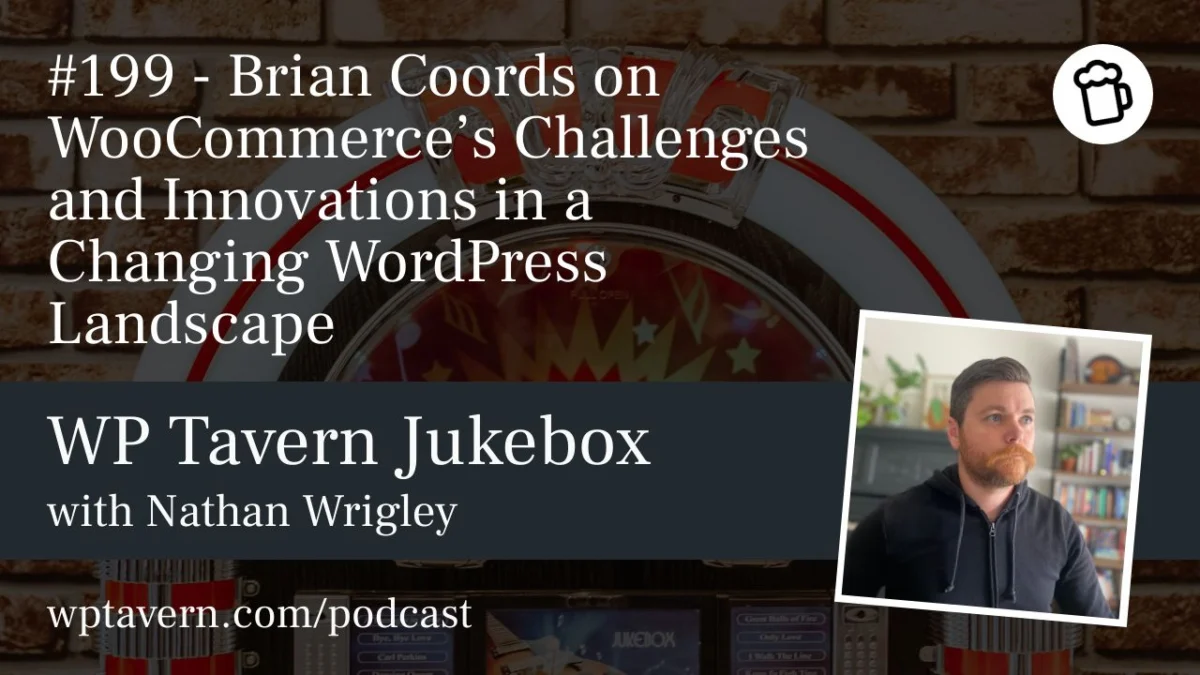
Recently, Nathan Wrigley of the WP Tavern Jukebox Podcast sat down with Brian Coords, a Developer Advocate at WooCommerce and a veteran of the WordPress ecosystem, to discuss the platform’s trajectory, its commitment to open source, and how it plans to compete against the rising tide of Software-as-a-Service (SaaS) giants.
The Evolution of a Developer Advocate
Brian Coords’ path to WooCommerce is as diverse as the platform’s own user base. With over a decade of experience, Coords began his career in the non-profit and education sectors—a background he credits for his communication-first approach to technical advocacy. Before joining Automattic, the parent company of WooCommerce, Coords spent ten years working within WordPress agencies. This front-line experience, navigating the rise of early page builders and the subsequent transition to the block editor, provided him with a unique perspective on the pain points and triumphs of agency life.
As a Developer Advocate, Coords acts as a bridge between the internal engineering teams at Automattic and the sprawling, decentralized developer community. His role is multifaceted: maintaining clear communication channels, ensuring documentation is accessible, managing feedback loops, and providing developers with the resources needed to build on top of WooCommerce.
Chronology of a Rebrand and Strategic Realignment
Over the past 18 months, WooCommerce has undergone a significant transformation. Following a major rebranding effort—which introduced a new visual identity, logo, and design language—the company has shifted its messaging. No longer content with being perceived merely as a “WordPress plugin,” WooCommerce is positioning itself as a comprehensive, independent e-commerce solution.
This shift was not merely aesthetic. It represented a strategic decision to compete directly with SaaS-based competitors like Shopify and BigCommerce. By investing heavily in marketing and demand generation, Automattic has sought to elevate the brand’s profile in the broader e-commerce market, moving beyond the niche confines of the WordPress ecosystem to reach industry trade shows and global commerce expos.
The Strength of a Measured Pace
One of the central themes of the conversation was the “slow pace of change” within the WordPress project. While critics often point to this as a weakness, Coords and Wrigley agreed that it is, in fact, one of the ecosystem’s greatest strengths.
“If you look at it over the long term, it’s half the internet,” Coords noted. “The fact that it doesn’t try to be everything to everyone, and that it stays in its lane as a foundational layer, is a testament to why the ecosystem thrives.”
By refusing to force features that might otherwise stifle third-party innovation, the platform allows an entire economy of plugins, page builders, and service providers to exist. This "foundational" philosophy ensures that while the core remains stable, developers have the freedom to build specialized solutions, keeping the platform both flexible and resilient.
Supporting a Global, Diverse Ecosystem
WooCommerce’s reach is truly global, a fact that presents both logistical and technical challenges. Unlike SaaS platforms, which are often centrally managed, WooCommerce operates in a decentralized, "Wild West" environment.
The Challenges of Global Commerce
Because WooCommerce users span every jurisdiction and locale, the platform must accommodate a staggering variety of regional requirements:
- Localized Payment Providers: Users in different countries often require integration with niche, regional banks and payment gateways.
- Tax Compliance: Managing international tax laws remains a "brutal" reality of the platform’s global footprint.
- Diverse User Base: The platform’s open-source nature means that while Automattic provides support, many users may not have a direct financial relationship with the company, yet they are empowered by the software to manage their own stores.
To manage this complexity, the WooCommerce team relies on a robust community infrastructure, including the WooCommerce Community Slack—which hosts over 30,000 members—and direct engagement through office hours and developer-focused documentation.
AI: The New Frontier
The most significant disruption facing the platform today is the integration of Artificial Intelligence. For Coords, the challenge is not just keeping up with the technology, but determining how to implement it safely and effectively.
AI in Store Management
WooCommerce is currently experimenting with "MCP servers," which allow AI tools like ChatGPT or Claude to interact directly with a store’s backend. This could allow store owners to perform complex tasks—such as updating product lines, generating descriptions, or changing images—using natural language commands.
The Future of Shopping
Beyond the backend, the way consumers shop is changing. Coords highlighted a future where AI might act as an intermediary for utilitarian purchases. "I feel like there is a point where the store itself will be invisible to the user," Coords speculated. "You’ll just tell the AI, ‘buy these things,’ and it will happen in the background."
However, there is a clear distinction between utilitarian buying and the "unique" commerce that WooCommerce supports. Because many WooCommerce stores specialize in unique, artisanal, or niche products that are not easily commoditized, the platform remains essential for merchants who do not fit the mold of standard Amazon-style marketplaces.
Implications for the Future
As the team looks toward 2026, the roadmap is clear: WooCommerce will continue to tighten its integration with WordPress Core. By contributing to the development of the Gutenberg block editor, WooCommerce is ensuring that the visual experience of building a store remains cutting-edge and intuitive.
Furthermore, Automattic’s internal adoption of AI—used for everything from code-heavy development tasks to summarizing internal documentation—suggests that the company is well-positioned to navigate the "tsunami" of technological change.
Final Reflections
The success of WooCommerce lies in its ability to balance two seemingly contradictory forces: the need for the stability of an open-source, foundational layer and the necessity to move at the speed of modern retail tech. By fostering a community where developers, agencies, and store owners can collaborate, and by embracing the potential of AI without sacrificing the autonomy of the merchant, WooCommerce is proving that its model is not only sustainable but arguably more relevant than ever.
For those interested in following the platform’s progress or contributing to its development, Coords encourages engagement through the official developer channels. "It’s exciting times," Coords concluded. "The year 2026 for e-commerce, and WooCommerce more specifically, looks very, very bright."
For more information on the topics discussed in this article, or to follow the ongoing work of the WooCommerce team, developers and store owners are encouraged to visit developer.woo.com.