In the modern digital landscape, the axiom "content is king" has evolved. Today, it is more accurate to say that visual content is the undisputed monarch of the internet. For small business owners and entrepreneurs, the pressure to produce high-fidelity marketing collateral that rivals multinational corporations is immense. However, most founders find themselves caught in a paradox: they lack the budget for a dedicated design team and the time to master complex professional software like Adobe Creative Cloud.
Enter Canva, the Australian-born design powerhouse that has fundamentally democratized graphic design. As we head deeper into 2025, Canva has moved beyond being a simple "beginner’s tool" to become an essential pillar of the modern business technology stack.
Main Facts: What is Canva?
At its core, Canva is a web-based graphic design platform that utilizes an intuitive drag-and-drop interface to allow users to create professional-grade visual content. Unlike industry-standard tools that require a steep learning curve and significant hardware investment, Canva operates entirely within the browser (or via its mobile app), making design accessible to anyone with an internet connection.

The platform offers two primary tiers: Canva Free, which provides a staggering array of templates, photos, and design elements, and Canva Pro, a subscription model that unlocks premium features like "Magic Resize," brand kit management, and an extensive library of stock assets. For the average business owner, the platform serves as a "creative Swiss Army Knife," capable of producing everything from a basic business card to complex, multi-page interactive PDFs.
A Chronological Evolution: From Niche Tool to Global Giant
Canva’s journey from a 2013 startup to a 2025 titan is a masterclass in product-led growth.
- 2013: Melanie Perkins, Cliff Obrecht, and Cameron Adams launch Canva, initially focusing on simplifying the creation of yearbooks before pivoting to broader graphic design.
- 2017: Canva achieves profitability, a rare milestone for a tech startup of its size at the time.
- 2019: The platform introduces "Canva for Enterprise," signaling its intent to capture the lucrative corporate market.
- 2021-2023: The company aggressively expands its ecosystem, acquiring platforms like Smartmockups and Flourish to integrate video editing, data visualization, and AI-powered design tools.
- 2024-2025: Canva positions itself as an AI-first design suite, integrating "Magic Studio"—a suite of generative AI tools that can turn text prompts into images, expand backgrounds, and automate brand-consistent layouts.
Supporting Data: Why Small Businesses are Migrating to Canva
The shift toward Canva is backed by compelling economic and operational data. According to recent industry reports, over 85% of small business owners report that their "marketing bandwidth" is their biggest bottleneck.
- Efficiency Gains: Users of Canva report a 70% reduction in the time required to create a standard social media post compared to legacy software.
- Cost-Effectiveness: A professional freelance designer can charge anywhere from $50 to $200 per hour. By contrast, a Canva Pro subscription—often costing less than $15 per month—provides unlimited output, offering an ROI that is virtually impossible to match via traditional outsourcing.
- Market Penetration: As of early 2025, Canva boasts over 200 million monthly active users worldwide, underscoring its role as the primary design tool for non-designers.
Official Perspectives: The Strategic Value of Design
Industry analysts note that Canva’s success is rooted in its ability to bridge the gap between "technical competence" and "creative vision."
"Design is no longer an optional luxury; it is the first point of contact between a brand and its audience," says Sarah Jenkins, a digital marketing strategist. "When a small business uses Canva, they aren’t just making a graphic; they are maintaining brand consistency. By utilizing Brand Kits—a feature that allows businesses to lock in fonts, colors, and logos—Canva ensures that every touchpoint, from an Instagram story to an investor pitch deck, speaks with the same voice."
Canva’s leadership has frequently echoed this sentiment, emphasizing that their goal is not to replace designers, but to empower the 99% of the workforce who are "accidental designers"—professionals who need to communicate visually but lack formal artistic training.
Practical Applications for Your Business in 2025
How can you leverage this tool to move the needle in your business? Here are the six primary use cases that yield the highest impact:
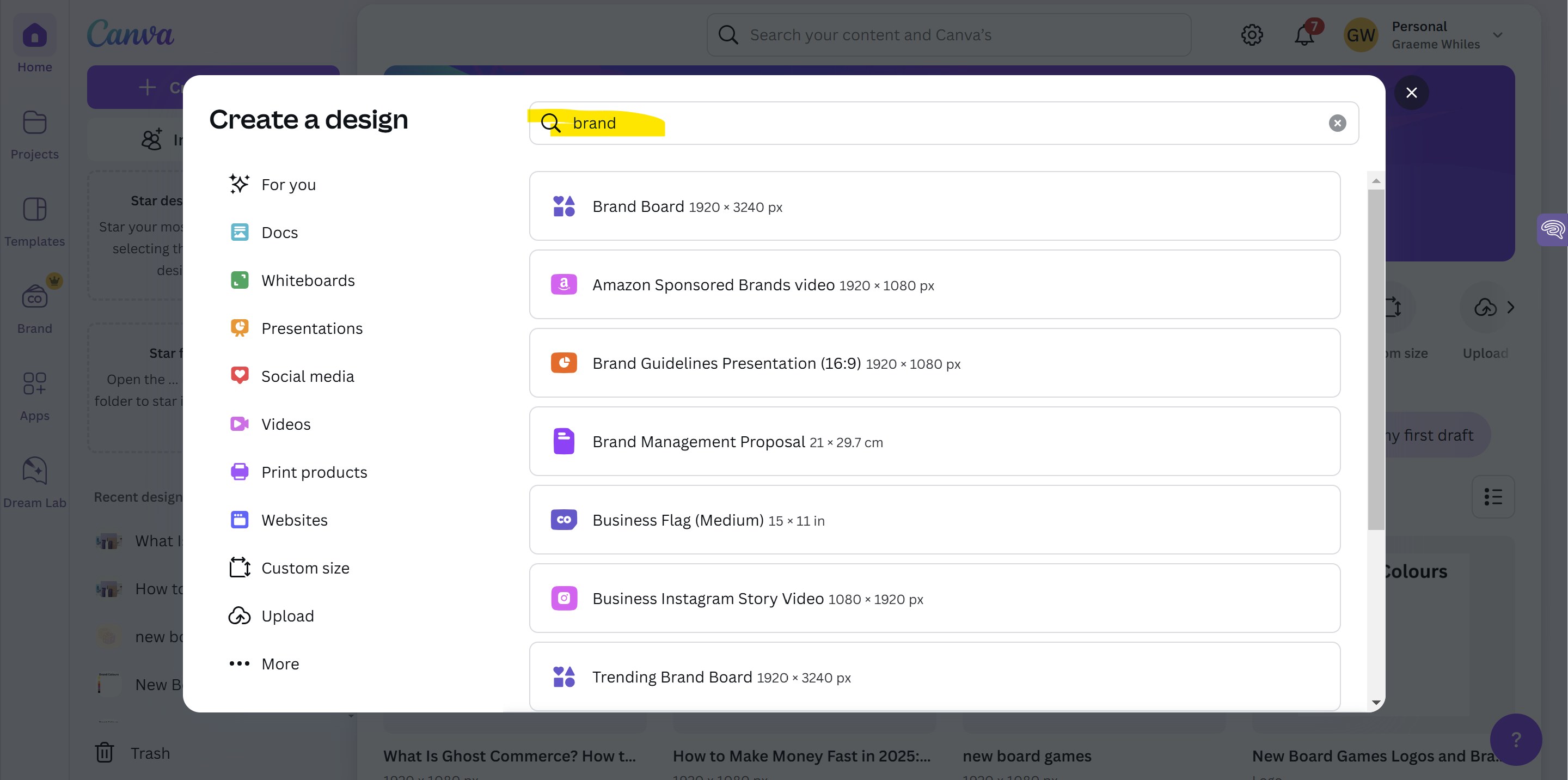
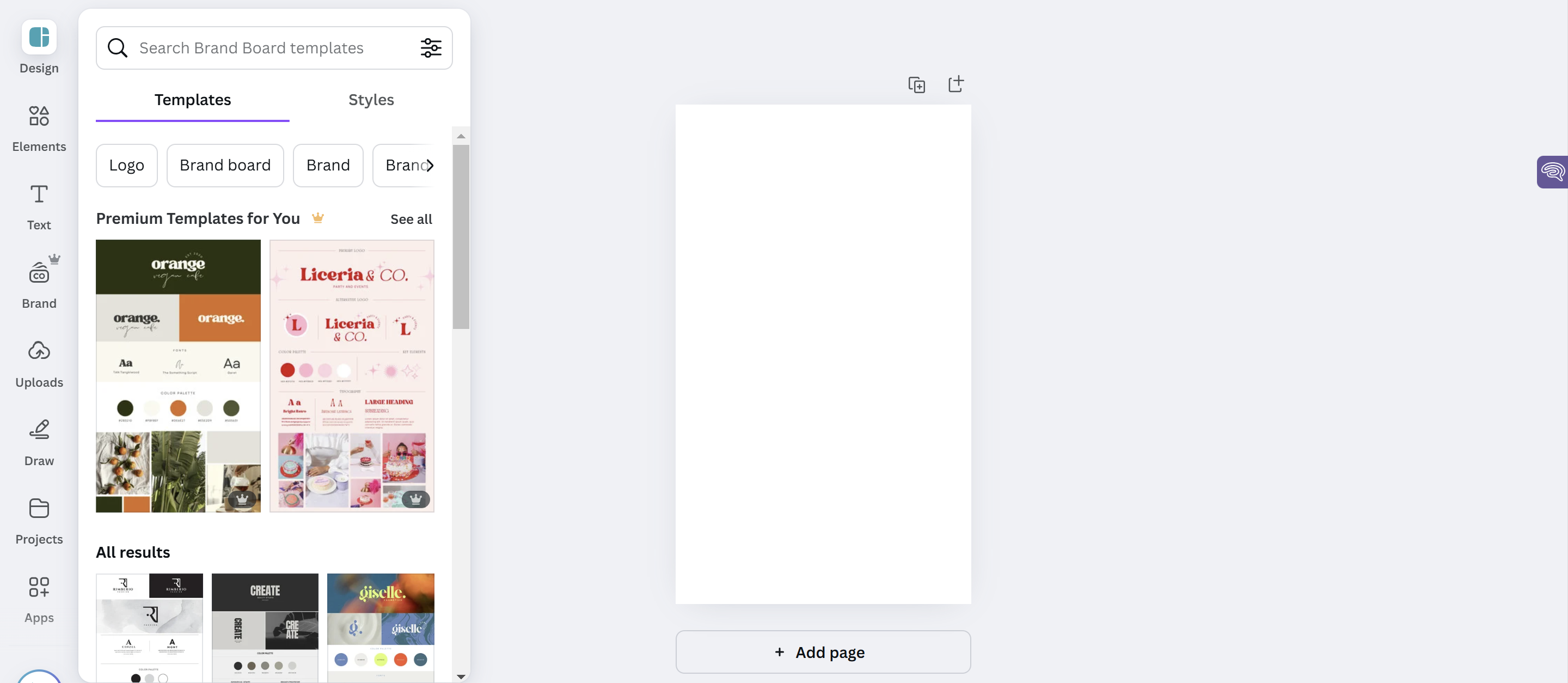
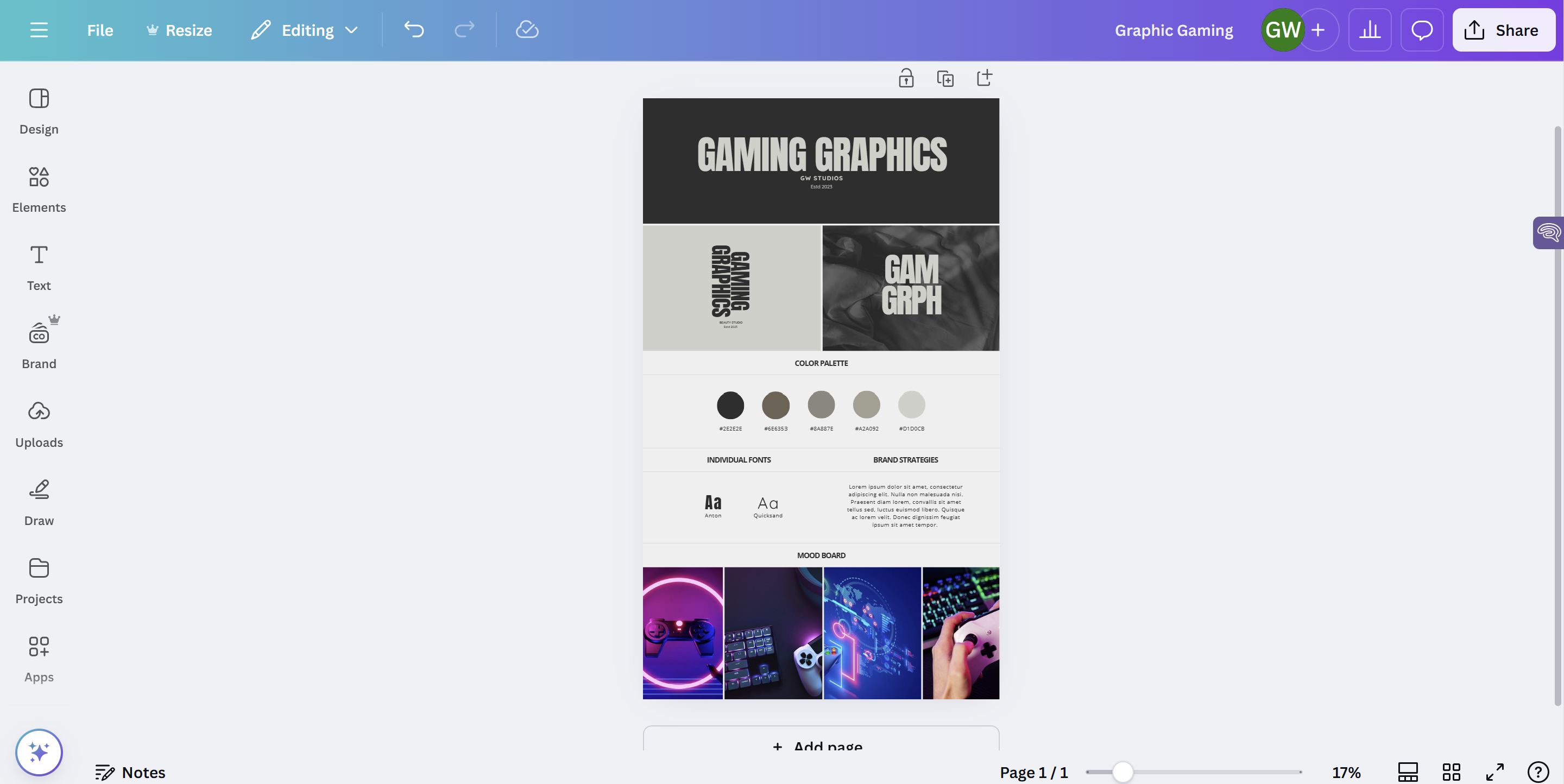
1. Unified Brand Assets
Consistency breeds trust. By creating a "Brand Board" in Canva, you define your business’s visual DNA. When your social media posts, invoices, and website headers share the same color palette and typography, customers perceive your brand as more established and reliable.
2. Social Media Velocity
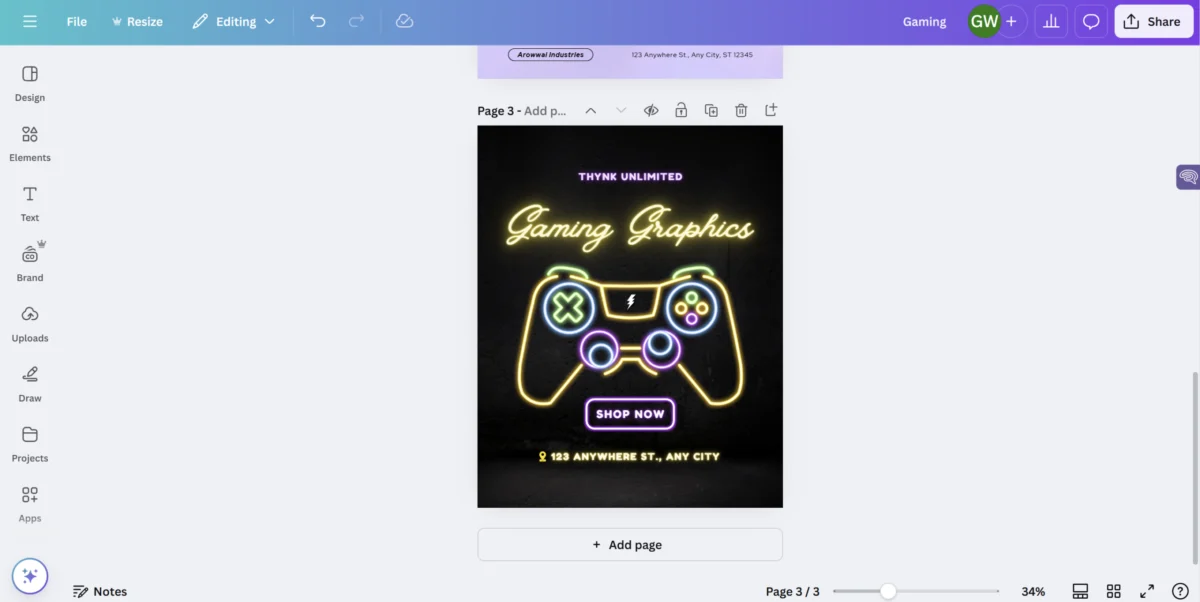
In 2025, the demand for short-form video and high-frequency posting is relentless. Canva’s video editing suite and social media scheduler allow you to batch-create a week’s worth of content in a single afternoon.
3. SEO-Driven Visuals
Google’s algorithms increasingly prioritize user engagement. Blog posts containing custom infographics or well-designed headers have significantly lower bounce rates. Canva allows you to create data-driven visualizations that are not only aesthetically pleasing but also optimized for web performance.
4. High-Conversion Lead Magnets
Your lead magnet—the eBook, whitepaper, or checklist you offer in exchange for an email address—must look premium to justify the exchange of data. Canva’s document templates ensure that your PDFs look like they were produced by a high-end publishing house.
5. Professional Presentations
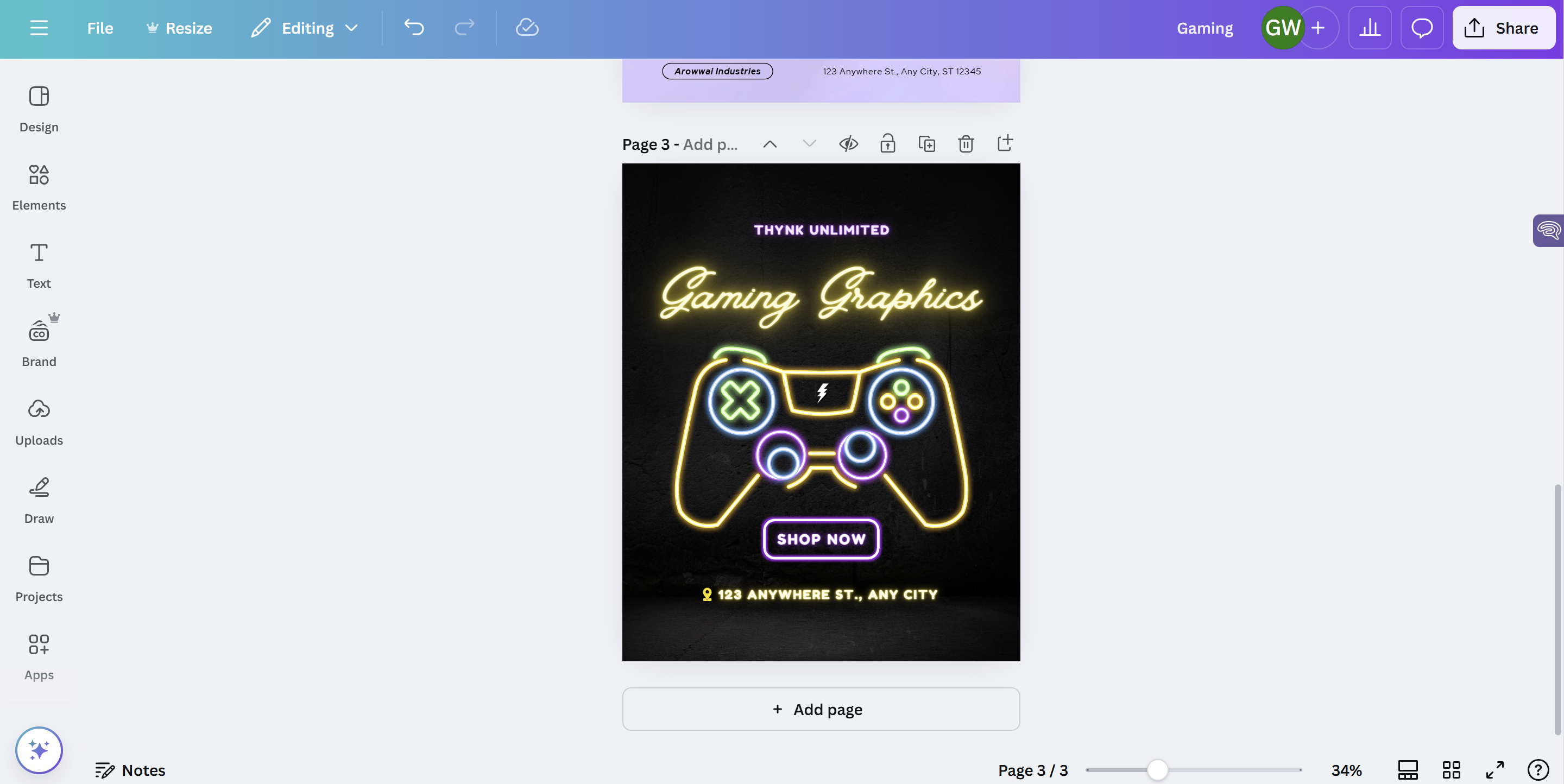
The "death by PowerPoint" phenomenon is real. Canva’s presentation tools offer modern, sleek, and interactive templates that elevate your pitch, helping you close sales or secure funding with confidence.
6. Collaborative Workflows
With the rise of "Canva for Teams," businesses can now collaborate in real-time. A marketing manager can draft a post, a CEO can leave a comment, and a designer can finalize the assets—all within the same dashboard, eliminating the chaotic back-and-forth of email attachments.
Implications: The Future of Professional Design
The rise of Canva signals a permanent shift in how professional visual communication is handled. We are entering an era where "graphic design" is becoming a baseline business literacy, much like writing a spreadsheet or sending an email.
However, this democratization carries implications. As high-quality design becomes easier to produce, the market will become more saturated with visually polished content. For businesses, the differentiator will move from "who has the best graphics" to "who has the best brand story." Canva provides the toolkit, but the creative strategy remains the responsibility of the entrepreneur.
Conclusion: Elevating Your Entrepreneurial Potential
Canva is more than just a software suite; it is a catalyst for entrepreneurial growth. By removing the technical barriers to high-quality design, it allows founders to focus on what they do best: building their business.
Yet, design is only one piece of the puzzle. To truly thrive in the competitive landscape of 2025, you need a holistic understanding of branding, marketing, and operational efficiency. That is where comprehensive resources like Foundr+ become essential. With access to over 30 expert-led courses and 1,000+ lessons on everything from scaling eCommerce stores to mastering digital strategy, you can pair your newfound design skills with the business acumen required to succeed at scale.
Are you ready to stop settling for "good enough" and start building a brand that stands out? Unlock your full potential and take your business to the next level today.