In the rapidly evolving landscape of digital marketing, a pervasive myth has taken hold: that the stunning, high-fidelity AI clips seen in product launch demos are the result of a single "generate" button press. For the average marketer, the reality of attempting to replicate these results often ends in frustration—flat, inconsistent, or uncanny visuals that fail to align with professional brand standards.
According to AI educator and content creator Jerrod Lew, the "one-click" fallacy is the primary hurdle preventing businesses from leveraging AI as a reliable production system. To produce high-end marketing collateral, creators must move away from the expectation of instant perfection and toward the development of structured, human-led workflows.
The Core Philosophy: AI as a Creative Tool, Not a Creator
The central thesis of a professional AI workflow is that tools like Google Flow, Seedance, and Kling are not autonomous artists, but rather sophisticated instruments—much like Adobe Premiere Pro or After Effects. They require a human "Creative Director" to provide vision, brand context, and narrative structure.
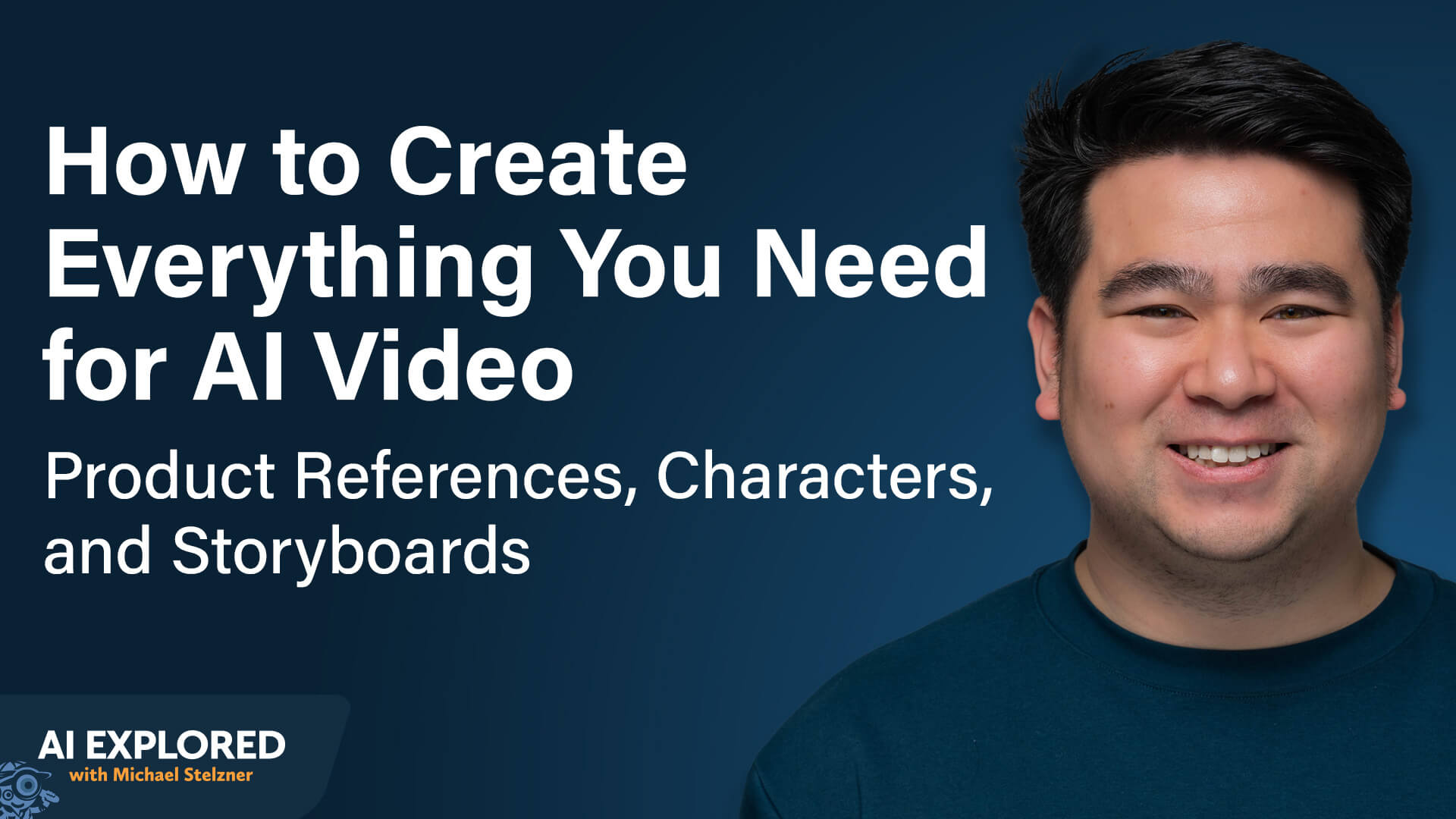
The barrier to entry has indeed vanished; today, a writer with no technical film experience can produce professional-quality visuals. However, the requirement for a clear story, a defined brand voice, and a strategic outcome remains as rigid as it was in the era of traditional production.
Chronology of an AI-Powered Workflow
For those looking to transition from experimental prompting to systematic production, Jerrod Lew outlines a five-stage chronology that prioritizes consistency and control over speed.
Phase 1: Establishing the Brand Foundation
Before a single prompt is typed, the marketer must ground the AI in the brand’s visual identity. AI models, when left to their own devices, will default to generic, often "soulless" aesthetics. Using tools like CoreDesigner, marketers can synthesize scattered assets—logos, website screenshots, and product photos—into a cohesive design system. This foundation acts as a "source of truth" that informs all subsequent image and video generations.

Phase 2: Building Reference Assets
Consistency is achieved through preparation. This involves two distinct tracks:
- Product Reference Assets: Instead of relying on the AI to "guess" what a product looks like, marketers should generate a "product sheet." By feeding the model images of a product from multiple angles, the AI creates a composite reference that it can then use to maintain consistency throughout a multi-scene campaign.
- Human Reference Assets: Human likeness is the most difficult element for AI to replicate. To avoid distortion, creators must feed the model a variety of reference photos—profile, front-facing, and back-of-head—alongside a spectrum of specific expressions. This "character sheet" serves as the anchor for all future character-based content.
Phase 3: The Storyboarding Phase
The most common mistake is attempting to jump straight into video generation. Video is the most resource-intensive and expensive stage of the process. Instead, successful workflows treat image generation as the storyboard. By generating 50 to 100 images to test lighting, composition, and character placement, the creator can finalize the visual narrative at a fraction of the cost.
Phase 4: Video Generation and Refinement
Once the storyboard is locked, the video model receives specific, visual-heavy instructions. Modern tools like Seedance 2.0 and Kling 3.0 allow users to input reference images, ensuring the character remains identical from shot to shot. If an error occurs—a misplaced object or a background glitch—the user can employ "targeted editing" through models like Google Omni Flash, correcting only the problematic segment without regenerating the entire clip.
The Tool Landscape: A Curated Overview
The marketplace for AI tools is saturated, but a few platforms have emerged as the "industry standard" for professional workflows.
Video Generation Leaders
- Google Flow: Recently updated to be project-based, Flow allows for the organization of images, video, and brand guidelines in one environment. Its conversational interface allows marketers to communicate with the model as if they were talking to a creative director.
- Google Omni Flash: Touted as the video equivalent of Imagen 2, this model excels in targeted editing, allowing for granular adjustments to existing footage.
- Seedance 2.0: Currently holding the top spot for many, its ability to integrate music, dialogue, and background sounds into the visual generation process makes it a uniquely "production-ready" tool.
- Kling 3.0: Widely considered the gold standard for realistic character consistency, particularly for high-resolution 1080p and 4K exports.
Image Generation Leaders
- ChatGPT Images 2.0: While models like Imagen 2 remain powerful, ChatGPT has pulled ahead due to its superior text-rendering capabilities. For marketers creating YouTube thumbnails, event graphics, and storyboards, the ability to embed legible, coherent text is a significant productivity multiplier.
Strategic Implications: The Role of the Aggregator
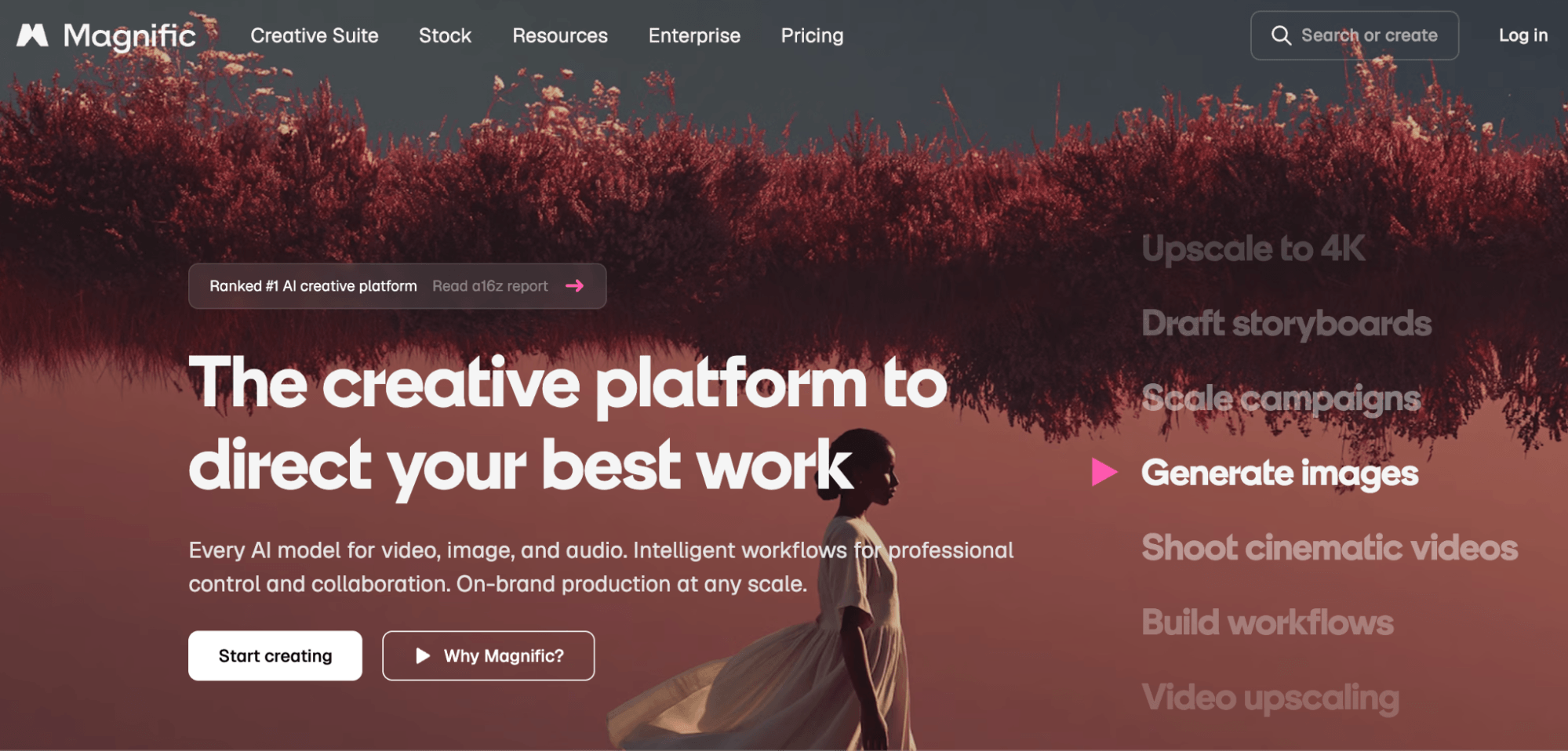
A critical realization for modern firms is the inefficiency of maintaining dozens of individual subscriptions. Jerrod Lew advises against "tool-locking" and instead recommends utilizing AI Platform Aggregators like Magnific.
Magnific allows users to access a wide variety of model APIs (including image, video, and audio tools) under a single interface. The standout feature is "Spaces"—a node-based canvas where users can build automated sequences. For example, a marketer can create a workflow that takes a base product image, runs it through three different models, applies an upscaling filter, and outputs the results in bulk. This allows for A/B testing at a scale that was previously impossible.
Official Industry Perspective
The shift toward "AI-as-a-system" reflects a broader trend in the marketing industry: the professionalization of generative AI. Industry experts emphasize that while the "Wow" factor of AI is cooling, the "Value" factor is heating up. Companies that view AI as a replacement for human creativity are struggling, while those who view it as an extension of their existing production infrastructure are seeing a significant reduction in time-to-market and an increase in creative output.
Implications for the Future of Content
As these workflows become more sophisticated, the line between traditional production and AI-assisted production will continue to blur. The implications for marketers are threefold:
- Lower Cost, Higher Volume: By automating the mundane aspects of asset creation, marketers can produce larger volumes of high-quality content without increasing headcount.
- Increased Focus on Strategy: With the technical barriers to visual creation lowering, the "creative moat" will no longer be technical skill, but rather the quality of the brand strategy and the depth of the creative vision.
- The Rise of the "AI Creative Director": The most valuable marketing talent in the coming years will not be the "prompt engineer," but the person who understands how to manage the AI, govern the brand assets, and orchestrate the workflow to ensure a consistent, recognizable visual identity across all channels.
Conclusion
The path to powerful AI marketing is not paved with better prompts, but with better processes. By establishing a rigid brand foundation, meticulously creating reference assets, and treating video generation as the final step in a storyboarding workflow, marketers can move beyond the "demo-only" quality of AI and into a realm of reliable, consistent, and highly professional content production.
As Jerrod Lew reminds us, the tools are ready—the question is whether the marketer is ready to provide the vision required to make them work.