In the modern digital economy, LinkedIn has evolved from a simple repository for digital résumés into a high-stakes arena for B2B lead generation. Yet, for many entrepreneurs and business leaders, the platform remains an enigma. They post sporadically, chase vanity metrics, and wonder why their engagement fails to translate into a sustainable pipeline of ideal prospects.
According to LinkedIn strategist Will McTighe, the solution isn’t found in viral luck, but in a structured, funnel-based content strategy. By treating LinkedIn as a professional engine for growth rather than a casual social hobby, creators can systematically guide prospects from complete strangers to high-value clients.
Main Facts: The 4-2-1 Framework
The core of McTighe’s methodology is a consistent weekly posting rhythm, which he categorizes into a "4-2-1" ratio. This structure ensures that a creator’s profile addresses the three distinct stages of the customer journey: Awareness, Trust, and Lead Generation.
- Awareness (4 posts/week): Designed to expand reach and attract new followers by providing high-value educational content or niche-specific insights.
- Trust (2 posts/week): Focused on deepening the relationship with existing followers by showcasing authority, shared values, and actionable lessons derived from personal or business experiences.
- Lead Generation (1 post/week): Targeted at converting engaged followers into buyers by highlighting transformations, providing social proof, and offering direct paths to engagement.
This framework is not merely theoretical. McTighe, who is currently entering his third year of consistent, strategic posting, reports that his businesses are now on track to exceed $2 million in annual revenue—a testament to the efficacy of disciplined content output.

Chronology: From Trial and Error to Systematic Growth
For those just beginning their LinkedIn journey, the barrier to entry is rarely a lack of strategy; it is the fear of public failure. McTighe emphasizes that the "trial-and-error" phase is a necessary rite of passage.
- The Incubation Phase: Beginners should view their first few months as a laboratory. LinkedIn’s algorithm acts as a safeguard; if a post is low-quality, the platform limits its reach, effectively capping the embarrassment risk.
- The Pattern Recognition Phase: As a creator gains traction, the focus must shift toward data analysis. By maintaining a simple log—tracking posts, links, and engagement metrics—creators can identify which themes resonate with their specific audience.
- The Professionalization Phase: Once a creator has identified what works, the "hobbyist" mindset must be abandoned. This stage involves applying rigorous scheduling, consistent visual branding, and a clear, funnel-based content calendar that prioritizes business objectives over random musings.
Supporting Data: Optimizing Formats for Maximum Impact
McTighe’s analysis of over 100,000 LinkedIn posts reveals specific technical insights into how the platform’s algorithm and user base behave:
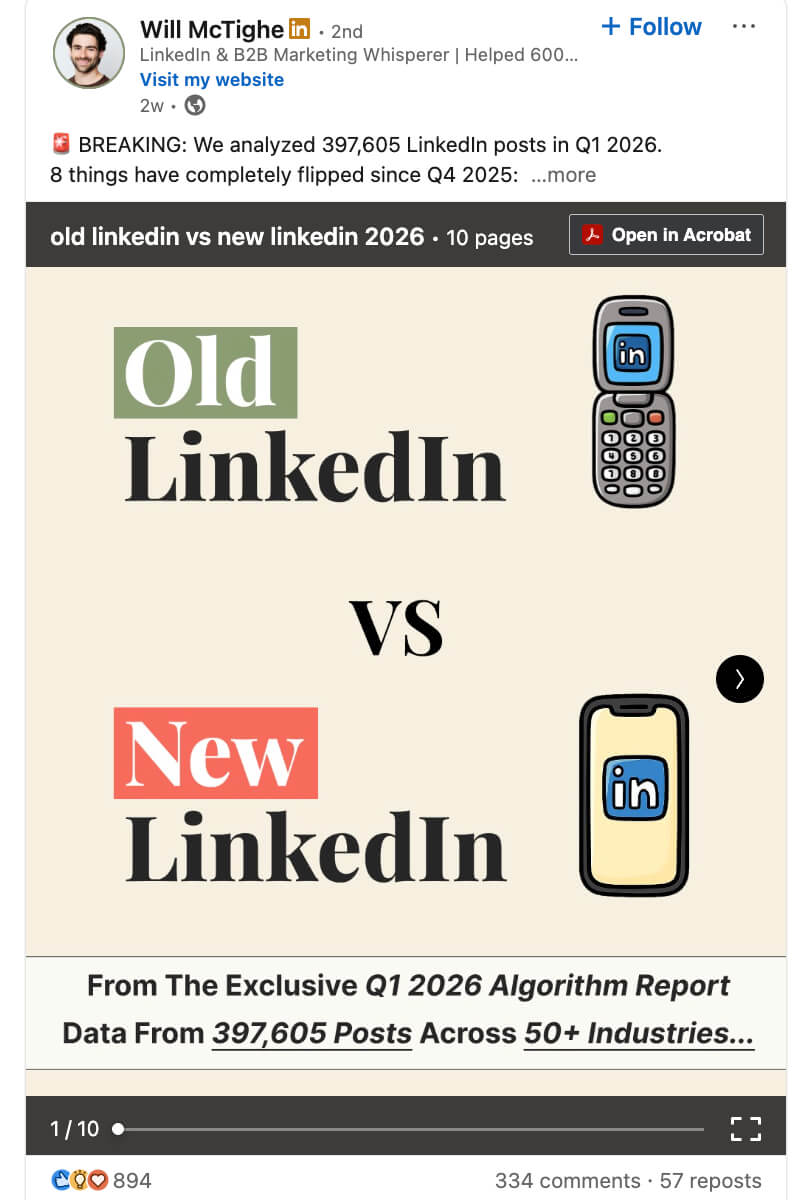
- Visual Dominance: Infographics and carousels are the undisputed champions of viral reach.
- The Text-Image Synergy: While pure text posts historically suffer from lower median performance, appending a single, relevant image can double a post’s reach. Crucially, the image must align with the hook (the first two lines of the post) to prevent cognitive dissonance that causes users to scroll past.
- The Link Paradox: Contrary to the belief that LinkedIn penalizes external links, McTighe found that posts containing links often outperform others. This is likely because these posts frequently house high-value educational resources that drive "dwell time," shares, and saves—all of which signal high-quality content to the algorithm.
Official Responses and Strategic Pillars
1. Building Awareness
Awareness is the top of the funnel. To succeed here, creators must prioritize "niche-specific education" over broad relatability. While a post about "workplace burnout" might garner likes, a post about "CISO burnout" (addressing the specific, lived pressures of cybersecurity executives) will attract the right followers. The goal is to be perceived as a source of intelligence that is indispensable to your target persona.
2. Building Trust
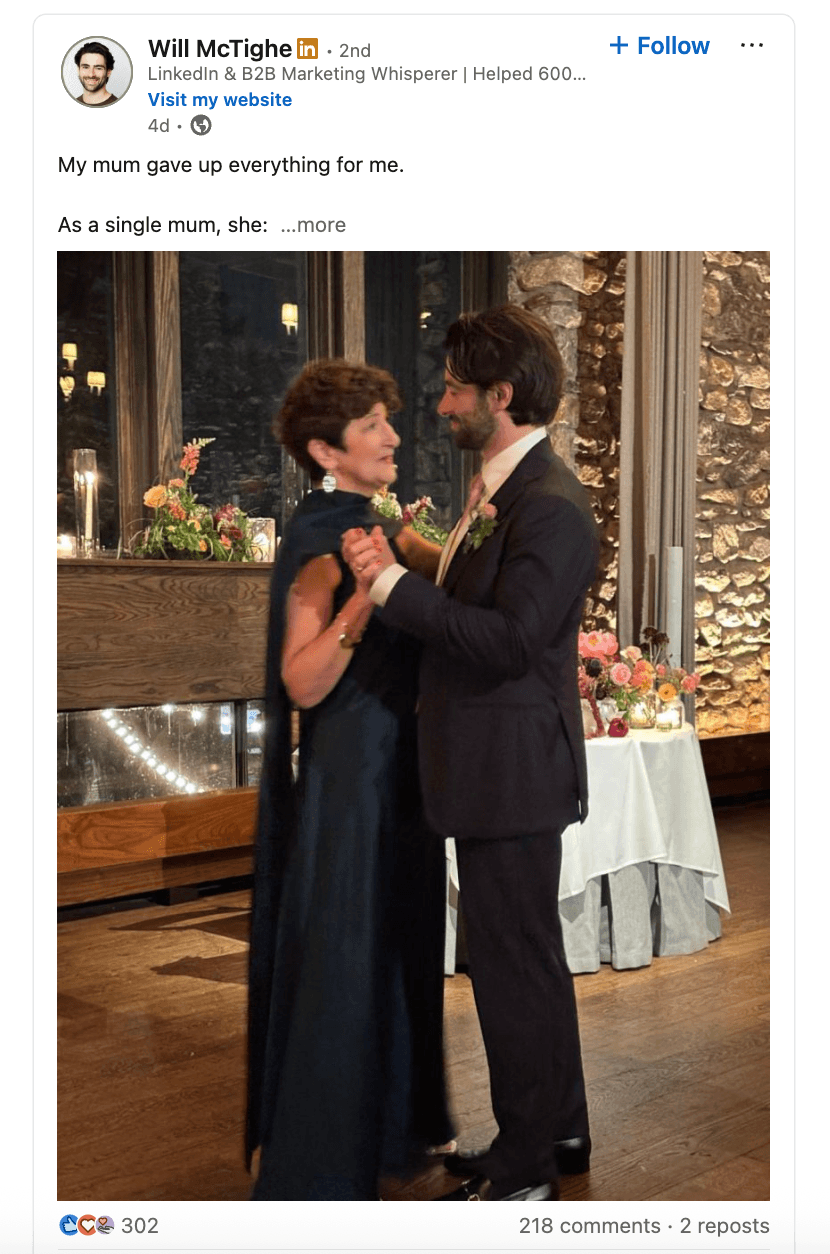
Once a user follows you, they need a reason to buy. Trust-building content must be story-driven but anchored in actionable lessons. A common failure is the "confessional" post—sharing a struggle without providing a takeaway. McTighe advocates for the "Story-Lesson-Application" framework. By sharing a narrative of adversity followed by a turning point, the creator demonstrates expertise and offers the reader a roadmap for their own success. Video, while often having lower reach than carousels, is identified as a critical tool for building intimacy and familiarity, which significantly accelerates the sales cycle when moving to private calls.
3. Lead Generation
The final stage is designed to de-risk the purchase. Here, generic testimonials are ineffective. Potential buyers are looking for "transformation case studies"—stories that highlight a specific client’s problem, the specific intervention used, and the measurable outcome achieved. The client must remain the hero of the narrative, while the creator is positioned as the guide who provided the necessary tools.
Implications for the Modern Marketer
The implications of this strategy are profound for B2B professionals. By shifting away from "posting for the sake of posting," creators can turn their LinkedIn profile into a predictable, automated revenue source.
Key Takeaways for Implementation:
- Map Before You Write: Before crafting a single post, map out the specific pains and desires of your target audience. Every piece of content should answer these needs.
- Use AI as a Research Assistant: Use tools like Claude or ChatGPT to transcribe and analyze your client calls. These transcripts often contain "gold-mine" stories and points of resonance that you may have uttered and immediately forgotten.
- Embrace Authenticity over Production: When sharing client success, use raw screenshots of text or Slack messages rather than overly produced marketing graphics. Authenticity is a high-value currency in the B2B space; unpolished proof often feels more credible than polished sales copy.
- Maintain the Ratio: While it is acceptable to deviate from the 4-2-1 ratio during product launches or event registrations, the 4-2-1 framework remains the most sustainable baseline for long-term account health.
Conclusion: The Long Game
The journey to a successful LinkedIn presence is not a sprint. It is a commitment to consistency and a dedication to serving the specific needs of an ideal audience. As McTighe’s trajectory shows, by systematically moving prospects through awareness, trust, and finally, lead generation, the platform ceases to be a social network and becomes a business asset that scales alongside your enterprise. The fear of posting is temporary; the reputation you build through consistent, valuable output is permanent.