The landscape of ecommerce is undergoing a profound transformation. As merchants grapple with the dual pressures of rising customer acquisition costs and the rapid evolution of generative AI, the tools available to them are shifting from simple automation to "agentic" capabilities—systems capable of independent reasoning, content generation, and decision-making.
This week’s roundup of service updates underscores a clear industry trend: the integration of artificial intelligence is no longer optional; it is the backbone of modern retail operations. From autonomous logistics and fraud prevention to conversational search and post-purchase retention, the following developments represent the cutting edge of digital commerce.
Main Facts: The New Tech Stack for Retailers
The current wave of innovation focuses on three primary pillars: visibility in AI-driven search, the automation of creative workflows, and the enhancement of customer-centric data utilization.

Key developments include:
- Trustpilot and Shopify have formed a strategic partnership to embed verified customer feedback directly into the merchant dashboard.
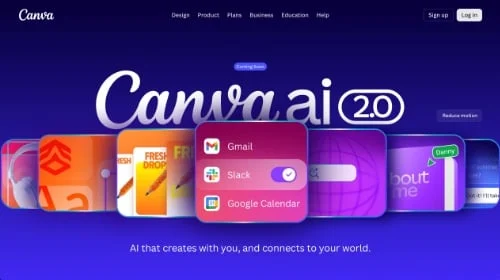
- ImageKit and Canva have introduced advanced AI-driven creative automation tools to help brands scale their visual assets.
- CiteLens, Nudge, and Contentful (via Palmata) are pioneering the "Generative Engine Optimization" (GEO) space, helping brands understand how AI models perceive and recommend their products.
- Advanced Logistics and Payments: Neolix is scaling autonomous delivery in Europe, while Ppro and Coinbase are bridging the gap between traditional retail and stablecoin payments.
Chronology of Innovation: A Week in Review
The pace of change in the ecommerce sector has been relentless, with major announcements spanning the full spectrum of the supply chain.
Mid-June: Scaling Visuals and Conversational Search
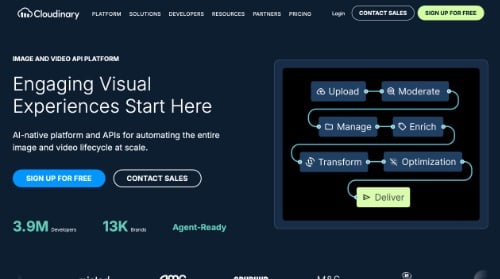
In the third week of June, Cloudinary launched its "Image to Video" AI tool, enabling retailers to repurpose static catalogs into dynamic video content, a critical move given the shift toward short-form video consumption. Simultaneously, Albertsons Media Collective partnered with Criteo to introduce sponsored product discovery within conversational search, marking a significant evolution in how grocery retailers leverage AI to influence purchasing decisions at the point of intent.

Late June: Funding and Strategic Alliances
The momentum continued with Nudge raising $1.1 million in pre-seed funding to build its agentic commerce platform. This was followed by the announcement from Redo, which secured $81 million in Series B funding to expand its post-purchase ecosystem, proving that investor confidence remains high for startups focusing on retention and customer experience.
July: Platform Integration and Global Expansion
The month opened with Trustpilot’s high-profile integration with Shopify, signaling a move toward deeper platform-to-platform synergy. On the logistics front, Neolix expanded its fleet of autonomous delivery robots across Europe, addressing the critical "last-mile" challenge that continues to plague retail margins.
Supporting Data: Why Merchants are Pivoting
The surge in "agentic" tools is not merely a technological trend; it is a response to specific market frictions. Data from industry analysts suggests that brands currently face two major obstacles: eroding first-party data match rates and fragmented AI visibility.
- Audience Precision: Rokt mParticle’s new "Performance Engine" addresses the "audience barrier" by using agents to analyze and activate first-party data. This is critical for retailers whose traditional segmenting methods are failing due to privacy changes and browser restrictions.
- The AI Visibility Gap: Tools like CiteLens and Nudge provide a "visibility score" that was previously unavailable. By tracking how a brand is mentioned—or ignored—by LLMs (Large Language Models), these platforms are helping CMOs understand why their products might be missing from AI-generated shopping suggestions.
- Operational Efficiency: The launch of AI Virtual Livestreams by Mobigital highlights the push for 24/7 engagement. By utilizing AI presenters, merchants can maintain a global, round-the-clock presence without the overhead of human-led production teams in every time zone.
Official Responses and Strategic Shifts
Industry leaders are framing these releases as a move toward "autonomous commerce."
Trustpilot’s partnership with Shopify is being viewed as the first of many strategic deep-integrations aimed at streamlining the merchant experience. By allowing sellers to manage feedback within the Shopify admin, the platform reduces the friction between customer advocacy and backend operations.
Meanwhile, AWS has entered the fray with its "Agentic Customer Experience Designer." In an official statement, Amazon emphasized that the tool is designed to allow businesses to synchronize web and voice experiences in real-time. This reflects a broader industry consensus: the future of customer service is not just "chatting" with a bot, but deploying a system that can take action on behalf of the customer—such as updating an order, processing a return, or scheduling an appointment—without human intervention.
Implications: The Future of Ecommerce
The implications of these developments for the average ecommerce merchant are significant. We are moving toward a paradigm where the "storefront" is no longer just a website; it is an intelligent, reactive interface that spans search engines, social media, and AI agents.
1. The Rise of "Agentic Commerce"
We are witnessing the transition from static ecommerce to agentic commerce. In this new world, "agents" (software that can reason and execute tasks) will handle the heavy lifting of catalog enrichment, ad buying, and customer service. Merchants who adopt these tools early will likely see a reduction in operational overhead and an increase in conversion efficiency.
2. The Death of Traditional SEO as the Sole Metric
The emergence of platforms like CiteLens and Palmata suggests that traditional SEO (search engine optimization) is being superseded by GEO (generative engine optimization). Brands that fail to influence how AI interprets their business will find themselves excluded from the answers provided by AI search engines. Being "Google-searchable" is no longer the endgame; being "AI-recommendable" is.

3. Democratization of Performance Marketing
With Canva Grow 2.0 and ImageKit’s Creative Automation, the barrier to entry for high-quality, high-volume performance marketing has dropped. Smaller merchants can now achieve the same creative output as enterprise retailers, which will inevitably increase the competitive intensity in paid advertising channels like Meta, TikTok, and LinkedIn.
4. The Integration of Web3 and Traditional Finance
The collaboration between Ppro and Coinbase to enable stablecoin payments marks a quiet but massive shift. As merchants look for ways to reduce payment fees and tap into global markets, the integration of digital currencies into the standard checkout flow is moving from the fringe to the mainstream.
Conclusion: Adapting to the New Reality
The recent flurry of product releases serves as a blueprint for the next generation of ecommerce. For merchants, the challenge is no longer just "getting online." It is about managing a complex ecosystem where visibility, content creation, and customer interactions are increasingly mediated by intelligent machines.

To remain competitive, merchants should prioritize:
- AI-Native Content: Investing in tools that can automatically turn images into videos and banner ads at scale.
- Data Activation: Moving beyond basic CRM lists to utilize agent-based data platforms that can navigate privacy constraints.
- Conversational Presence: Ensuring their brand data is optimized for AI-driven answer engines, not just keyword-based search queries.
As the industry moves through the remainder of the year, the winners will be those who treat these new technologies not as individual widgets, but as interconnected components of an autonomous, agent-led growth engine.
If your company has an ecommerce product release or a significant technological update, please contact the editorial team at [email protected] to be considered for our next industry roundup.