In the rapidly evolving landscape of digital technology, the chasm between academic theory and industry requirements has long been a source of frustration for both educators and employers. For the WordPress ecosystem—a platform that powers over 40% of the web—this challenge is particularly acute. As the community matures, the need for a sustainable pipeline of new talent has never been more critical. Enter the WordPress Credits initiative, a strategic program launched by the WordPress Foundation designed to modernize the way students enter the workforce while simultaneously fortifying the open-source project for the next generation.
The Genesis of the WordPress Credits Initiative
The WordPress Credits program is not merely an educational side project; it is a structural intervention aimed at revitalizing the WordPress ecosystem. Launched in late 2023, the initiative was conceived to address a dual-sided problem: universities are often criticized for teaching outdated curricula, while businesses struggle with the high costs and time sinks associated with onboarding junior talent.
By creating a formal, structured bridge between academia and the WordPress project, the Foundation is providing students with a pathway to contribute to real-world projects. Through these contributions—ranging from translation and documentation to core development and plugin maintenance—students earn certifications that are visible on their wordpress.org profiles. These badges serve as a verifiable, transparent portfolio, providing potential employers with concrete evidence of a student’s technical skills and their ability to function within a remote, open-source environment.
A Multifaceted Approach: Education Meets Enterprise
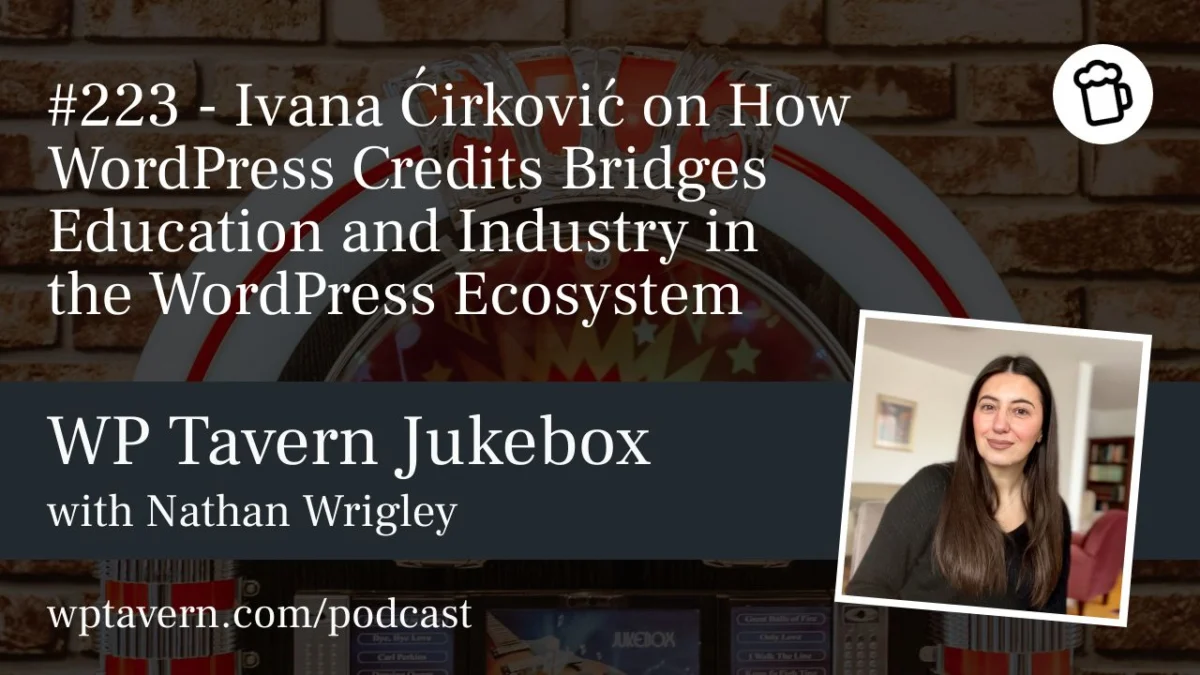
The program functions by pairing students with seasoned mentors within the WordPress community. Ivana Čirković, a digital marketer with 18 years of experience and a mentor within the program, emphasizes that the initiative provides value far beyond the classroom.
"The WordPress Credits program is initially made to bring new young people into WordPress, to broaden the ecosystem with fresh blood," Čirković explains. "But it is much bigger than just an education initiative. It offers businesses a unique opportunity to shape the talent they want to employ. By getting involved as mentors, companies can see firsthand how young minds work in real environments, allowing them to identify and recruit high-potential candidates who are already ‘onboarded’ to the open-source way of working."
Why This Matters for Universities
For academic institutions, the program offers a lifeline to relevance. Traditional computer science or marketing curricula often struggle to keep pace with the hyper-fast release cycles of modern web technologies. By integrating the WordPress Credits program, universities can offer students access to "in-trend", practical experience. Students are not just learning theory; they are contributing to a global, live, and highly visible digital infrastructure.
The Business Case for Mentorship
For small-to-medium web agencies, the burden of training junior developers and marketers is immense. Onboarding typically takes three to six months, diverting senior staff from revenue-generating activities. Because WordPress Credits students are trained in the nuances of remote work, Slack communication, and technical contribution, they enter the job market with a "ready-to-work" mindset. This effectively offloads the initial training cost from the employer to the mentored community program.
The Anatomy of the Program: How It Works
The structure of the initiative is designed to ensure accountability and depth of learning. Unlike ad-hoc internships, the WordPress Credits program requires a commitment to a specific, chosen path.
Chronology of Participation
- Alignment: The WordPress Foundation works with universities to align the program with specific degree paths. For example, IT students might focus on development or plugin review, while communications students might gravitate toward marketing or the Polyglots (translation) team.
- Mentorship: Once accepted, students are assigned to a mentor. Weekly "huddles" provide the necessary structure to guide students through the complexities of their chosen path.
- The Work: Students are required to produce measurable output. In the case of translation, for instance, this involves having a specific number of strings approved by the community. It is not about volume; it is about meeting the quality standards of the WordPress project.
- Documentation: A core requirement of the program is the maintenance of a blog. Students must document their journey, reflecting on their work and growth, which further builds their personal brand and professional identity.
- Accountability: The program maintains a strict standard of participation. If a student misses multiple mentor meetings or fails to engage, they are removed from the program. This ensures that the credits earned are genuinely reflective of a student’s dedication and skill.
Overcoming the "Aging Demographic" Challenge
One of the most pressing concerns voiced by long-term members of the WordPress community is the stagnation of the user and contributor base. As the initial pioneers of the platform move toward retirement, the lack of a "backfill" generation has become increasingly apparent.
"I’ve been in the community for 11 years, and for 11 years, all the same faces are here," notes Čirković. "We really need new faces. To get them, we need to meet young people where they are. They aren’t necessarily browsing the same forums or attending the same conferences we were 15 years ago. We have to present what we do in a way that matters to them."
The WordPress Credits program acts as a recruitment engine. By formalizing the path to contribution, the Foundation is lowering the barrier to entry for students who might otherwise be intimidated by the scale of the WordPress project.
Implications: The Future of the WordPress Ecosystem
The long-term success of the WordPress Credits initiative will likely be measured by the professional trajectory of its graduates. If, in five years, the community sees a wave of 20-somethings stepping into leadership roles—having been "baptized" by the WordPress Credits program—the experiment will have been a resounding success.
Implications for Future Talent
The skills students gain are highly transferable. Even for those who do not pursue a career exclusively within the WordPress ecosystem, the experience of remote, asynchronous, and collaborative open-source work is a powerful differentiator in the modern job market. They learn to be accountable, to document their work, and to communicate across international borders—skills that are currently in high demand across the entire tech industry.
The Role of Business Engagement
The next phase for the initiative is to scale the business-side engagement. While the educational framework is well-established, the "industry-side" infrastructure—the playbooks for agencies to easily adopt and mentor students—is still in active development. As more businesses realize that they can influence the quality of the talent pool by investing in these students, the program is expected to gain significant momentum.
Conclusion: A Collaborative Future
The WordPress Credits initiative represents a shift from "passive consumption" to "active participation." By bridging the gap between universities and the WordPress project, the initiative provides a structured, credible pathway for the next generation of digital professionals.
As the program evolves, it promises to do more than just produce skilled developers and marketers; it aims to preserve the spirit of open-source collaboration. By inviting fresh perspectives into the ecosystem, the WordPress community is not just ensuring its own survival—it is shaping the very future of how the web is built, maintained, and taught. The message to businesses and educators is clear: the talent of tomorrow is already here, and through programs like WordPress Credits, they are ready to contribute.