As the dog days of summer arrive in August 2026, the retail landscape enters a critical transition period. For e-commerce businesses, this month represents a unique intersection of back-to-school urgency, late-summer leisure, and the final push toward the autumn season. Content marketing—the deliberate creation and distribution of valuable, relevant, and consistent material—remains the most effective vehicle for attracting and retaining a loyal customer base.
In an era where consumers are bombarded by automated advertisements, the principle of reciprocity is more vital than ever. When a brand provides genuine utility—be it through instructional guides, curated trend reports, or thoughtful planning tools—it establishes trust. This trust is the currency of modern e-commerce. To help your business navigate this competitive landscape, we have outlined five core content pillars for August 2026.
1. Back-to-School: A Holistic Approach for Modern Families
Main Facts and Projections
The back-to-school season is no longer just about notebooks and backpacks. With U.S. retail sales projected to exceed $85.4 billion in 2026—a 3.3% increase over the previous year—the scale of this event is massive. According to the National Retail Federation, nearly one-third of shoppers begin their browsing and purchasing as early as late June.
The average spend per student is estimated by PwC to reach $922. However, the data reveals a shift in the decision-making process: 61% of parents now actively involve their children in the online shopping experience.

Implications for Content Strategy
Marketers should move beyond the traditional "supply list" article. Instead, focus on the "Chief Household Officer"—the parent who manages the budget, the lunchbox logistics, and the emotional transition from summer break to the classroom.
Content Ideas:
- Budgeting Masterclasses: Create interactive calculators or guides on maximizing the $922 per-student budget through strategic inventory management.
- The "Transition" Series: Offer advice on sleep schedules, morning routines, and meal prep to alleviate the stress of the first week of school.
- Collaborative Curation: Create "School Style Lookbooks" where parents and students can curate items together, catering to the 61% of children influencing the cart.
2. National Relaxation Day: The Art of the "Slow Down"
The Logic of Leisure
On August 15, 2026, the calendar marks National Relaxation Day. In a hyper-connected, high-stress world, content that promotes stillness and self-care is inherently shareable and high-value. This is a goldmine for retailers in wellness, home goods, hobby supplies, and even culinary sectors.
Supporting Data and Engagement
Retailers often err by focusing solely on "sale" messaging. However, successful content marketing for this holiday should emphasize the why rather than the what. Whether it is the meditative aspect of gardening or the sensory experience of a home spa, the goal is to position your products as essential tools for mental health and relaxation.

Content Ideas:
- "The 15-Minute Reset": A series of short-form videos demonstrating quick ways to decompress using your products (e.g., brewing the perfect tea, a quick aromatherapy session, or setting up a reading nook).
- Curated Hobby Guides: "The Ultimate Weekend Hobbyist Guide," which bundles products like model kits, sketching materials, or gardening tools into a single, cohesive narrative.
3. National Aviation Day: Engineering Inspiration
Chronology and Context
August 19 commemorates the birth of Orville Wright and the historic advancement of flight. Authorized by Congress in 1939, this day is more than a historical footnote; it is a celebration of human ingenuity. For the savvy e-commerce brand, it offers a gateway to explore themes of discovery, adventure, and technical design.
Connecting History to Commerce
The key to leveraging Aviation Day is to bridge the gap between historical interest and product utility.
- For Travel Retailers: Focus on the logistics of the modern traveler—packing hacks for efficiency and comfort at 30,000 feet.
- For Education/Toy Brands: Develop "Science of Flight" content, offering DIY experiments for children that explain the physics of aerodynamics.
- For Design-Centric Brands: Highlight the aesthetics of travel, from vintage luggage styles to the ergonomics of modern flight-ready apparel.
4. World Photography Day: Leveraging Visual Storytelling
The Evolution of the Image
August 19, 1839, marked the birth of the daguerreotype. Today, World Photography Day is a global celebration of the medium that defines e-commerce. As shoppers, we "buy with our eyes," and this day provides a perfect excuse to deepen the connection between your brand’s visual identity and your customers’ personal lives.

Implications for Brand Loyalty
User-Generated Content (UGC) is the most powerful form of social proof. By launching a campaign around World Photography Day, you invite customers to become co-creators of your brand’s story.
- The Customer Showcase: Encourage followers to post photos featuring your products in their daily lives. Curate these into a blog post or an interactive social media gallery.
- The "How-To" Series: Provide tips on how to take better photos of the products they purchase from you. This adds utility and encourages more frequent, high-quality social sharing.
5. Labor Day Planning: The Final Summer Hurdle
The Strategic Calendar
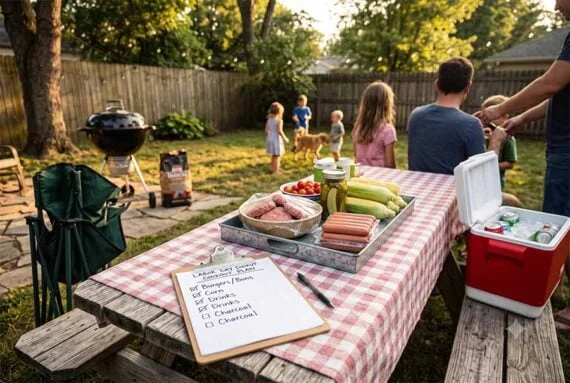
Labor Day (Monday, September 7, 2026) acts as the unofficial gatekeeper of the fall season. Because it is a milestone event, it requires proactive planning. Content published in mid-to-late August should aim to solve the logistical headaches of the long weekend.
Official Guidelines for "Practical Content"
The most effective Labor Day content is transactional but unobtrusive. Avoid the hard sell; instead, provide the "how-to" and let the products follow naturally.
- Checklists: "The Ultimate Labor Day Camping Checklist" or "The Backyard BBQ Timeline" ensures the reader relies on your brand for organizational support.
- Downloadable Assets: Offer printable PDFs for menu planning or packing, which keeps your brand logo and URL in the customer’s home long after they close their browser tab.
Summary of Implications: Why Content Marketing Matters
The core challenge for any e-commerce business in 2026 is noise. With artificial intelligence generating vast quantities of generic text, human-centric, empathetic, and highly useful content is the only way to stand out.

Reciprocity and Retention
By investing in these five content pillars, you shift the relationship from "vendor-buyer" to "partner-user." When a customer feels that your blog or video helped them plan their child’s school year or organize their Labor Day weekend, they are statistically more likely to return for their next purchase.
The Road Ahead
As we approach August 2026, audit your existing product inventory and map it against these themes. Do not try to participate in all five if your brand voice doesn’t align—choose the two or three that resonate most with your audience. The goal is not to be everywhere, but to be exactly where your customer needs you to be, exactly when they need you there.
By focusing on high-utility, research-backed content, you ensure that your brand remains the primary destination for your customers throughout the critical late-summer transition. Whether through the technical wonder of aviation or the simple joy of a relaxed afternoon, your content should always aim to enrich the lives of those you serve.