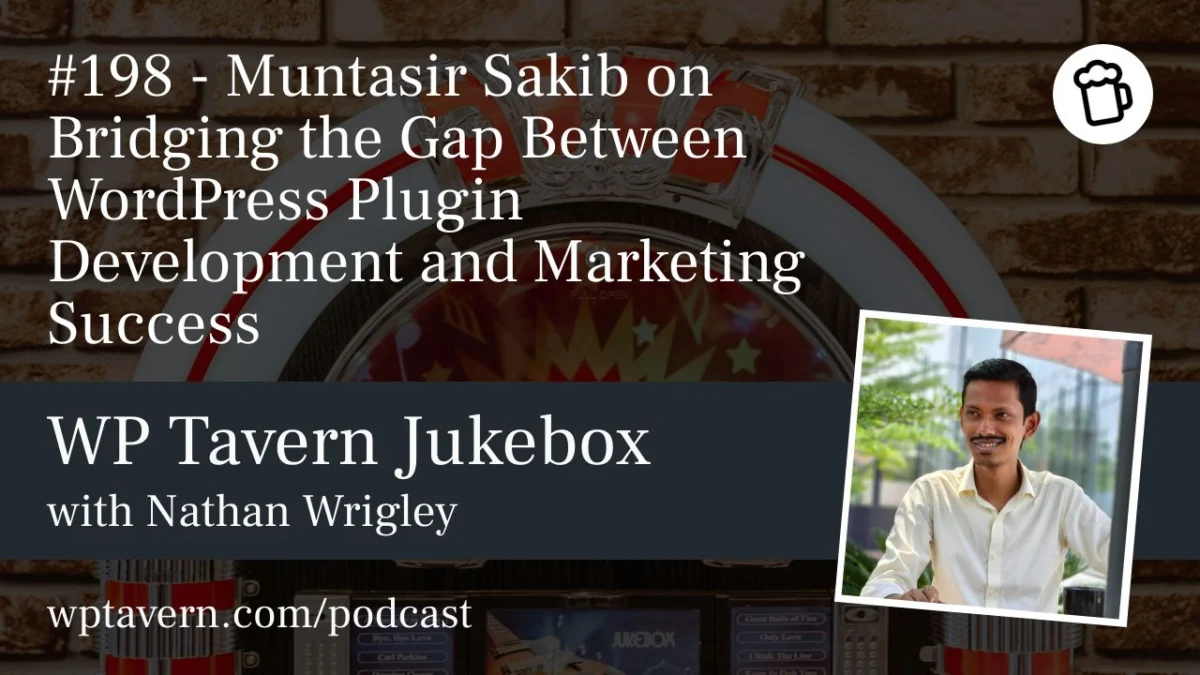
In the rapidly evolving landscape of the WordPress ecosystem, a fundamental transformation is taking place. For years, the prevailing mantra among developers was the "Field of Dreams" approach: "Build it and they will come." However, as the WordPress directory nears 60,000 plugins and the marketplace reaches a state of unprecedented saturation, that philosophy is increasingly being relegated to the past.
According to Muntasir Sakib, a veteran of the WordPress product space who has played a pivotal role in scaling high-profile tools like Tutor LMS and Droip, the gap between finishing a product and achieving commercial success is where most developers falter. In a recent interview, Sakib argued that marketing is not a post-launch afterthought, but a foundational requirement that must be integrated from the very first line of code.
The Evolution of the WordPress Ecosystem
Since 2018, Sakib has witnessed the WordPress ecosystem mature from a hobbyist-driven playground into a sophisticated, multi-billion-dollar economy. During his tenure at JoomShaper, he helped propel Tutor LMS from a modest 15,000 active installations to over 100,000 in just three and a half years. This growth was not accidental; it was the result of a calculated blend of technical excellence, community engagement, and aggressive, strategic marketing.
"In the early days, the ecosystem was smaller, and the competitive barrier to entry was lower," Sakib explains. "Today, you aren’t just competing with other plugins; you are competing for user attention in an environment where interoperability is mandatory. You don’t control the user’s hosting, their theme, or the other dozens of plugins they have installed. This makes the marketing challenge infinitely more complex than in a closed SaaS environment."
Distinguishing WordPress Marketing from SaaS
A core theme of the discussion is the fundamental difference between marketing a standard SaaS product and a WordPress plugin. In a SaaS environment, the developer controls the "full stack"—the infrastructure, the user journey, the billing, and the environment. In WordPress, the developer is a guest in the user’s house.
The Open Ecosystem Challenge
Because WordPress users expect openness, plugin developers must ensure their products play nicely with others. This "interoperability requirement" means that marketing cannot rely on the walled-garden tactics common in the software industry. Instead, developers must leverage:
- Documentation as Marketing: High-quality, accessible documentation is often the first point of contact for potential customers.
- The Freemium Engine: The free version on WordPress.org is the primary acquisition channel. If the onboarding journey isn’t seamless, the path to the "Pro" version is lost.
- Community Presence: In WordPress, if you are not visible in the community—through events like WordCamps or active participation in forums—you are effectively invisible.
The Anatomy of a Failed Launch: "Feature-First" Development
One of the most persistent pitfalls identified by Sakib is "feature-first" development. Many developers suffer from the illusion that a more feature-rich product is inherently more valuable. They spend months in isolation, coding a laundry list of features they think the market wants, only to find that users are either indifferent or overwhelmed.
"When you build a product based on features, you are often building what you want, not what the customer struggles with," says Sakib. "The most successful plugins are those that prioritize clarity, reliability, and specific use-case fit over bloat. If your product solves a burning problem, you don’t need fifty features; you need three that work flawlessly."
The "Reactive Roadmap" Trap
Sakib warns against the "reactive roadmap," where developers constantly pivot based on noise from the loudest users rather than a strategic vision. A strategic roadmap aligns product development with market research, ensuring that every new update adds genuine value rather than just increasing technical debt and slowing down the site.
Sustainability vs. Short-Term Cashflow
Perhaps the most controversial point raised in the conversation is the sustainability of the "Lifetime Deal" (LTD) model. While many new developers turn to LTDs to generate quick cash to fund their development, Sakib describes it as a "trap."
"Sustainability is not the same as cash flow," he notes. "Lifetime buyers often demand the highest level of support while providing the least amount of recurring revenue. As your product grows, your fixed costs—servers, support staff, and maintenance—only go up. If your revenue model is based on one-time payments, you are effectively paying to support your own customers indefinitely."
Instead, he advocates for a model built on renewals, annual subscriptions, and clear upgrade paths. By focusing on recurring revenue, developers ensure they have the resources to keep the product secure and performant, which in turn breeds user trust and long-term retention.
The Role of the "Marketing-Developer" Collaboration
A central question is how a solo developer, who may not have the budget for a marketing team, can compete. Sakib suggests that even a one-person team must adopt a "founder-led marketing" mindset. This does not mean the developer must become a marketing expert, but rather that they must stop being a "silo" and start engaging with the community.
Key Strategies for Success:
- Beta Testing as Outreach: Rather than keeping code secret until launch, invite a select group of users to test beta versions. This builds a feedback loop and creates early brand advocates.
- Strategic Partnerships: Use events like WordCamps to build relationships with other companies in the ecosystem. Collaboration with hosting providers, theme shops, or complementary plugin developers can create a multiplier effect for marketing.
- The 30% Rule: Sakib suggests that in a healthy product company, at least 30% of the budget should be allocated to marketing, partnerships, and community engagement.
Implications for the Future of WordPress
As the WordPress market continues to consolidate, the bar for entry is rising. The "hobbyist" era is transitioning into an era of professional product management. For developers, the message is clear: the code is only half the battle.
The successful developers of tomorrow will be those who:
- Listen more than they code: Utilizing customer feedback as a "gold mine" for product direction.
- Prioritize QA: Understanding that a single broken update can destroy a company’s reputation in the WordPress ecosystem.
- Cultivate Community: Treating the WordPress ecosystem as a collaborative network rather than a competitive battlefield.
Ultimately, Muntasir Sakib’s advice serves as a wake-up call to the developer community. The "build it and they will come" myth is a dangerous distraction. Success in the modern WordPress era is earned through a rigorous, disciplined approach that balances the technical demands of software development with the human-centric requirements of marketing. For those willing to make that shift, the opportunity remains vast, but it requires a fundamental change in how they view their role—moving from a solitary builder to a customer-centric business owner.